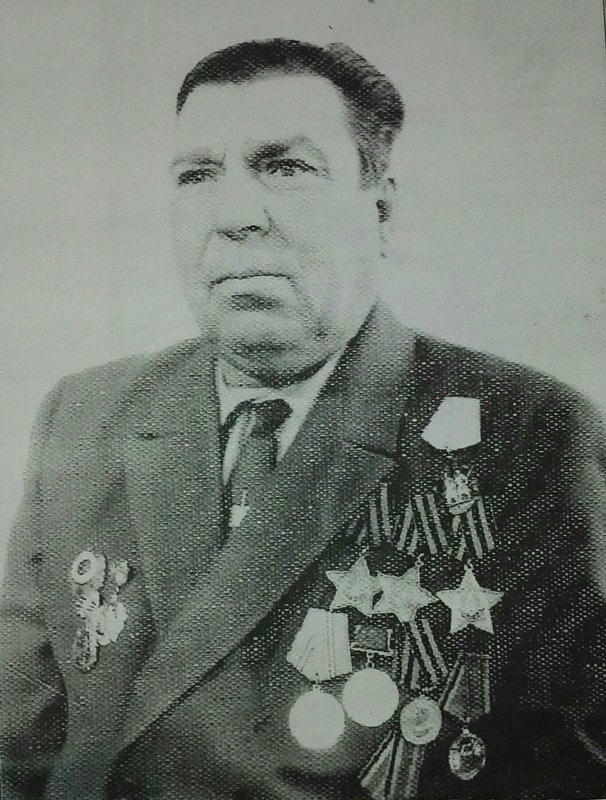
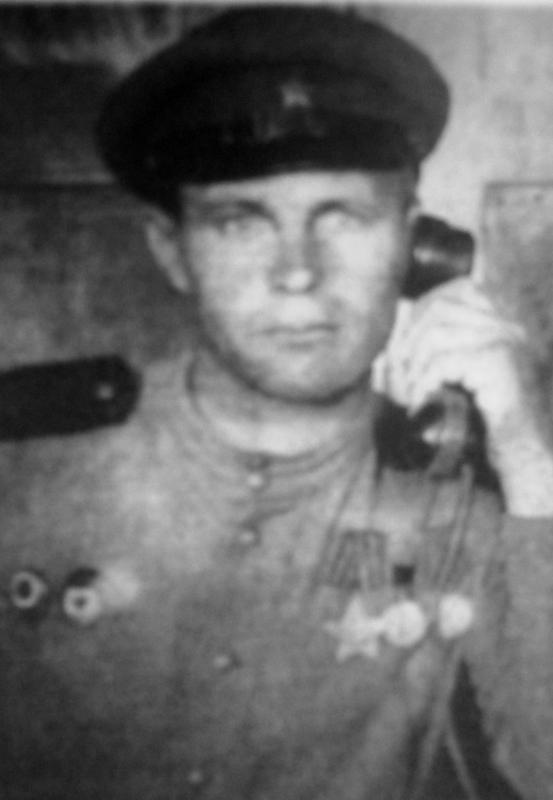
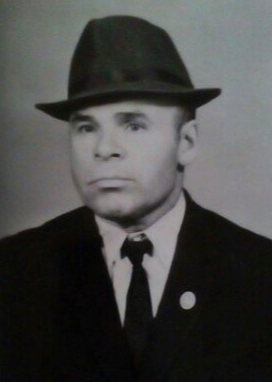
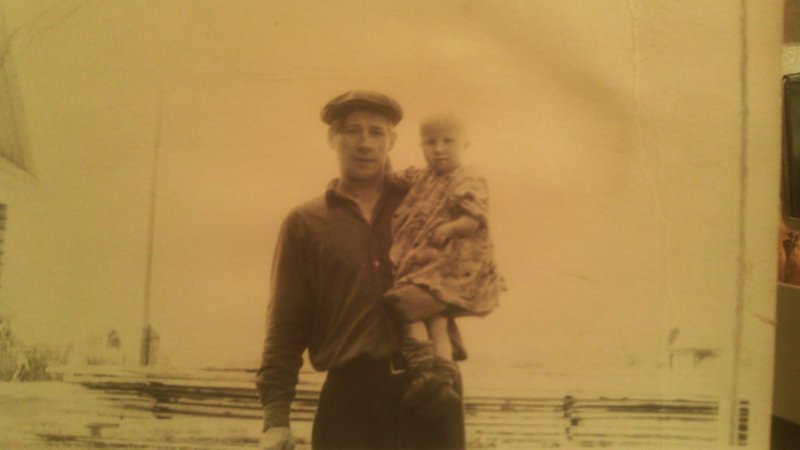
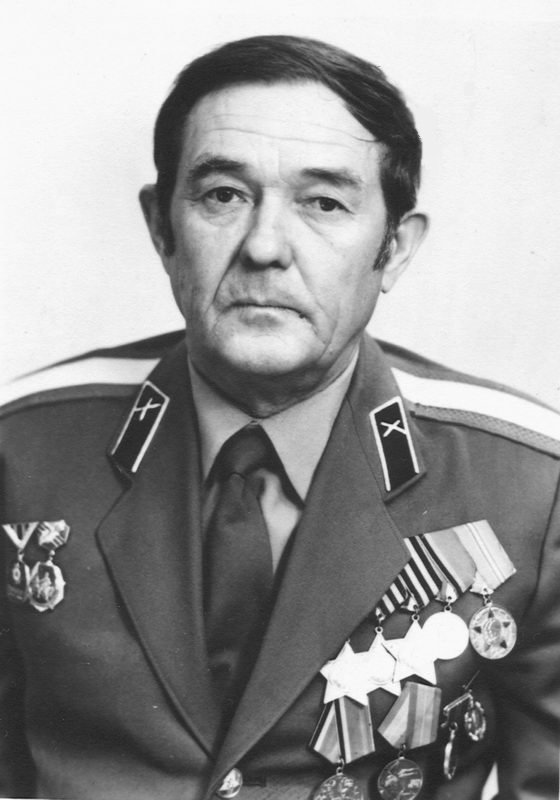
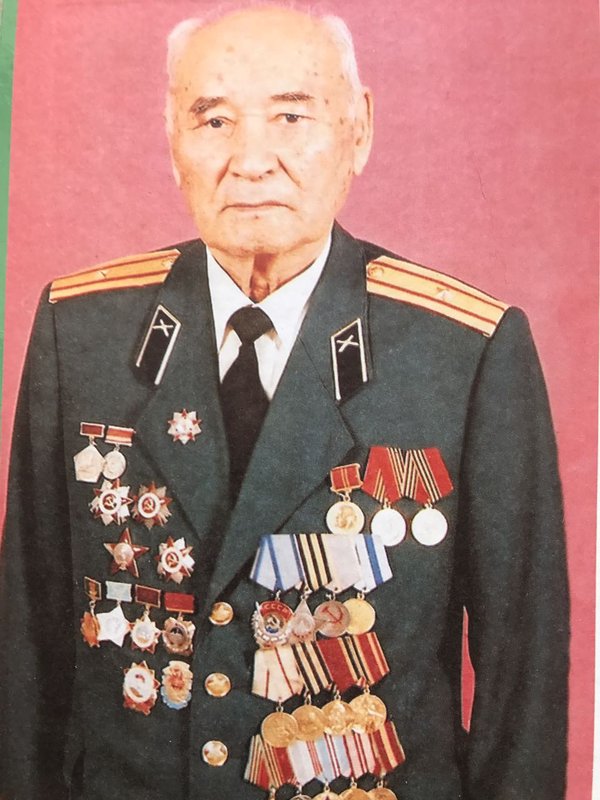
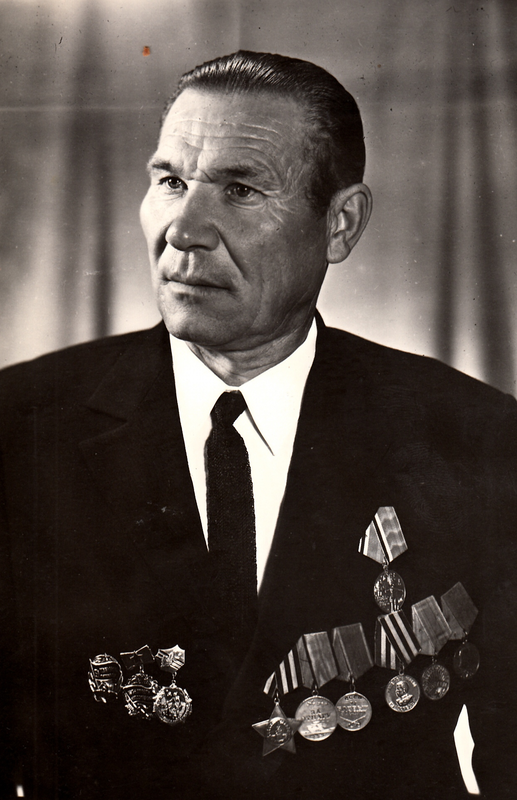
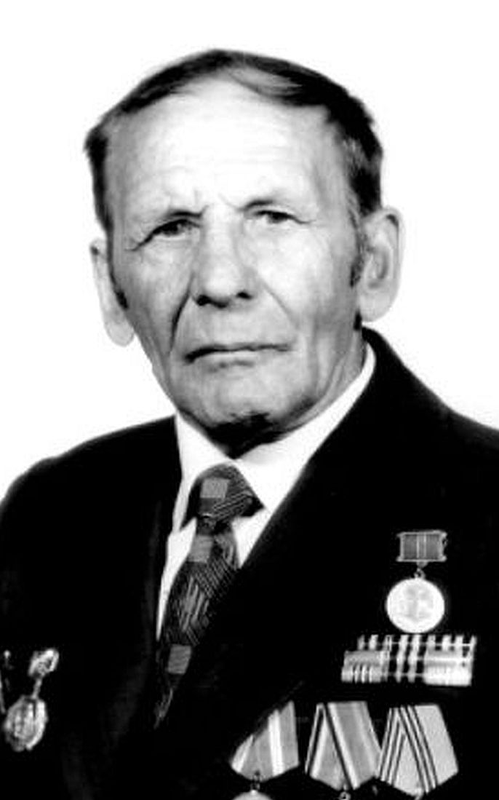
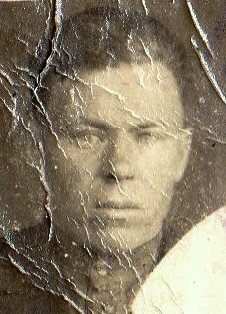
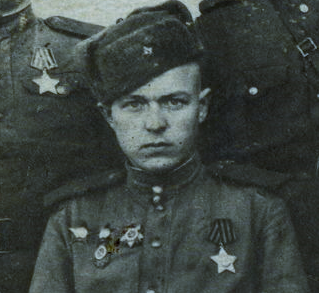
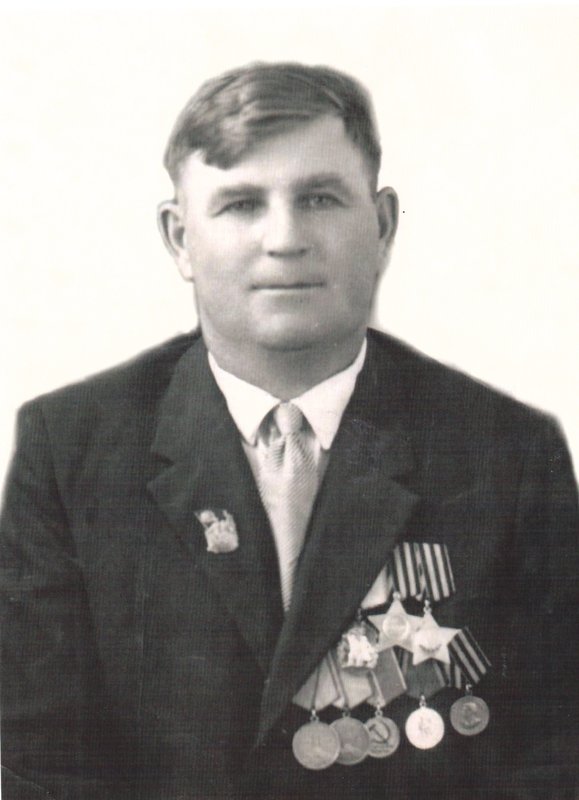
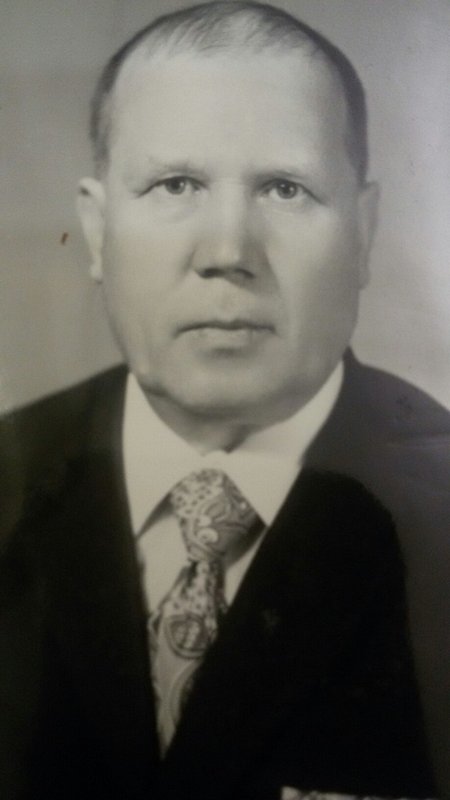
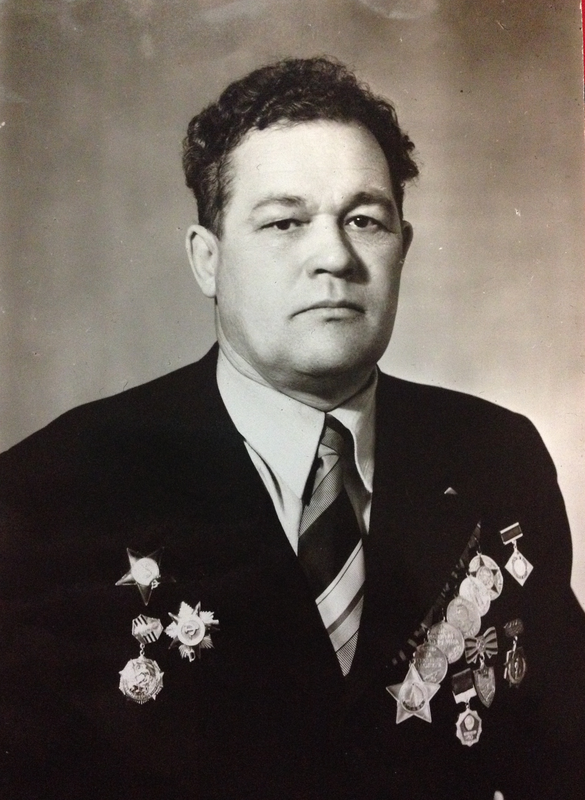
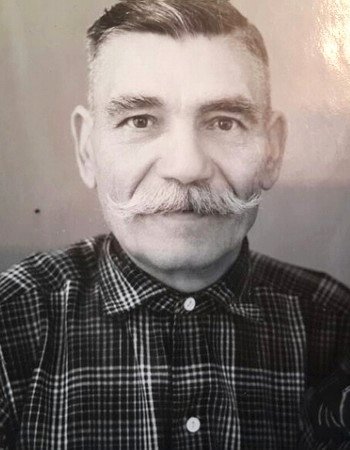
Turmagambetov Muhangali
Rank: Sergeant_x000D_
Branch of troops: Artillery _x000D_
Subdivision: 15th Anti-Aircraft Artillery Division _x000D_
"I must live my life for my brothers, and, if possible, happily ..." _x000D_
Muhangali Turmagambetov is one of the few survivors who had to go through the entire war from the first to the last day. Before the war, Muhangali lived in the village of Balykshi, Guryev Region. In 1939, at the age of 19, he was drafted into the Red Army. He began his service in Kharkov. As an excellent student in military service, Muhangali was sent to study at an anti-aircraft regimental School. And then the war started. _x000D_
The cadets were put into echelons and sent to the front. The mood was cheerful: everyone was sure that they would quickly defeat the Germans and return home with victory. They could not even imagine that a heavy, bloody war would stretch for four long years ... _x000D_
From the Turmagambetov family, Muhangali was the first to join the army. Then his brothers Kurman and Uzakkali became soldiers, a little later it was the turn to go to the front for the third brother Kuben. Once, instead of the long-awaited "brother triangle", a death notification came, brother Kurman was killed. A year later, the hero Uzakkali died, and the seriously wounded Kuben lay in the hospital for a long time. Soon he also died from wounds ... _x000D_
On July 17, in Belarus near Bobruisk, Muhangali took part in his first combat. He had to fight first in the infantry, since the anti-aircraft units were not provided with military equipment. It was scary. The Red Army turned out to be unprepared for a war with a well-armed enemy. The losses were huge, no one counted them, the death squads simply buried the dead._x000D_
At the beginning of November 1941, Sergeant M. Turmagambetov's anti-aircraft battery was stationed near Moscow. And he had a chance to participate in the historic military parade on Red Square on November 7, 1941, when the fascist troops approached Moscow dangerously close, and right from the parade he went to the front. A few days later, Muhangali was wounded and hospitalized. As soon as things got better, he returned to his anti-aircraft Artillery. _x000D_
Near the town of Izyum on the Seversky Donets River in March 1942, he shot down his first enemy plane. And then there was Stalingrad. On the defensive lines, rare moments of silence were the harbingers of new fierce attacks. They, replacing each other, rolled in a continuous succession, battle after battle. In Kalach-on-Don, near Stalingrad, the gunners held the defensive for a week, following the order: "Not a step back!" German planes raided the city every day. The battery of the gun Commander M. Turmagambetov guarded the pontoon bridge 4 kilometers long. The Germans bombed day and night. And the anti-aircraft gunners had to take care of the shells. Then they built a raft, put a cannon on it and began to fire at the German tanks with direct fire with anti-aircraft guns. In the battles for Stalingrad, Muhangali Turmagambetov shot down two enemy aircraft, destroyed three tanks, not allowing the enemy to pass through his positions. For these bloody combats, he received the Order of the Red Star, and the entire combat crew was awarded medals. _x000D_
After the Battle of Stalingrad, they became part of the third Simferopol Artillery Division. The liberation battles in the western direction were no less hard and bloody, but the realization that the enemy was retreating, and they were liberating cities and peoples one by one, helped greatly and gave new strength to the soldiers. _x000D_
Muhangali Turmagambetov fought Bessarabia, Romania, Hungary, Carpathians. The anti-aircraft gunner shot down his last plane on April 13, the day of the liberation of the Austrian capital, Vienna. The war for him ended on May 13, 1945 in Czechoslovakia, northeast of Prague, where Field Marshal Scherner's group resisted. He received the Order of Glory, 3rd degree, which he was very proud of as the main soldier's order. _x000D_
On June 24, 1945, Mukhangali Turmagambetov took part in the Victory Parade on Red Square in Moscow. He got into this anti-aircraft Regiment, having passed a tough selection from almost ten thousand people! The requirements were really strict: height had to be 1 meter 70 centimeters, good bearing, at least three state awards on the chest. _x000D_
After the parade, he returned to his unit, which was stationed in Budapest. Forty years after these events, in 1985, at the parade dedicated to the 40th anniversary of Victory Day, Mukhangali Yesenovich Turmagambetov again had a chance to march on Red Square. He got there as a participant in the 1945 Victory Parade. _x000D_
In Moscow, in the Museum of the Armed Forces, there is an anti-aircraft gun on which it is written: “The gun of Senior Sergeant Mukhangali Turmagambetov of the 15th anti-aircraft Artillery Battalion of the 6th Army of the 3rd Ukrainian Front, of which 16 aircraft were shot down in battles with the Nazis, a record number during the Great Patriotic War. _x000D_
Mukhangali Yessenovich Turmagambetov is a man of unusual destiny. A guy from a village lost in the Kazakh steppes, miraculously survived and marched three times on Red Square, taking part in three Victory Parades. After the end of the war, anti-aircraft gunner M. Turmagambetov abruptly changed his life. Even before the war, he graduated from a fish technical School. After the war he decided that he should study further. In 1946 M. Turmagambetov entered the Moscow Institute of Fisheries. As it turned out, he was the first Kazakh who graduated from this institute and worked for over 20 years in the fishing industry of Kazakhstan.