Pyrev Ivan Egorovich
Pyrev Ivan Egorovich_x000D_
_x000D_
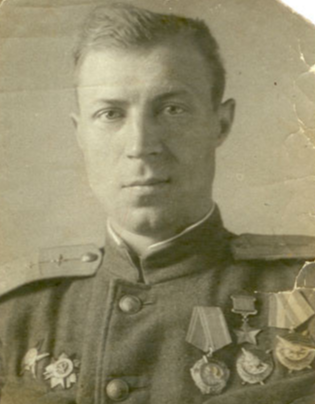
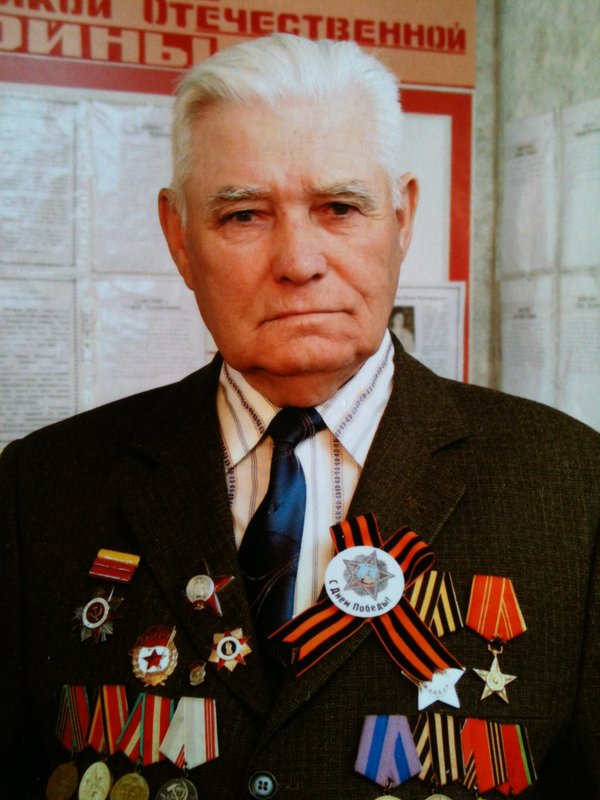
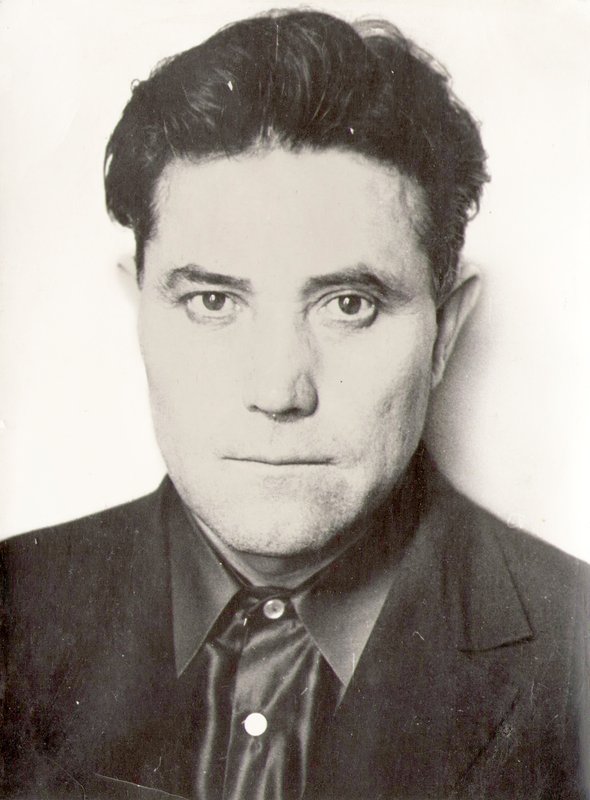
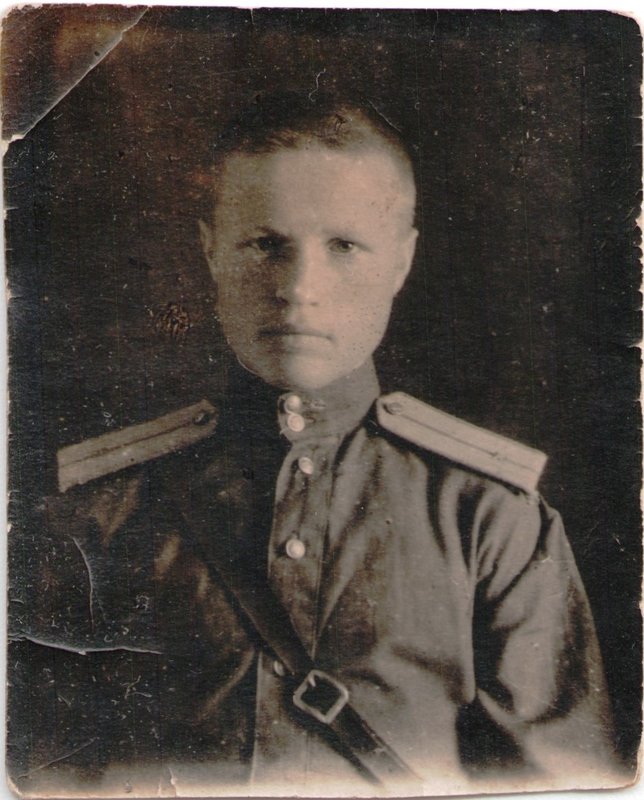
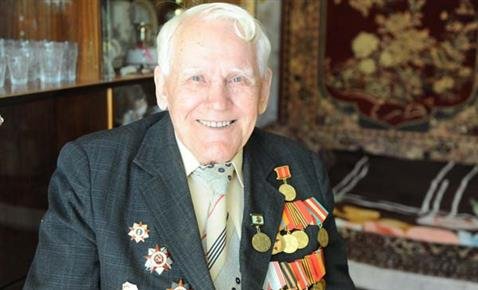
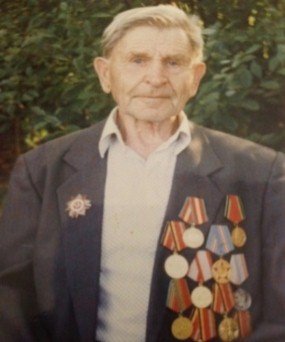
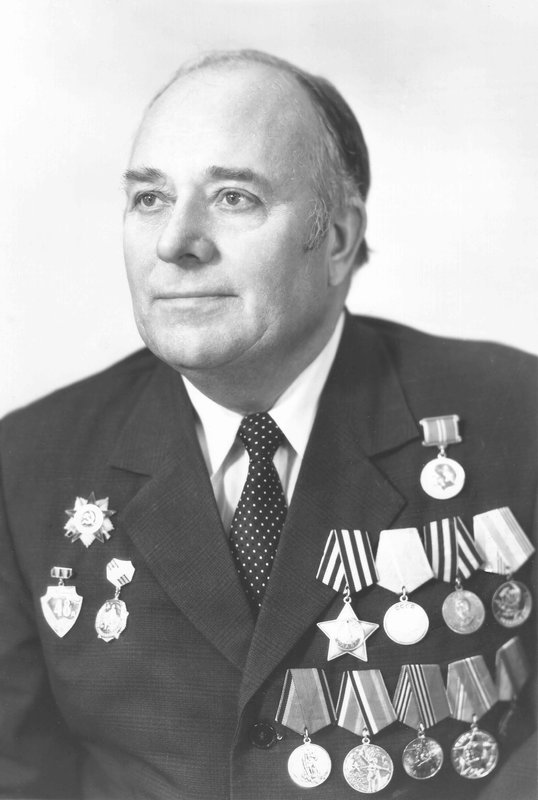
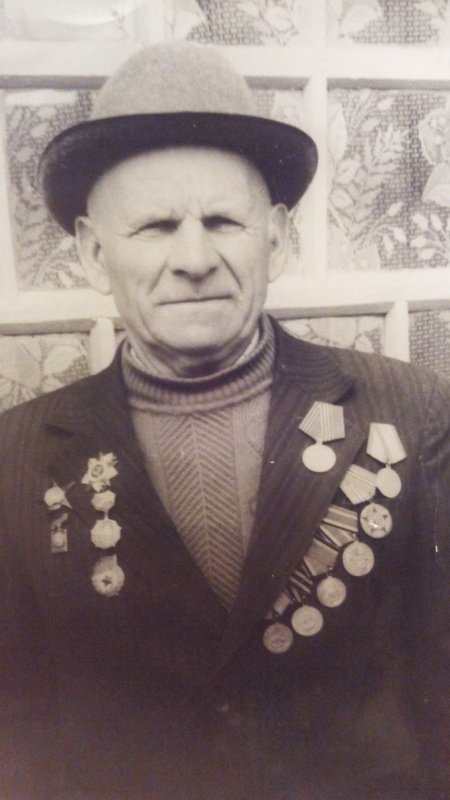
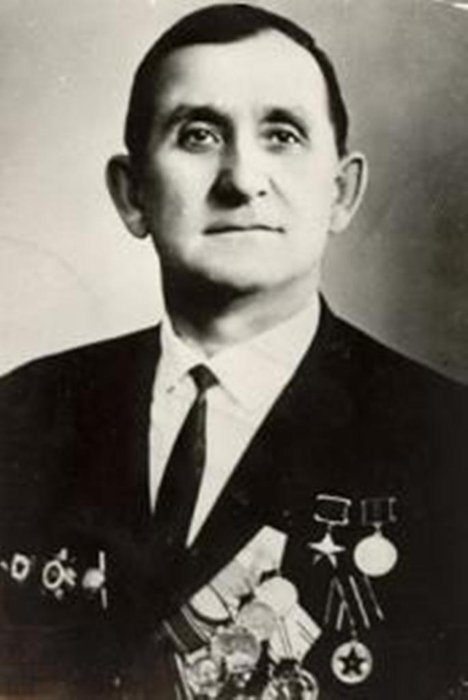
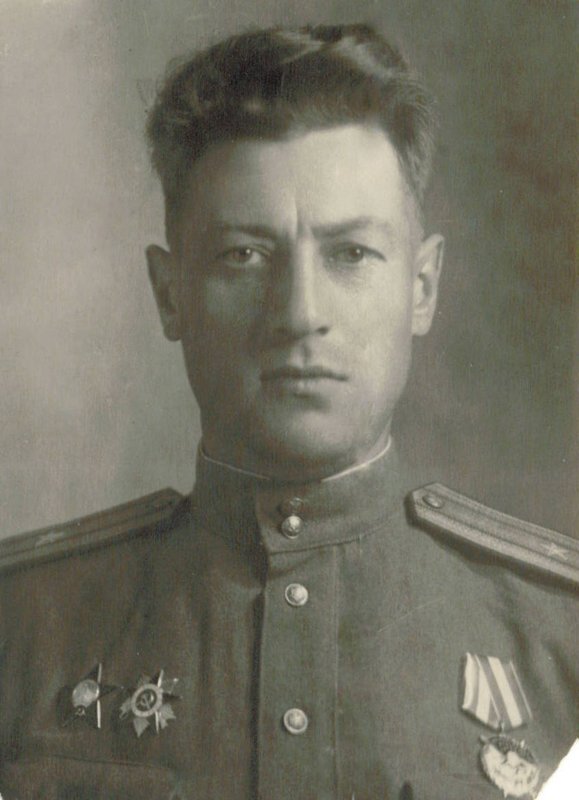
Name: pyrev, Ivan Egorovich last NAME: first NAME: Ivan middle name: Yegorovich CITY: Usmansky district, village of Gorodok (in the village of Nikolskoye) Voronezh (since 1954, Lipetsk region) DATE of BIRTH: 07.11.1925 DATE of DEATH: 03.06.2010 HISTORY: Title: Senior sergeant. Branch of service: army, air force (except marine aviation), the coast guard, the troops of the NKVD border troops. Division: 83rd guards rifle Gorodok red banner order of Suvorov division. Ivan Yegorovich, after the death of his father Yegor Yermolaevich 26.03.1942 near Moscow at the age of 17, went to the military enlistment office, where he was 10.12.1942. enrolled as a cadet in the sniper school (Zabvo, 25-I school of snipers) in the Irkutsk region, where he studied for 9 months and then served in the 32nd Reserve regiment of the red army as a squad leader. Snipers were trained for the war with Japan. After Stalingrad, more troops were sent from Siberia to the West. The battle path began in Velikiye Luki from 05.09.19943: 248th guards SP 83rd guards SD 3rd Belf. In the war, he was a sniper-killed 18 Germans, was presented to the medal "for bravery" and the order of the red Star. He took part in the liberation of Vitebsk, Orsha, Polotsk, Borisov, Minsk, Molodechno, Vilnius. For crossing the Berezina river on 08.07.1944, he was awarded the medal "for bravery". Wounded near Kaunas in the leg by a fragment of a 6-barrel German mortar "Vanyusha", on the advice of doctors on passing artillery vehicles reached Minsk in the partisan hospital, because in the field hospital treated only cavity wounds. The funeral service came home, and the award shows were canceled. In the partisan hospital, soldiers ' documents were lost. In the wound, the doctors forgot the bandage (in 1950, the wound was opened – "the bandage came out"). The splinter grazed the Central femoral nerve, while already retired, the leg became numb – he received the 2nd group of disability. After the hospital, he was sent to Moscow for further treatment, then to Pushkin for recovery. The wound was healed in 4 months. (10.08.1944-20.10.1944). He returned to the front in the autumn of 20.10.1944 in Bialystok, (part is not currently known) to the 2nd Belorussian front (most likely to the 47th Army, since the path of this army coincides with the map on which his father marked his combat path). Took part in the liberation of localities and cities in Poland: Manzhenin, ostrów Mazowiecka, Wyszkow, Plock, włocławek, Torun, Bydgoszcz, Koronowo, Zlotów, Zlocenec, Stargrad-Szczecinski, Stettin (Szczecin), where he met on may 9, 1945 and the message of Victory. Then he was sent to the Berlin suburb of Neuenhagen. He graduated from the second world war with the rank of senior Sergeant on 15.08.1945. in the Summer of 1945, he completed command courses with the rank of second Lieutenant. On the recommendation of the command, he enrolled in the recruitment of cadets of the Novosibirsk combined-arms command school. In Bialystok was formed a whole train cadets of the school. Along the way, future cadets saw trains with troops traveling to the East, and there were rumors of a war with Japan. By Kazan, almost half of the train escaped to the war with Japan, and at the next stations to Novosibirsk, the train was guarded by NKVD troops. Three years later, he graduated from school and was sent to Vladivostok in the border troops. The ship sailed to Anadyr, and then, after waiting for snow and frost, 500 km on dog sledding followed with the head of the detachment to the Bay of Conduct, where he served for 4 years as Deputy and head of the border Outpost. In 1951, he was sent to Transcarpathia as the head of the Outpost in the village of Srumkovka (Surte) near the town of Chop. They married Lyudmila Petrova, a young teacher who came to Stromovka distribution – there was born a son Vladimir. 17.04.1954 G. quit reduction and worked in the military town Vchoraishe, Zhitomir, village County and village Volodarsk-Volynsky there was born a son, Valery. He worked at the Volynsky mine (later the Zapadkvartsamotsvety mine) as a freight forwarder and crane operator. in the 70s and 80s, he worked in various organizations, including the district Executive Committee as chief of staff of civil defense. Participated in the organization of civil defense exercises. Awarded commemorative medals for the anniversaries of the victory In the second world war and the Soviet Army. On the 50th anniversary of the victory, he was awarded the order of the Patriotic war II degree. In the early 2000s, he moved to Beregovo, Transcarpathian region, where he died on 03.06.2010, having lived for almost 85 years. Ivan Yegorovich always enjoyed the authority of his colleagues and colleagues. I have always had my own point of view on current events in the country and in the world. Played the accordion. When there were no TV sets, and people enthusiastically gathered together on many occasions, even for a subbotnik-my father played for a long time, because of the game he did not eat much – from his mother he got hurt… He started talking about the war when he was already over 70. Before that, the stories were short. I was sorry for my dead friends. Most of all, I felt sorry for a fellow countryman from the Cheremkhovsky district of Vladimir, with whom they fought from Velikiye Luki-died at Orsha. The eldest son was named after him. Water in the swampy ground was flooding the trench, Vladimir went to break the pine lapnik under his feet, his father tried to dissuade him, but he did not listen. The Germans noticed the swaying young pines and fired a volley of mortars-the friend was gone (as In V. V. Vysotsky – "we had enough space in the dugout ..." - my father's eyes watered when he listened to this song). My childish questions: how many Germans did you kill-did not find an answer for a long time. He said he shot, but you can't see what you killed. Once, when I was over 40 years old, I told him that I saw one of them killed, because I stabbed him with a bayonet when I jumped into the trench. He told about those killed with a sniper rifle 5 years before his death. I put candles for all 19 Krauts for the rest of their souls. Their mothers gave birth to people, and they committed such a sin to their souls. There is no hatred for them. May the Lord judge them. They found their own destiny. Their actions and deeds are sinful and there is no forgiveness for these actions. How could everyone's life have been different, both for our ancestors and for us, if there had been no war? WE REMEMBER, LOVE, AND ARE PROUD! NO ONE IS FORGOTTEN, AND NOTHING IS FORGOTTEN!