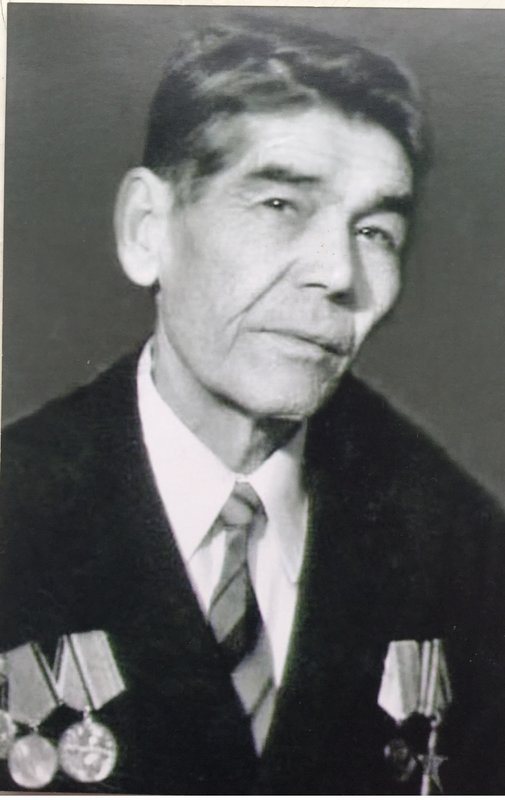
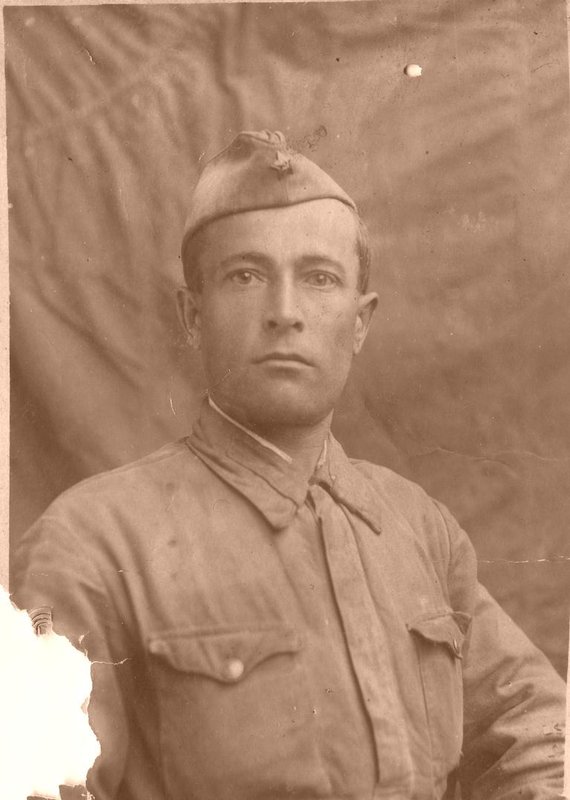
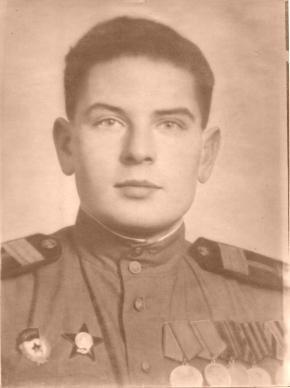
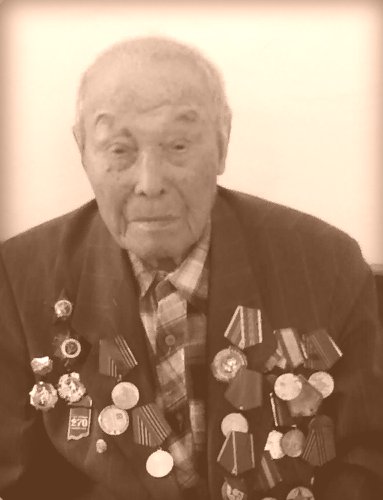
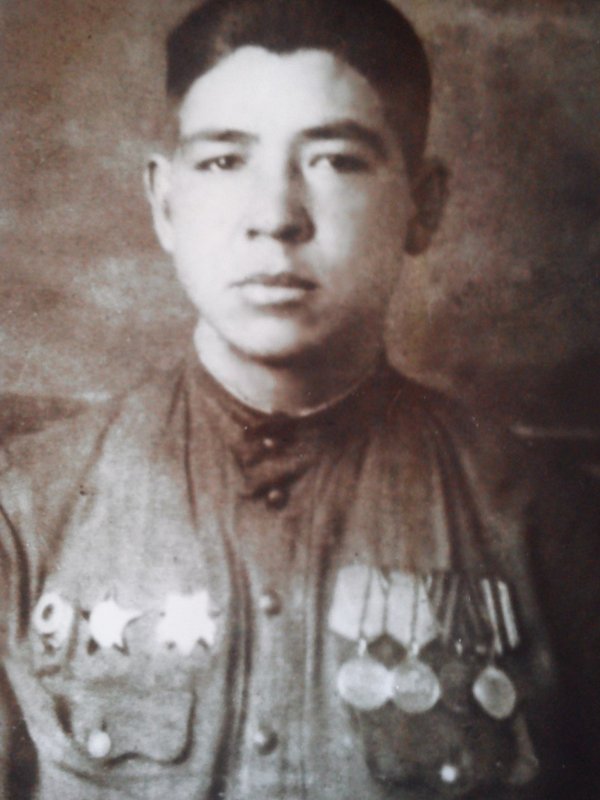
Khasanov Khalidar Muksinovich
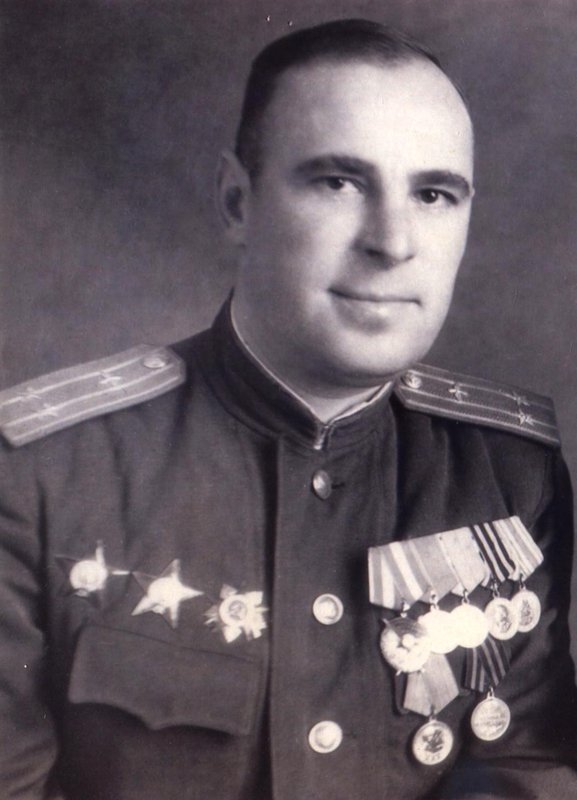
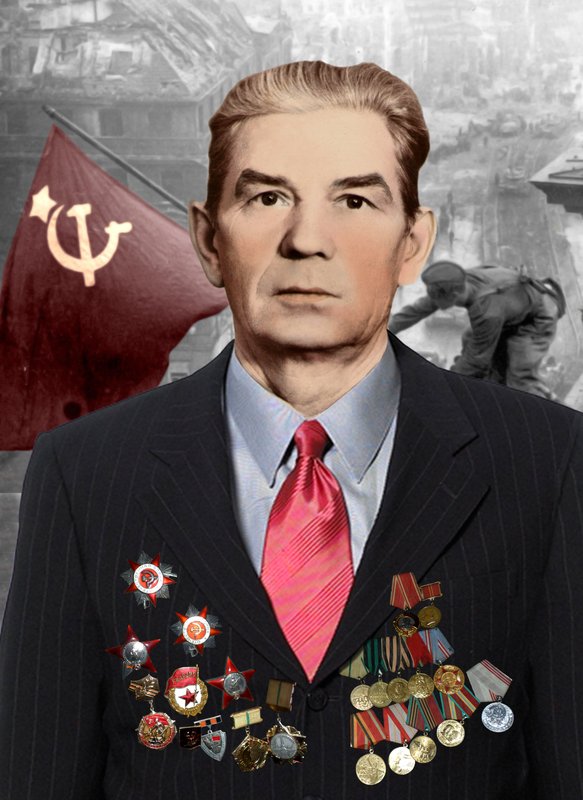
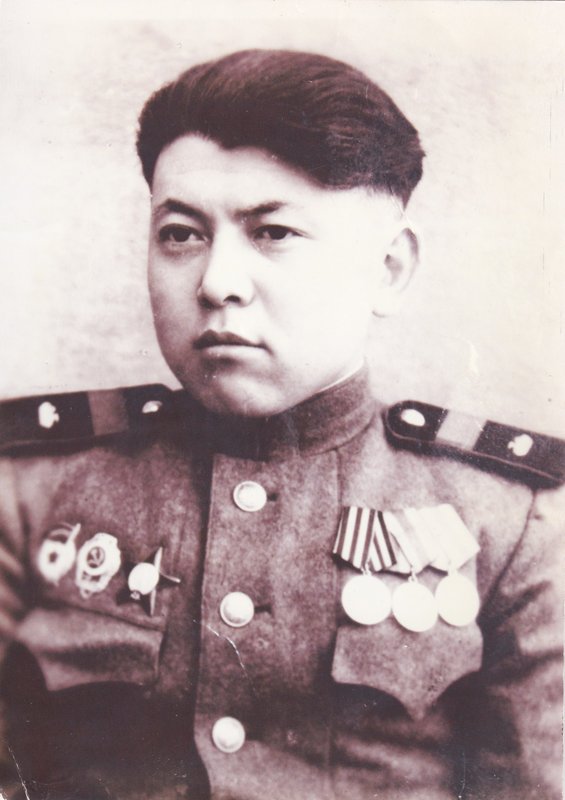
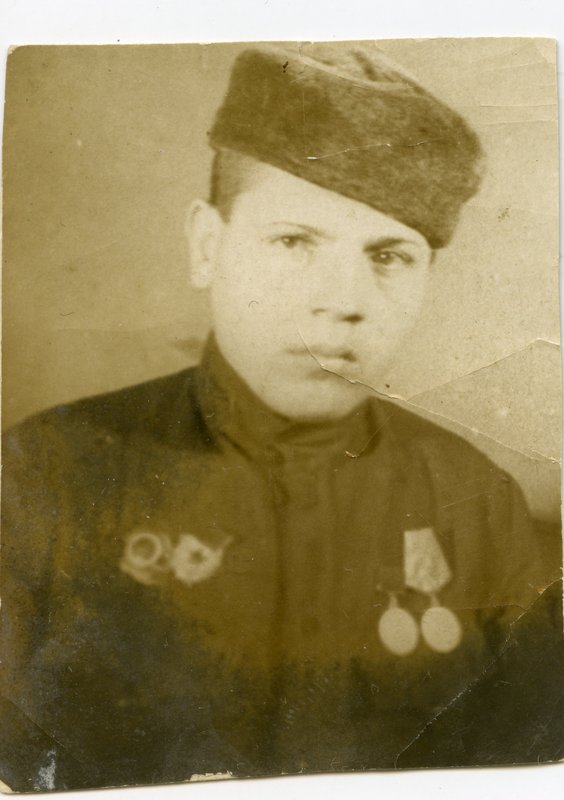
Rank: Sergeant. Type of troops: artillery Unit: 112th Cavalry Bashkir Division. The Notepad contains sincere and slightly naive judgments of an ordinary soldier of the Great Patriotic War. “My grandchildren Andrei and Sasha gave me the notebook on Victory Day 1982,” writes Khalidar Muksinovich. - I start it with my military biography, so that my children and grandchildren know who I served, in which units I fought. My "piece of time", where I brought my thoughts during the war years, has already fallen apart, so I have to rewrite them in this diary. " The 112th Bashkir Cavalry Division, where he ended up as a private, began military operations near Voronezh. Then part of them was transferred to Stalingrad. Wounded in November 1942, Khasanov, after being hospitalized in the 224th Infantry Division, continued to fight in the Donbass. After a second wound as a member of the artillery regiment of the 203rd Infantry Division, he reached Czechoslovakia, where he met the end of the Great Patriotic War. In the fall of 1945, he took part in the defeat of Japanese troops in Mongolia and China. He was demobilized with the Order of the Red Star and the Patriotic War and two medals "For Military Merit" on his chest. In Ufa, where he came from the front, he met his betrothed - Markhaba Abdrakhmanovna, who was also a front-line soldier. They got married in 1948 and had ten children. Everyone was raised, taught, raised, made into people. Khalidar Muksinovich died two years ago, leaving to posterity a large number of his invaluable notes. I offer a small piece of text from Khasanov's "piece of time", which describes the last days of the Great Patriotic War. March 24. Received the fourth "toy" (gun). Six people joined the replenishment - Neshalsky, Voginchuk, Ronnov and others. March, 25. During the crossing of the Hron River, Tretyakov, Bychkov, Lukyanchuk and Zaitsev were killed. Sobchenko disappeared without a trace. 26 March. Today Stepanov was wounded at the rate of Lomonosov. April 10th. When we were standing on the outskirts of Senitsa, I met a fellow countryman, senior sergeant Khamidullin from the Buzdyak district. He serves in the 610th joint venture regimental battery as the commander of the "goodbye homeland" ("magpie"). April 11th. Lapeta died today, Akiliev, the driver, was wounded. My gun was also "wounded", so we went to the army workshop. April 12th. Today, having collected some trophies, I sent home a package. April 13. Returning from the army workshop, he received an order to suppress a machine-gun point that interferes with the movement of infantry. Having deployed the cannon, with direct fire, he smashed the house in which the German machine gunner was. 14th of April. Voginchuk died while fighting enemy tanks on a forest road. April 19. Night battle at height 325. Nesterenko, Konev and others were wounded. Many horses died. 20 April. We got into trouble. Lomonosov's cannon is broken again. I left to take it. April 22. Lomonosov brought a new cannon. 26 April. Today they occupied a rather large settlement of Koberzyce, where Lezenko was wounded (for the second time). Our battery fired at the town well, but fortunately there were no casualties. The people in Caberjica were wonderful. The women brought hot food in the evening, helped to bandage the wounded, and the men sat next to us at night in defense with weapons in their hands. April 27. Moldovan Pistol died today. May 2. The Germans smoked us out of Nemchitsa, launching 18 tanks into the attack. The guns of Lomonosov and Kutsenko are broken. Baretsky died. 5 May. At night we were replaced by a Romanian division. When we drove about four kilometers, a machine-gun burst came from the neighboring forest - either the Germans or the Vlasovites. From my calculation old man Seleznev was wounded. For my soldiers, this was the last victim of the war. And the column continued moving without stopping. May 8. At two o'clock in the afternoon the news of the end of the war was received by radio. May 9. Before dawn our artillery regiment concentrated in a pine forest. Here the regiment commander Lieutenant Colonel Kalinin, having built us up, announced the surrender of Germany. But we went in pursuit of the retreating enemy. May 12, 1945. We stopped in the city of Stemberg on the banks of the Zasava River, set up our tents and rested, as in peacetime.
Khasanov Khalidar Muksinovich
Rank: Sergeant. Type of troops: artillery Unit: 112th Cavalry Bashkir Division. The Notepad contains sincere and slightly naive judgments of an ordinary soldier of the Great Patriotic War. “My grandchildren Andrei and Sasha gave me the notebook on Victory Day 1982,” writes Khalidar Muksinovich. - I start it with my military biography, so that my children and grandchildren know who I served, in which units I fought. My "piece of time", where I brought my thoughts during the war years, has already fallen apart, so I have to rewrite them in this diary. " The 112th Bashkir Cavalry Division, where he ended up as a private, began military operations near Voronezh. Then part of them was transferred to Stalingrad. Wounded in November 1942, Khasanov, after being hospitalized in the 224th Infantry Division, continued to fight in the Donbass. After a second wound as a member of the artillery regiment of the 203rd Infantry Division, he reached Czechoslovakia, where he met the end of the Great Patriotic War. In the fall of 1945, he took part in the defeat of Japanese troops in Mongolia and China. He was demobilized with the Order of the Red Star and the Patriotic War and two medals "For Military Merit" on his chest. In Ufa, where he came from the front, he met his betrothed - Markhaba Abdrakhmanovna, who was also a front-line soldier. They got married in 1948 and had ten children. Everyone was raised, taught, raised, made into people. Khalidar Muksinovich died two years ago, leaving to posterity a large number of his invaluable notes. I offer a small piece of text from Khasanov's "piece of time", which describes the last days of the Great Patriotic War. March 24. Received the fourth "toy" (gun). Six people joined the replenishment - Neshalsky, Voginchuk, Ronnov and others. March, 25. During the crossing of the Hron River, Tretyakov, Bychkov, Lukyanchuk and Zaitsev were killed. Sobchenko disappeared without a trace. 26 March. Today Stepanov was wounded at the rate of Lomonosov. April 10th. When we were standing on the outskirts of Senitsa, I met a fellow countryman, senior sergeant Khamidullin from the Buzdyak district. He serves in the 610th joint venture regimental battery as the commander of the "goodbye homeland" ("magpie"). April 11th. Lapeta died today, Akiliev, the driver, was wounded. My gun was also "wounded", so we went to the army workshop. April 12th. Today, having collected some trophies, I sent home a package. April 13. Returning from the army workshop, he received an order to suppress a machine-gun point that interferes with the movement of infantry. Having deployed the cannon, with direct fire, he smashed the house in which the German machine gunner was. 14th of April. Voginchuk died while fighting enemy tanks on a forest road. April 19. Night battle at height 325. Nesterenko, Konev and others were wounded. Many horses died. 20 April. We got into trouble. Lomonosov's cannon is broken again. I left to take it. April 22. Lomonosov brought a new cannon. 26 April. Today they occupied a rather large settlement of Koberzyce, where Lezenko was wounded (for the second time). Our battery fired at the town well, but fortunately there were no casualties. The people in Caberjica were wonderful. The women brought hot food in the evening, helped to bandage the wounded, and the men sat next to us at night in defense with weapons in their hands. April 27. Moldovan Pistol died today. May 2. The Germans smoked us out of Nemchitsa, launching 18 tanks into the attack. The guns of Lomonosov and Kutsenko are broken. Baretsky died. 5 May. At night we were replaced by a Romanian division. When we drove about four kilometers, a machine-gun burst came from the neighboring forest - either the Germans or the Vlasovites. From my calculation old man Seleznev was wounded. For my soldiers, this was the last victim of the war. And the column continued moving without stopping. May 8. At two o'clock in the afternoon the news of the end of the war was received by radio. May 9. Before dawn our artillery regiment concentrated in a pine forest. Here the regiment commander Lieutenant Colonel Kalinin, having built us up, announced the surrender of Germany. But we went in pursuit of the retreating enemy. May 12, 1945. We stopped in the city of Stemberg on the banks of the Zasava River, set up our tents and rested, as in peacetime.
0 comment



2026 © Russian Military Historical Society Developed by Jetmix