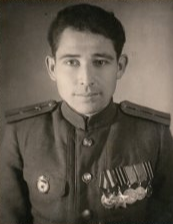
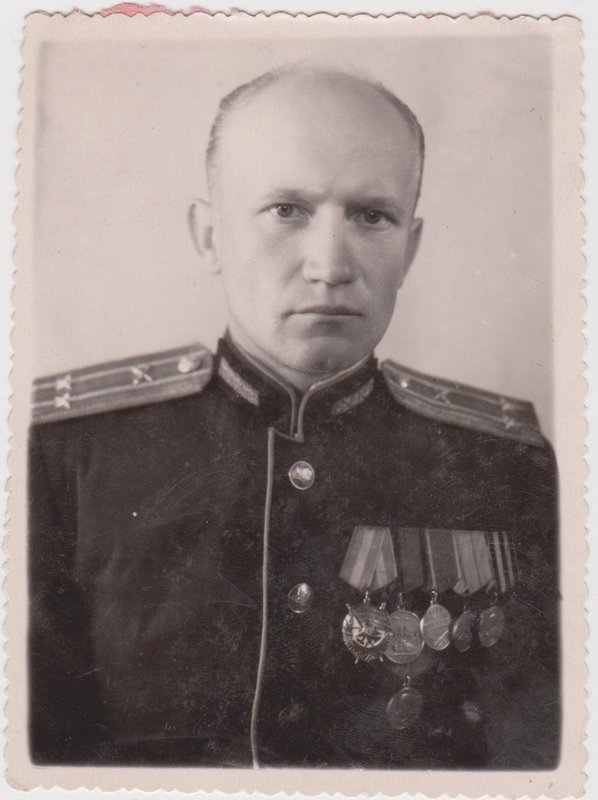
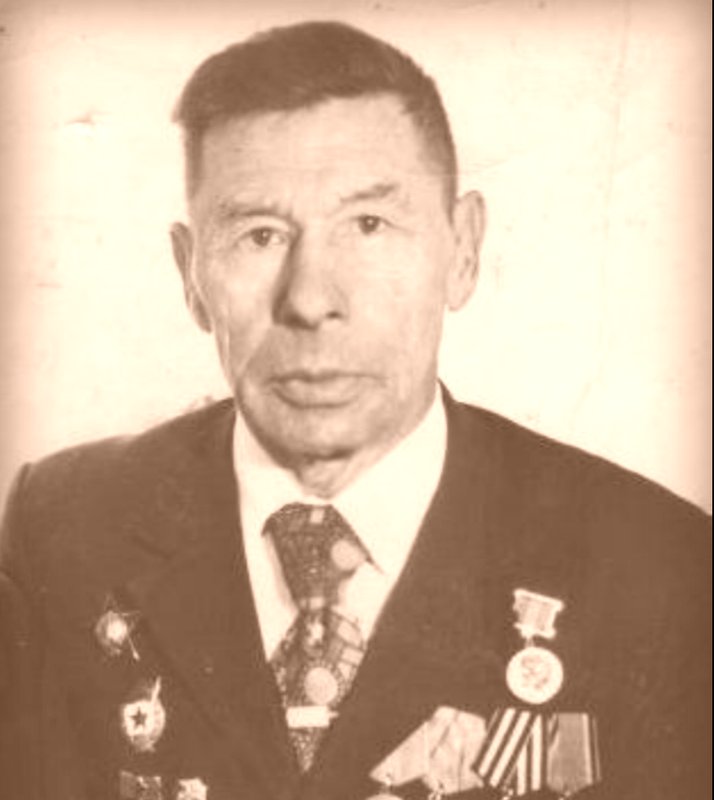
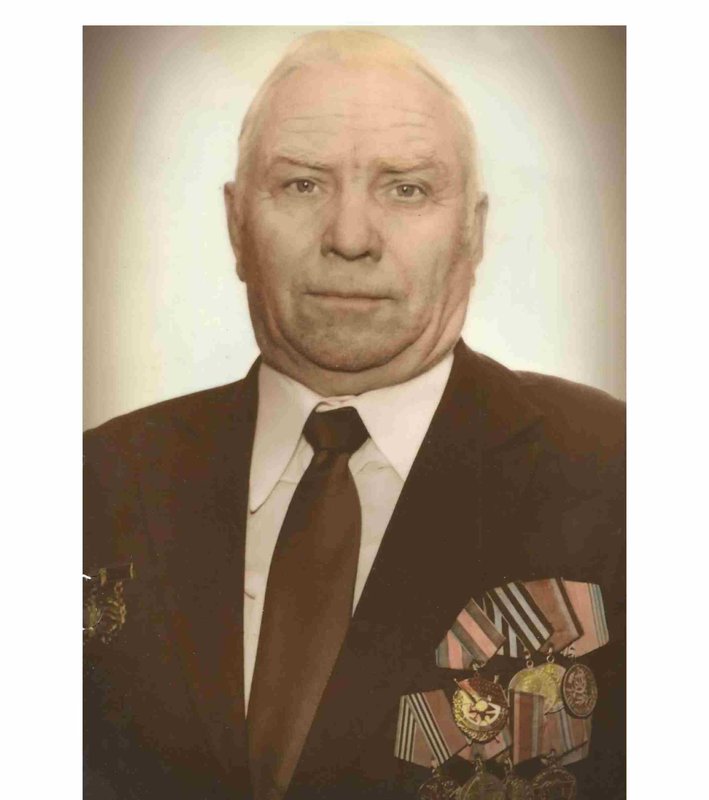
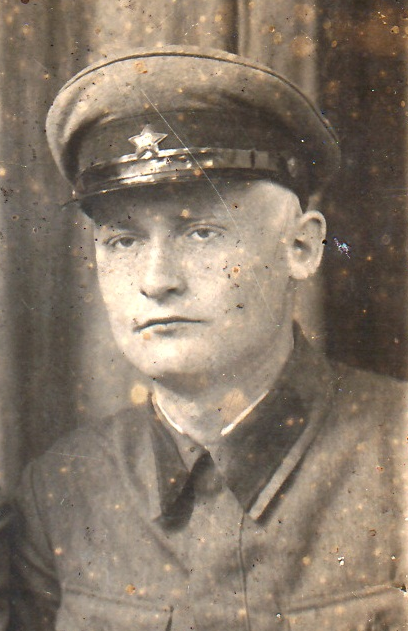
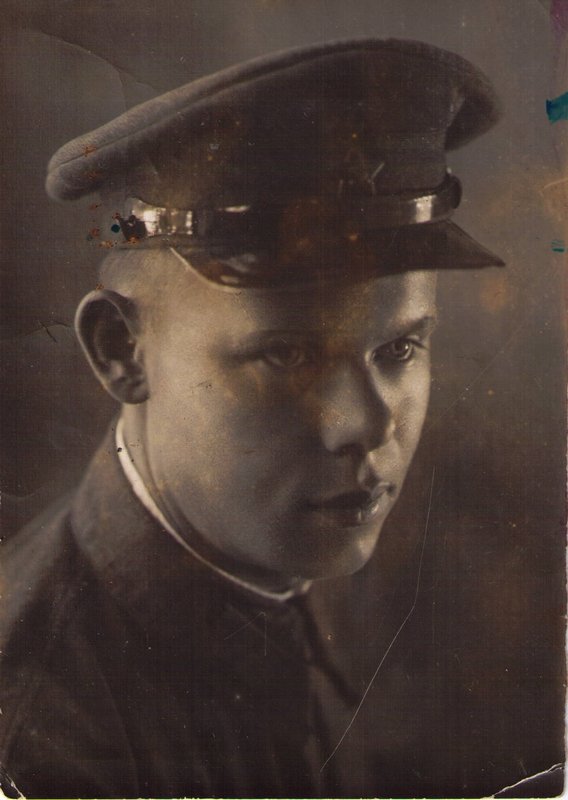
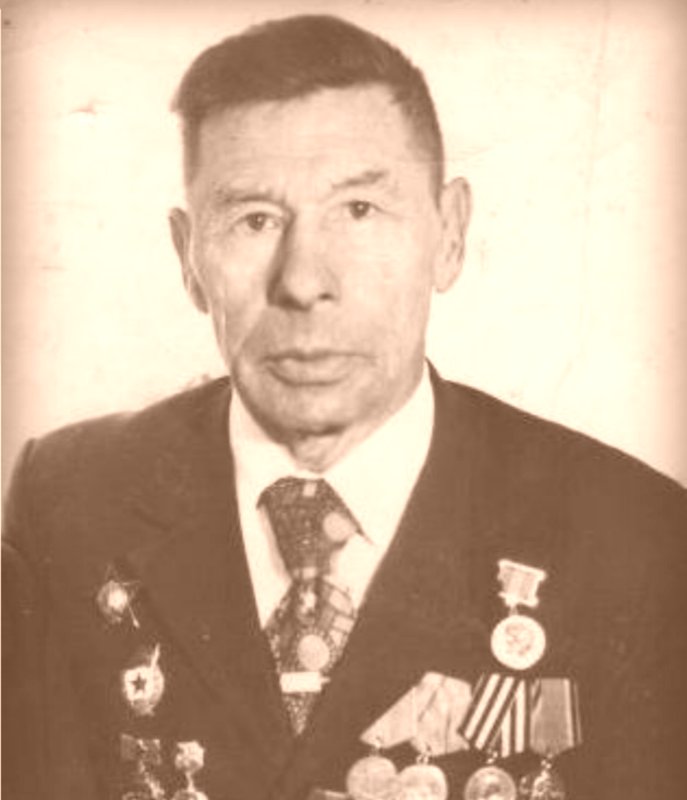
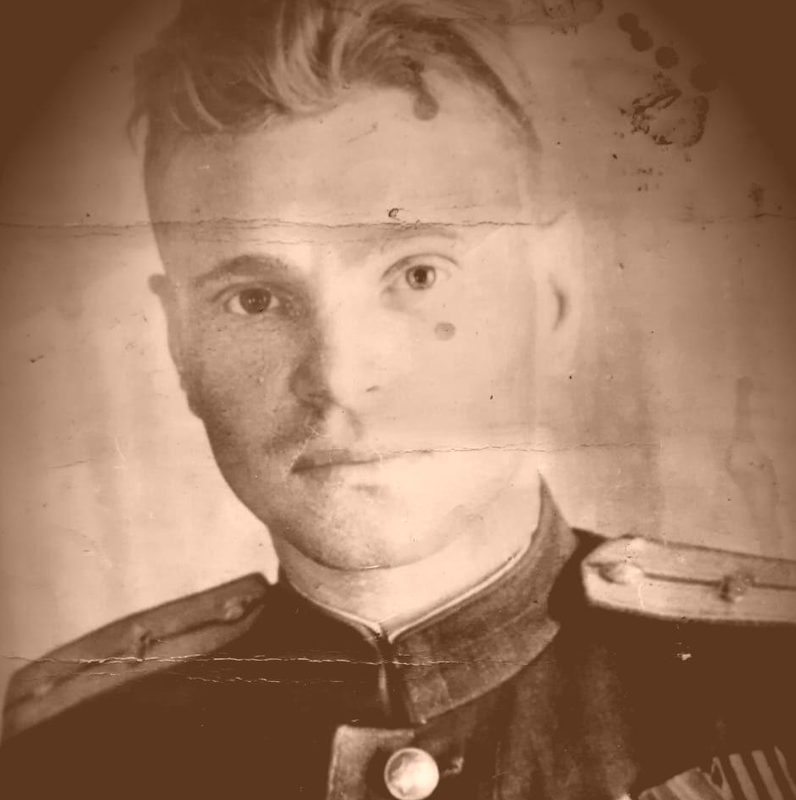
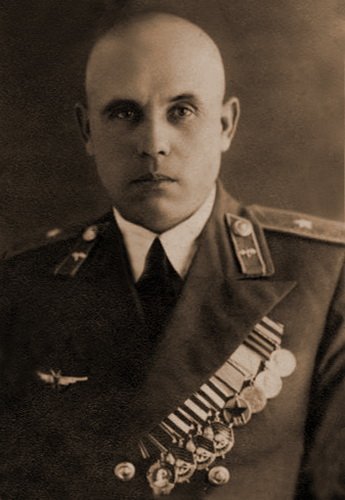
Starostenkov Ivan Karpovich
Rank: Major General of Aviation _x000D_
Branch of troops: Aviation _x000D_
Ivan Karpovich Starostenkov (01/29/1900 - 08/07/1975) is a Soviet military leader, Major General of Aviation. _x000D_
The biography of Ivan Karpovich starts at the beginning of the 20th century, he was born in the small village of Vydritsa, Mstislavsky district, Mogilev province. Coming from a simple peasant family, his father Starostenkov Karp Kireevich, mother Glafira Yakovlevna. In June 1919, he was drafted by the Khislavichsky Commissariat of the Smolensk Region into the ranks of the Workers 'and Peasants' Red Army. During the Civil War, he fought on the Eastern Front, a Red Army Soldier of a stage company of the 49th stage Battalion, and in December 1920 he was appointed assistant platoon Commander of the 46th Rifle Regiment. In May 1921, he was appointed Commander of an administrative platoon of a training and personnel sapper company stationed in Mtsensk. From December of the same year, he consistently studied at the Military Railway School, from December 1922 he was at the Yegoryevsk Theoretical Aviation School, from March 1924 he was at the 2nd Borisoglebsk Military Pilot School, and from June 1926 he was at the Shooting and Bombing School, stationed in Serpukhov. _x000D_
After graduation in February 1929, he was appointed to the position of a Junior Pilot of the 16th Reconnaissance Air Squadron, in October was transferred to the position of Flight Commander of the 15th fighter Air Squadron, in February 1933 occupied to the position of detachment Commander of the 7th cruising Air Squadron, and in February 1937 he was the Commander of the 1st Fighter Squadron. In June 1938, Starostenkov was appointed Commander of the 6th Fighter Squadron of Special Aviation, in June 1939—as Commander of the 36th Aviation Regiment (36th Aviation Division), and in January 1941—as Commander of 27 1st Fighter Aviation Division (Transcaucasian Military District). _x000D_
With the outbreak of the war, Starostenkov was in his former position. The Division under his command covered the facilities of Baku and the oil-bearing area within the boundaries of the 3rd Air Defense Corps. With the transformation of the Division into the 8th Air Defense Corps by July, Starostenkov was appointed Commander of the 66th Fighter Aviation Division on July 9, which in August was included in the Southern Front. In November 1941, he was appointed Commander of the 144th Air Defense Fighter Aviation Division, formed in Rasskazovo, after graduation from which, by November 20, the management and part of the division were relocated to the Saratov Air Center, where they were included in the Saratov-Balashov Air Defense Divisional District. _x000D_
The division performed the combat missions of air defense of industrial facilities in Saratov and Balashov, railway bridges across the Volga at Saratov and through Khoper at Balashov, railway junctions and sections of the railway within the boundaries of the divisional air defense area, and also escorted especially important aircraft. _x000D_
In March 1943, Starostenkov was appointed Commander of the 148th Air Defense Fighter Aviation Division, which, as part of the Cherepovets-Vologda Air Defense Divisional Area, defended the cities and railway junctions of Cherepovets, Vologda, Kadui, Babaevo and Efimovskaya, and the Bolshoy Dvor railway stations from air attacks. , Lezha, Nyandoma and Gryazovets and objects of railway communications, and since May 1943, after opening the Sheksna and Sukhona rivers, as well as channels for navigation, additional combat missions of the Division were to cover ships in the water section Myaksa - Cherepovets - Sheksna - Kirillov - Kubenskoe Lake - Sokol - Shuiskoe - Selische - Totma. In July 1943, the Division was included in the Air Force of the Western Front of the Air Defense. In August 1943, Colonel Starostenkov Ivan Karpovich was awarded the Order of the Red Banner, the award list says: “Disciplined, demanding of himself and his subordinates, a Commander with organizational skills. _x000D_
On October 10, 1942, during an enemy air attack on the city of Grozny, being the duty officer at the command depot, he promptly raised fighters to repel a raid and skillfully directed the attack of fighters on enemy aircraft, as a result of which there were 22 enemy aircraft in air battles. In November of the same year, the Division's Command was redeployed to Kursk, where it was included in the 9th Voronezh Fighter Air Defense Corps, after which the Division performed the combat missions of air cover for the railway junctions of Bakhmach, Konotop, Belopole, Lgov, Kursk, Voronezh and Liski. railway bridges across the Don in the Liski Region. _x000D_
In July 1944, Starostenkov was appointed Commander of the 8th Air Defense Fighter Aviation Corps, which was part of the Air Force of the Transcaucasian Air Defense Front and performed air defense missions within the borders of the Baku Air Defense Army. In the combat characteristics, it was noted: “... flies on all modern aircraft, both domestic and foreign brands. The flying technique is good. He understands quickly combat situations and makes the right decisions. Under the command of I. K. Starostenkov building for 1943-44 received and overtaken more than 1000 aircraft of foreign brands, which were also ferried from Iran to the USSR for the units of the Red Army Air Defense Agency. _x000D_
In August 1944 he was awarded the second Order of the Red Banner. After the end of the war, Starostenkov continued to command the corps, which was transformed into the Baku Air Defense Aviation Corps. In March 1950, he was appointed head of the combat training Department of higher educational institutions of the Air Force of the South Ural Military District, and in February 1952, he was appointed Deputy head of the Flight Service and Air Law Directorate of the Air Force General Staff. Major General Ivan Karpovich Starostenkov in June 1953 went into the reserve. He passed away on August 7, 1975 in Moscow. Awards: Order of Lenin; Four Orders of the Red Banner; medals.