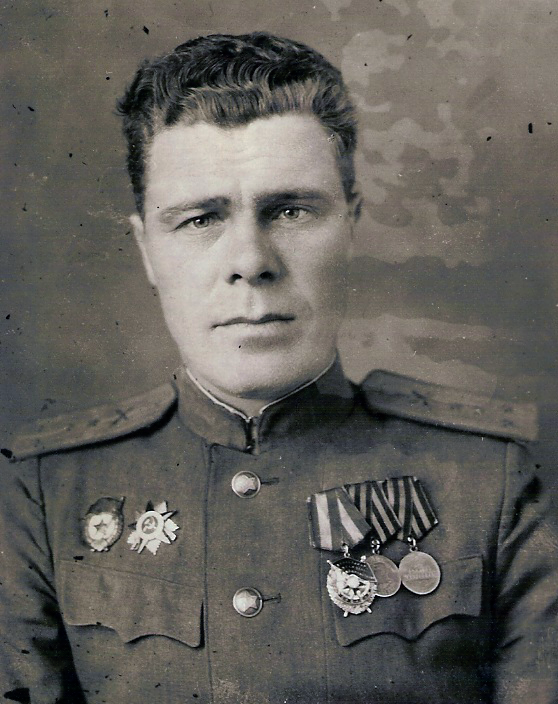
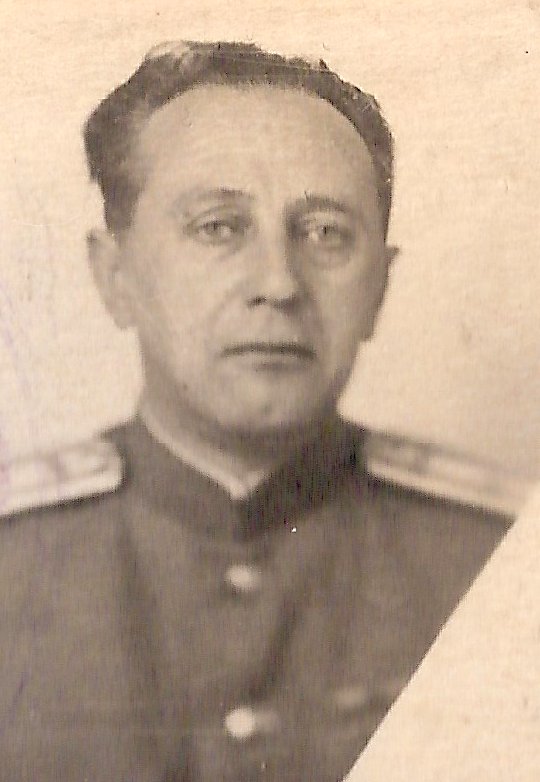
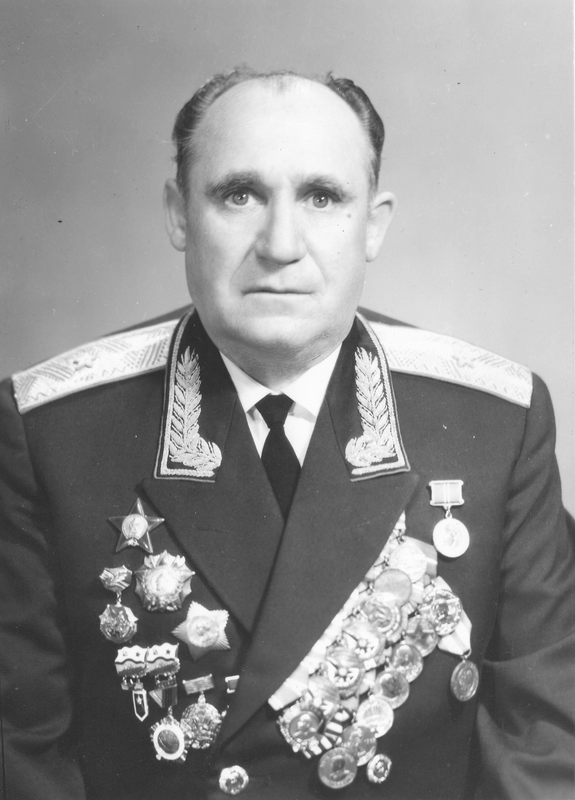
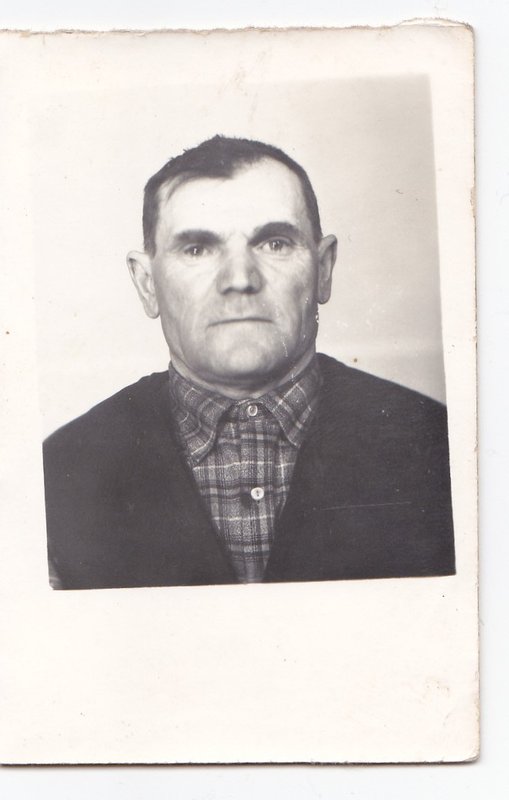
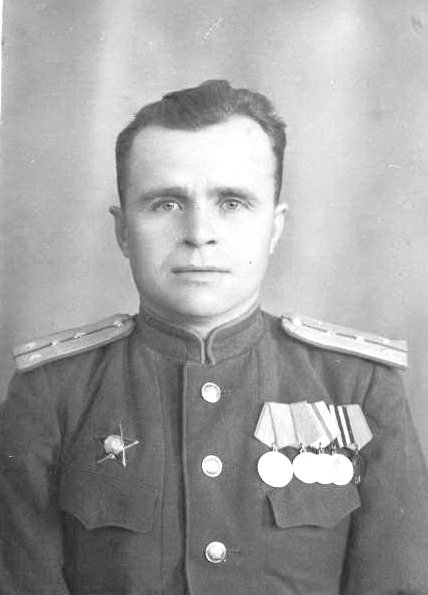
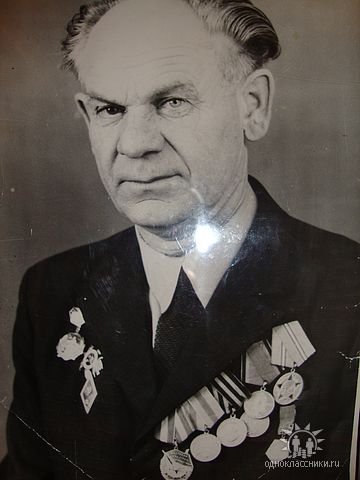
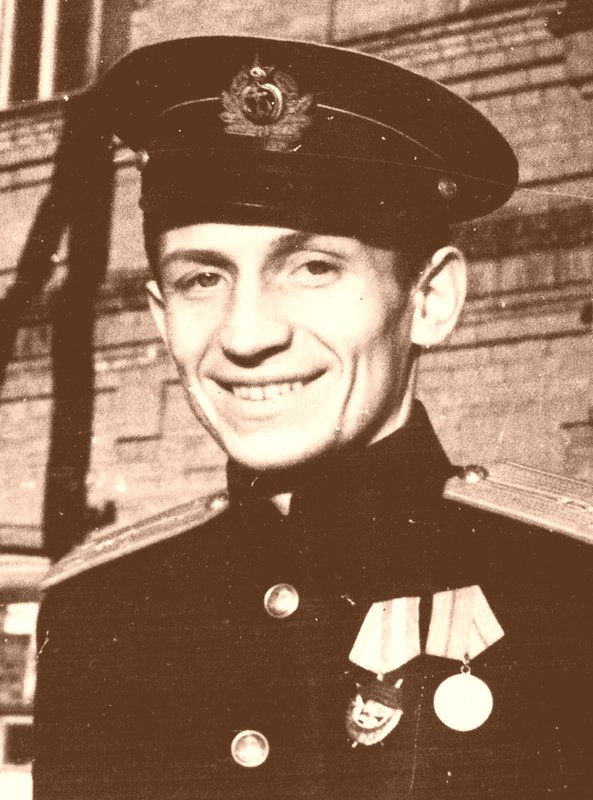
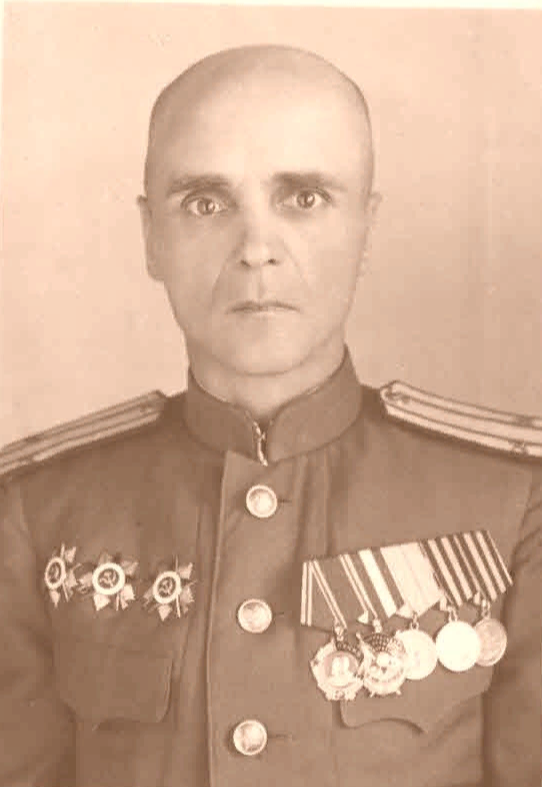
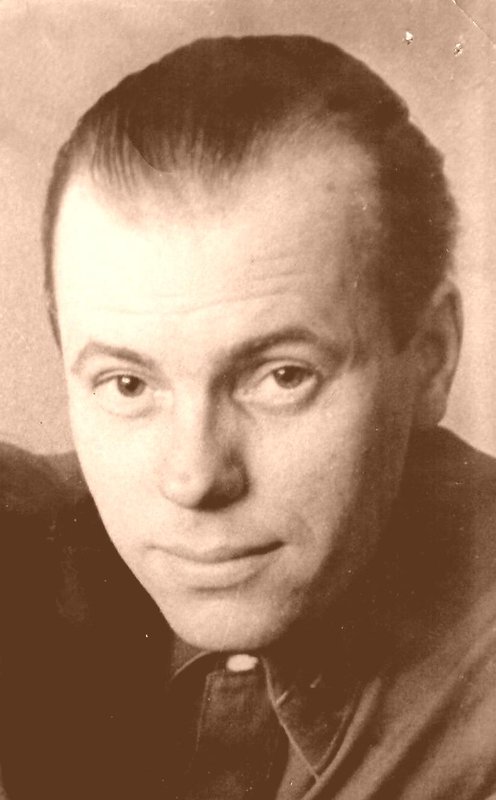
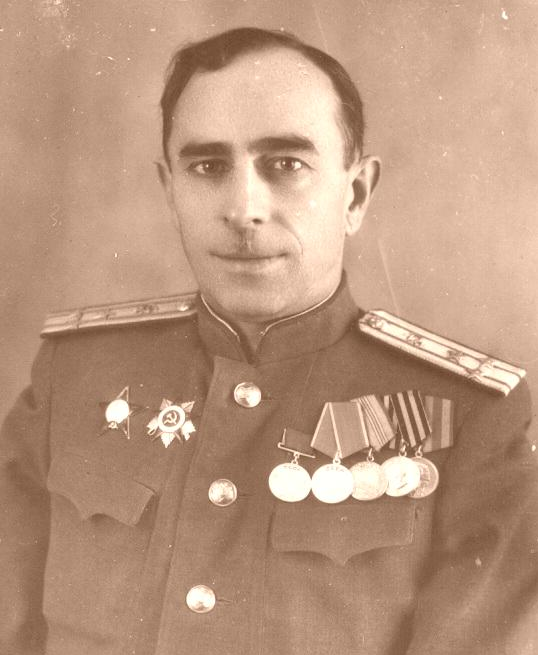
Polovenko Pavel Dmitrievich
Full name: LAST name: Polovenko FIRST name: Pavel PATRONYMIC: Dmitrievich CITY: Village of Petrovo (stanitsa Oblivskaya), oblivsky district, Rostov region DATE of BIRTH: 22.07.1914 DATE of DEATH:26.06.1995 HISTORY: Pavel Polovenko. Born on 22.07.1914 in the village of Petrovo (village Oblivskaya) Oblivsky district, Rostov region. Since 1922, the family moved to the city of Krasny Luch. His childhood and early years were spent here. In 1929, he graduated from 7 classes. In 1931-1932 he graduated from the FZO school. After graduation, he worked at the 7/8 "Karl" mine as a telephone foreman. In 1936, he was called up for active military service by the Krasnoluchsky city military Commissariat. He graduated from the regimental school of Junior commanders, served in the border troops for the protection of the State border. In 1937, while on duty, guarding the State border with the red army soldier Nikolay Filipov, they detained a border trespasser, thanks to their vigilance, a network of spies was exposed, for which they were awarded a month's leave. In connection with the Polish-Finnish events in February 1939 GVK Krasnyi Luch, Ukrainian SSR, Voroshilovgrad oblast, the city of Krasny Luch drafted into the army and sent to the city of Lugansk, 144 howitzer artillery regiment, 80th infantry division order of Lenin imeni Proletariat Donbass, platoon commander liaison offices. In September 1939, he liberated Western Ukraine and Belarus beyond Lviv. In January 1940, he participated in the battles with the white Finns on the Karelian isthmus. Smashed and destroyed the line. In July 1940, he participated in the liberation of Bessarabia. In all these operations, he was a Junior commander of the 152 mm artillery howitzer battery, and a communications commander of the battery. In July 1940, he was discharged. When he returned, he entered the Stalinsky stope mine. On June 22, 1941, the Great Patriotic war began. Upon mobilization of the Krasnoluch city military Commissariat, he was drafted into the active army and sent to the Kharkiv military political school. He graduated from the Kharkiv military political school and was a Commissar of the battery of a separate artillery division of the 133rd rifle brigade. Upon mobilization of the Krasnoluch city military Commissariat, Pavel Dmitrievich was drafted into the active army and sent to the Kharkiv military political school. After graduation, Pavel Dmitrievich was awarded the title of political instructor, and he was sent to the North-Western front in the 133rd separate artillery brigade as the commander of a fire platoon. In March 1943, the 133rd separate artillery brigade was transferred to the Central front. From August 1943 to August 1944, he was a cadet in the battery commanders ' course. From August 1944 to may 1945, the 2nd Belorussian front (32 cavalry division of the 3rd guards corps, battery commander). He fought on the Kursk bulge. He liberated Belarus, Poland, and participated in the storming of Konigsberg. After the war, he commanded a regimental artillery school. In August 1945, Pavel Dmitrievich was appointed head of the regimental school in the city of Izyaslav (Transcarpathian military district), and in July 1946 was demobilized. About how he fought Paul D., say military awards, which he was awarded the order "red banner", order of "Patriotic war of I and II degree", the order "red Star", medals "For military merit", "For capture of Koenigsberg" and others. After demobilization, Pavel Dmitrievich returned to his hometown, where he worked in the national economy from 1946 to 1970. He worked as a Director of the mining school at the 5-bis mine, and as a Deputy Director of the elizavetovskaya mine Department No. 13. He worked at the 7/8 mine (Khrustalskaya), where he devoted a lot of effort and energy to the training of miners. While in reserve, as a member of the facilitation Committee of officers GVK took part in military-Patriotic education of youth to prepare her for service in the army. After retiring, Pavel Dmitrievich lived a busy life in working groups, among which he was an active member of the city Council of veterans. He was received everywhere with respect and listened to with attention. He was an exemplary family man.