Back to
album
album

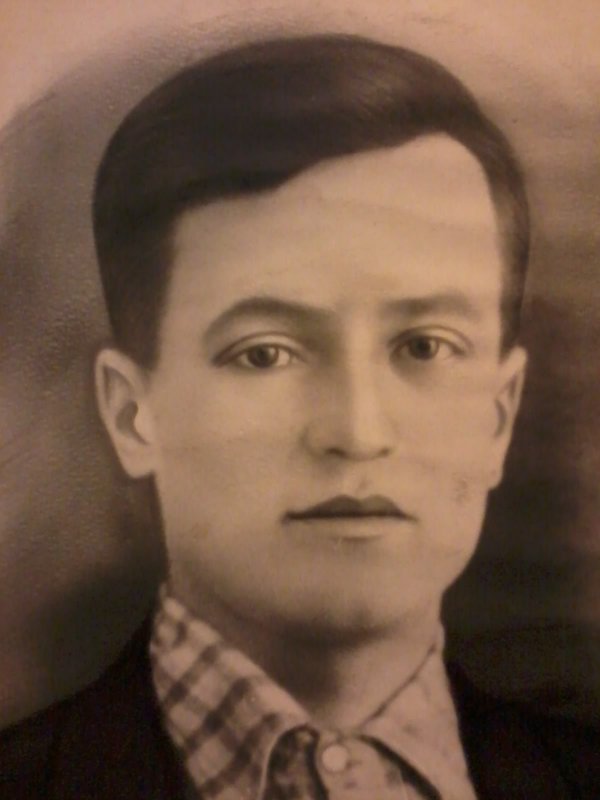
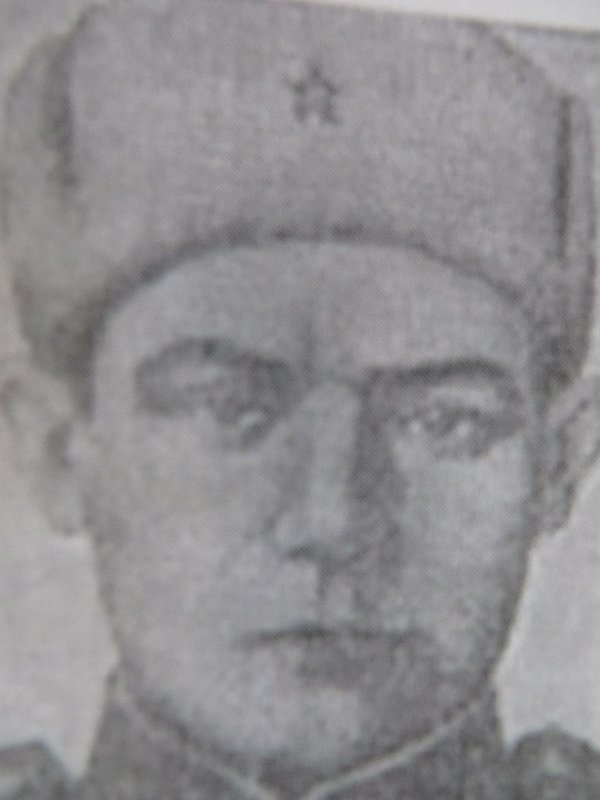
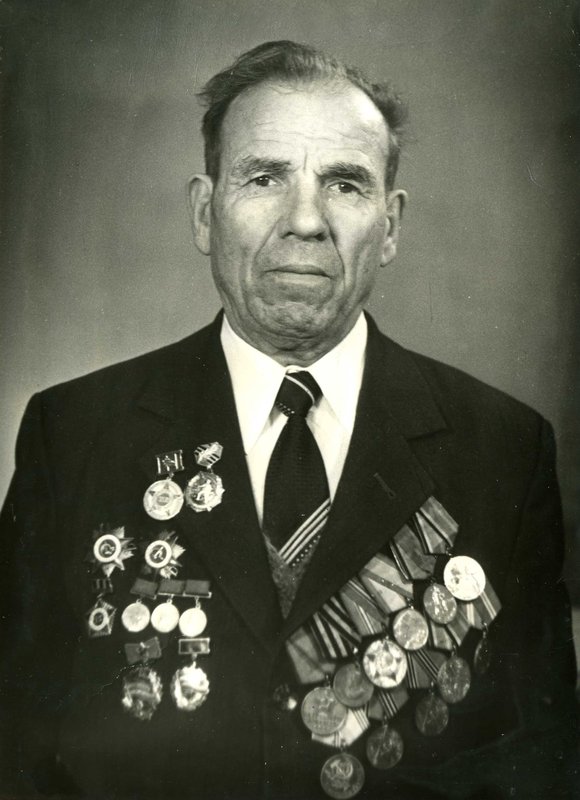
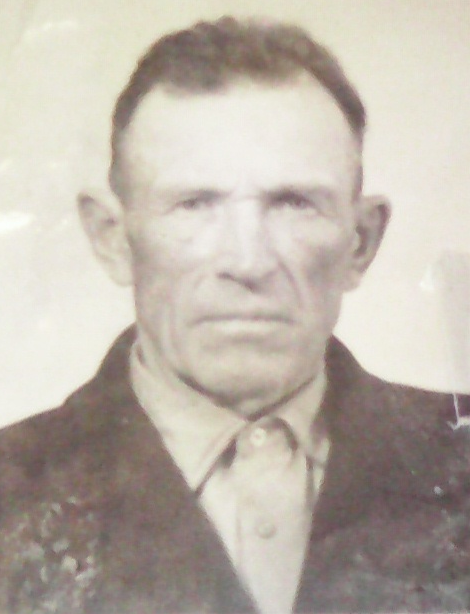


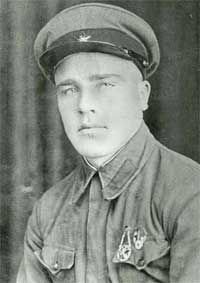

Zasorin Nikolai Fyodorovich
While carrying out research work on compiling the family lineage, I learned that my great-grandfather on my mother's lineage, Nikolai Zasorin, was a participant of the Great Patriotic War. I learned from my grandmother's stories that Nikolai Fyodorovich, like many fellow villagers, was drafted into the Red Army during the first days of the war at the age of 26 by the Kulebak RVC of Gorky region. My great-grandfather, Nikolai Fyodorovich Zasorin, had passed a glorious battle way, from an ordinary soldier to a Junior Lieutenant. The war separated him from his home and family for six long years. My great-grandfather went through the whole war, was twice wounded, welcomed the Victory Day, came home from the war with awards. But I wanted to know more about the heroic deeds of soldier Nikolai Fyodorovich Zasorin. Already in June 1941, Nikolai Fyodorovich was a member of 501 motorized rifle regiment of the Western Front, which was hastily formed to be sent to the front. In the second month of the war, the regiment was already on the front line of the battles near Smolensk. In fierce battles near the walls of the ancient city began one of the largest battles of the war, which lasted two months. In one of the battles on August 16, 1941, my great-grandfather was seriously wounded in the left foot in hand-to-hand combat. In autumn 1941, the division stood west of town Ostashkov, where it held the defense between Lake Seliger and the Volga. After being wounded, my great-grandfather got back into formation and already on January 11, 1942 in the battles near Ostashkovo,taking part in the breakthrough of the heavily fortified enemy defense, he destroyed 8 German soldiers with grenades. In 1942, three fronts were formed: Belarusian, Ukrainian and Stalingrad. My great-grandfather was sent to the Ukrainian front, to the 78th Infantry Division. On July 5, the division withdrew by echelons to the front, unloaded at Staritsa station near Kalinin and headed in camping columns to the border Ostashkov-Selizharovo. In one of the battles Nikolai Fedorovich was seriously wounded in the back and skull. I read this record in his military ticket. In February 1943, the 458th rifle regiment, in cooperation with units of the 33rd rifle corps (commander - General I.I. Semenov), captured the city of Lisichansk. Nikolai Fyodorovich walked thousands of miles along the military roads: Hungary, Czechoslovakia, Germany. From 16-20 April 1944, in battles near the village of Berliesti (Hungary), leading a platoon of 78tth rifle division of Zaporozhye Division, repulsed the enemy counterattack. According to the documents, our great-grandfather was awarded the Order of the Red Star for his courage. In the award sheet I read a brief statement of his personal combat feat: "For exemplary performance of combat missions and command at the front in the fight against the German invaders.” November 21, 1944 in the offensive battle for the village of Chaba (Hungary), he skillfully led a company, not only repulsed three counterattacks of the enemy, but also killed more than 20 fascists and captured five. The homeland praised the heroic deed of the soldier, awarding him the Order of Patriotic War of the second degree. Soon the 78th Division entered Czechoslovakia, liberating cities and villages. In the battle for the capture of Miskolc (Czechoslovakia) my grandfather was wounded in the left leg. After the hospital, he returned to the front line, freeing Europe from fascist invaders. He welcomed the Victory Day in Germany, in Dresden. However, the military service did not end for him. As an experienced officer, he was sent to Barnaul by a military instructor to train young recruits. Nikolai Fedorovich returned home only in 1947, where his family was waiting for him. In 1985, in honor of the 40th anniversary of theVictory, he was awarded the Order of Patriotic War, 1st degree. My great-grandfather was also awarded jubilee awards.
Zasorin Nikolai Fyodorovich
While carrying out research work on compiling the family lineage, I learned that my great-grandfather on my mother's lineage, Nikolai Zasorin, was a participant of the Great Patriotic War. I learned from my grandmother's stories that Nikolai Fyodorovich, like many fellow villagers, was drafted into the Red Army during the first days of the war at the age of 26 by the Kulebak RVC of Gorky region. My great-grandfather, Nikolai Fyodorovich Zasorin, had passed a glorious battle way, from an ordinary soldier to a Junior Lieutenant. The war separated him from his home and family for six long years. My great-grandfather went through the whole war, was twice wounded, welcomed the Victory Day, came home from the war with awards. But I wanted to know more about the heroic deeds of soldier Nikolai Fyodorovich Zasorin. Already in June 1941, Nikolai Fyodorovich was a member of 501 motorized rifle regiment of the Western Front, which was hastily formed to be sent to the front. In the second month of the war, the regiment was already on the front line of the battles near Smolensk. In fierce battles near the walls of the ancient city began one of the largest battles of the war, which lasted two months. In one of the battles on August 16, 1941, my great-grandfather was seriously wounded in the left foot in hand-to-hand combat. In autumn 1941, the division stood west of town Ostashkov, where it held the defense between Lake Seliger and the Volga. After being wounded, my great-grandfather got back into formation and already on January 11, 1942 in the battles near Ostashkovo,taking part in the breakthrough of the heavily fortified enemy defense, he destroyed 8 German soldiers with grenades. In 1942, three fronts were formed: Belarusian, Ukrainian and Stalingrad. My great-grandfather was sent to the Ukrainian front, to the 78th Infantry Division. On July 5, the division withdrew by echelons to the front, unloaded at Staritsa station near Kalinin and headed in camping columns to the border Ostashkov-Selizharovo. In one of the battles Nikolai Fedorovich was seriously wounded in the back and skull. I read this record in his military ticket. In February 1943, the 458th rifle regiment, in cooperation with units of the 33rd rifle corps (commander - General I.I. Semenov), captured the city of Lisichansk. Nikolai Fyodorovich walked thousands of miles along the military roads: Hungary, Czechoslovakia, Germany. From 16-20 April 1944, in battles near the village of Berliesti (Hungary), leading a platoon of 78tth rifle division of Zaporozhye Division, repulsed the enemy counterattack. According to the documents, our great-grandfather was awarded the Order of the Red Star for his courage. In the award sheet I read a brief statement of his personal combat feat: "For exemplary performance of combat missions and command at the front in the fight against the German invaders.” November 21, 1944 in the offensive battle for the village of Chaba (Hungary), he skillfully led a company, not only repulsed three counterattacks of the enemy, but also killed more than 20 fascists and captured five. The homeland praised the heroic deed of the soldier, awarding him the Order of Patriotic War of the second degree. Soon the 78th Division entered Czechoslovakia, liberating cities and villages. In the battle for the capture of Miskolc (Czechoslovakia) my grandfather was wounded in the left leg. After the hospital, he returned to the front line, freeing Europe from fascist invaders. He welcomed the Victory Day in Germany, in Dresden. However, the military service did not end for him. As an experienced officer, he was sent to Barnaul by a military instructor to train young recruits. Nikolai Fedorovich returned home only in 1947, where his family was waiting for him. In 1985, in honor of the 40th anniversary of theVictory, he was awarded the Order of Patriotic War, 1st degree. My great-grandfather was also awarded jubilee awards.
0 comment




2026 © Russian Military Historical Society Developed by Jetmix