Back to
album
album
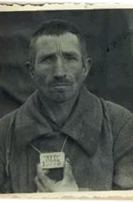
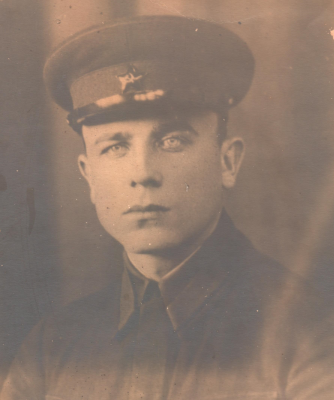
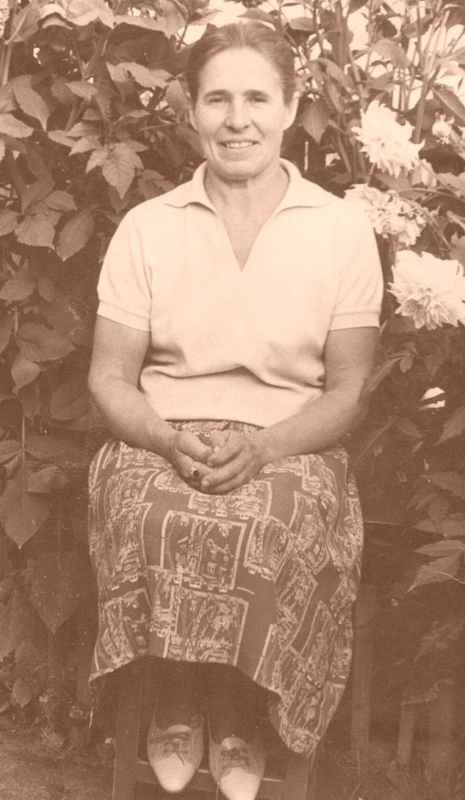
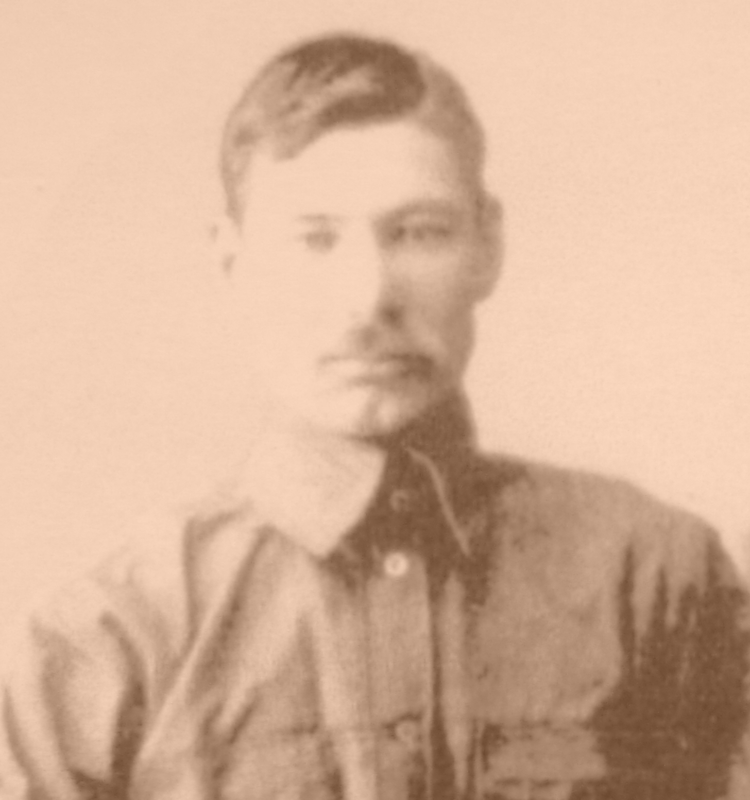
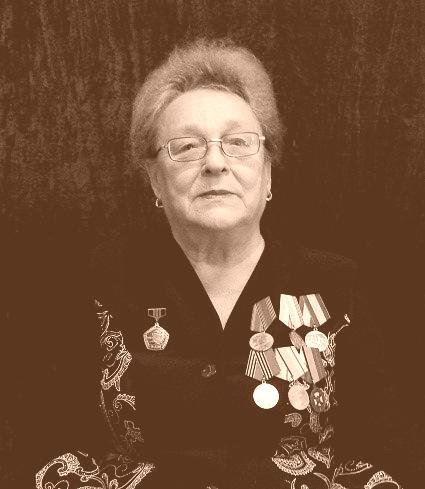
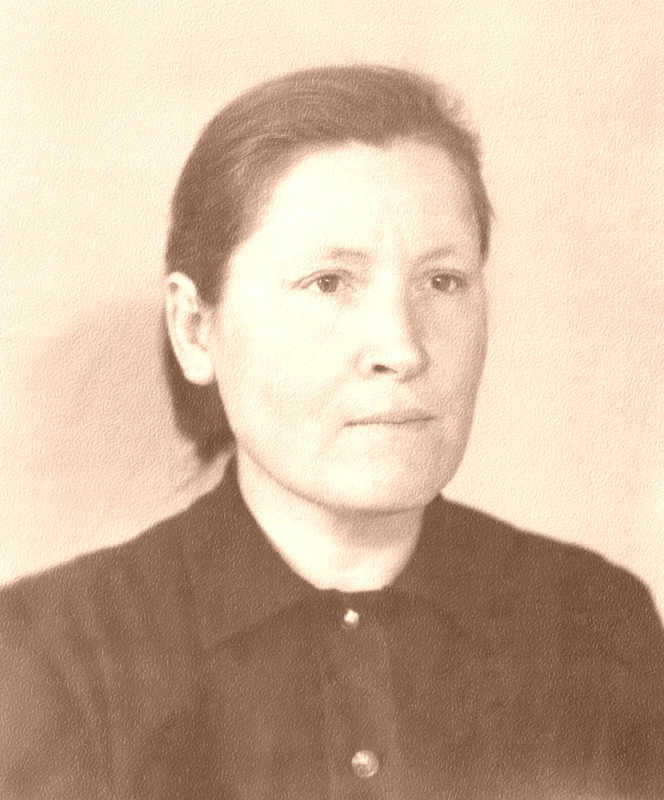
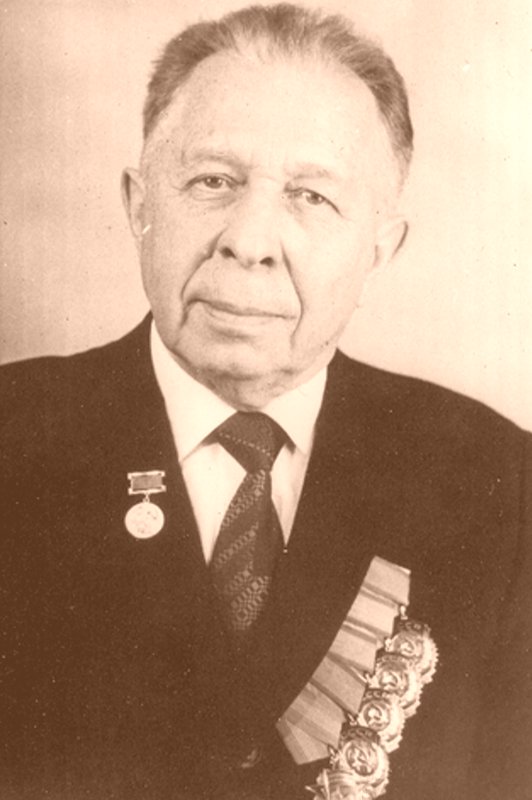
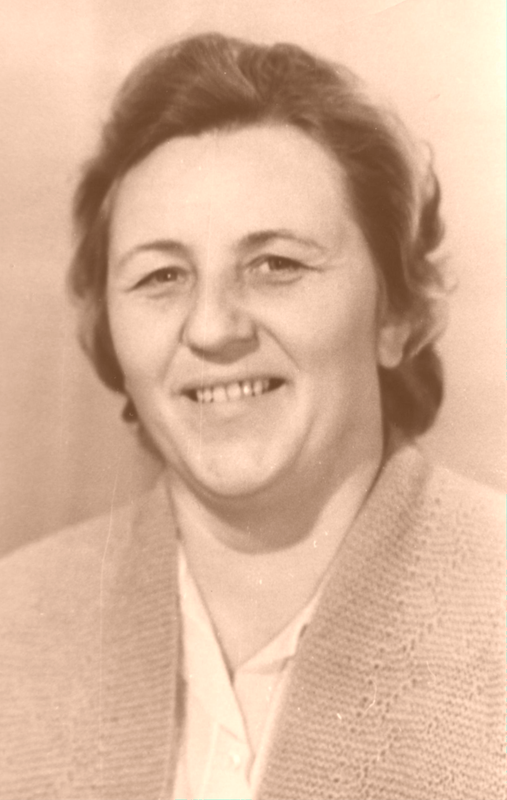
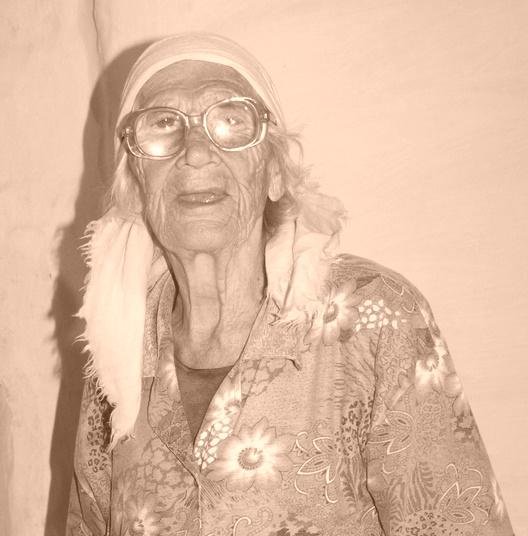
Sevastyanov Pakhom Ilyich
Pakhom Ilyich was called into the army on the second recruitment in October 1914, then the recruits were gathered in the city of Belebey, they were trained for 3 months of combat training, taught to walk in formation, distinguish between junior and senior officers, taught to handle a rifle, machine gun and other soldier skills ... From the memoirs of Pakhom Ilyich: “On February 10, 1915, I was already at the front in the 224th Yukhnov regiment of the 1st company, our regiment was commanded by Colonel Raksimovich, and the battalion, Lieutenant Colonel Whatman, a German, is a very good man, since he repeatedly saved the battalion from death. The half-company was always on reconnaissance. We had few machine guns, no more than four, there was not enough artillery equipment either, so when we went on the offensive, the Germans did not allow us to move forward. " Further, he writes that they were taken to the city of Kovno (Kaunas), a fortress in Lithuania, a few days later they were transferred to Riga on the coast, and then under the city of Shauliai, this is how our army went inland from the Masurian swamps on the offensive “On the approaches to the city there were strengthening wire fences 10 meters, so we stopped. The left flank broke through the German defenses and we rushed into the breakthrough and reached the city of Siauliai and beyond. In this battle on my account was one, I took two prisoners. Outside the city began a mountainous and forested area. The offensive stopped. In the evening, the kitchen came and fed. We heard that there was a strong cannonade on the left flank. Whatman knew that the units were defeated, the Germans broke through the front and we were surrounded. The commander and Whatman himself were killed, 10 people remained from the battalion, hiding in the forest we ate berries, and a few days later we were caught. Our captivity took place under heavy machine-gun fire and surrounded by cavalry detachments, about 2 thousand people gathered along the entire front, in captivity I met my half-company second lieutenant Shipovich. " In the spring of 1916, Pakhom Ilyich found himself in East Prussia in the village of Branny, and he and several other soldiers were handed out as farm workers. We worked during the day, and at night we were taken to the camp. The Germans fed the captives so poorly, that many fell from powerlessness, those who could bring, if possible, bread to the camp, thus feeding their weak brothers. A year later, Pakhom Ilyich was transferred to another owner. At the new owner, he performed all types of agricultural work. Sometimes the owner asked to leave the captive workers for the night in order to continue the working day, then he stayed overnight in a stone shed, where they hid food and dug for escape. “That night, the three of us fled, not reaching the border, three days later we were found in the cemetery by local residents, the soldiers of the commandant's office arrested us, then interrogations, beatings, shackles, a transit prison. And so three times escape, arrest, beatings, chains, prison, return to work, until the autumn of 1918. "
Sevastyanov Pakhom Ilyich
Pakhom Ilyich was called into the army on the second recruitment in October 1914, then the recruits were gathered in the city of Belebey, they were trained for 3 months of combat training, taught to walk in formation, distinguish between junior and senior officers, taught to handle a rifle, machine gun and other soldier skills ... From the memoirs of Pakhom Ilyich: “On February 10, 1915, I was already at the front in the 224th Yukhnov regiment of the 1st company, our regiment was commanded by Colonel Raksimovich, and the battalion, Lieutenant Colonel Whatman, a German, is a very good man, since he repeatedly saved the battalion from death. The half-company was always on reconnaissance. We had few machine guns, no more than four, there was not enough artillery equipment either, so when we went on the offensive, the Germans did not allow us to move forward. " Further, he writes that they were taken to the city of Kovno (Kaunas), a fortress in Lithuania, a few days later they were transferred to Riga on the coast, and then under the city of Shauliai, this is how our army went inland from the Masurian swamps on the offensive “On the approaches to the city there were strengthening wire fences 10 meters, so we stopped. The left flank broke through the German defenses and we rushed into the breakthrough and reached the city of Siauliai and beyond. In this battle on my account was one, I took two prisoners. Outside the city began a mountainous and forested area. The offensive stopped. In the evening, the kitchen came and fed. We heard that there was a strong cannonade on the left flank. Whatman knew that the units were defeated, the Germans broke through the front and we were surrounded. The commander and Whatman himself were killed, 10 people remained from the battalion, hiding in the forest we ate berries, and a few days later we were caught. Our captivity took place under heavy machine-gun fire and surrounded by cavalry detachments, about 2 thousand people gathered along the entire front, in captivity I met my half-company second lieutenant Shipovich. " In the spring of 1916, Pakhom Ilyich found himself in East Prussia in the village of Branny, and he and several other soldiers were handed out as farm workers. We worked during the day, and at night we were taken to the camp. The Germans fed the captives so poorly, that many fell from powerlessness, those who could bring, if possible, bread to the camp, thus feeding their weak brothers. A year later, Pakhom Ilyich was transferred to another owner. At the new owner, he performed all types of agricultural work. Sometimes the owner asked to leave the captive workers for the night in order to continue the working day, then he stayed overnight in a stone shed, where they hid food and dug for escape. “That night, the three of us fled, not reaching the border, three days later we were found in the cemetery by local residents, the soldiers of the commandant's office arrested us, then interrogations, beatings, shackles, a transit prison. And so three times escape, arrest, beatings, chains, prison, return to work, until the autumn of 1918. "
0 comment



2026 © Russian Military Historical Society Developed by Jetmix