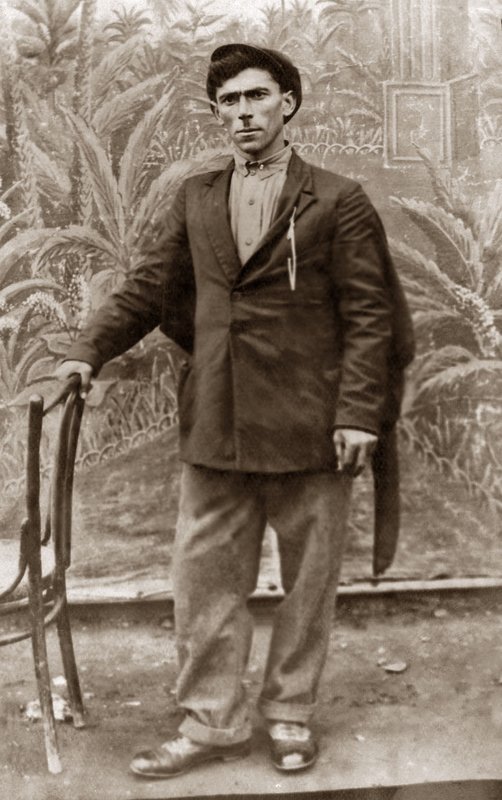
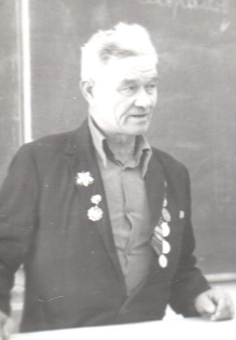
Karakyan Armenak Krikorovich
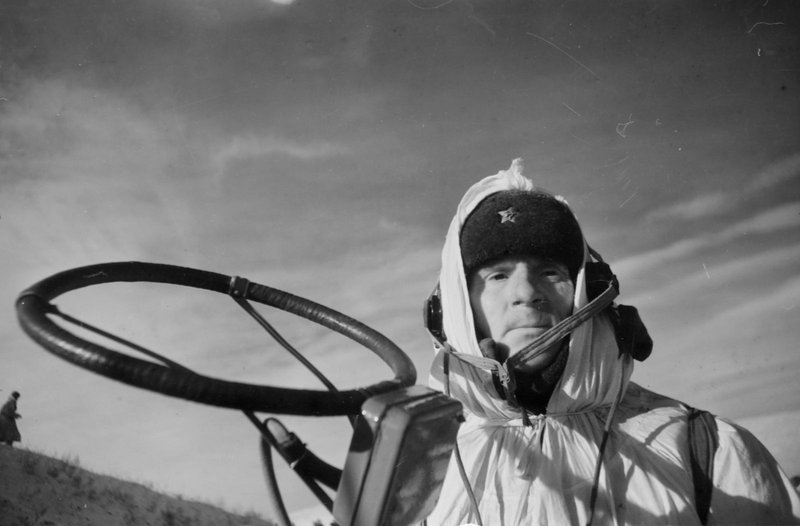
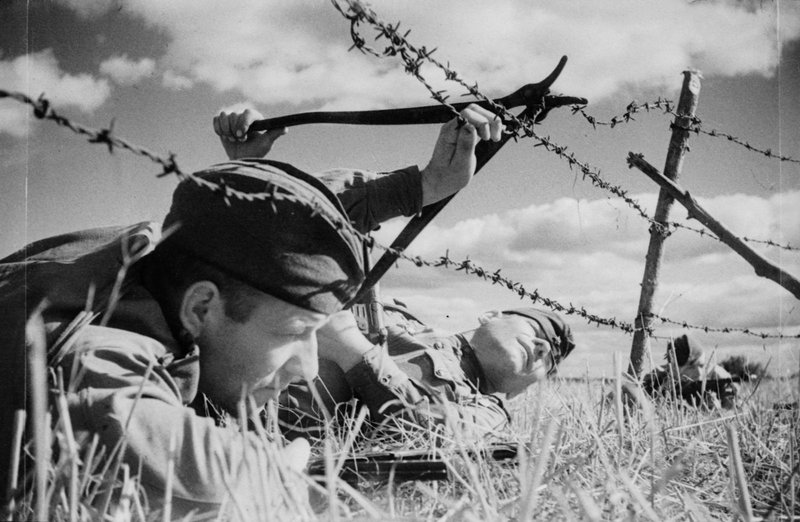
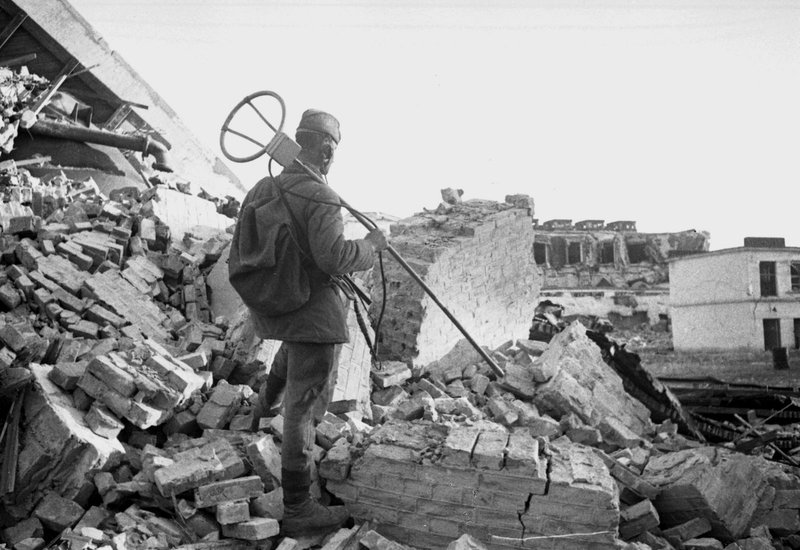
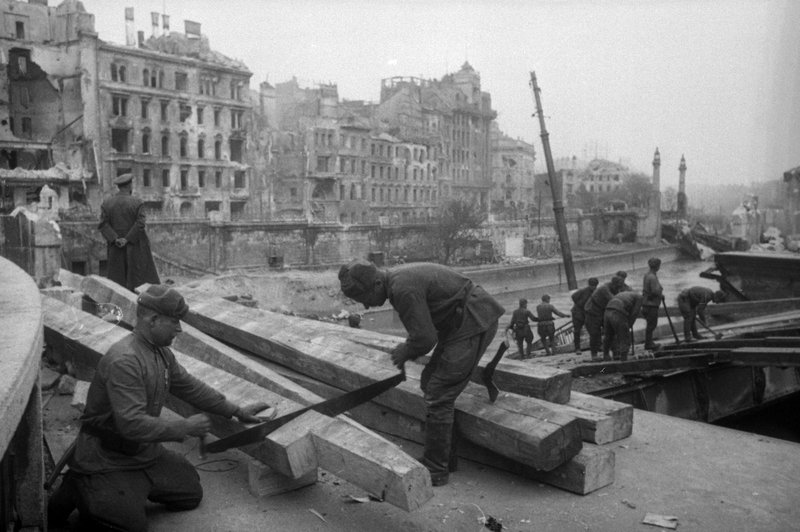
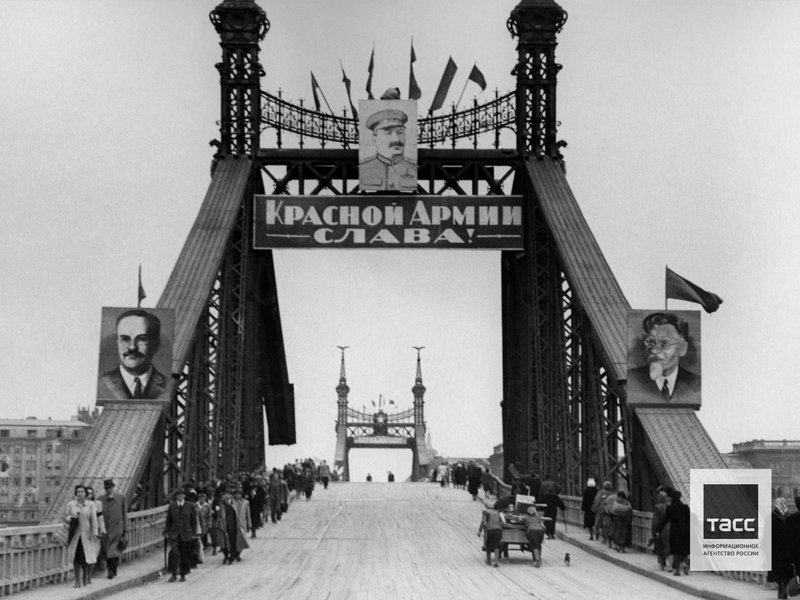
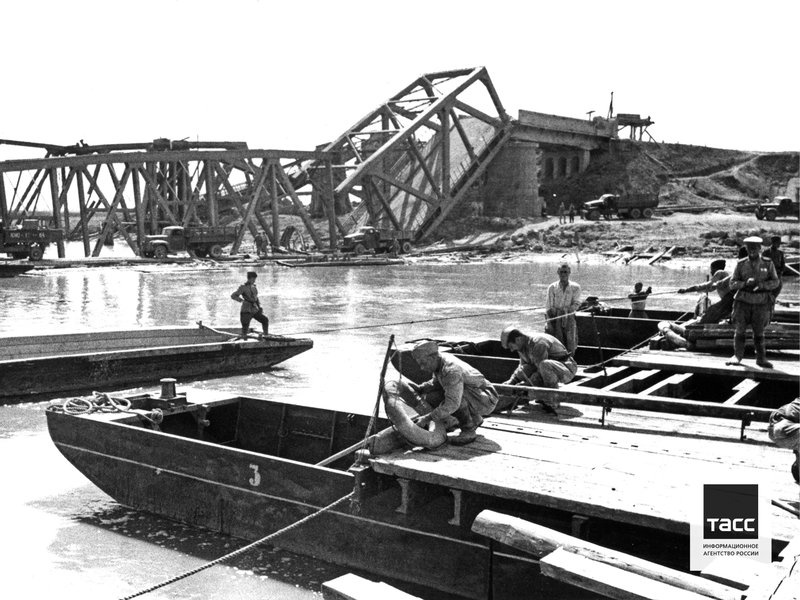
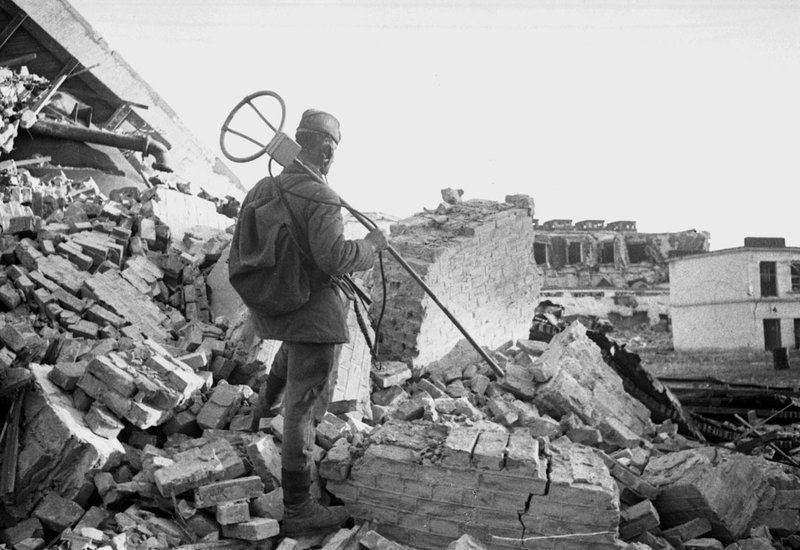
Type of troops: Engineering troops. My grandfather Karakyan Armenak Krikorovich (Grigorievich) was born in 1907. On August 20, 1941 he was mobilized by the Absheron RVC of Krasnodar region. He took part in combat battles as part of the 66th Army Allied Army, 432 Ordnance Disposal Squadron (Independent Engineer Battalion), a sapper. On September 30, 1942, the Army was incorporated into the Stalingrad Front (from September 30, 1942 - the Don Front), and as part of the front, the Army took part in the Battle of Stalingrad (July 17, 1942 - February 02, 1943). ) In September-October 1942, in cooperation with the 24th and 1st Guards Armies, the Army repeatedly launched a counteroffensive to defeat the enemy that broke through to the Volga north of Stalingrad. In cooperation with other frontline troops, the army forged a large part of the 6th German Army, and thus weakened its strike force, which was attacking directly at Stalingrad. During the counteroffensive at Stalingrad, the 66th Army actively prevented enemy troops from moving towards the direction of the main strike of the Don front. On November 24, 1942 a part of the forces went on the offensive and near the village of Rynok joined the 62nd Army of the Stalingrad Front, closing the inner front of the Stalingrad group of German troops. In January-February 1943, it participated in the liquidation of the encircled group. My grandfather, Red Army sapper Karakyanak Armenak Krikorovich (Grigorievich), fought in the 3rd company of the 432rd BIB. For performing a special combat mission from 08.01.1943 to 10.01.1943, he was awarded the Medal "For Combat Services. After the end of the Battle of Stalingrad, from February 6, 1943, the 66th Army was part of the group of troops commanded by Lieutenant General K.P. Trubnikov (from February 27 - the Stalingrad Group of Forces), the reserve rate of the All-Russian Military Command. On the basis of the directive of the Supreme Command Rate of 16.04.1943, by transforming the 66th Army in the Steppe Military District on 05.05.1943 the 5th Guards Army was created. Order of the Supreme Command Rates: from 24.00 hours on July 9, 1943, the Steppe Military District was renamed the Steppe Front. To include into the Steppe Front the 5th Guards Army, the 27th Army with the 4th GV Tank Corps, the 53rd Army with the 1st Mechanical Corps, the 47th Army with the 3rd Mechanical Corps, and the 4th Army with the 3rd Guard Tank Corps, 52nd Army, 5th Guard Tank Army, 3rd, 5th, 7th Guards Cavalry Corps, 5th Air Army, all reinforcements and rear parts and institutions of the Steppe District. The 5th Guards Army took part in the Battle of Kursk, in the Belgorod-Kharkov Strategic Offensive Operation "Rumyantsev" and in the Battle of the Dnieper. Initially, the front troops were deployed in reserve behind the Central and Voronezh fronts. The front had a goal: in the event of an enemy breakthrough, to stop their offensive at the occupied line. On the night of July 11, 1943, during the defensive battle near Kursk, the army units took up the defense on the river Psel at the boundary of Oboyan-Olkhovatka-Semenovka-Vesely. In the morning of July 11, the German SS Tank Division "Adolf Hitler" struck at the junction of the 95th Guards Rifle Division and the 9th Guards Airborne Division of the 33rd Guards Rifle Corps. The army's stubborn active defense inflicted heavy damage on the enemy and created conditions for a counteroffensive. On July 12, the 5th Guards Army and the 5th Guards Tank Army participated in a counterattack on the Voronezh Front and in a counterattack battle near Prokhorovka. In August 1943, the Army took part in the Belgorod-Kharkov Strategic Offensive Operation (August 3-23). On August 23, Kharkov was liberated. In late August and early September, building on its success, the front launched the Poltava-Kremenchug offensive on the Left Bank of Ukraine during the Battle of the Dnieper. By striking in the directions of Poltava-Kremenchug and Krasnograd-Upper Dnieper, the front troops defeated the German 8th and 1st Tank Army units opposing them, and by the end of September they reached the Dnieper, forcing it on the right bank and seized the bridgeheads. In the first half of October, the front fought hard to retain and expand its bridgeheads, gradually uniting them into a common bridgehead south of Kremenchug. On October 15, the front troops began their offensive from the bridgehead towards Pyatikhatka and Krivoy Rog. In cooperation with other fronts, the troops crushed the German defensive line at the Eastern Wall. In one of the offensive operations on the Left Bank of Ukraine on October 16, 1943 my grandfather Karakyan Armenak Grigorievich died the death of the brave. My grandfather, Karakyanak Armenak Krikorovich (Grigorievich), Guards of the Private Soviet Army, who passed the battle way from August 20, 1941 to October 16, 1943, died during the liberation of Ukraine from the German fascist invaders in the village of Pravoberezhnoye, Verhnedneprovsky district, Dnepropetrovsk region. He was buried in the common grave in the center of Pravoberezhnoye village, Verhnedneprovsky district.