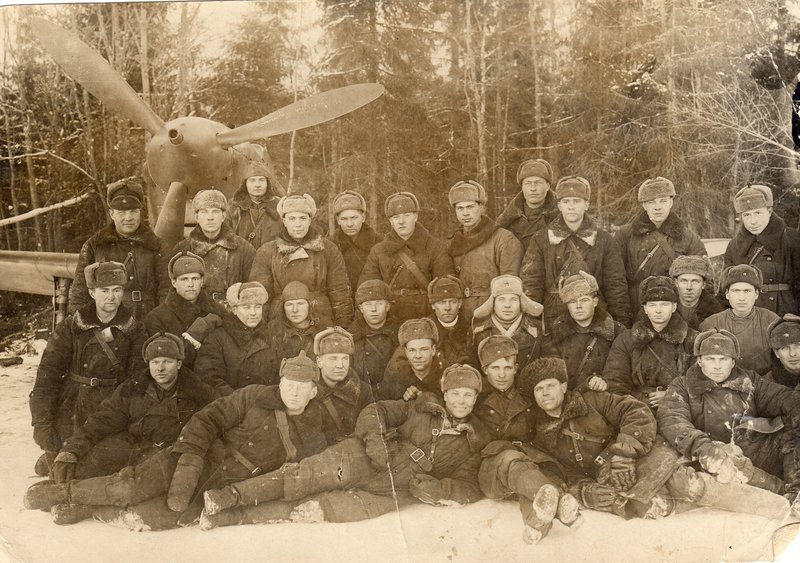
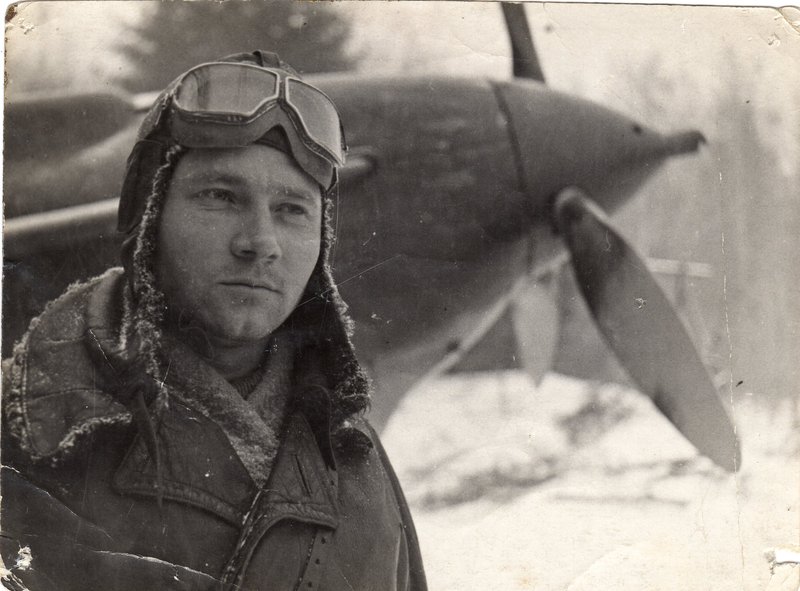
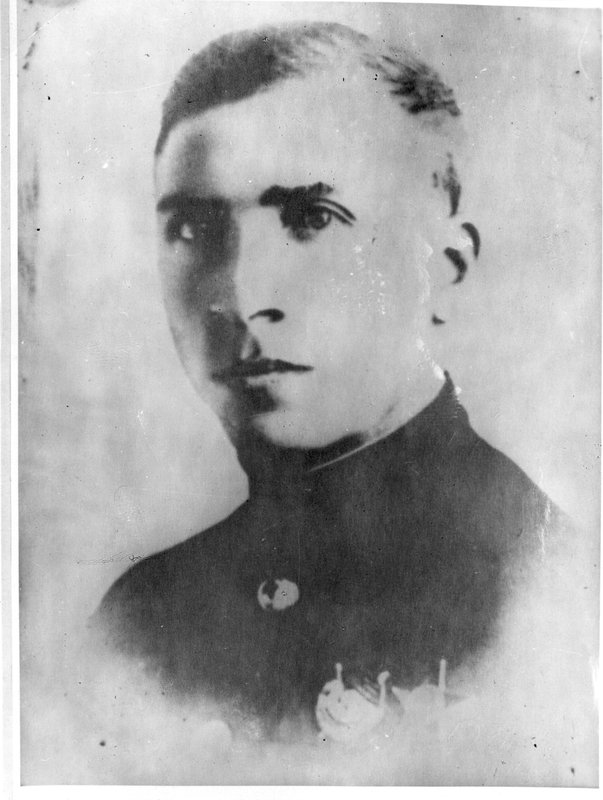
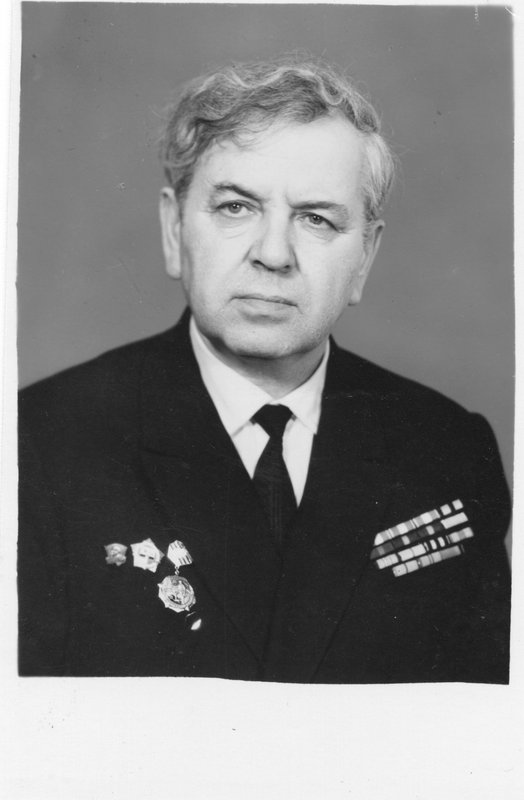
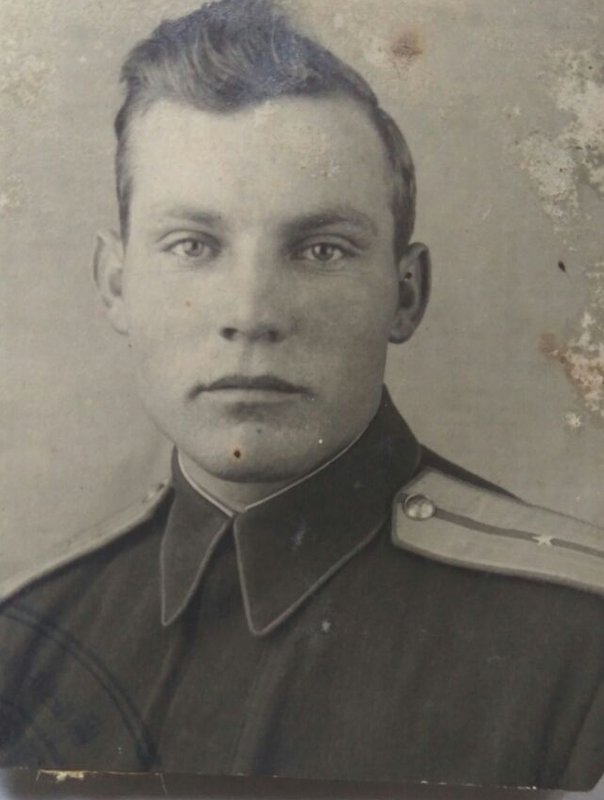
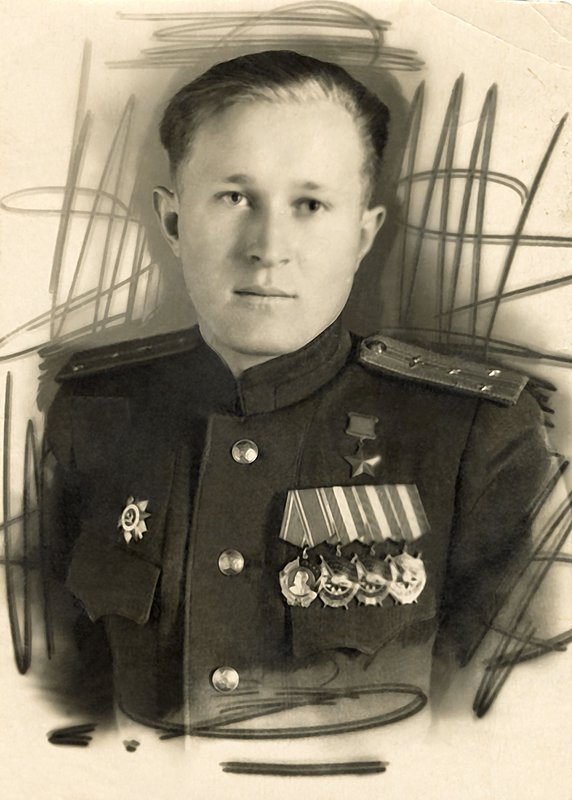
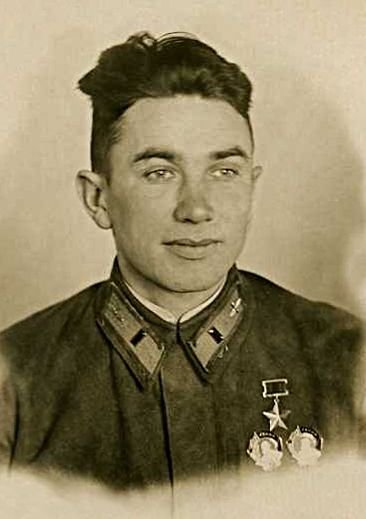
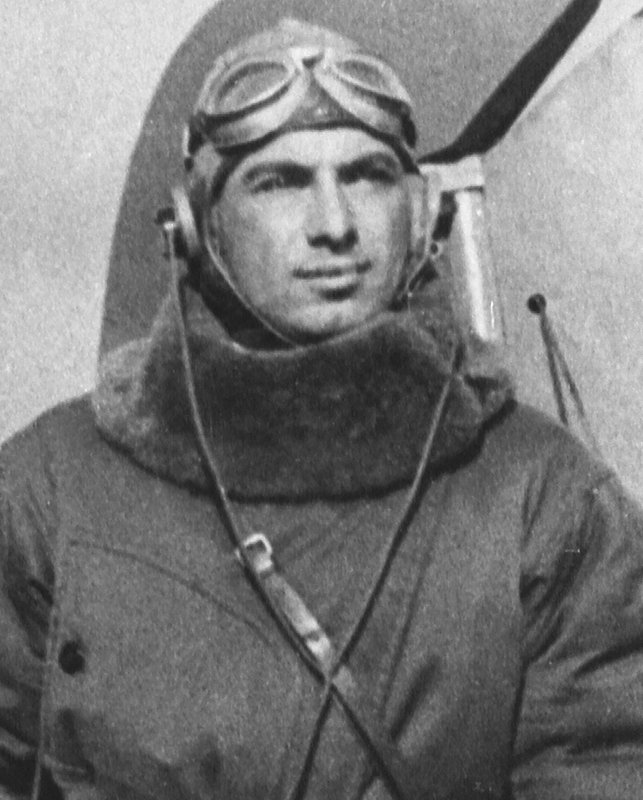
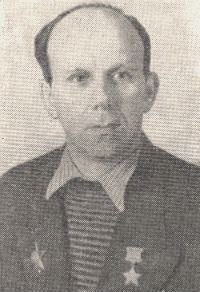
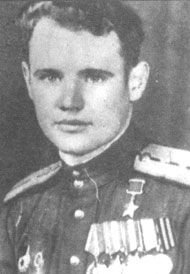
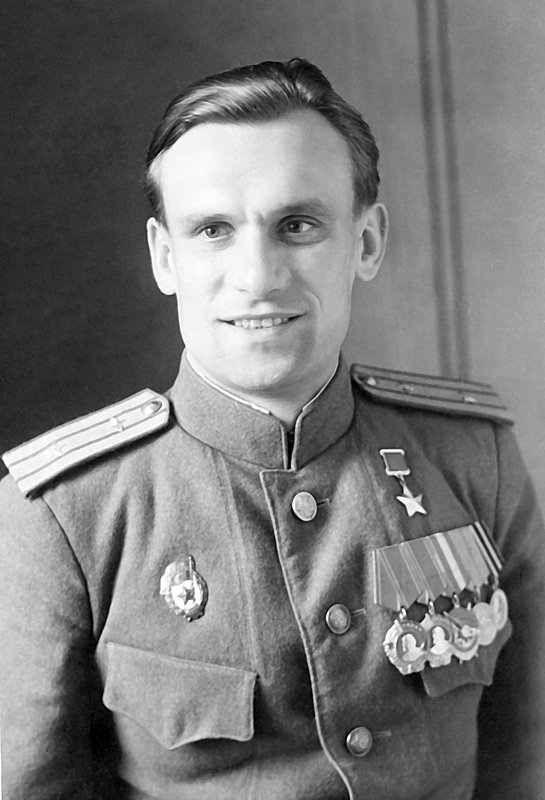
Kaunov Pavel Jakovlevich
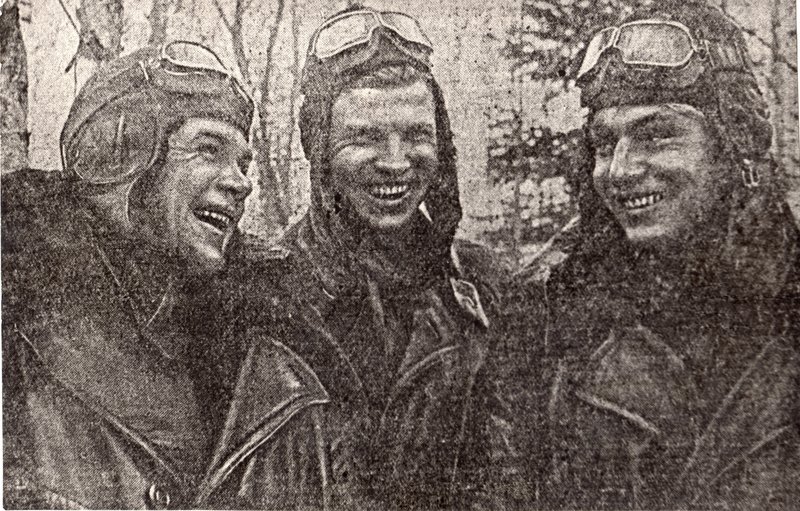
Rank: Senior Lieutenant Troops: Aviation Division: 6th Mixed Aviation Division (1st formation) Kaunov Pavel Jakovlevich..... Dada Pasha, Grandpa Pasha, just Grandpa, Grandpa... This is a small dialogue with Grandpa, which was once recorded on the dictaphone. The beginning of the war through the eyes of grandfather. From the stories of Pavel Yakovlevich Kaunov: - Where did you meet the beginning of the war? - I met the beginning of the war in Kharkov in 1941. We were on retraining. It already smelled like war. We had new types of fighter planes. The so-called Migs, designed by Mikoyan and Gurevich. By the way, they had 3 series. Mig 1 didn't go into production and the 2nd series didn't go into production, but the 3rd one went. - Did you fly it? -Yes, yes, I flew the 3rd Mig. There were also I-16 and I-153 fighters up till then. -Did you mainly fly the Mig? -Yes, mainly the Mig. But I didn't have to fly much, because the German anti-aircraft guns... so it happened that they shot me down... Under Rzhev. -And when they told you about the war, do you remember? Were you told on June 21? -No. I served in the frames, i.e. before the war I was drafted into the army in Kharkov. In the 39th. There I was at the courses and at school (Kharkov Military Aviation School). I captured a little bit of the Finnish War, in the 39-40th was the war with Finland. It was also such a war..... I was there for only one week, and I froze my legs. Just as the war ended, at Tereoka (the name may not be exact), there is a Finnish town there, nearby. It was already taken by ours . And we were guarding bombs, shells, etc. there. And frosts!!! It began just in the winter campaign, in November - in December... And the Frosts stood there! Under 40 degrees. Snow at the waist! Our army was not adapted to it. Though they were well-dressed, but not all of them. Only skiers, athletes were wearing boots, half jackets, on skis, and the rest were bad. They wore boots ... and froze their feet and hands. By the way, at that time, there were a lot of German engineers working there. -Was it in Finland? -Yes, in Finland, well, there was no war yet, and they worked there as specialists in the creation of this line of Mannerheim, and they supported the Finns, openly no, but with technology they helped. They helped to attack the Soviet Union. This war, our poor supply of equipment, pushed them to prepare for war with the Soviet Union as quickly as possible. The Germans viewed the Finnish War as school practice. Our government, led by Stalin, understood that war with the Germans was inevitable. They saw how the Germans were preparing, intelligence. Our intelligence was strong then, and the German one was also strong then. In general, the parties were well aware of what the German army was and what the Soviet army was. They knew that we had factories, new equipment was being built, new planes, new tanks, new weapons, they knew that we could not delay further. And ours were preparing exactly ... to stall. They proposed a non-aggression peace treaty with Germany, and they concluded this treaty. Hitler signed it. Ribbentrop came here. And Stalin and Molotov signed this treaty "O Ne-na-pa-de-nii". The Germans had already occupied the whole Europe, Poland was divided, part of Poland remained for us. The deviding seemed to have passed, but all Europe was in their hands. And they decided that this PACT is a simple piece of paper and it can be broken. And suddenly, they attacked. Suddenly.... We assumed that they would attack us. On the western borders, on the border with Germany, a large number of tanks, planes were placed but not provided. Neither combustible, nor spare parts, nor all necessary food, that's when they attacked. They attacked and closed down everything there. They crashed 1200 planes right on the border, took a lot of our equipment without a fight and decided that was everything, the Soviet army will not rise anymore. That is, all that was on the border with Germany, planes, tanks, etc., they bombed and took it all as a trophy, went openly, without resistance. They started to bomb our big cities, Kiev, Sevastopol, and a few months later were already near Moscow. And we were in Kharkiv. It was about October... The Germans had already taken Kyiv, but we were alarmed and the cadets were raised. They equipped us with automatic rifles and put us on the roads to detain the fugitives... The Germans surrounded us and took us as prisoners in large batches, and people went up and fled who to where, and we detained them. In November, we were moved from Kharkov to near Moscow. Just preparing the anniversary of the October Revolution, and there we were, already in the 16th Fighter Regiment. The 6th Aviation Corps. Right there, near Moscow, was the hardest battle. Aerostat awards, anti-aircraft artillery, searchlight units, fighter aircraft ... Mainly bombers and fighters, in general, there was such a meat grinder ... The second story of my grandfather, how he was injured, resulting in impaired vision and hearing: it was the 41st. The war was approaching. The accelerated graduation of sergeant-pilot was waiting for us. And the beginning of the war caught me on distribution near Moscow, in the city of Lyubertsy 16th fighter air defense regiment of Moscow. There began combat flights on new Mig-3 planes. When I raided Kubinka, we paired with Captain Kravchenko to shoot down one of the Yu-88s, and then, when I was guiding, I shot down the KE-111s near the Pavlovsky Passad. But while carrying out a difficult mission to bombard departing tank columns and vehicles from the city of Rzhev to the west, we were not lucky ... There were three of us, Kravchenko, Voronin and I, performing the task of defeating tank columns and vehicles. On our way back we had to pass over the town of Rzhev at an altitude of 5000 m in order to reconnoitre its anti-aircraft defense from the air. As soon as we came to Rzhev from the west, we were hit by strong fire of German anti-aircraft guns. The Germans beat us with the guns in an echelonized manner. At a height of up to 7000 m. Voronin's plane was shot down, but he successfully managed to use the altitude, crossed the city border and escaped by parachute. Kravchenko got a lot of holes in the fuselage and wings, and also entered his territory and somehow landed in the field. I got a shard of anti-aircraft charge into the crankcase of the plane's engine and smashed it. Smoke and hot oil filled the cockpit ... The height was good, 5000 meters. But on the plane, the engine abruptly surrendered and the plane flew down like a stone. Despite my actions, I held him down to get out of the city to my people. I hardly noticed that I crossed the Rzhev River, passed through and saw a glade, decided to land on it, but the glade was in hemps ... and there I fell down... When I hit the plane with my backrest torn off, my head hit the dashboard hard. The impact was more on the left side. Maybe I would not have lived today ... if the girls who watched my fall had not pulled me out. The girls were from the VNOS (Airborne Observation Notification Service) service, which operated around Moscow and further west. Then in the hospital in Sokolniki I suffered from severe headaches. The whole left side from head to heels was cotton-like and I could hardly feel it. But gradually, over time, it began to pass. I was already denied to fly... I was used at ground service as a liaison officer with anti-aircraft gunners, detection stations... etc. Then, the Chief of Staff of the 90th Separate Transport Squadron.