Back to
album
album


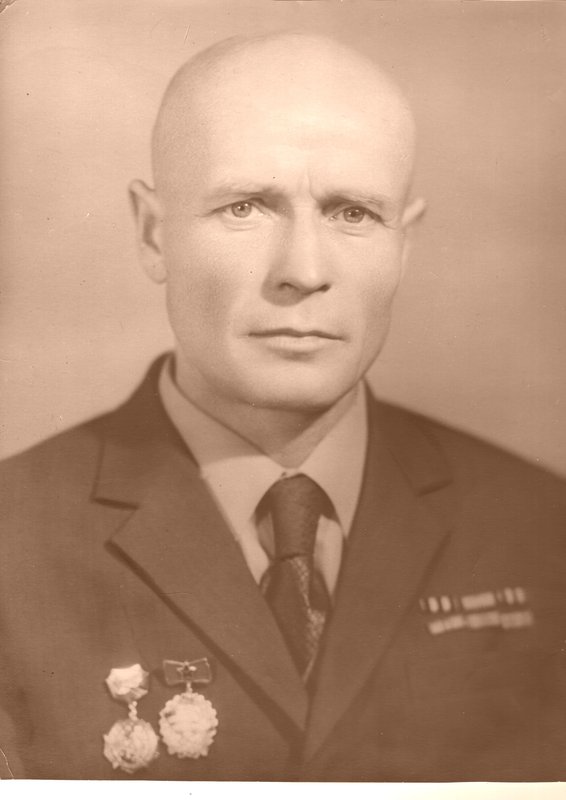
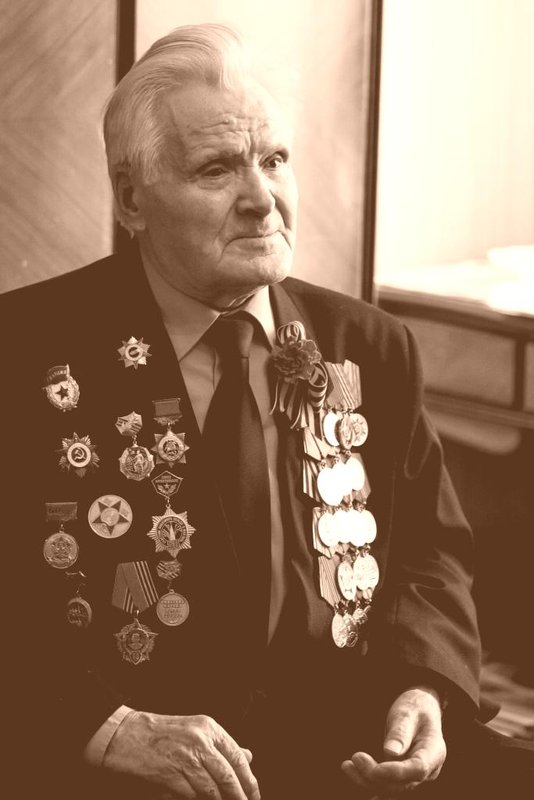


Dunaev Nikolay Grigoryevich
Dunaev Nikolai Grigoryevich_x000D_
_x000D_
Was born in September 11, 1924 in the village Neverovo (Nevedrova) Korohodsky parish of Ivanovo-Voznesensk uyezd, Ivanovo-Voznesensky province, in a peasant family. When the boy was 11 years old, his father died, as the eldest of the children, Nikolai helped his mother raise two younger sisters and a brother. I managed to finish only 7 classes. In July 1940, he began working at a local collective farm. In August 1942, he was drafted into the Red Army by the Seredsky (now Furmanovsky) district military Commissariat and sent to study at the 1st Gorky tank school. On August 25, he was enlisted in the training regiment as a cadet of the 1st training mortar company of the 3rd separate reserve mortar battalion. Here, on September 20, he took the oath, and in October joined the Komsomol. In January 1943, after completing his studies with the rank of Junior Sergeant, he was sent to the North-Western front. The combat path began on January 10, 1943 as the commander of the 120-mm mortar calculation of the 528th rifle regiment of the 130th rifle division. His regiment at this time was fighting in Zaluska district of the Leningrad region. Soon the division was transformed into the 53rd guards for combat success. In further battles of the guards, Sergeant Dunaev continued to fight as the commander of the mortar company calculation of the 12th separate guards red banner battalion, awarded the "Excellent gunner" badge. In February 1943, the division participated in the liquidation of the Demyansk group of the enemy (awarded the order of the red banner), in March - in the old Russian operation of the North-Western front. In the area of Staraya Russa, it fought defensive battles until December 1943. In January 1944, the division is loaded into echelons and sent towards Leningrad, where it ends up on the day the blockade is lifted. The division is part of the Leningrad front. Here she led an offensive in the Pskov direction, on the "Panther line". For the difference in these battles of the guard, Sergeant Dunaev received the first military award-the medal "for bravery". From the order of the regiment commander about the award: "...for the fact that from July 12 to 14, 1944, in the battles in the area of height 99.6 near the village of Kalinkino, Pushkin district, he destroyed a German observation post with accurate mortar fire and suppressed the fire of the enemy's company mortar." From August 1944, the division fought in the 2nd and 3rd Baltic fronts. Participated in the Baltic strategic, Tartu and Riga offensive operations. For participation in the battles, the division was given the honorary name of Tartusskaya, the 159th rifle regiment (in which Dunaev fought) was awarded the order of the red banner. At the final stage of the war, parts of the division fought to eliminate the enemy's Kurland group (Latvia). For skilful command of the calculation in these battles of the guard, Sergeant Dunaev was awarded the order of Glory of the III degree. From the award list: "December 23, 1944 when breaking through the heavily fortified enemy defenses near the village of Petermuizha (Latvian SSR), his team participated in General artillery preparation, thanks to the skillful fire control, the calculation was destroyed: 3 enemy machine guns with their calculations, 1 company mortar, a direct hit in the German trench was disabled up to a platoon of German infantry, which thus ensured a breakthrough of defense and successful advance of the rifle units of the regiment." Victory day was celebrated on the outskirts of Liepaya (Latvia). After the war, he continued to serve in his division, which was re-formed into the 1st guards rifle Tartu red banner brigade and relocated to the city of Kovrov (Vladimir region). In 1946, he graduated from the evening Department of the school of party activists in the city of Kovrov. Demobilized in March 1947. I returned to my native village. His fellow villagers elected him Chairman of the collective farm. From 1957 to 1960, Dunaev studied at the Ivanovo Soviet party school, after which he entered the Correspondence Higher party school under the Central Committee of the CPSU in Gorky, from which he graduated in 1965. After the organization of the state farm "Dulyapinsky" in February 1960, he was appointed Manager of the 2nd Department. In April 1964, he was appointed Brigadier of complex brigade No. 4. In October 1964, he was elected Secretary of the party Committee of the state farm "Dulyapinsky". In 1969, he moved with his family to the village of Dulyapino. In December 1976, he was appointed acting Chairman of the Dulyapinsky village Council (approved on June 19, 1977). Will work in this position until September 1979, released due to retirement from singing on disability. Lived in the village of Dulyapino. He died on July 18, 1987. He was buried in the cemetery of posleka Dulyapino. Awarded the order of the Patriotic war I-th degree (11.03.1985), Glory III-th degree (18.01.1945), the medal "for bravery" (22.03.1944), jubilee medals.
Dunaev Nikolay Grigoryevich
Dunaev Nikolai Grigoryevich_x000D_
_x000D_
Was born in September 11, 1924 in the village Neverovo (Nevedrova) Korohodsky parish of Ivanovo-Voznesensk uyezd, Ivanovo-Voznesensky province, in a peasant family. When the boy was 11 years old, his father died, as the eldest of the children, Nikolai helped his mother raise two younger sisters and a brother. I managed to finish only 7 classes. In July 1940, he began working at a local collective farm. In August 1942, he was drafted into the Red Army by the Seredsky (now Furmanovsky) district military Commissariat and sent to study at the 1st Gorky tank school. On August 25, he was enlisted in the training regiment as a cadet of the 1st training mortar company of the 3rd separate reserve mortar battalion. Here, on September 20, he took the oath, and in October joined the Komsomol. In January 1943, after completing his studies with the rank of Junior Sergeant, he was sent to the North-Western front. The combat path began on January 10, 1943 as the commander of the 120-mm mortar calculation of the 528th rifle regiment of the 130th rifle division. His regiment at this time was fighting in Zaluska district of the Leningrad region. Soon the division was transformed into the 53rd guards for combat success. In further battles of the guards, Sergeant Dunaev continued to fight as the commander of the mortar company calculation of the 12th separate guards red banner battalion, awarded the "Excellent gunner" badge. In February 1943, the division participated in the liquidation of the Demyansk group of the enemy (awarded the order of the red banner), in March - in the old Russian operation of the North-Western front. In the area of Staraya Russa, it fought defensive battles until December 1943. In January 1944, the division is loaded into echelons and sent towards Leningrad, where it ends up on the day the blockade is lifted. The division is part of the Leningrad front. Here she led an offensive in the Pskov direction, on the "Panther line". For the difference in these battles of the guard, Sergeant Dunaev received the first military award-the medal "for bravery". From the order of the regiment commander about the award: "...for the fact that from July 12 to 14, 1944, in the battles in the area of height 99.6 near the village of Kalinkino, Pushkin district, he destroyed a German observation post with accurate mortar fire and suppressed the fire of the enemy's company mortar." From August 1944, the division fought in the 2nd and 3rd Baltic fronts. Participated in the Baltic strategic, Tartu and Riga offensive operations. For participation in the battles, the division was given the honorary name of Tartusskaya, the 159th rifle regiment (in which Dunaev fought) was awarded the order of the red banner. At the final stage of the war, parts of the division fought to eliminate the enemy's Kurland group (Latvia). For skilful command of the calculation in these battles of the guard, Sergeant Dunaev was awarded the order of Glory of the III degree. From the award list: "December 23, 1944 when breaking through the heavily fortified enemy defenses near the village of Petermuizha (Latvian SSR), his team participated in General artillery preparation, thanks to the skillful fire control, the calculation was destroyed: 3 enemy machine guns with their calculations, 1 company mortar, a direct hit in the German trench was disabled up to a platoon of German infantry, which thus ensured a breakthrough of defense and successful advance of the rifle units of the regiment." Victory day was celebrated on the outskirts of Liepaya (Latvia). After the war, he continued to serve in his division, which was re-formed into the 1st guards rifle Tartu red banner brigade and relocated to the city of Kovrov (Vladimir region). In 1946, he graduated from the evening Department of the school of party activists in the city of Kovrov. Demobilized in March 1947. I returned to my native village. His fellow villagers elected him Chairman of the collective farm. From 1957 to 1960, Dunaev studied at the Ivanovo Soviet party school, after which he entered the Correspondence Higher party school under the Central Committee of the CPSU in Gorky, from which he graduated in 1965. After the organization of the state farm "Dulyapinsky" in February 1960, he was appointed Manager of the 2nd Department. In April 1964, he was appointed Brigadier of complex brigade No. 4. In October 1964, he was elected Secretary of the party Committee of the state farm "Dulyapinsky". In 1969, he moved with his family to the village of Dulyapino. In December 1976, he was appointed acting Chairman of the Dulyapinsky village Council (approved on June 19, 1977). Will work in this position until September 1979, released due to retirement from singing on disability. Lived in the village of Dulyapino. He died on July 18, 1987. He was buried in the cemetery of posleka Dulyapino. Awarded the order of the Patriotic war I-th degree (11.03.1985), Glory III-th degree (18.01.1945), the medal "for bravery" (22.03.1944), jubilee medals.
0 comment




2026 © Russian Military Historical Society Developed by Jetmix