Back to
album
album
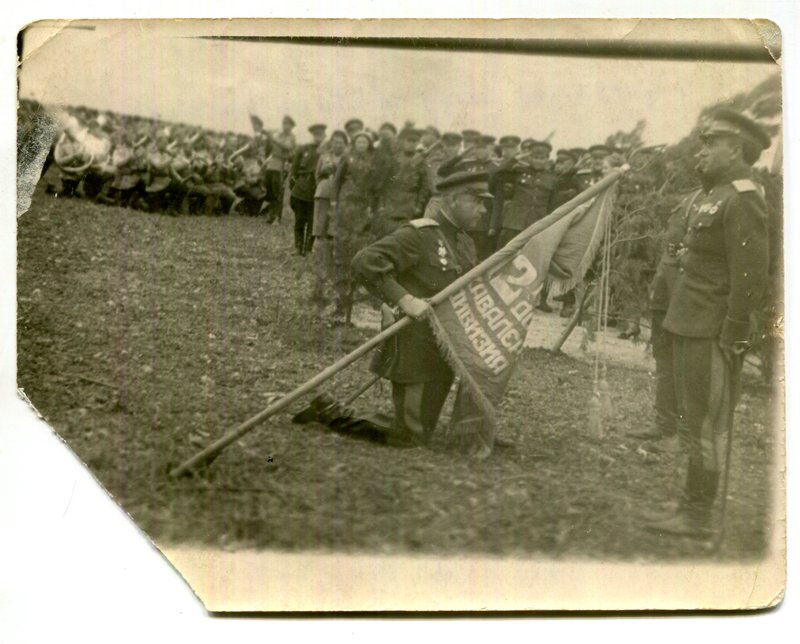
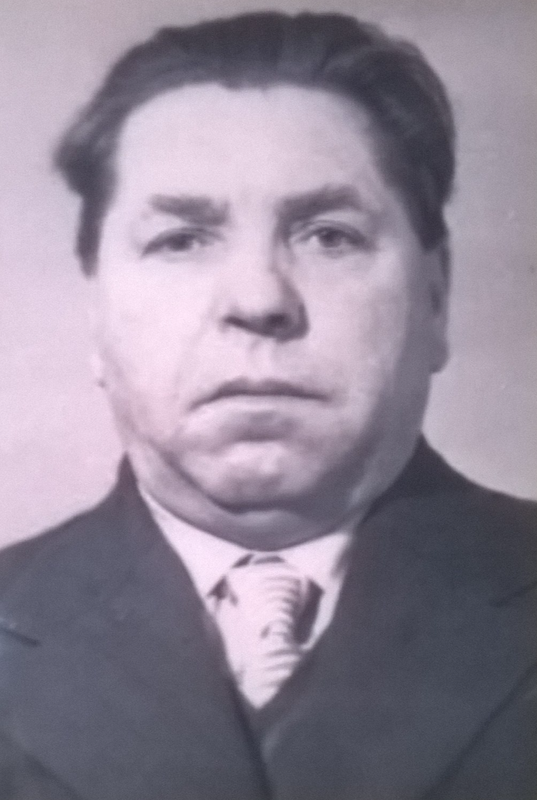
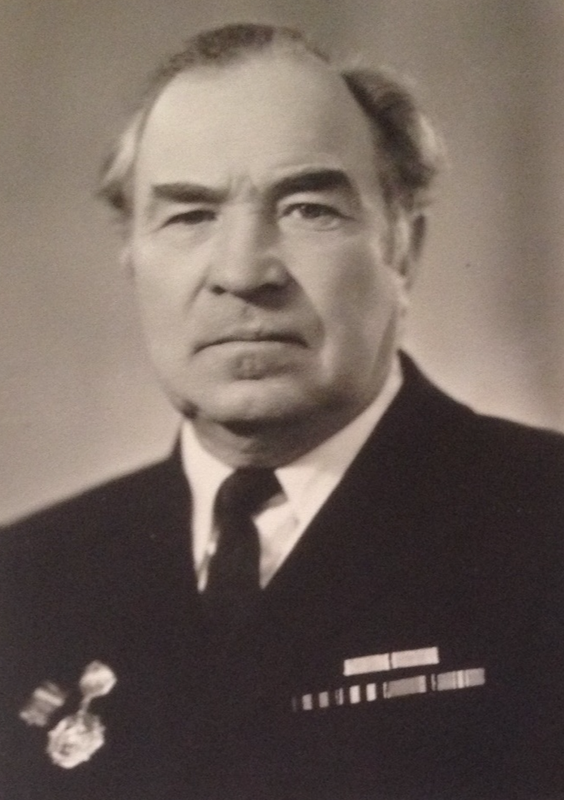
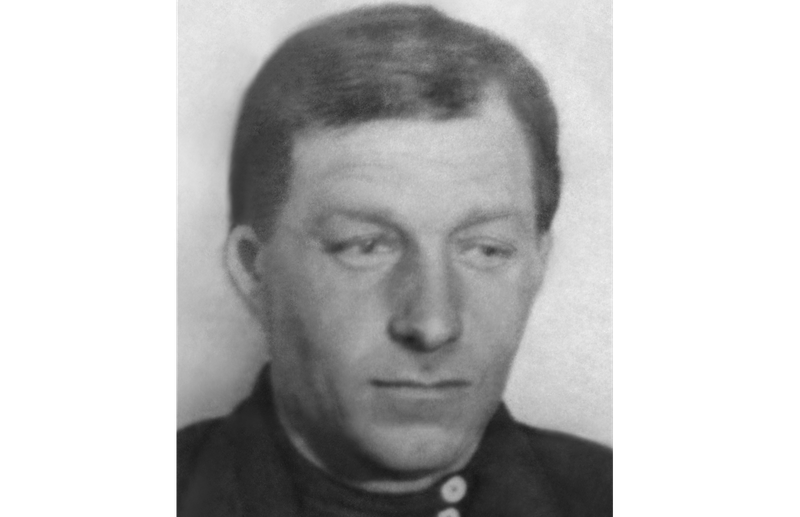
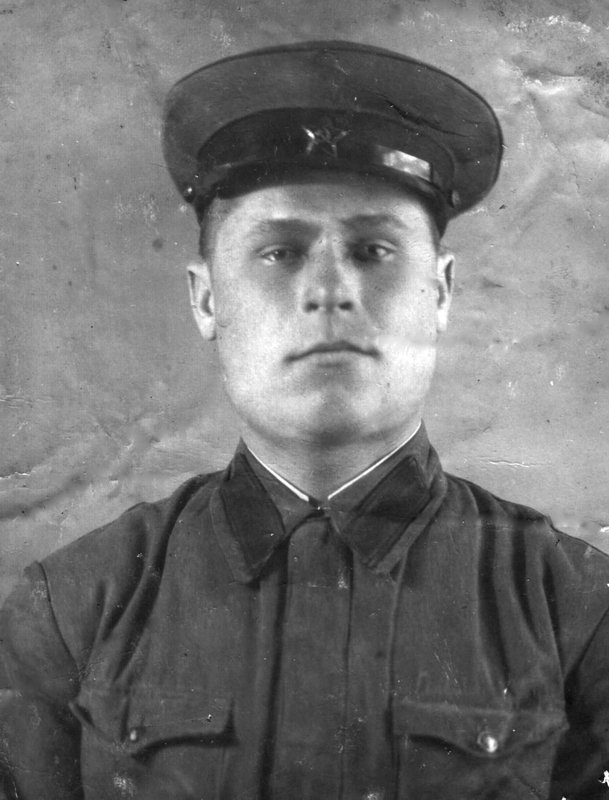
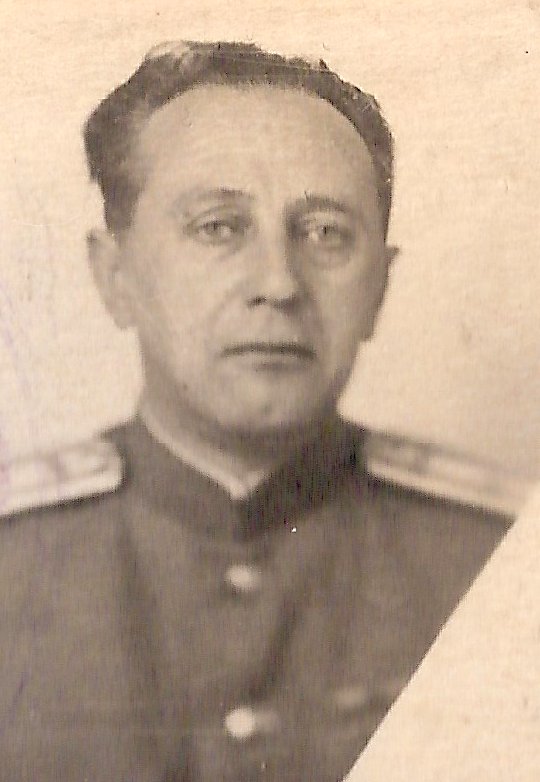
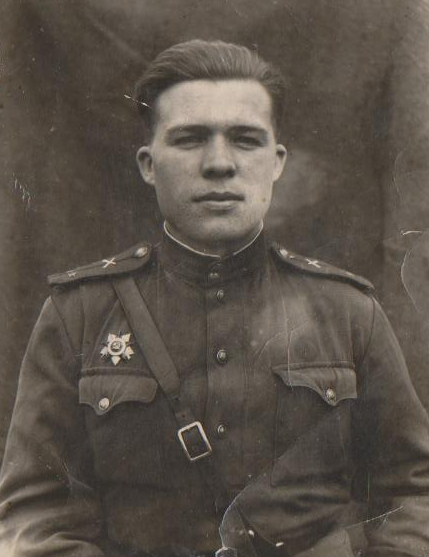
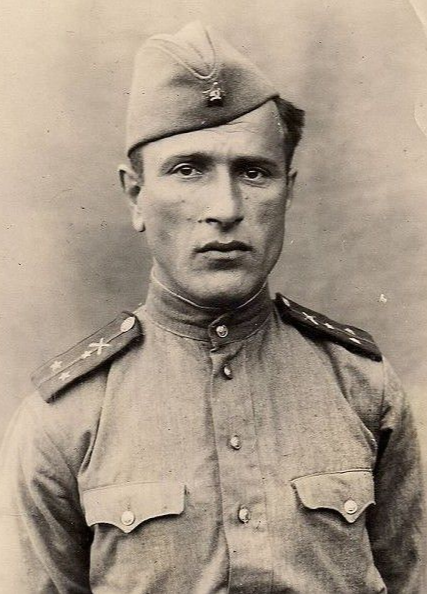
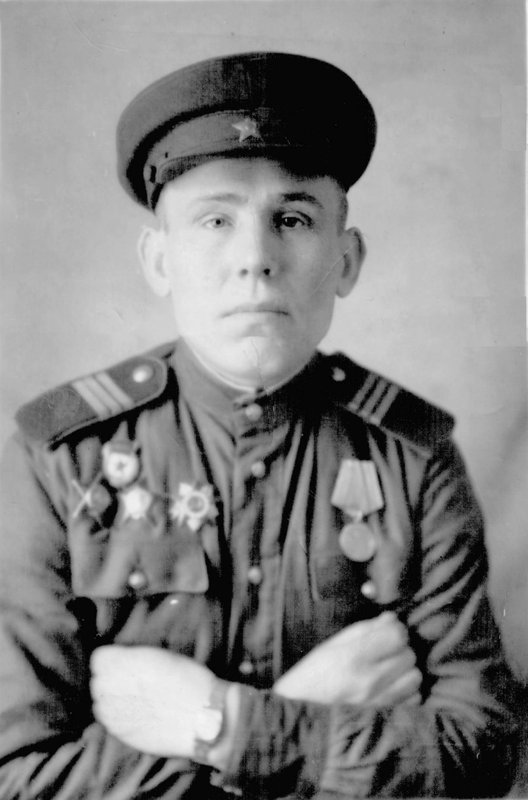
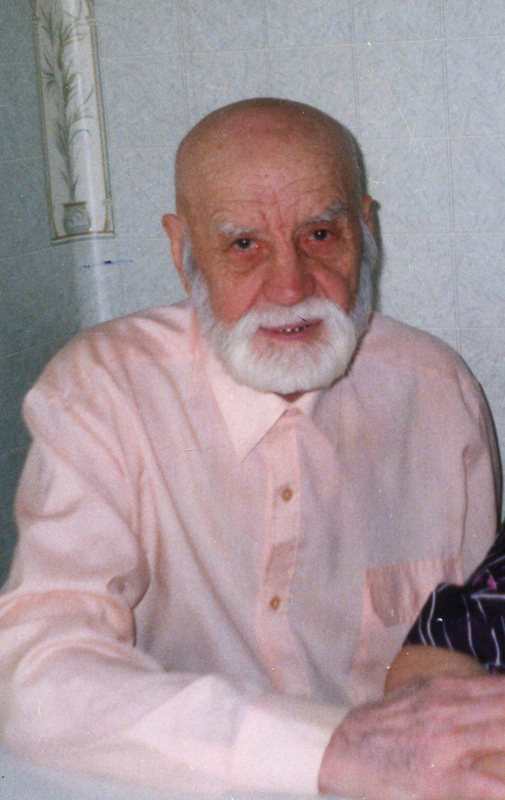
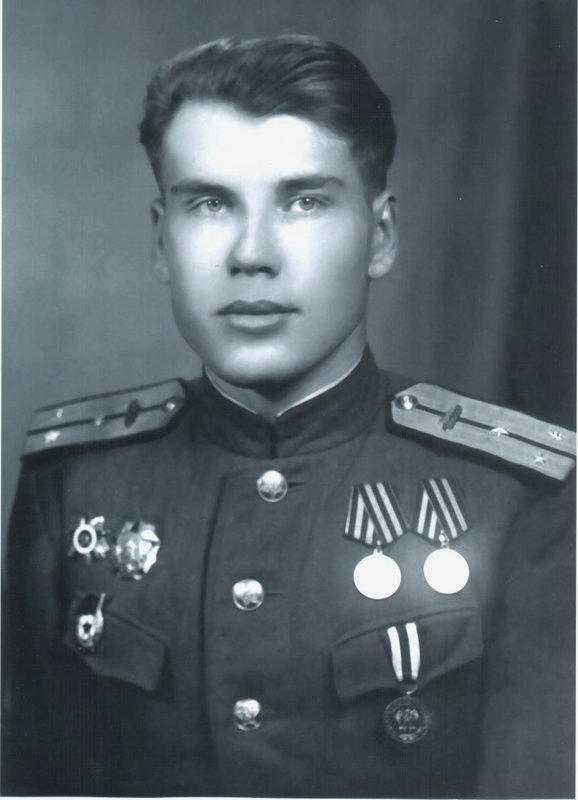
Pavlov Vladimir Pavlovich
Title: Major _x000D_
Branch of troops: Technical troops (KhV, ZhDV, AV, RTV, DV, topographic) _x000D_
_x000D_
Participant of the Civil War and Labor Front during the Great Patriotic War 1941-1945. Chevalier of the Order of the "Red Banner of Labor", has the medals "For Labor Distinction", "For Valiant Labor in the Great Patriotic War of 191-1945", "For Victory over Japan" and other awards. He was born on July 6 (June 23, old style), 1901. He was an illegitimate child. In his birth certificate entry dated June 26, 1901: mother - Pavlova Maria Arkadyevna, father - (dash). He was baptized in the Nicholas Cathedral in Verkhneuralsk. Receivers (godparents) were Pavlov Pavel Stepanovich and Pavlova Anastasia Arkadyevna. The patronymic is given by the name of the mother's relative, who was the godfather. _x000D_
Mother was Pavlova Maria Arkadyevna, presumably born in 1883. She died in St. Petersburg in 1919 at the age of 36. _x000D_
From 1905 to 1917, Vladimir lived and was brought up in the family of an artillery officer Pokrovsky A.A at first in the city of Bela, Sedletskaya province (now Poland), and since March 1910 in the city of Khabarovsk. _x000D_
In the spring of 1905, during a trip to Warsaw, Vladimir's mother, being in a difficult financial circumstances, handed the 4-year-old boy at the railway station of the city of Brest-Litovsk to a relative, the wife of an artillery officer Elena Ivanovna Pokrovskaya. Her husband is Pokrovsky Alexander Alekseevich, born on July 1, 1853, from 1899 to 1910 he was the Commander of 2nd Artillery Brigade (city of Bela); from 1910 to 1912 he was the Commander of 2nd Division of the Siberian Rifle Artillery Brigade (the city of Khabarovsk). In 1912, Pokrovsky A.A. retired and worked in civilian structures. He did not serve in the troops and institutions of the White Army. _x000D_
In February 1917, Vladimir and the Pokrovsky family moved to Petrograd. In March, he met with his mother, who made it clear that she did not want to live with her son. Since March 1917, Vladimir left the Pokrovsky family and began an independent life. _x000D_
From May 1919 to 1924 he served in the ranks of the Workers 'and Peasants' Red Army, the Soviet Army. From 1924 to 1929 he worked in various organizations as a technician, engineer. _x000D_
From 1929 to 1937 (with a break from January 1934 to April 1936) he studied at the Leningrad Mining Institute. _x000D_
From 1935 to 1961, he worked on the survey of railways in the Far East and the Far North in the positions of a Senior Geological Engineer, head of a geological party and chief geologist of the expedition. He was one of the pioneers of the Baikal-Amur Railway (BAM). He participated directly in the exploration expeditions of the Baikal-Amur railway under the Railway Project, Gipropromtransstroy of the Ministry of Transport Construction worked from May 1939 to April 1958. _x000D_
In December 1951 he was promoted to the rank of Engineer-Major of track and construction. About this period of life and Vladimir Pavlovich himself can be read in the books and essays of his colleague, the famous geologist-prospector Pobozhiy Alexander Alexandrovich ("Through the northern wilderness. Notes of the prospector", "The path of the prospector", etc.). In 1961, he retired by age. In 1965-1967 he worked as a geology instructor at a secondary school and a Mechanical Engineering College. _x000D_
Awards: Order of the Red Banner of Labor No. 105470 (1948); Medal "For Labor Distinction" No. 29902 (1944); Medal "For Valiant Labor in the Great Patriotic War" No. 245948 (1945); - Medal "For Victory over Japan" No. 056118 (1946); Jubilee medal "50 years of the Armed Forces of the USSR" (1969); jubilee medal "30 years of victory in the Great Patriotic War of 1941-1945." (1976); Jubilee medal "60 years of the Armed Forces of the USSR" (1979); - jubilee medal "40 years of Victory in the Great Patriotic War of 1941-1945." (1985); Medal "For Construction of the Baikal-Amur Mainline" (1987).
Pavlov Vladimir Pavlovich
Title: Major _x000D_
Branch of troops: Technical troops (KhV, ZhDV, AV, RTV, DV, topographic) _x000D_
_x000D_
Participant of the Civil War and Labor Front during the Great Patriotic War 1941-1945. Chevalier of the Order of the "Red Banner of Labor", has the medals "For Labor Distinction", "For Valiant Labor in the Great Patriotic War of 191-1945", "For Victory over Japan" and other awards. He was born on July 6 (June 23, old style), 1901. He was an illegitimate child. In his birth certificate entry dated June 26, 1901: mother - Pavlova Maria Arkadyevna, father - (dash). He was baptized in the Nicholas Cathedral in Verkhneuralsk. Receivers (godparents) were Pavlov Pavel Stepanovich and Pavlova Anastasia Arkadyevna. The patronymic is given by the name of the mother's relative, who was the godfather. _x000D_
Mother was Pavlova Maria Arkadyevna, presumably born in 1883. She died in St. Petersburg in 1919 at the age of 36. _x000D_
From 1905 to 1917, Vladimir lived and was brought up in the family of an artillery officer Pokrovsky A.A at first in the city of Bela, Sedletskaya province (now Poland), and since March 1910 in the city of Khabarovsk. _x000D_
In the spring of 1905, during a trip to Warsaw, Vladimir's mother, being in a difficult financial circumstances, handed the 4-year-old boy at the railway station of the city of Brest-Litovsk to a relative, the wife of an artillery officer Elena Ivanovna Pokrovskaya. Her husband is Pokrovsky Alexander Alekseevich, born on July 1, 1853, from 1899 to 1910 he was the Commander of 2nd Artillery Brigade (city of Bela); from 1910 to 1912 he was the Commander of 2nd Division of the Siberian Rifle Artillery Brigade (the city of Khabarovsk). In 1912, Pokrovsky A.A. retired and worked in civilian structures. He did not serve in the troops and institutions of the White Army. _x000D_
In February 1917, Vladimir and the Pokrovsky family moved to Petrograd. In March, he met with his mother, who made it clear that she did not want to live with her son. Since March 1917, Vladimir left the Pokrovsky family and began an independent life. _x000D_
From May 1919 to 1924 he served in the ranks of the Workers 'and Peasants' Red Army, the Soviet Army. From 1924 to 1929 he worked in various organizations as a technician, engineer. _x000D_
From 1929 to 1937 (with a break from January 1934 to April 1936) he studied at the Leningrad Mining Institute. _x000D_
From 1935 to 1961, he worked on the survey of railways in the Far East and the Far North in the positions of a Senior Geological Engineer, head of a geological party and chief geologist of the expedition. He was one of the pioneers of the Baikal-Amur Railway (BAM). He participated directly in the exploration expeditions of the Baikal-Amur railway under the Railway Project, Gipropromtransstroy of the Ministry of Transport Construction worked from May 1939 to April 1958. _x000D_
In December 1951 he was promoted to the rank of Engineer-Major of track and construction. About this period of life and Vladimir Pavlovich himself can be read in the books and essays of his colleague, the famous geologist-prospector Pobozhiy Alexander Alexandrovich ("Through the northern wilderness. Notes of the prospector", "The path of the prospector", etc.). In 1961, he retired by age. In 1965-1967 he worked as a geology instructor at a secondary school and a Mechanical Engineering College. _x000D_
Awards: Order of the Red Banner of Labor No. 105470 (1948); Medal "For Labor Distinction" No. 29902 (1944); Medal "For Valiant Labor in the Great Patriotic War" No. 245948 (1945); - Medal "For Victory over Japan" No. 056118 (1946); Jubilee medal "50 years of the Armed Forces of the USSR" (1969); jubilee medal "30 years of victory in the Great Patriotic War of 1941-1945." (1976); Jubilee medal "60 years of the Armed Forces of the USSR" (1979); - jubilee medal "40 years of Victory in the Great Patriotic War of 1941-1945." (1985); Medal "For Construction of the Baikal-Amur Mainline" (1987).
0 comment




2026 © Russian Military Historical Society Developed by Jetmix