Back to
album
album
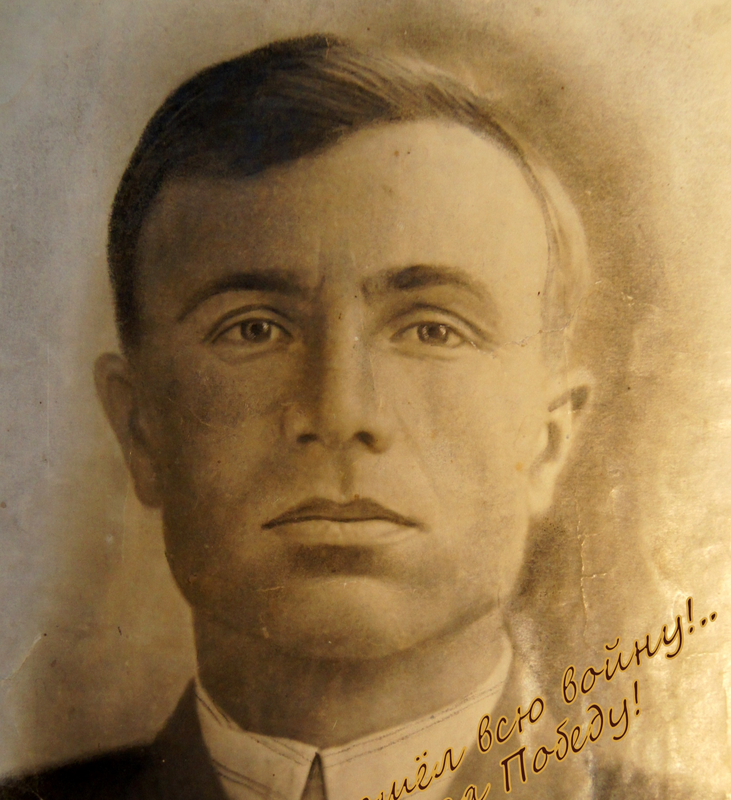
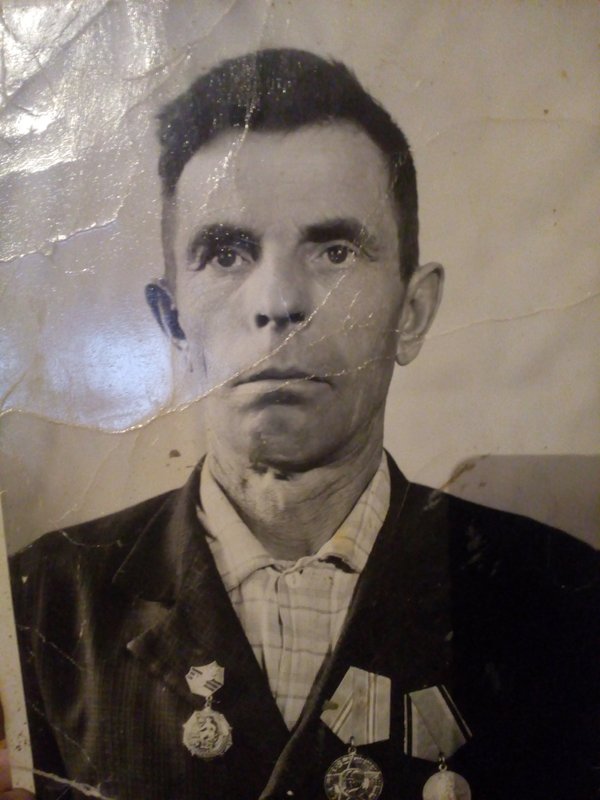
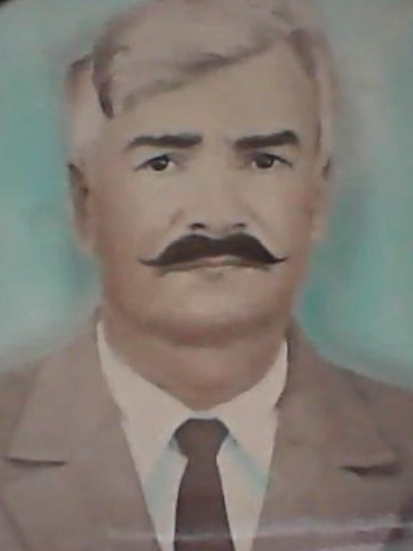
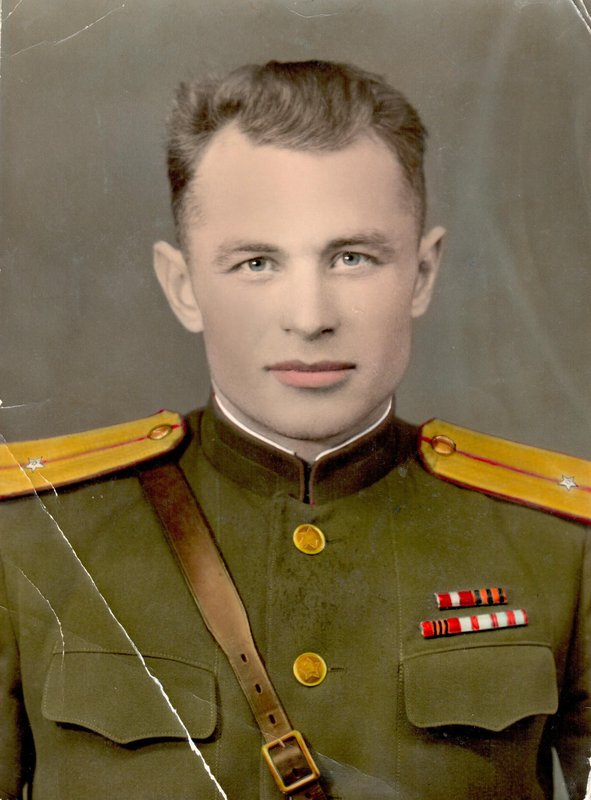
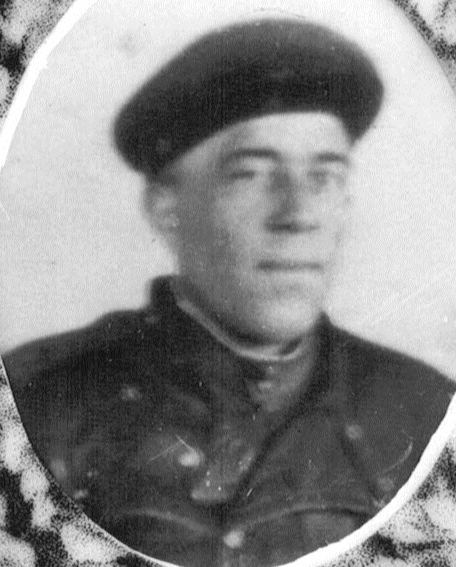
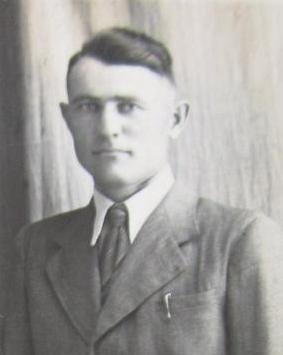
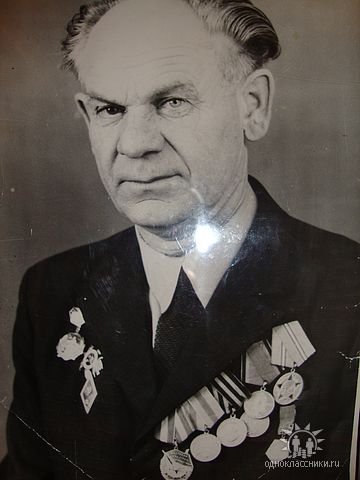
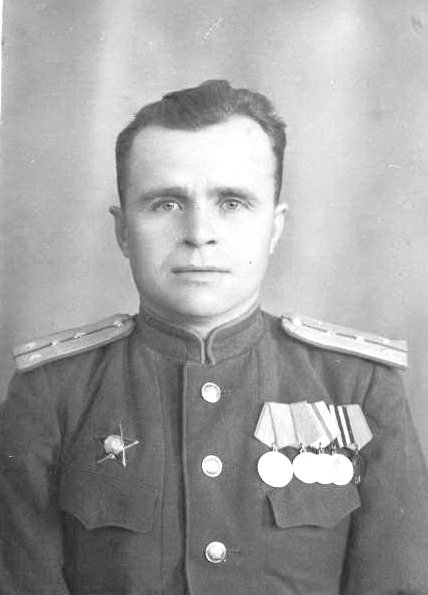
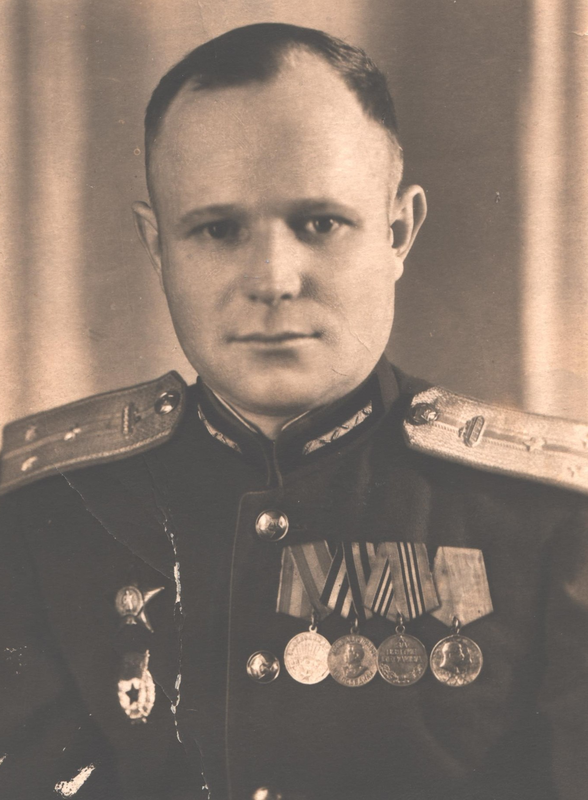
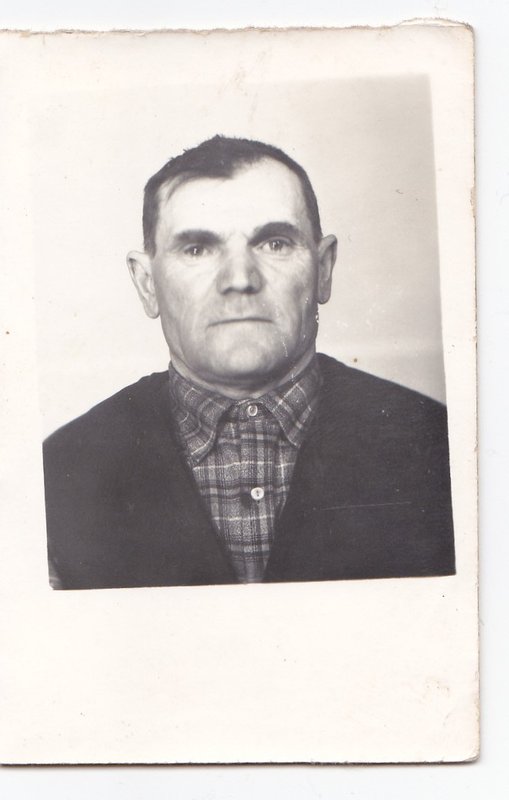
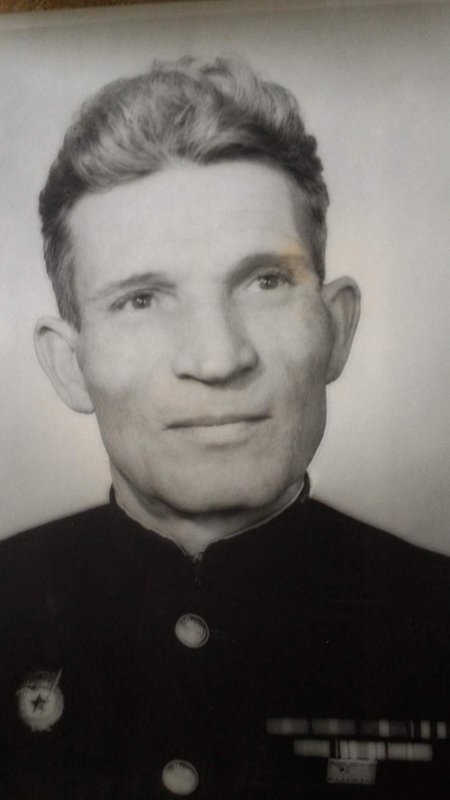
Pen'kov Vasily Nikitovich
Title: Sergeant _x000D_
Branch of troops: Artillery. _x000D_
Unit: 19th Vienna Artillery Order of Kutuzov Breakthrough Division. _x000D_
My uncle, Vasily Nikitovich Penkov, a participant in the Great Patriotic war, was born in the village of Sukmanovka, Zherdevsky District, Tambov region, on February 25, 1917, in a large peasant family with 9 brothers and one sister. All the brothers fought on the fronts of the Great Patriotic war. Four of them never returned from the war. My uncle was conscripted into the Red Army by the Radchinsky Comissariat of the Voronezh region in 1939. _x000D_
In June 1941, he went to the war front. He was enlisted in the 19th Guards Artillery Regiment, which was part of the Bryansk front, an artillery reserve of the Supreme Command for the quantitative and qualitative strengthening of artillery groups in the direction of the main blow. He was Sergeant, Deputy Political Commissar, a Commander of the Regiment's Department. He took part in the Voronezh-Voroshilovgrad strategic defensive operation as part of the Bryansk front, which was formed in August 1941. _x000D_
The fate of the 1st Bryansk front was generally tragic. The front could not stop the advancing forces of German Wehrmacht and was surrounded. In the end, having suffered a crushing defeat, the partially encircled 1st Bryansk front was liquidated in November 1941. The 2nd Bryansk front was formed a month after in December of the cold and terrible year for the Soviet people in 1941. The front participated in the defense of Moscow, in terrific and hard battles near Voronezh, in the offensive operation on Kharkov. _x000D_
My uncle did not like to think about the deadly battles near Voronezh. We didn't know anything about them. “It was the second Stalingrad,” we sometimes heard him saying. It turns out that the enemy's offensive on Voronezh was a surprise for our command. It was assumed that the enemy would again launch an offensive in the Moscow direction. But it was the other way around. The Germans struck at the junction of two fronts – the Bryansk and Southwestern. The bloody battle for Voronezh began. _x000D_
On July 6, 1942, the Germans captured part of the city, while destroying it from the air. The city did not give up, there were combats for every house and street. Not only the soldiers, but also the generals were killed in the battles. More than 20 thousand soldiers and officers were captured. Among them was my uncle Vasily Nikitovich Penkov. But a miracle happened! _x000D_
A few days later, our troops released a group of captured fighters during the battle, among them was Sergeant Penkov. This happened on July 15, 1942. What happened next, we can only guess. We know for sure that these days of captivity made his life difficult later. He never spoke about his life at the war front. He forbade us even to ask questions on military matters. _x000D_
Addressing our soldiers and commanders who fought for Voronezh, the poet A. Bezymensky wrote: _x000D_
Drown the enemy in the Don, burn it with fire, drive it to the grave! A fighter saving the whole country, You must defend Voronezh! _x000D_
Voronezh was defended in January 1943. My uncle is also responsible for this victory. The battle lasted 212 days and nights. The city was completely destroyed. Here is buried the entire 2nd Hungarian Royal army, 320 thousandth grouping of Romanian, Italian, and German units. The city became a city of Military glory. The memory of its defenders still lives in the hearts of all the people today. _x000D_
My uncle survived that terrible war. He married and lived all his life not in his Homeland in the Tambov region, but in the city of Chelyabinsk. There he passed away in 2008, having lived to his 90th birthday.
Pen'kov Vasily Nikitovich
Title: Sergeant _x000D_
Branch of troops: Artillery. _x000D_
Unit: 19th Vienna Artillery Order of Kutuzov Breakthrough Division. _x000D_
My uncle, Vasily Nikitovich Penkov, a participant in the Great Patriotic war, was born in the village of Sukmanovka, Zherdevsky District, Tambov region, on February 25, 1917, in a large peasant family with 9 brothers and one sister. All the brothers fought on the fronts of the Great Patriotic war. Four of them never returned from the war. My uncle was conscripted into the Red Army by the Radchinsky Comissariat of the Voronezh region in 1939. _x000D_
In June 1941, he went to the war front. He was enlisted in the 19th Guards Artillery Regiment, which was part of the Bryansk front, an artillery reserve of the Supreme Command for the quantitative and qualitative strengthening of artillery groups in the direction of the main blow. He was Sergeant, Deputy Political Commissar, a Commander of the Regiment's Department. He took part in the Voronezh-Voroshilovgrad strategic defensive operation as part of the Bryansk front, which was formed in August 1941. _x000D_
The fate of the 1st Bryansk front was generally tragic. The front could not stop the advancing forces of German Wehrmacht and was surrounded. In the end, having suffered a crushing defeat, the partially encircled 1st Bryansk front was liquidated in November 1941. The 2nd Bryansk front was formed a month after in December of the cold and terrible year for the Soviet people in 1941. The front participated in the defense of Moscow, in terrific and hard battles near Voronezh, in the offensive operation on Kharkov. _x000D_
My uncle did not like to think about the deadly battles near Voronezh. We didn't know anything about them. “It was the second Stalingrad,” we sometimes heard him saying. It turns out that the enemy's offensive on Voronezh was a surprise for our command. It was assumed that the enemy would again launch an offensive in the Moscow direction. But it was the other way around. The Germans struck at the junction of two fronts – the Bryansk and Southwestern. The bloody battle for Voronezh began. _x000D_
On July 6, 1942, the Germans captured part of the city, while destroying it from the air. The city did not give up, there were combats for every house and street. Not only the soldiers, but also the generals were killed in the battles. More than 20 thousand soldiers and officers were captured. Among them was my uncle Vasily Nikitovich Penkov. But a miracle happened! _x000D_
A few days later, our troops released a group of captured fighters during the battle, among them was Sergeant Penkov. This happened on July 15, 1942. What happened next, we can only guess. We know for sure that these days of captivity made his life difficult later. He never spoke about his life at the war front. He forbade us even to ask questions on military matters. _x000D_
Addressing our soldiers and commanders who fought for Voronezh, the poet A. Bezymensky wrote: _x000D_
Drown the enemy in the Don, burn it with fire, drive it to the grave! A fighter saving the whole country, You must defend Voronezh! _x000D_
Voronezh was defended in January 1943. My uncle is also responsible for this victory. The battle lasted 212 days and nights. The city was completely destroyed. Here is buried the entire 2nd Hungarian Royal army, 320 thousandth grouping of Romanian, Italian, and German units. The city became a city of Military glory. The memory of its defenders still lives in the hearts of all the people today. _x000D_
My uncle survived that terrible war. He married and lived all his life not in his Homeland in the Tambov region, but in the city of Chelyabinsk. There he passed away in 2008, having lived to his 90th birthday.
0 comment




2026 © Russian Military Historical Society Developed by Jetmix