Back to
album
album
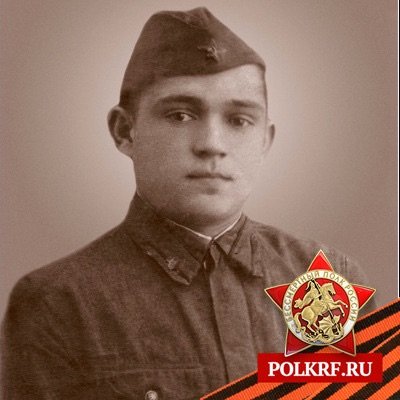
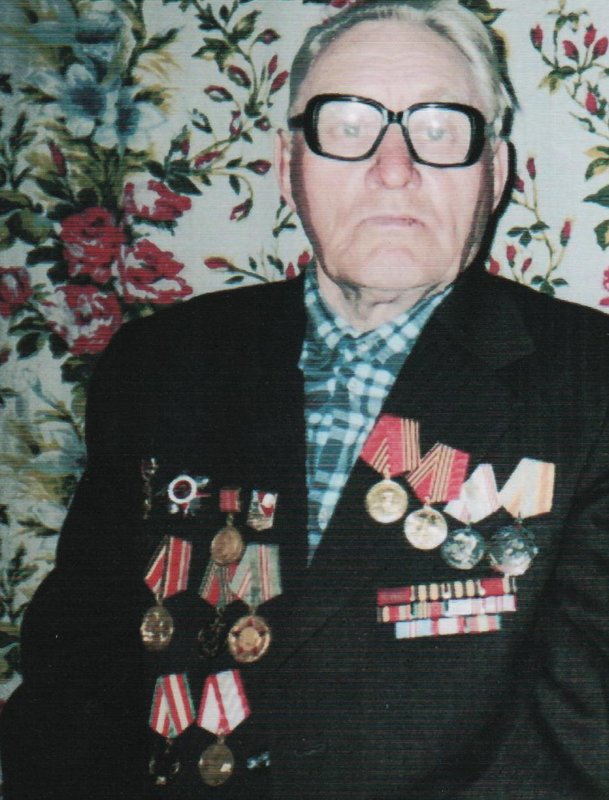
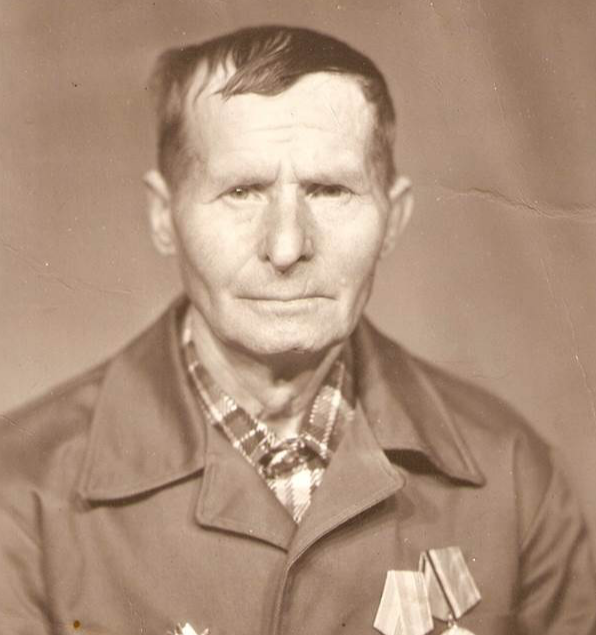
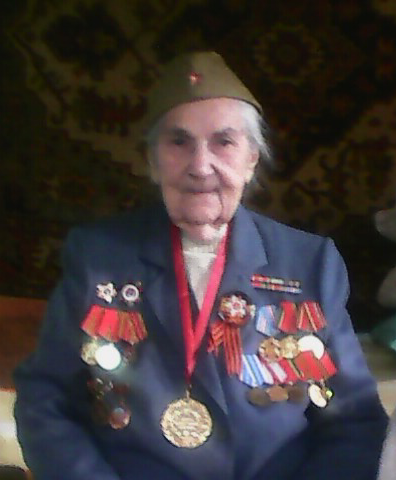
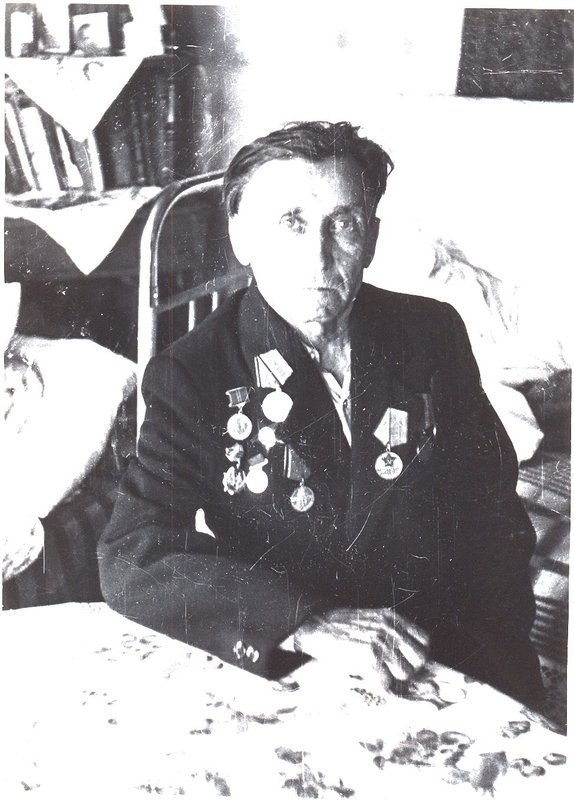
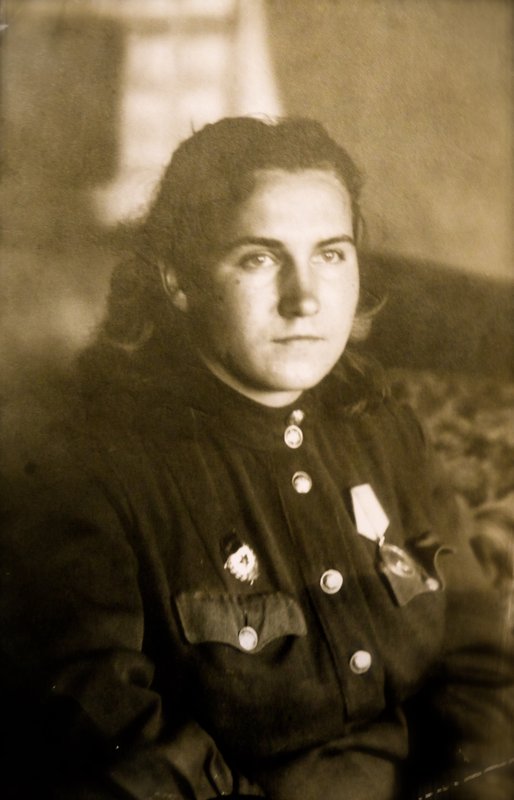
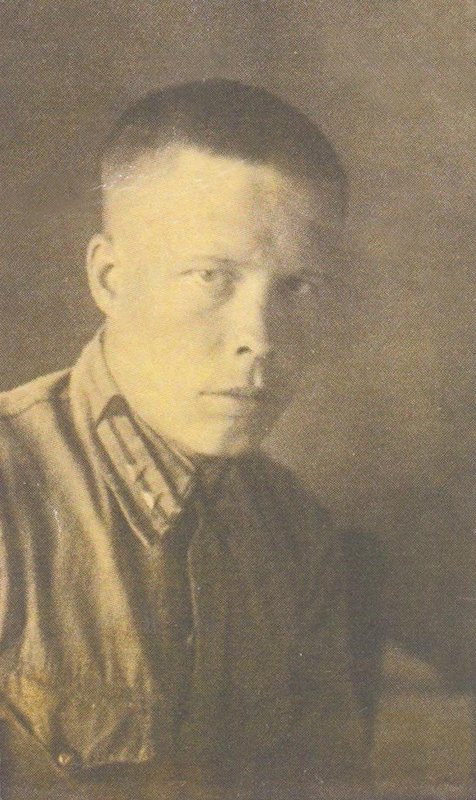
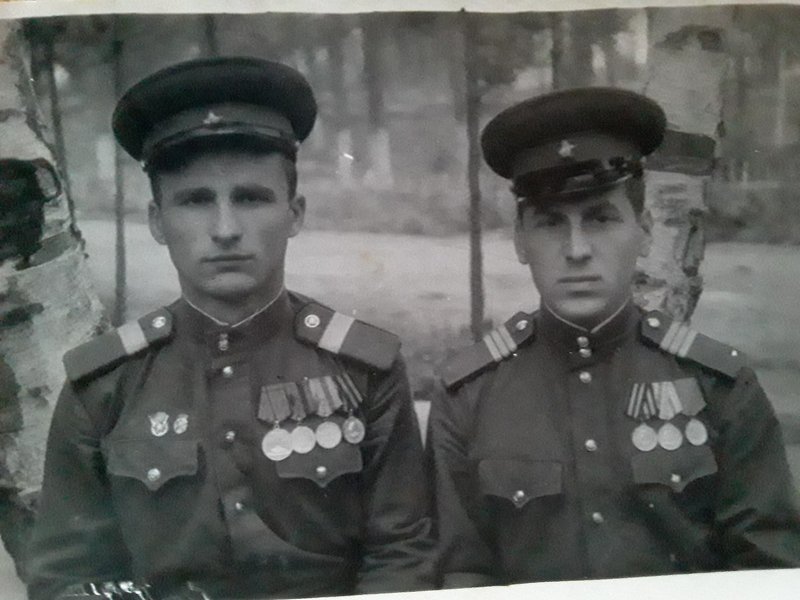
Prokhorova Alexandra Stepanovna
DATE OF BIRTH: 04/12/1925 _x000D_
DATE OF DEATH: 02/20/2012 _x000D_
Branch of troops: Artillery_x000D_
Alexandra Stepanovna was born on April 12, 1925 in the village of Gostishchevo, Belgorod Region. When she was one and a half years old, her father was sent to work in Donbass, in the city of Kramatorsk. She lived there until the beginning of the war. She entered a medical school, where she had been for 2 years. _x000D_
When the war began, the father was immediately taken to the front, the family members of the plant workers were evacuated. During the evacuation, the convoy, which included Sasha and his mother, came under fire near Kharkov. There were many victims, but they managed to survive. Alone, in a strange city, without shelter, without food. They decided to go to the Belgorod Region, where there were relatives. They walked along the railway tracks for a whole month, spent the night wherever, and ate what God would send. _x000D_
In 1941 Belgorod was occupied by the Germans, but there was nowhere else to go. For a year and a half Sasha was a messenger in a partisan detachment. At this time, the Nazis massively sent Russian people to Germany as free labor. They chose young, healthy and hardy girls. Sasha was 17 years old, she just met all the criteria. To stay home, Sasha treated her body with lapis, a substance that causes burns. The body was covered with spots and blisters, everything hurt wildly. But the Germans were afraid that she was sick and left her at home._x000D_
Later, after the war, Alexandra talked with her aunt, who ended up in Germany labor camps. In 1942 she was only 18 years old. They sent her and other girls in a boxcar, standing. They were forced to work in pigsties, where they spent the night, and fed them, too, along with the pigs. And all this continued until the liberation by our troops. Our young beautiful girls were treated like animals! _x000D_
Later after liberation of Belgorod, Alexandra moved to the village of Prokhorovka to dug trenches. Once she was walking with a friend for water. A soldier walked in the distance across the field. A friend told Sasha that the soldier looked like her father, whom Sasha had not seen for 2 years. Sasha did not believe it, but decided to shout: "Daddy!" He responded. They hugged each other and cried. _x000D_
My father served nearby. He began to take care of his daughter. Food then was very hard to find, and the father regularly brought something to Sasha, she shared with her friend. This went on for about two months. The girls knew that he came at about the same time. And one day at that time they heard the sound of a mine exploding in the field, and ran there. Sasha saw her father already on the cart without both legs. The last thing he said to her was: “Sweetie, now I am not able to bring you food.” _x000D_
He was taken to the hospital. It was on this day that the hospital was bombed. Sasha never saw her father. Many doctors and medical workers were also killed. The head of the hospital started looking for people who have at least some medical education. Sasha had 2 years of medical school behind him. So Sasha joined the Red Army. _x000D_
It was July 1943, the village of Prokhorovka was the very village that went down in history with the famous tank battle on the Kursk Bulge. _x000D_
From the stories of Alexandra Stepanovna: A huge field of ripening rye was growing like a golden sea with no shores. And on this field appeared tanks, a huge number of tanks. The nice summer glitter of morning sun rays turned to a sea of fire. There was nothing to breathe. A drunken fascist with a naked torso and a rifle in his hands, shooting right and left indiscriminately. Shouts of "Sister!" were heard from everywhere. And Sasha hurried to these screams, dragged the wounded on herself, provided first aid. She did not have time to be scared, it was hard work and desire to help those in pain and take revenge for the death of the father. _x000D_
Alexandra went through the whole war with a line from a song as a motto: “I want an instant death, and if I am wounded let it be small… ”_x000D_
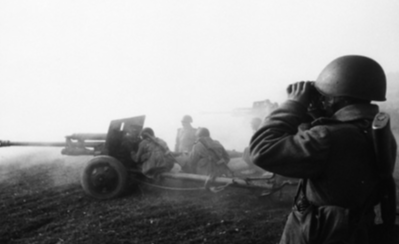
And truly, there was only a single wound at the end of the war in Austria in 1945, on the border with Germany. Until 1945, Alexandra, as part of the 136th Artillery Brigade, went through Ukraine, Bessarabia, Romania, Yugoslavia, and Austria. _x000D_
In 1944, near Budapest, the Brigade was pressed by the Germans to the banks of the Danube. There was a catastrophic lack of resources, there were many lethalities. It was a matter of honor to save the Brigade banner. They built a raft. The banner was wrapped around Sasha. She did not know how to swim, they put an inflated tire on top as a circle. She was sent to the other side, accompanied by two soldiers. While they were crossing, a German aircraft began bombing. Sasha knew that she could not drown, because she must save the banner by all means. She lay down on the raft, grabbed hold of it with her hands. When exhausted, she went ashore, there was only one soldier with her. The second was wounded and carried away by the current. On the shore, they were met by our tank division, which drove the Germans 10 kilometers away. The banner was saved. _x000D_
Alexandra was about to reach Berlin. But she was wounded on April 16, 1945 on the border of Austria and Germany. She ran to the aid of a wounded soldier. The shell hit him directly. In front of her, it tore apart, and one of the fragments hit her right cheek. Sasha was concussed. Wounded, she was admitted to the hospital. When she began to recover, she was doing some work for the wounded. _x000D_
A colonel with severe burns lay in one of the chambers. 3 weeks before the Victory, a burning German aircraft fell on his car passing over the bridge. Miraculously, he managed to escape. He got out of the car and, covering his eyes with his hands, walked straight through the fire. He survived, but was very badly burned. Especially the hands. They even wanted to amputate them, if not for Sasha. She became very attached to this Colonel. Through a German woman who worked as a nurse, she learned that there was an Austrian professor in the city who specialized in treating burns. Sasha found a captain who spoke German and went with him to persuade the professor to help. He said that he could help, but did not know how to get to the hospital. Then Sasha and the Captain dressed the professor in Soviet uniforms and brought them to the Colonel. The treatment prescribed by him saved his hands, on which he promised to carry his Sasha all his life. _x000D_
He wrote a letter to her mother asking for her hand. Mom blessed them, despite the 15-year age difference. So they lived together all their life. They celebrated Victory Day in 1945 in the hospital. Everyone was crying with happiness. And then for many years they did not like the sound of fireworks. It reminded them a sound of the war.
Prokhorova Alexandra Stepanovna
DATE OF BIRTH: 04/12/1925 _x000D_
DATE OF DEATH: 02/20/2012 _x000D_
Branch of troops: Artillery_x000D_
Alexandra Stepanovna was born on April 12, 1925 in the village of Gostishchevo, Belgorod Region. When she was one and a half years old, her father was sent to work in Donbass, in the city of Kramatorsk. She lived there until the beginning of the war. She entered a medical school, where she had been for 2 years. _x000D_
When the war began, the father was immediately taken to the front, the family members of the plant workers were evacuated. During the evacuation, the convoy, which included Sasha and his mother, came under fire near Kharkov. There were many victims, but they managed to survive. Alone, in a strange city, without shelter, without food. They decided to go to the Belgorod Region, where there were relatives. They walked along the railway tracks for a whole month, spent the night wherever, and ate what God would send. _x000D_
In 1941 Belgorod was occupied by the Germans, but there was nowhere else to go. For a year and a half Sasha was a messenger in a partisan detachment. At this time, the Nazis massively sent Russian people to Germany as free labor. They chose young, healthy and hardy girls. Sasha was 17 years old, she just met all the criteria. To stay home, Sasha treated her body with lapis, a substance that causes burns. The body was covered with spots and blisters, everything hurt wildly. But the Germans were afraid that she was sick and left her at home._x000D_
Later, after the war, Alexandra talked with her aunt, who ended up in Germany labor camps. In 1942 she was only 18 years old. They sent her and other girls in a boxcar, standing. They were forced to work in pigsties, where they spent the night, and fed them, too, along with the pigs. And all this continued until the liberation by our troops. Our young beautiful girls were treated like animals! _x000D_
Later after liberation of Belgorod, Alexandra moved to the village of Prokhorovka to dug trenches. Once she was walking with a friend for water. A soldier walked in the distance across the field. A friend told Sasha that the soldier looked like her father, whom Sasha had not seen for 2 years. Sasha did not believe it, but decided to shout: "Daddy!" He responded. They hugged each other and cried. _x000D_
My father served nearby. He began to take care of his daughter. Food then was very hard to find, and the father regularly brought something to Sasha, she shared with her friend. This went on for about two months. The girls knew that he came at about the same time. And one day at that time they heard the sound of a mine exploding in the field, and ran there. Sasha saw her father already on the cart without both legs. The last thing he said to her was: “Sweetie, now I am not able to bring you food.” _x000D_
He was taken to the hospital. It was on this day that the hospital was bombed. Sasha never saw her father. Many doctors and medical workers were also killed. The head of the hospital started looking for people who have at least some medical education. Sasha had 2 years of medical school behind him. So Sasha joined the Red Army. _x000D_
It was July 1943, the village of Prokhorovka was the very village that went down in history with the famous tank battle on the Kursk Bulge. _x000D_
From the stories of Alexandra Stepanovna: A huge field of ripening rye was growing like a golden sea with no shores. And on this field appeared tanks, a huge number of tanks. The nice summer glitter of morning sun rays turned to a sea of fire. There was nothing to breathe. A drunken fascist with a naked torso and a rifle in his hands, shooting right and left indiscriminately. Shouts of "Sister!" were heard from everywhere. And Sasha hurried to these screams, dragged the wounded on herself, provided first aid. She did not have time to be scared, it was hard work and desire to help those in pain and take revenge for the death of the father. _x000D_
Alexandra went through the whole war with a line from a song as a motto: “I want an instant death, and if I am wounded let it be small… ”_x000D_
And truly, there was only a single wound at the end of the war in Austria in 1945, on the border with Germany. Until 1945, Alexandra, as part of the 136th Artillery Brigade, went through Ukraine, Bessarabia, Romania, Yugoslavia, and Austria. _x000D_
In 1944, near Budapest, the Brigade was pressed by the Germans to the banks of the Danube. There was a catastrophic lack of resources, there were many lethalities. It was a matter of honor to save the Brigade banner. They built a raft. The banner was wrapped around Sasha. She did not know how to swim, they put an inflated tire on top as a circle. She was sent to the other side, accompanied by two soldiers. While they were crossing, a German aircraft began bombing. Sasha knew that she could not drown, because she must save the banner by all means. She lay down on the raft, grabbed hold of it with her hands. When exhausted, she went ashore, there was only one soldier with her. The second was wounded and carried away by the current. On the shore, they were met by our tank division, which drove the Germans 10 kilometers away. The banner was saved. _x000D_
Alexandra was about to reach Berlin. But she was wounded on April 16, 1945 on the border of Austria and Germany. She ran to the aid of a wounded soldier. The shell hit him directly. In front of her, it tore apart, and one of the fragments hit her right cheek. Sasha was concussed. Wounded, she was admitted to the hospital. When she began to recover, she was doing some work for the wounded. _x000D_
A colonel with severe burns lay in one of the chambers. 3 weeks before the Victory, a burning German aircraft fell on his car passing over the bridge. Miraculously, he managed to escape. He got out of the car and, covering his eyes with his hands, walked straight through the fire. He survived, but was very badly burned. Especially the hands. They even wanted to amputate them, if not for Sasha. She became very attached to this Colonel. Through a German woman who worked as a nurse, she learned that there was an Austrian professor in the city who specialized in treating burns. Sasha found a captain who spoke German and went with him to persuade the professor to help. He said that he could help, but did not know how to get to the hospital. Then Sasha and the Captain dressed the professor in Soviet uniforms and brought them to the Colonel. The treatment prescribed by him saved his hands, on which he promised to carry his Sasha all his life. _x000D_
He wrote a letter to her mother asking for her hand. Mom blessed them, despite the 15-year age difference. So they lived together all their life. They celebrated Victory Day in 1945 in the hospital. Everyone was crying with happiness. And then for many years they did not like the sound of fireworks. It reminded them a sound of the war.
0 comment




2026 © Russian Military Historical Society Developed by Jetmix