Back to
album
album
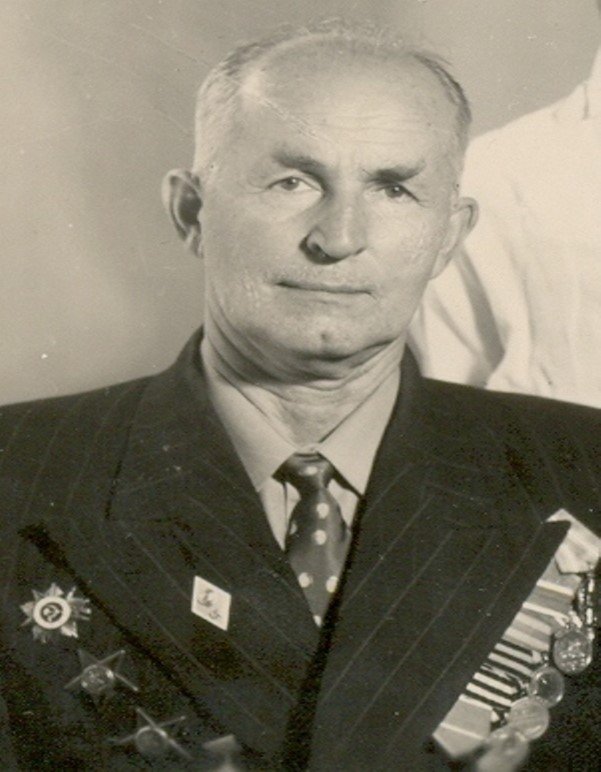
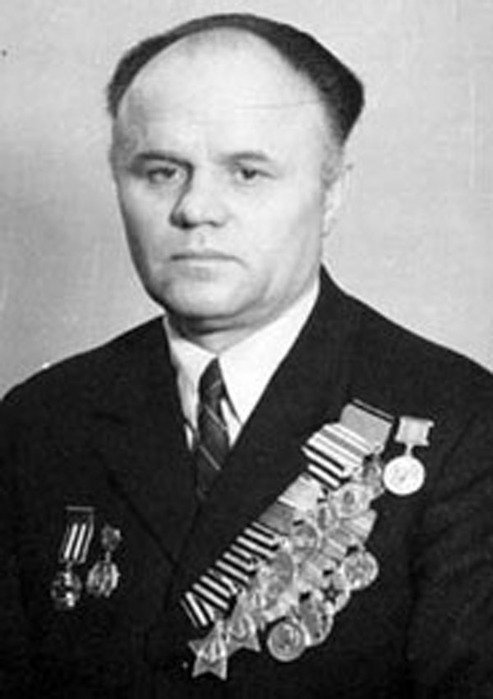
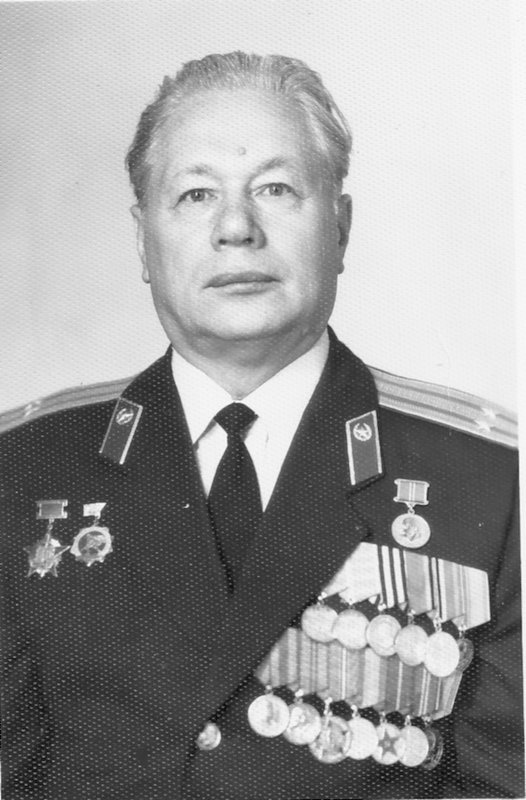
Pliev Issa Alexandrovich
Rank: General of the Army, Twice Hero of the Soviet Union_x000D_
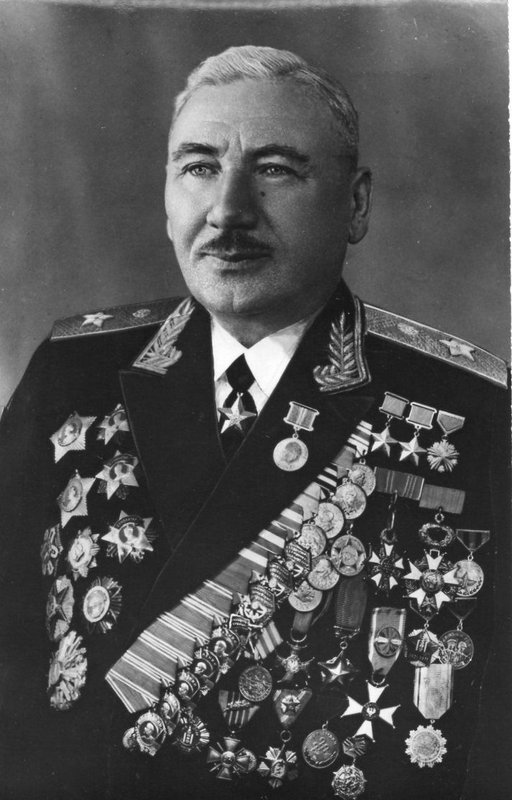
Pliev Issa Aleksandrovich is a Soviet military leader, General of the army, Commander of the North Caucasian Military District, 1958-1968 Twice Hero of the Soviet Union, Hero of the Mongolian People's Republic,_x000D_
Issa Pliev was born on November 12 (25), 1903 in the village of Old Batako of the Tersk Region, now the Right-Bank Region of the Republic of North Ossetia, into a large family of a poor peasant Alexander Pliev. He had been to the army since March 1922. He served as a Red Army soldier in a special detachment under the special department of the Separate Caucasian Army. In June 1923 he was transferred to the reserve. In August he was again drafted into the army and sent to the Leningrad Cavalry School, from which he graduated in 1926. From October 1940 he studied at the Military Academy of the General Staff, which he graduated ahead of schedule in June 1941. _x000D_
At the beginning of World War II, the Commander of the 50th Separate Cavalry Division, which participated in the combat of Smolensk and the defense of Moscow as part of the Western Front, twice raided the rear of the German Army Group Center in the Smolensk Region and in the Moscow Region. _x000D_
In September 1941, Pliev was promoted to the rank of Major General, and the division was soon reorganized into the 3rd Guards Cavalry. _x000D_
Since December 1941 he had been a Commander of 2nd Guards Cavalry Corps, which, as part of the 16th and 20th armies of the Western Front, took part in the defeat of the Nazi troops near Moscow. Since April 1942, he was the Commander of 5th Cavalry Corps, which, as part of the troops of the Southern Front in May-June, fought heavy defensive battles south of the city of Izium in Ukraine. _x000D_
Since July 1942 he had been the Commander of the 3rd Guards Cavalry Corps, which fought in the Stalingrad, Don and Southwestern Fronts. Participated in the combat of Stalingrad. In February - May 1943 he was an Acting Deputy Commander of 5th Guards Tank Army on the Voronezh Front, since May 1943 - Acting Deputy Commander of the Steppe Military District (since July 1943 - Steppe Front). He participated in the combat of Kursk and the liberation of the Left-Bank Ukraine. _x000D_
In October 1943 he was awarded the rank of Lieutenant General. In November 1943—November 1944 he had been Commander of 4th Guards Cavalry Corps, part of the Mechanized Cavalry group of the 3rd Ukrainian Front, and Issa Pliev was appointed its Commander. _x000D_
He had been a participant of the Soviet-Japanese War of 1945. He commanded a Mechanized Cavalry group of the Trans-Baikal Front during the Khingano-Mukden offensive operation. For skilful leadership of units and personal courage and heroism shown in battles, by the Decree of the Presidium of the Supreme Soviet of the USSR of September 8, 1945, he was awarded the second Gold Star medal. Soviet decorations: 6 Orders of Lenin, October Revolution, 3 Orders of the Red Banner, 2 Orders of Suvorov 1st class, Order of Kutuzov 1st class; _x000D_
Foreign decorations: Mongolian People's Republic—3 Orders of Sukhe-Bator, Red Banner, Polar Star; Poland—Renaissance of Poland 4th century, Virtuti Militari 5th century, USA—Legion of honor 2nd century, Czechoslovakia—Red Banner He had been a Candidate to the Central Committee of the Communist Party in 1961-1966. The monument and the bronze bust are installed in Vladikavkaz, the monument is in his native village. A square and a street in Vladikavkaz, streets in the cities of Nazran, Beslan and Novoshakhtinsk (Rostov Region), the village of Pashkovsky (within the boundaries of Krasnodar) and many settlements of Ingushetia and North Ossetia, a side street in Rostov-on-Don bear his name.
Pliev Issa Alexandrovich
Rank: General of the Army, Twice Hero of the Soviet Union_x000D_
Pliev Issa Aleksandrovich is a Soviet military leader, General of the army, Commander of the North Caucasian Military District, 1958-1968 Twice Hero of the Soviet Union, Hero of the Mongolian People's Republic,_x000D_
Issa Pliev was born on November 12 (25), 1903 in the village of Old Batako of the Tersk Region, now the Right-Bank Region of the Republic of North Ossetia, into a large family of a poor peasant Alexander Pliev. He had been to the army since March 1922. He served as a Red Army soldier in a special detachment under the special department of the Separate Caucasian Army. In June 1923 he was transferred to the reserve. In August he was again drafted into the army and sent to the Leningrad Cavalry School, from which he graduated in 1926. From October 1940 he studied at the Military Academy of the General Staff, which he graduated ahead of schedule in June 1941. _x000D_
At the beginning of World War II, the Commander of the 50th Separate Cavalry Division, which participated in the combat of Smolensk and the defense of Moscow as part of the Western Front, twice raided the rear of the German Army Group Center in the Smolensk Region and in the Moscow Region. _x000D_
In September 1941, Pliev was promoted to the rank of Major General, and the division was soon reorganized into the 3rd Guards Cavalry. _x000D_
Since December 1941 he had been a Commander of 2nd Guards Cavalry Corps, which, as part of the 16th and 20th armies of the Western Front, took part in the defeat of the Nazi troops near Moscow. Since April 1942, he was the Commander of 5th Cavalry Corps, which, as part of the troops of the Southern Front in May-June, fought heavy defensive battles south of the city of Izium in Ukraine. _x000D_
Since July 1942 he had been the Commander of the 3rd Guards Cavalry Corps, which fought in the Stalingrad, Don and Southwestern Fronts. Participated in the combat of Stalingrad. In February - May 1943 he was an Acting Deputy Commander of 5th Guards Tank Army on the Voronezh Front, since May 1943 - Acting Deputy Commander of the Steppe Military District (since July 1943 - Steppe Front). He participated in the combat of Kursk and the liberation of the Left-Bank Ukraine. _x000D_
In October 1943 he was awarded the rank of Lieutenant General. In November 1943—November 1944 he had been Commander of 4th Guards Cavalry Corps, part of the Mechanized Cavalry group of the 3rd Ukrainian Front, and Issa Pliev was appointed its Commander. _x000D_
He had been a participant of the Soviet-Japanese War of 1945. He commanded a Mechanized Cavalry group of the Trans-Baikal Front during the Khingano-Mukden offensive operation. For skilful leadership of units and personal courage and heroism shown in battles, by the Decree of the Presidium of the Supreme Soviet of the USSR of September 8, 1945, he was awarded the second Gold Star medal. Soviet decorations: 6 Orders of Lenin, October Revolution, 3 Orders of the Red Banner, 2 Orders of Suvorov 1st class, Order of Kutuzov 1st class; _x000D_
Foreign decorations: Mongolian People's Republic—3 Orders of Sukhe-Bator, Red Banner, Polar Star; Poland—Renaissance of Poland 4th century, Virtuti Militari 5th century, USA—Legion of honor 2nd century, Czechoslovakia—Red Banner He had been a Candidate to the Central Committee of the Communist Party in 1961-1966. The monument and the bronze bust are installed in Vladikavkaz, the monument is in his native village. A square and a street in Vladikavkaz, streets in the cities of Nazran, Beslan and Novoshakhtinsk (Rostov Region), the village of Pashkovsky (within the boundaries of Krasnodar) and many settlements of Ingushetia and North Ossetia, a side street in Rostov-on-Don bear his name.
0 comment



2026 © Russian Military Historical Society Developed by Jetmix