Back to
album
album
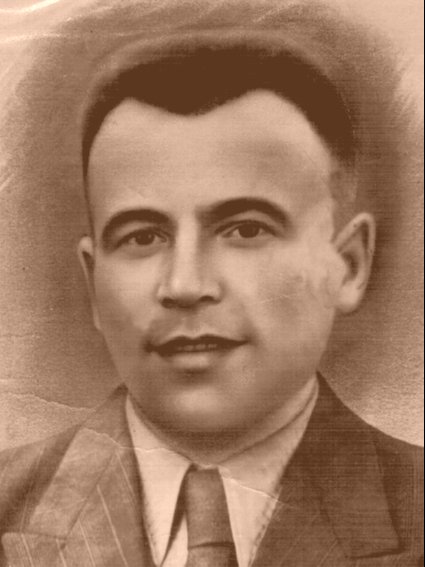
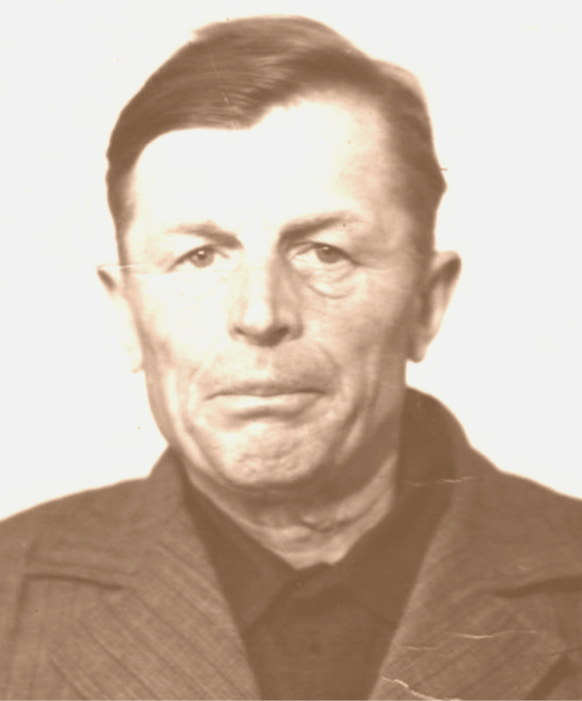
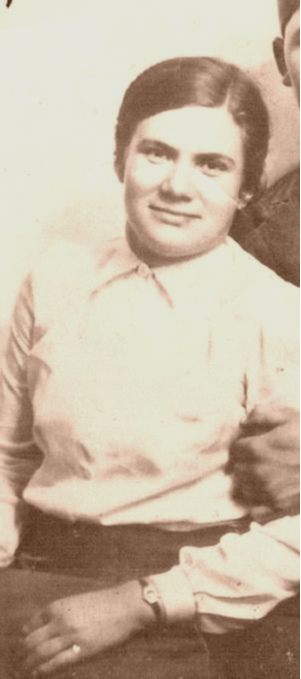
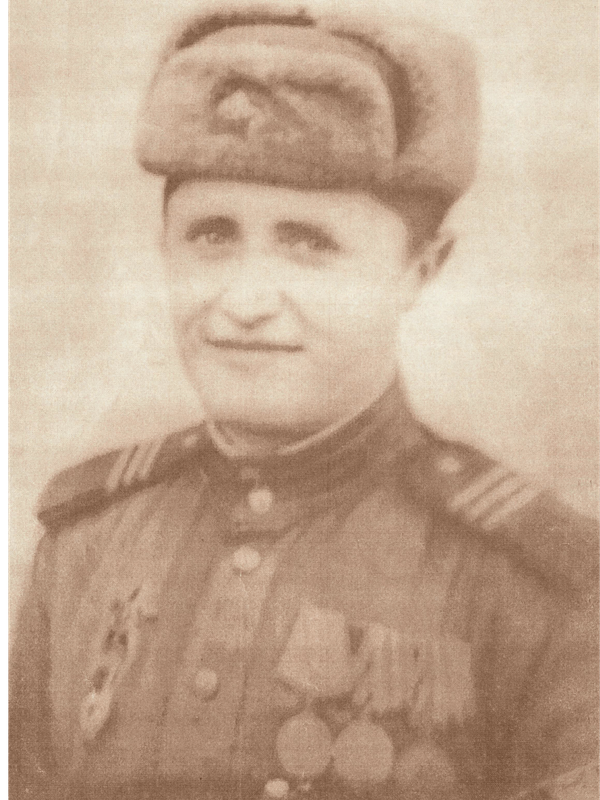
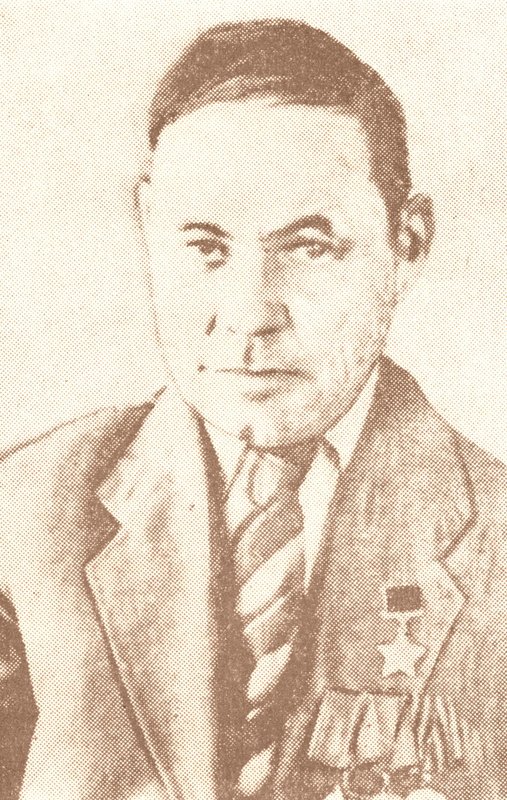
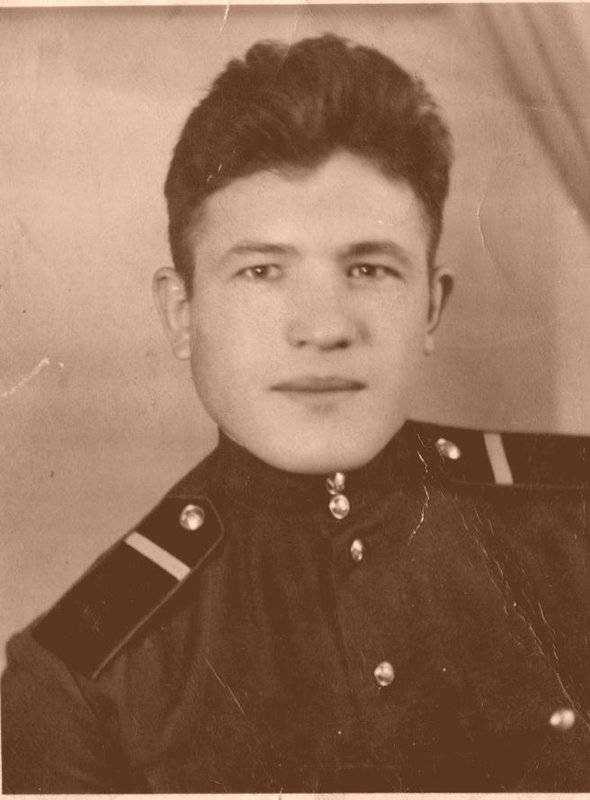
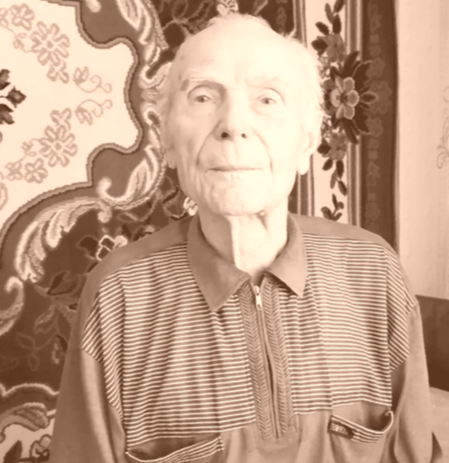
Prokhorov George Grigorievich
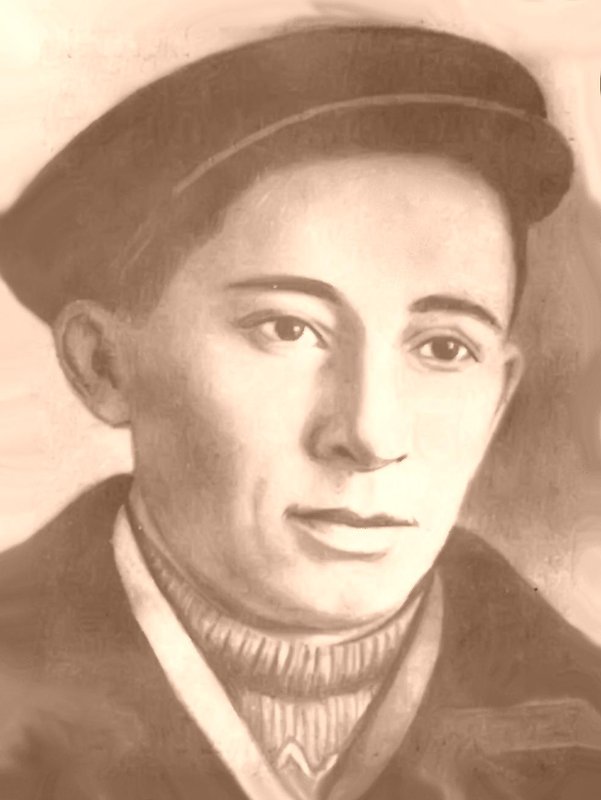
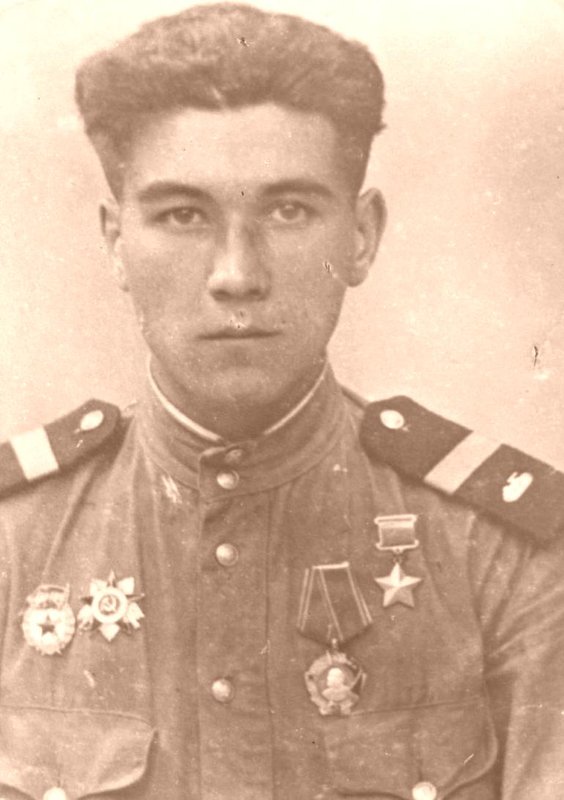
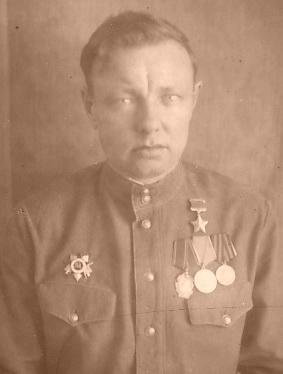
Full name: Prokhorov George Grigorievich last NAME: Prokhorov NAME: George middle name: G. CITY: D. Casino-tyukalinsk district of Omsk region DATE of BIRTH: 19.01.1923 DATE of DEATH: - HISTORY: Prokhorov George G. was born 19 January 1923 in the village Casino tyukalinsk district of Omsk region. On June 5, 1941, as an 18-year-old boy, he was drafted into the army. He began his military service in the city of Omsk in the military infantry school in a rifle company as a cadet, where the Great Patriotic war found him. His way of fighting Prokhorov G. G. he began in September 1941 in the rifle division as the commander of the anti-tank rifle calculation. In December 1941, he participated in the counteroffensive near Moscow, in which on December 17 he received his first wound, which, fortunately, turned out to be light. Later, Georgy Prokhorov took part in a defensive battle, as well as in a counteroffensive and encirclement of a group of German-fascist troops near Stalingrad, where he was seriously wounded on September 17, 1942. After prolonged treatment in January 1943, Prokhorov was sent to a training regiment in the school of foremen, and in November 1943, he was again at the front. From December 1944, Sergeant Prokhorov participated in the battles to capture the Russian pass and liberate the territory of Hungary and Austria, for which he was awarded the medals "for the capture of Budapest" and "for the capture of Vienna". I know from my grandfather's stories that in Austria he captured a German officer with two briefcases, one containing documents and the other containing jewelry, and all the trophies were taken to headquarters. However, for Prokhorov, the celebration of The victory over Germany on may 9, 1945 was short-lived. After the end of military operations in the West, he was transferred to the East as part of another unit and took part in the defeat of imperialist Japan. During the great Patriotic war, my grandfather was awarded two orders (world war II class and the red star) and three medals ("for the capture of Vienna", "for the capture of Budapest" and "for the Victory over Germany in the great Patriotic war of 1941-1945"). After the end of the war, Sergeant Prokhorov continued his military service in China and only in 1948 was discharged from the army. He returned home, got married,and had two sons. For a long time, my grandfather worked as an accountant on a collective farm in the village of Stary Koshkul in the Tyukalinsky district of the Omsk region. In may 1996, after a long illness, he died. I found some award lists. So, in the award list for the grandfather with the description of his military merits it is specified: "Comrade Prokhorov during his service in the 206th red banner rifle regiment showed examples of courage and bravery. In the battles with the German invaders for the capture of the village of Pandorf, comrade Prokhorov personally visited the battle formations of the rifle divisions, and encouraged them to heroic deeds. In the battles for the mastery of the village of Negligent comrade Prokhorov personally led the soldiers to storm the enemy trenches, and had brilliant success." Our family archive still contains my grandfather's red army book, his orders and medals. We keep them as the Apple of our eye, because they are a family heirloom and an eternal memory of our heroic ancestor. As Boris Likharev wrote in his poems: "Your distant grandson will take the hero's medal with reverence. From generation to generation, it will pass to descendants."
Prokhorov George Grigorievich
Full name: Prokhorov George Grigorievich last NAME: Prokhorov NAME: George middle name: G. CITY: D. Casino-tyukalinsk district of Omsk region DATE of BIRTH: 19.01.1923 DATE of DEATH: - HISTORY: Prokhorov George G. was born 19 January 1923 in the village Casino tyukalinsk district of Omsk region. On June 5, 1941, as an 18-year-old boy, he was drafted into the army. He began his military service in the city of Omsk in the military infantry school in a rifle company as a cadet, where the Great Patriotic war found him. His way of fighting Prokhorov G. G. he began in September 1941 in the rifle division as the commander of the anti-tank rifle calculation. In December 1941, he participated in the counteroffensive near Moscow, in which on December 17 he received his first wound, which, fortunately, turned out to be light. Later, Georgy Prokhorov took part in a defensive battle, as well as in a counteroffensive and encirclement of a group of German-fascist troops near Stalingrad, where he was seriously wounded on September 17, 1942. After prolonged treatment in January 1943, Prokhorov was sent to a training regiment in the school of foremen, and in November 1943, he was again at the front. From December 1944, Sergeant Prokhorov participated in the battles to capture the Russian pass and liberate the territory of Hungary and Austria, for which he was awarded the medals "for the capture of Budapest" and "for the capture of Vienna". I know from my grandfather's stories that in Austria he captured a German officer with two briefcases, one containing documents and the other containing jewelry, and all the trophies were taken to headquarters. However, for Prokhorov, the celebration of The victory over Germany on may 9, 1945 was short-lived. After the end of military operations in the West, he was transferred to the East as part of another unit and took part in the defeat of imperialist Japan. During the great Patriotic war, my grandfather was awarded two orders (world war II class and the red star) and three medals ("for the capture of Vienna", "for the capture of Budapest" and "for the Victory over Germany in the great Patriotic war of 1941-1945"). After the end of the war, Sergeant Prokhorov continued his military service in China and only in 1948 was discharged from the army. He returned home, got married,and had two sons. For a long time, my grandfather worked as an accountant on a collective farm in the village of Stary Koshkul in the Tyukalinsky district of the Omsk region. In may 1996, after a long illness, he died. I found some award lists. So, in the award list for the grandfather with the description of his military merits it is specified: "Comrade Prokhorov during his service in the 206th red banner rifle regiment showed examples of courage and bravery. In the battles with the German invaders for the capture of the village of Pandorf, comrade Prokhorov personally visited the battle formations of the rifle divisions, and encouraged them to heroic deeds. In the battles for the mastery of the village of Negligent comrade Prokhorov personally led the soldiers to storm the enemy trenches, and had brilliant success." Our family archive still contains my grandfather's red army book, his orders and medals. We keep them as the Apple of our eye, because they are a family heirloom and an eternal memory of our heroic ancestor. As Boris Likharev wrote in his poems: "Your distant grandson will take the hero's medal with reverence. From generation to generation, it will pass to descendants."
0 comment



2026 © Russian Military Historical Society Developed by Jetmix