Back to
album
album
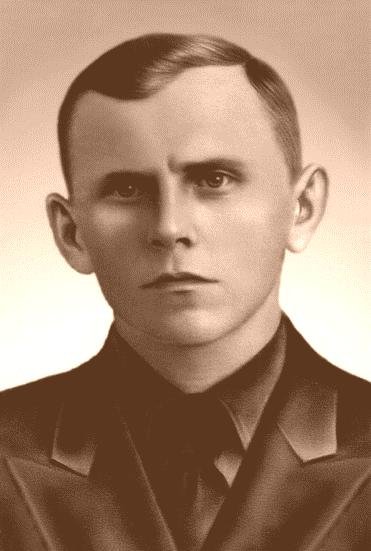
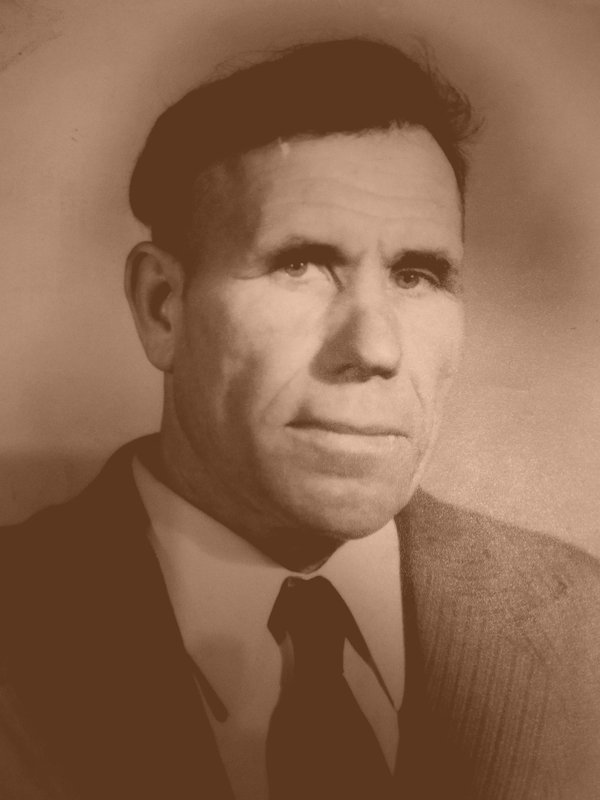

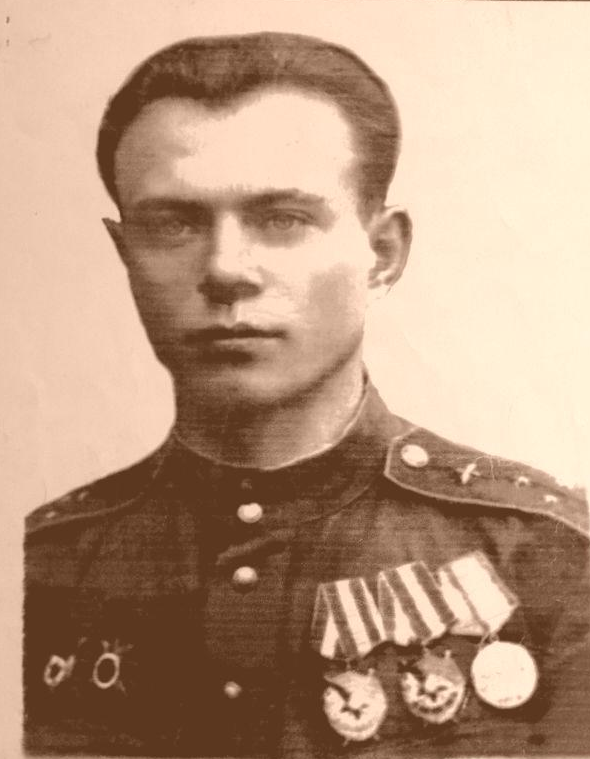
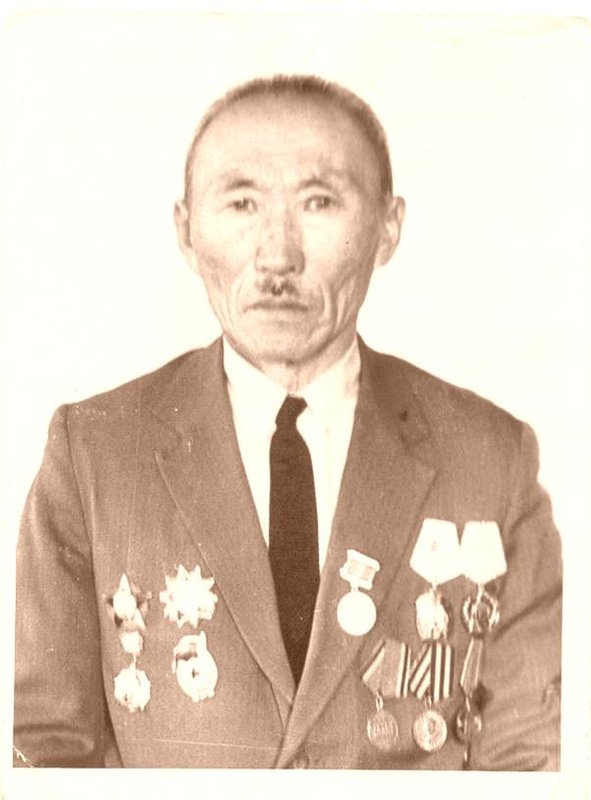
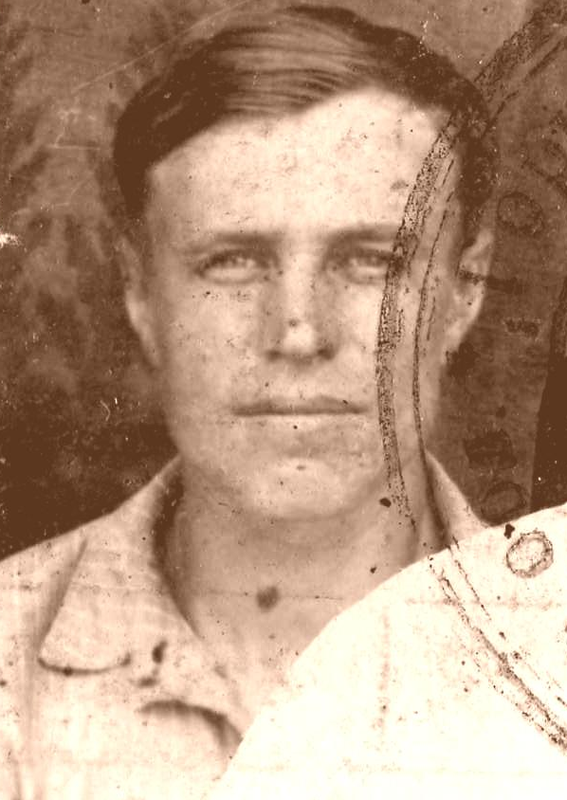
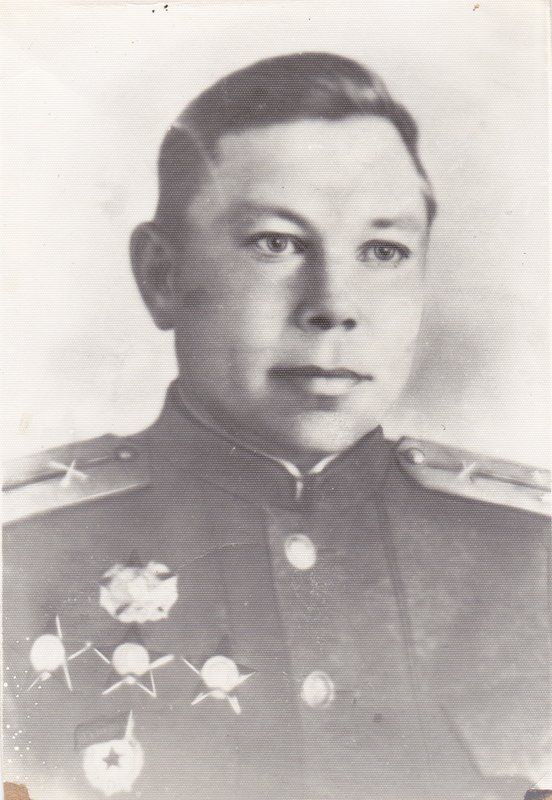
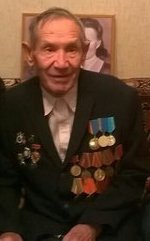
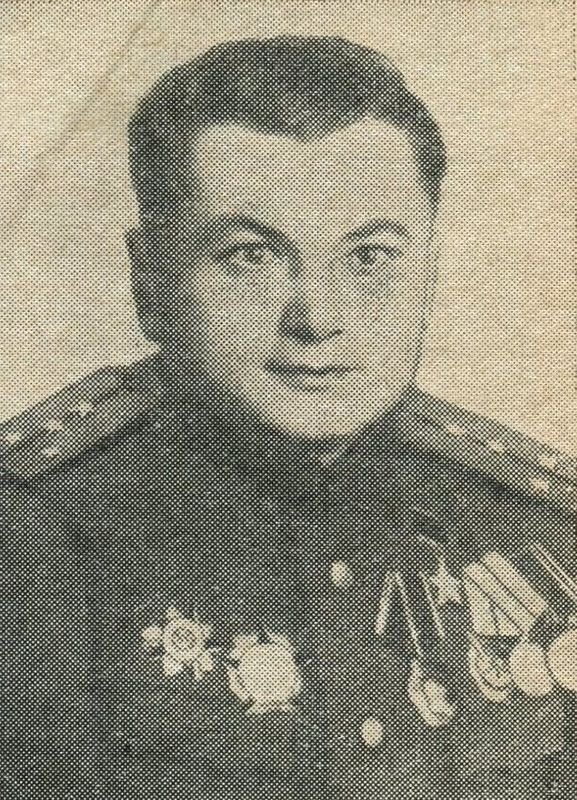
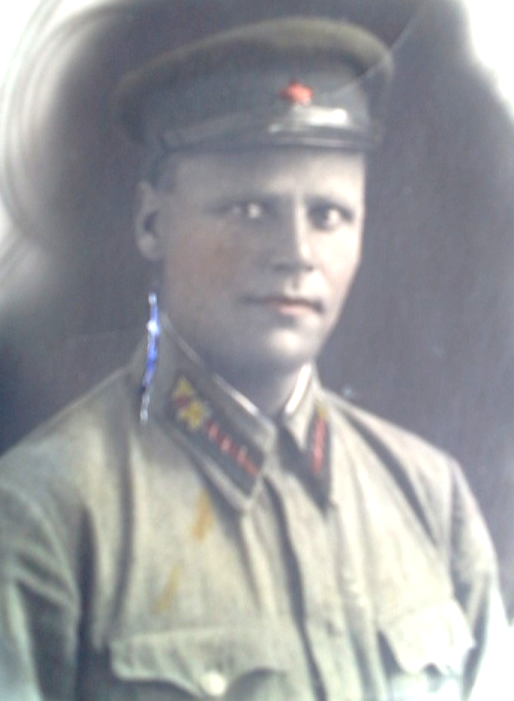
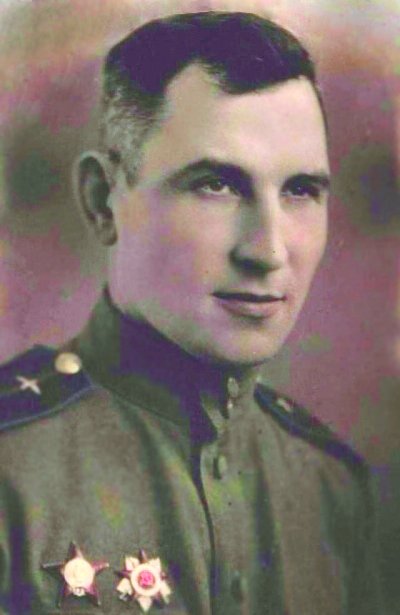
Bychkov Egor Sidorovich
Bychkov Yegor Sidorovich was born in 1915 or 1917 in the village of V.-Yashinka, Yeltsovsky district of Altai Territory. A member of the Communist Party of the Soviet Union, on July 12, 1942, he volunteered for the Workers 'and Peasants' Red Army and was sent to the front by the Kuzedeevsky regional military enlistment office of the West Siberian Military District. On July 23, 1942, at the Yurga station of the Novosibirsk (now Kemerovo) region, the formation of the 150th rifle division of Siberian volunteers took place. On the morning of September 14, 1942, the division's transfer by rail to the west began. From 23 to 30 September 1942, the Siberian Volunteer Division was in camps near Moscow. Here it was replenished with military equipment, vehicles and partly with weapons. After checking the combat readiness of the units, the division was transferred by rail to the unloading points - the Selizharovo and Shuvaevo stations. From here the Siberian Volunteer Division made a 170-kilometer march under the city of Bely. On November 16, 1942, the 150th Infantry Division in the 41st Army began to prepare for hostilities. From November 24, 1942 to January 20, 1943, units of the division fought fierce battles with the enemy in the area of the city of Bely. The active actions of our troops in this sector of the Kalinin Front forced the German command to urgently transfer 12 new divisions to the "Rzhevsky salient" area and thereby significantly weaken their forces already moving towards Stalingrad. At the cost of enormous losses, the Siberian volunteers for several months constrained the actions of the selected Nazi troops of the Center group. The success of the Battle of Stalingrad, a turning point in the course of the Great Patriotic War, was largely ensured by the bloody battles on the Kalinin (Tver) land. The feat of the Siberians became a vivid evidence of their high patriotism and unparalleled courage.
Bychkov Egor Sidorovich
Bychkov Yegor Sidorovich was born in 1915 or 1917 in the village of V.-Yashinka, Yeltsovsky district of Altai Territory. A member of the Communist Party of the Soviet Union, on July 12, 1942, he volunteered for the Workers 'and Peasants' Red Army and was sent to the front by the Kuzedeevsky regional military enlistment office of the West Siberian Military District. On July 23, 1942, at the Yurga station of the Novosibirsk (now Kemerovo) region, the formation of the 150th rifle division of Siberian volunteers took place. On the morning of September 14, 1942, the division's transfer by rail to the west began. From 23 to 30 September 1942, the Siberian Volunteer Division was in camps near Moscow. Here it was replenished with military equipment, vehicles and partly with weapons. After checking the combat readiness of the units, the division was transferred by rail to the unloading points - the Selizharovo and Shuvaevo stations. From here the Siberian Volunteer Division made a 170-kilometer march under the city of Bely. On November 16, 1942, the 150th Infantry Division in the 41st Army began to prepare for hostilities. From November 24, 1942 to January 20, 1943, units of the division fought fierce battles with the enemy in the area of the city of Bely. The active actions of our troops in this sector of the Kalinin Front forced the German command to urgently transfer 12 new divisions to the "Rzhevsky salient" area and thereby significantly weaken their forces already moving towards Stalingrad. At the cost of enormous losses, the Siberian volunteers for several months constrained the actions of the selected Nazi troops of the Center group. The success of the Battle of Stalingrad, a turning point in the course of the Great Patriotic War, was largely ensured by the bloody battles on the Kalinin (Tver) land. The feat of the Siberians became a vivid evidence of their high patriotism and unparalleled courage.
0 comment




2026 © Russian Military Historical Society Developed by Jetmix