Back to
album
album
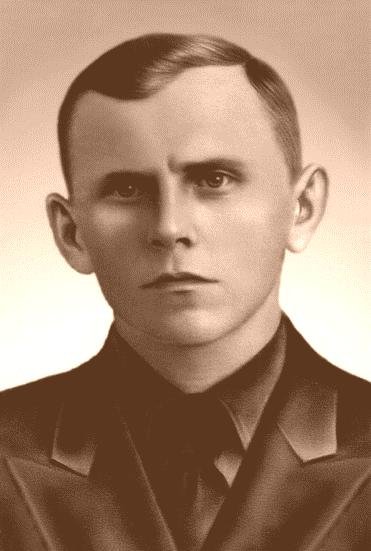

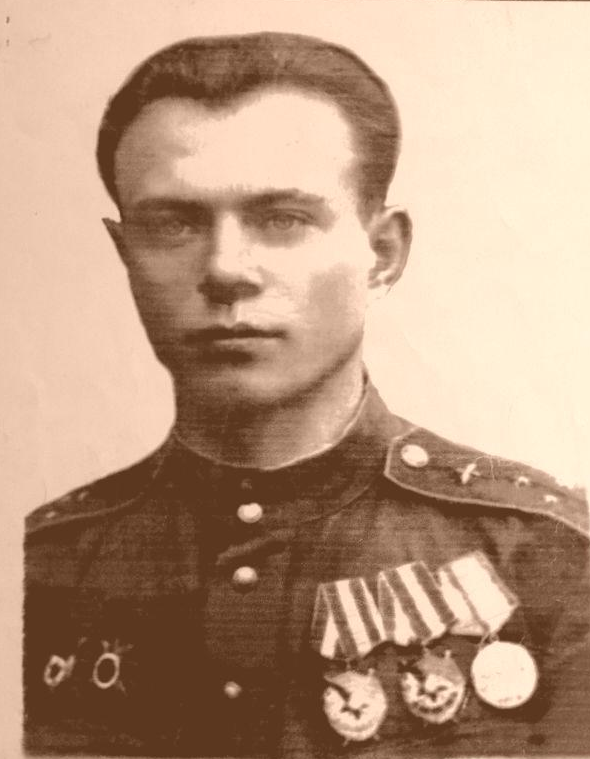
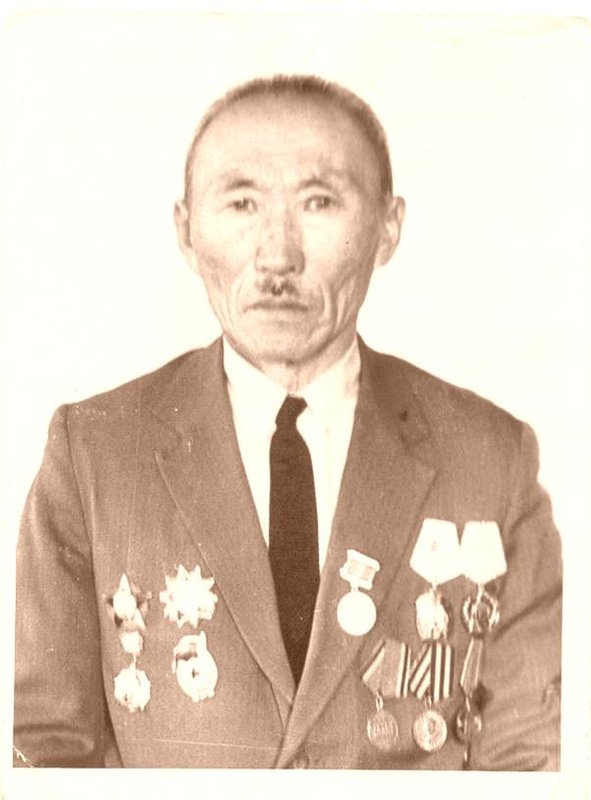
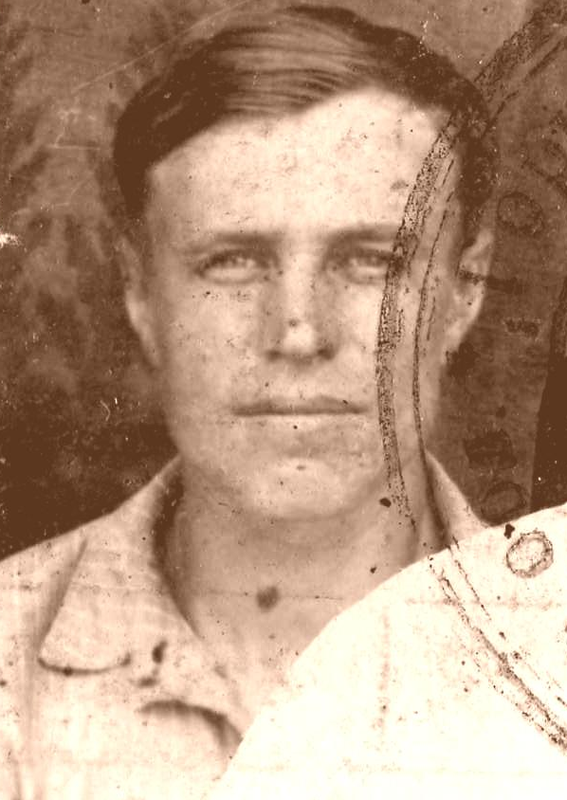
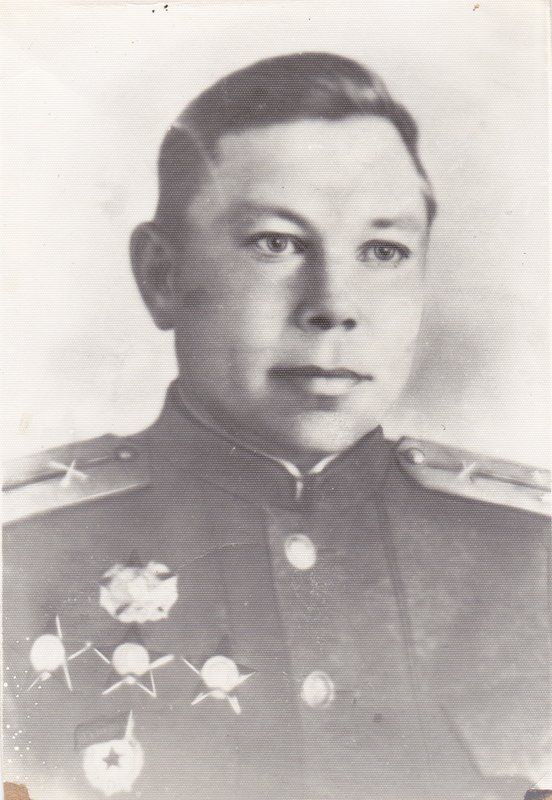
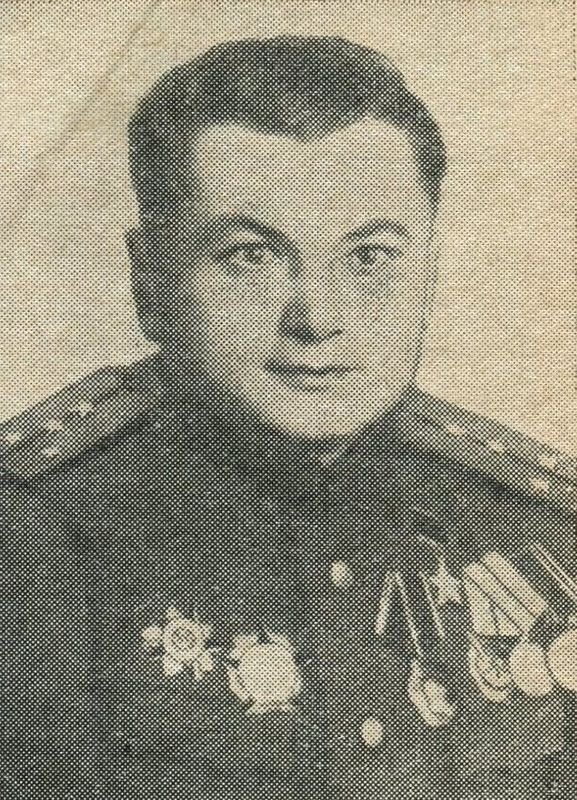
Bogutsky Victor Stepanovich
Born on February 18, 1923 in the village of Vysokogorodetsk, Aban District, Krasnoyarsk Territory, into a peasant family. Parents died in 1937-1938. Victor studied first at an elementary school in the village of Vysokogorodetsk, then at a school in the village of Aban. He graduated from 8 classes of Aban secondary school in 1940. In the 9th grade, Bogutsky studied only until November 22, 1940. In October 1940, on a Komsomol ticket, he entered the Kansk Aero Club. After graduating with honors from the flying club on April 3, 1941, he was drafted into the Red Army by the Aban RVK of the Krasnoyarsk Territory and enrolled in the Omsk military aviation school of pilots. On December 9, 1942, after graduating from the aviation school, he was appointed a pilot of the 17th training aviation regiment of the 8th reserve aviation brigade in Kazan with the assignment of the military rank of sergeant. From June 10, 1943 - pilot of the 99th Guards Trans-Baikal Separate Reconnaissance Aviation Regiment. Already on July 20, 1943, by order of the regiment commander for the first 10 successful combat missions to reconnaissance of enemy troops, the Guard Sergeant Bogutsky was awarded the medal “For Courage”: “Fulfilling combat missions with strong opposition from anti-aircraft artillery and repeated attacks of enemy fighters, skillful maneuver and going into the clouds fully completed the tasks. He managed to reveal the movement of troops on highways, found 45 aircraft and 24 echelons at railway stations at enemy airfields. " On August 31, 1943, when a Pe-2 aircraft approached the assigned reconnaissance area Pochep-Unecha, Starodub one of the engines refused. The pilot had the right to go back. But he completed a combat mission, after which 210 km, conducting reconnaissance over enemy territory, walked on one engine, every minute at the risk of being shot down. On September 10, 1943, the Guard Junior Lieutenant Bogutsky was awarded the Order of the Red Banner. In the spring of 1944, he flew 32 more reconnaissance missions for the movement of enemy troops in Latvia. He flew without cover for fighters at an altitude of 3000-4000 meters, during the execution of missions he was fired upon by anti-aircraft artillery 14 times and 9 times attacked by enemy fighters. In March, he carried out a special task of the reconnaissance department of the army headquarters for wide-angle aerial photography of large areas in the Soviet offensive zone. For the excellent performance of combat missions on April 30, 1944, he was awarded the Order of the Patriotic War, 1st degree. For valuable intelligence on the movement of troops and the basing of aviation at enemy airfields, the guard senior lieutenant Bogutsky was awarded the second Order of the Red Banner on August 18, 1944. The fame of the fearless pilot thundered all over the front. Bogutsky was assigned the most difficult tasks. The attacks of large groups of bombers and attack aircraft were planned according to air reconnaissance data. In 1944, the pilot's intelligence was used in the preparation of the summer and autumn offensives of the troops of the 2nd Baltic Front. The crew of V.S.Bogutskiy photographed the entire system and power of the enemy's defense in areas with a total area of 1117 km2, and uncovered the defensive system in an area of 345 km2. All these data contributed to the successful breakthrough of the enemy's defenses and the development of the offensive success of our troops. On October 26, 1944, the Guard Senior Lieutenant Bogutsky was nominated for the title of Hero of the Soviet Union. From the presentation for the award: “Taking part in the war since June 1943, he flew 120 successful combat missions to reconnoitre and photograph enemy troops and equipment. When conducting reconnaissance and photographing large defensive lines and areas 35 times he met the opposition of enemy fighters, but during air battles he always came out victorious, 46 times fired by anti-aircraft artillery, but with the right maneuver combined with cunning and fearlessness, he always performed the tasks perfectly. Meeting strong opposition from enemy fighter aircraft and anti-aircraft artillery at low and high altitudes, Comrade Bogutsky five times brought the Pe-2 aircraft on one engine to his airfield and, as a rule, with a fully completed combat mission. " Viktor Bogutsky did not have time to learn about the Hero's Golden Star and receive the second Order of the Patriotic War, 1st degree, to which he was presented on January 25, 1945. The order on awarding him was signed on the day of his death - February 23, 1945. On February 23, 1945, senior lieutenant Viktor Bogutsky of the Guard died while performing another combat mission. This was another sortie in the final operation to eliminate the enemy's Kurland grouping to photograph objects in the Konigsberg area. On the route, the scout was surrounded by fascist fighters. The plane was shot down, the crew was killed. By the decree of the Presidium of the Supreme Soviet of the USSR of August 18, 1945, Senior Lieutenant Viktor Stepanovich Bogutsky was awarded the title of Hero of the Soviet Union (posthumously) for the exemplary fulfillment of combat missions of the command on the front of the struggle against the German fascist invaders and the courage, courage and heroism of the guards displayed at the same time. Only in 1972, the search group found the place of death of the crew of V.S.Bogutsky.The plane was shot down 10 km from the town of Pinkuli, Latvian SSR. The remains of three crew members were buried with military honors in a mass grave in Ainadi, 60 km from Liepaja. By order of the Minister of Defense of the USSR V.S.Bogutsky was forever enlisted in the lists of the personnel of the military unit. On May 9, 1985, a bust of the Hero was installed in the village of Aban. Since 1963, one of the streets of the village of Aban, Krasnoyarsk Territory, has been named after the Hero. In 1968, the Museum of the Hero was established at school No. 4 in Aban, in 1979 the school was named after him. A memorial plaque was installed on the house in the village. Vysokogorodetsk of Abanskiy district, where he lived.
Bogutsky Victor Stepanovich
Born on February 18, 1923 in the village of Vysokogorodetsk, Aban District, Krasnoyarsk Territory, into a peasant family. Parents died in 1937-1938. Victor studied first at an elementary school in the village of Vysokogorodetsk, then at a school in the village of Aban. He graduated from 8 classes of Aban secondary school in 1940. In the 9th grade, Bogutsky studied only until November 22, 1940. In October 1940, on a Komsomol ticket, he entered the Kansk Aero Club. After graduating with honors from the flying club on April 3, 1941, he was drafted into the Red Army by the Aban RVK of the Krasnoyarsk Territory and enrolled in the Omsk military aviation school of pilots. On December 9, 1942, after graduating from the aviation school, he was appointed a pilot of the 17th training aviation regiment of the 8th reserve aviation brigade in Kazan with the assignment of the military rank of sergeant. From June 10, 1943 - pilot of the 99th Guards Trans-Baikal Separate Reconnaissance Aviation Regiment. Already on July 20, 1943, by order of the regiment commander for the first 10 successful combat missions to reconnaissance of enemy troops, the Guard Sergeant Bogutsky was awarded the medal “For Courage”: “Fulfilling combat missions with strong opposition from anti-aircraft artillery and repeated attacks of enemy fighters, skillful maneuver and going into the clouds fully completed the tasks. He managed to reveal the movement of troops on highways, found 45 aircraft and 24 echelons at railway stations at enemy airfields. " On August 31, 1943, when a Pe-2 aircraft approached the assigned reconnaissance area Pochep-Unecha, Starodub one of the engines refused. The pilot had the right to go back. But he completed a combat mission, after which 210 km, conducting reconnaissance over enemy territory, walked on one engine, every minute at the risk of being shot down. On September 10, 1943, the Guard Junior Lieutenant Bogutsky was awarded the Order of the Red Banner. In the spring of 1944, he flew 32 more reconnaissance missions for the movement of enemy troops in Latvia. He flew without cover for fighters at an altitude of 3000-4000 meters, during the execution of missions he was fired upon by anti-aircraft artillery 14 times and 9 times attacked by enemy fighters. In March, he carried out a special task of the reconnaissance department of the army headquarters for wide-angle aerial photography of large areas in the Soviet offensive zone. For the excellent performance of combat missions on April 30, 1944, he was awarded the Order of the Patriotic War, 1st degree. For valuable intelligence on the movement of troops and the basing of aviation at enemy airfields, the guard senior lieutenant Bogutsky was awarded the second Order of the Red Banner on August 18, 1944. The fame of the fearless pilot thundered all over the front. Bogutsky was assigned the most difficult tasks. The attacks of large groups of bombers and attack aircraft were planned according to air reconnaissance data. In 1944, the pilot's intelligence was used in the preparation of the summer and autumn offensives of the troops of the 2nd Baltic Front. The crew of V.S.Bogutskiy photographed the entire system and power of the enemy's defense in areas with a total area of 1117 km2, and uncovered the defensive system in an area of 345 km2. All these data contributed to the successful breakthrough of the enemy's defenses and the development of the offensive success of our troops. On October 26, 1944, the Guard Senior Lieutenant Bogutsky was nominated for the title of Hero of the Soviet Union. From the presentation for the award: “Taking part in the war since June 1943, he flew 120 successful combat missions to reconnoitre and photograph enemy troops and equipment. When conducting reconnaissance and photographing large defensive lines and areas 35 times he met the opposition of enemy fighters, but during air battles he always came out victorious, 46 times fired by anti-aircraft artillery, but with the right maneuver combined with cunning and fearlessness, he always performed the tasks perfectly. Meeting strong opposition from enemy fighter aircraft and anti-aircraft artillery at low and high altitudes, Comrade Bogutsky five times brought the Pe-2 aircraft on one engine to his airfield and, as a rule, with a fully completed combat mission. " Viktor Bogutsky did not have time to learn about the Hero's Golden Star and receive the second Order of the Patriotic War, 1st degree, to which he was presented on January 25, 1945. The order on awarding him was signed on the day of his death - February 23, 1945. On February 23, 1945, senior lieutenant Viktor Bogutsky of the Guard died while performing another combat mission. This was another sortie in the final operation to eliminate the enemy's Kurland grouping to photograph objects in the Konigsberg area. On the route, the scout was surrounded by fascist fighters. The plane was shot down, the crew was killed. By the decree of the Presidium of the Supreme Soviet of the USSR of August 18, 1945, Senior Lieutenant Viktor Stepanovich Bogutsky was awarded the title of Hero of the Soviet Union (posthumously) for the exemplary fulfillment of combat missions of the command on the front of the struggle against the German fascist invaders and the courage, courage and heroism of the guards displayed at the same time. Only in 1972, the search group found the place of death of the crew of V.S.Bogutsky.The plane was shot down 10 km from the town of Pinkuli, Latvian SSR. The remains of three crew members were buried with military honors in a mass grave in Ainadi, 60 km from Liepaja. By order of the Minister of Defense of the USSR V.S.Bogutsky was forever enlisted in the lists of the personnel of the military unit. On May 9, 1985, a bust of the Hero was installed in the village of Aban. Since 1963, one of the streets of the village of Aban, Krasnoyarsk Territory, has been named after the Hero. In 1968, the Museum of the Hero was established at school No. 4 in Aban, in 1979 the school was named after him. A memorial plaque was installed on the house in the village. Vysokogorodetsk of Abanskiy district, where he lived.
0 comment



2026 © Russian Military Historical Society Developed by Jetmix