Back to
album
album
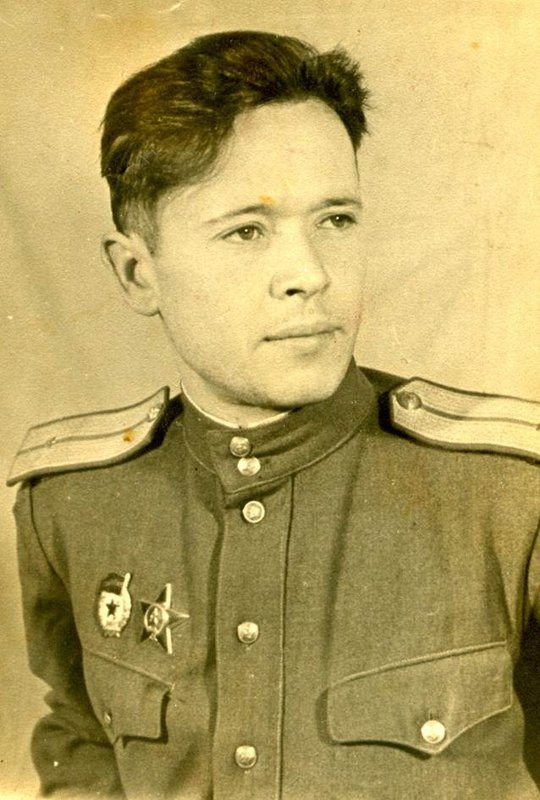
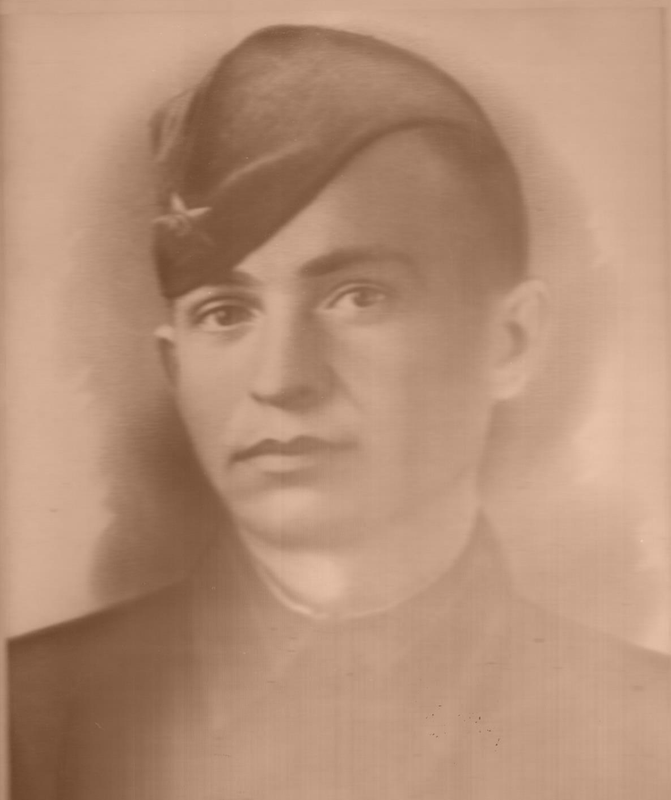
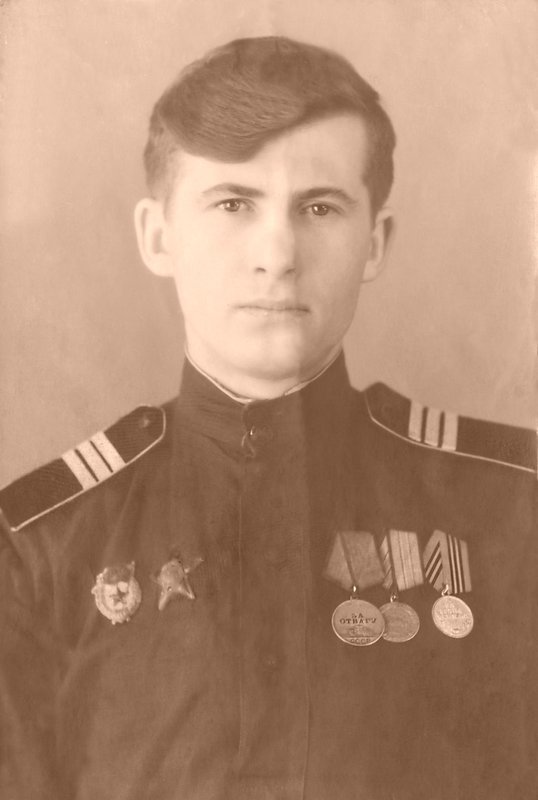
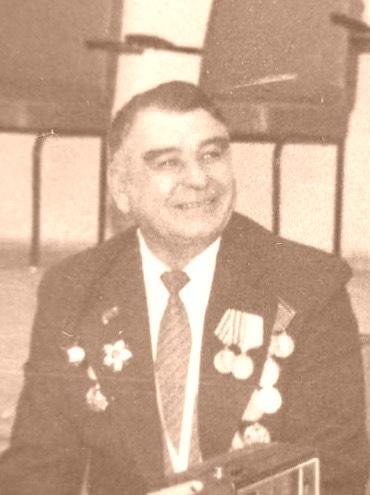
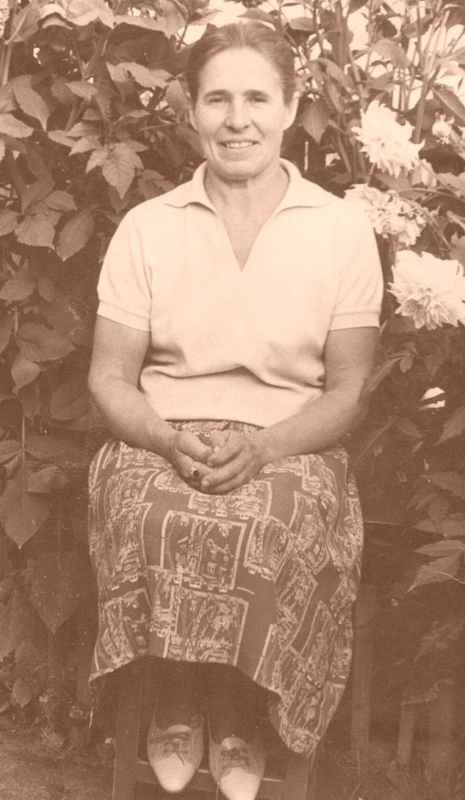

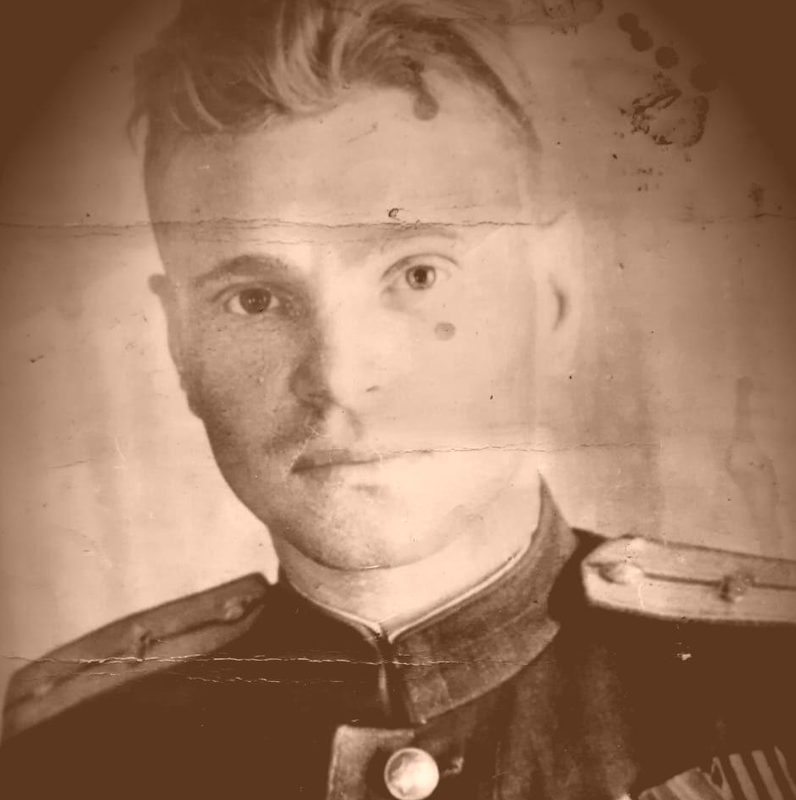
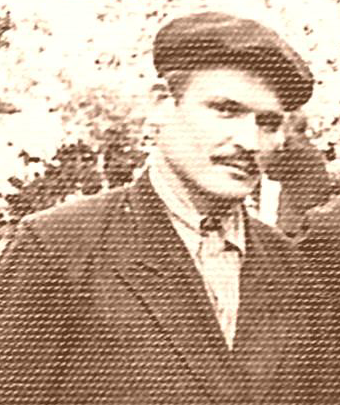
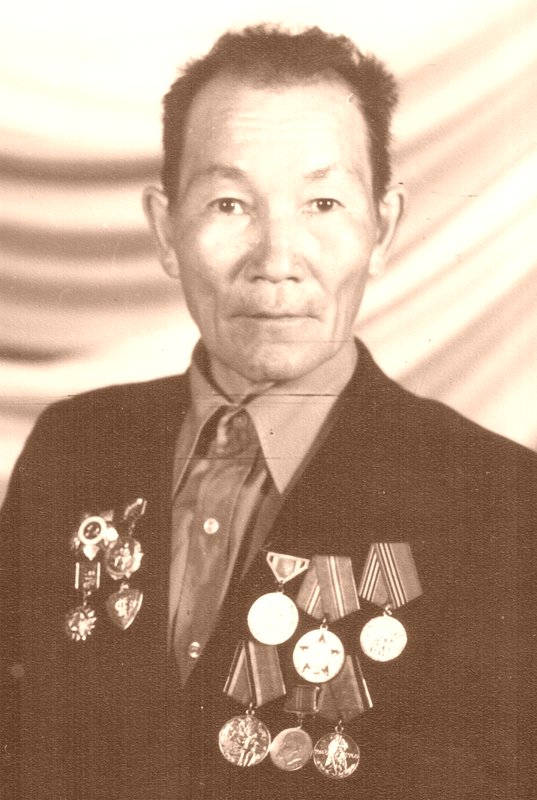
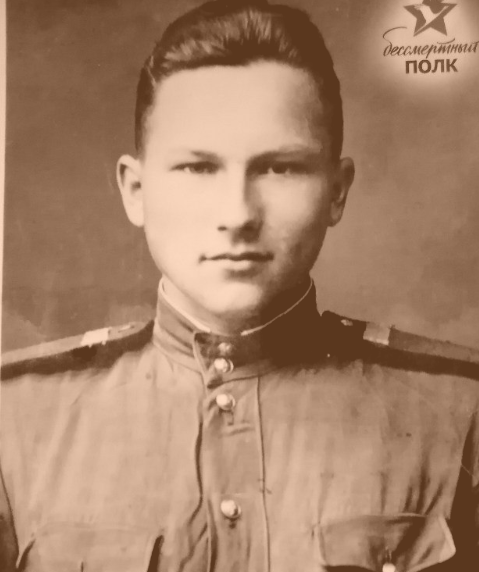
Alexander Slyakov
This is the story of a short life and a heroic feat that every day, every hour was performed by simple Russian unknown guys who gave their lives for the sake of the lives of their mothers, wives and children.
Alexander Slyakov was born back in 1902 (still in tsarist Russia) in the village of Kryukovo, Podolskiy District, Moscow Province, now Domodedovo District.
Like all his peers, he witnessed the First world war in 1914, the revolutionary upheavals of 1917, famine, devastation, NEP.
Married. Built a house in the village of Chulpanovo.
During the Soviet time, from 1925 to 1928, Alexander served in the Workers and Peasants Red Army.
After service he worked for the Podolsk Mechanical Sewing Machine Factory (former plant of the joint-stock company “Singer”, during the Soviet times the plant was named after M. Kalinin) as a fitter, raised children.
But the peaceful happy life was over. The Great Patriotic War knocked on his door. Already Podolsk cadets stopped the enemy, at the cost of their lives, on the Ilinskiy borders of the Warsaw Highway. His factory was evacuated to the East.
On October 31, 1941, Alexander was drafted by the Podolsk Military Commissariate into the Soviet Red Army, when the last of the four children was just over 2 months old.
In the first days of November, he was sent to Kashira, where the 979th Artillery Regiment was formed as part of the 173rd Rifle Division, withdrawn to the reserve of the Western Front after bloody defensive battles, to put itself in order and replenish.
On November 27, being under the operational control of the 1st Guards Cavalry Corps of General P. Belov, the division's regiments, interacting with the cavalry, launched a counter-offensive.
The 173rd Division and the Cavalry Corps in the battle of Moscow were the first on the entire Western Front (commander G. Zhukov) to launch a decisive offensive. Since then, Alexander, along with most of the regimental colleagues, did not know the bitterness of retreat.
From November 27 to December 9, during the defeat of the Kashir-Venev enemy group, General Belov's troops liberated 78 localities.
The division was located at the junction of the 49th and 50th Armies and often moved from one subordination to another for tactical reasons. During the joint battles, the cities of Mordves, Venev, and Aleksin were liberated.
By February 1942, according to the Stavka plan, units and formations of the Western Front, together with the troops of the Kalinin Front advancing from the North, were to close the encirclement of the enemy army group at Yukhnov.
The 50th Army was ordered to pin down the enemy with its right flank. The left flank (413th, 290th, 173rd, 366th Rifle Divisions, 2nd and 32nd Tank Brigades) was to deliver the main blow in the area of Adamovka, then, in cooperation with parts of the 4th Airborne Corps operating behind enemy lines, to attack North of the Warsaw Highway in the rear of the enemy's Yukhnov group. Thus, on January 24, the 173rd Rifle Division also went on the offensive near the village of badgers.
For almost a month, bloody fighting continued on this highway – the most important highway that connected the strong Yukhnov group of the enemy with its rear. The Nazis clung to every meter of land here. Strong fortifications were erected in villages along the highway, including reinforced concrete pillboxes with armored hoods. Their caps were so strong that they could withstand the bombing attacks of Soviet aircraft. The approaches to the highway were surrounded by trenches, barbed wire, and minefields. On the sixty-kilometer section from Yukhnov to Milyatin, there were more than three dozen such nodes-fortresses. On Warsaw Highway day and night plied detachments of infantry on cars and motorcycles with tanks, protected from the blows of our artillery with ice ramparts, drenched with water. Their thickness was such that they could not be pierced by gun shells. In addition, the Nazis created an effective fire system, and the air was constantly dominated by their aircraft.
In early February 1942, the Germans attacked the villages of Vyshnee and Sitskoe and cut the road to the Height #186.1. Soviet divisions were surrounded. Soviet soldiers were forced to take up a circular defense four kilometers South-East from Barsukovo.
To help them from the outside of the ring, the 290th and newly arrived fresh 336th Rifle Divisions and the remaining units of the 173rd Rifle Division began to strike. On February 8, they recaptured Vyshnee with heavy losses, but were unable to advance further and break the encirclement ring.
On February 9-12, new, fresh enemy units appeared in the Barsukovo area: the 181st Infantry Regiment of the 52nd Infantry Division and the 57th Infantry Regiment of the 9th Infantry Division. All this indicated that the Germans were preparing to strike.
When the headquarters lost hope of outside help, they decided to break through the encirclement on their own. They wanted to break the enemy's resistance in the valley of the Popolta river by a night attack and join the main forces of our army. The Germans lit up everything around them with rockets and hit them with machine guns and machine guns almost at point-blank range. I had to fight my way through a solid carpet of dead bodies.
The enemy's resistance was broken and at dawn on February 15, 1942, the soldiers joined the main forces of the 50th Army. Our contemporaries call the surrounding area adjacent to the villages of badgers, Vyshnee, Devyatovka, as well as the floodplains of the former river Lydia and Popolta the "Valley of Death". More than eight thousands of our soldiers died in this place only from February 1 to February 15, 1942.
The amazing courage and steadfastness of Soviet soldiers and their unparalleled heroism in overcoming seemingly insurmountable obstacles will forever go down in history.
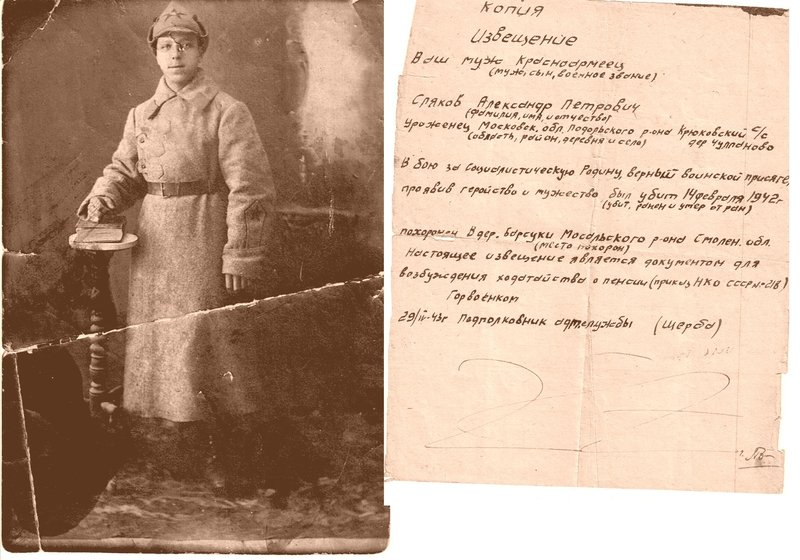
Death Notice
Your husband, a Red Army soldier Alexander Slyakov, a native of Moscow Region, Podolsk District, village Kryukovo 45, in the battle for the Socialist Homeland, loyal to the military oath, showing heroism and courage, was killed on February 14, 1942.
Alexander Slyakov
This is the story of a short life and a heroic feat that every day, every hour was performed by simple Russian unknown guys who gave their lives for the sake of the lives of their mothers, wives and children.
Alexander Slyakov was born back in 1902 (still in tsarist Russia) in the village of Kryukovo, Podolskiy District, Moscow Province, now Domodedovo District.
Like all his peers, he witnessed the First world war in 1914, the revolutionary upheavals of 1917, famine, devastation, NEP.
Married. Built a house in the village of Chulpanovo.
During the Soviet time, from 1925 to 1928, Alexander served in the Workers and Peasants Red Army.
After service he worked for the Podolsk Mechanical Sewing Machine Factory (former plant of the joint-stock company “Singer”, during the Soviet times the plant was named after M. Kalinin) as a fitter, raised children.
But the peaceful happy life was over. The Great Patriotic War knocked on his door. Already Podolsk cadets stopped the enemy, at the cost of their lives, on the Ilinskiy borders of the Warsaw Highway. His factory was evacuated to the East.
On October 31, 1941, Alexander was drafted by the Podolsk Military Commissariate into the Soviet Red Army, when the last of the four children was just over 2 months old.
In the first days of November, he was sent to Kashira, where the 979th Artillery Regiment was formed as part of the 173rd Rifle Division, withdrawn to the reserve of the Western Front after bloody defensive battles, to put itself in order and replenish.
On November 27, being under the operational control of the 1st Guards Cavalry Corps of General P. Belov, the division's regiments, interacting with the cavalry, launched a counter-offensive.
The 173rd Division and the Cavalry Corps in the battle of Moscow were the first on the entire Western Front (commander G. Zhukov) to launch a decisive offensive. Since then, Alexander, along with most of the regimental colleagues, did not know the bitterness of retreat.
From November 27 to December 9, during the defeat of the Kashir-Venev enemy group, General Belov's troops liberated 78 localities.
The division was located at the junction of the 49th and 50th Armies and often moved from one subordination to another for tactical reasons. During the joint battles, the cities of Mordves, Venev, and Aleksin were liberated.
By February 1942, according to the Stavka plan, units and formations of the Western Front, together with the troops of the Kalinin Front advancing from the North, were to close the encirclement of the enemy army group at Yukhnov.
The 50th Army was ordered to pin down the enemy with its right flank. The left flank (413th, 290th, 173rd, 366th Rifle Divisions, 2nd and 32nd Tank Brigades) was to deliver the main blow in the area of Adamovka, then, in cooperation with parts of the 4th Airborne Corps operating behind enemy lines, to attack North of the Warsaw Highway in the rear of the enemy's Yukhnov group. Thus, on January 24, the 173rd Rifle Division also went on the offensive near the village of badgers.
For almost a month, bloody fighting continued on this highway – the most important highway that connected the strong Yukhnov group of the enemy with its rear. The Nazis clung to every meter of land here. Strong fortifications were erected in villages along the highway, including reinforced concrete pillboxes with armored hoods. Their caps were so strong that they could withstand the bombing attacks of Soviet aircraft. The approaches to the highway were surrounded by trenches, barbed wire, and minefields. On the sixty-kilometer section from Yukhnov to Milyatin, there were more than three dozen such nodes-fortresses. On Warsaw Highway day and night plied detachments of infantry on cars and motorcycles with tanks, protected from the blows of our artillery with ice ramparts, drenched with water. Their thickness was such that they could not be pierced by gun shells. In addition, the Nazis created an effective fire system, and the air was constantly dominated by their aircraft.
In early February 1942, the Germans attacked the villages of Vyshnee and Sitskoe and cut the road to the Height #186.1. Soviet divisions were surrounded. Soviet soldiers were forced to take up a circular defense four kilometers South-East from Barsukovo.
To help them from the outside of the ring, the 290th and newly arrived fresh 336th Rifle Divisions and the remaining units of the 173rd Rifle Division began to strike. On February 8, they recaptured Vyshnee with heavy losses, but were unable to advance further and break the encirclement ring.
On February 9-12, new, fresh enemy units appeared in the Barsukovo area: the 181st Infantry Regiment of the 52nd Infantry Division and the 57th Infantry Regiment of the 9th Infantry Division. All this indicated that the Germans were preparing to strike.
When the headquarters lost hope of outside help, they decided to break through the encirclement on their own. They wanted to break the enemy's resistance in the valley of the Popolta river by a night attack and join the main forces of our army. The Germans lit up everything around them with rockets and hit them with machine guns and machine guns almost at point-blank range. I had to fight my way through a solid carpet of dead bodies.
The enemy's resistance was broken and at dawn on February 15, 1942, the soldiers joined the main forces of the 50th Army. Our contemporaries call the surrounding area adjacent to the villages of badgers, Vyshnee, Devyatovka, as well as the floodplains of the former river Lydia and Popolta the "Valley of Death". More than eight thousands of our soldiers died in this place only from February 1 to February 15, 1942.
The amazing courage and steadfastness of Soviet soldiers and their unparalleled heroism in overcoming seemingly insurmountable obstacles will forever go down in history.
Death Notice
Your husband, a Red Army soldier Alexander Slyakov, a native of Moscow Region, Podolsk District, village Kryukovo 45, in the battle for the Socialist Homeland, loyal to the military oath, showing heroism and courage, was killed on February 14, 1942.
0 comment



2026 © Russian Military Historical Society Developed by Jetmix