Back to
album
album
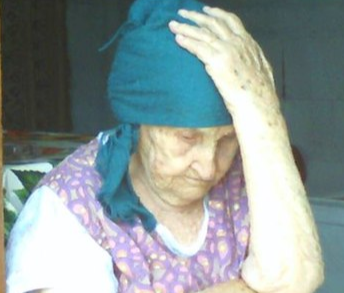
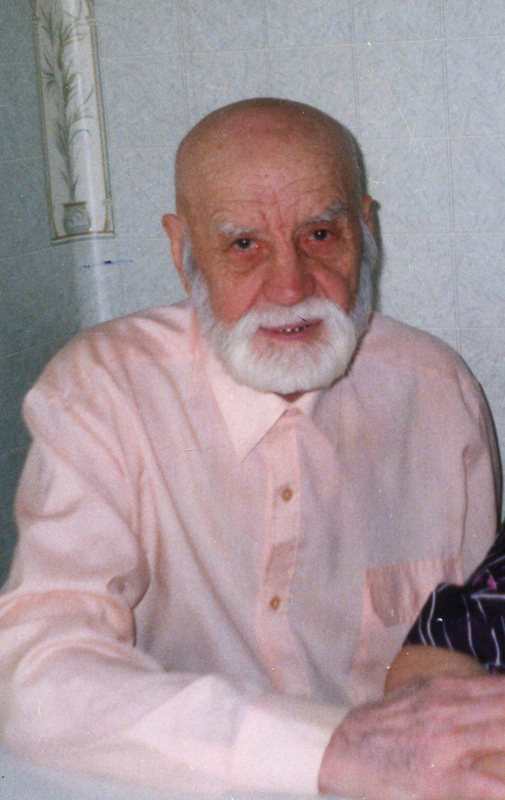
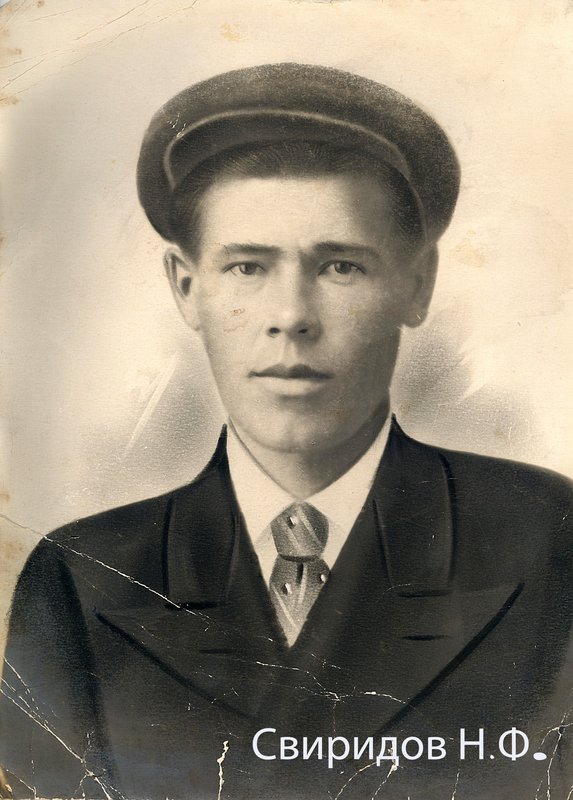
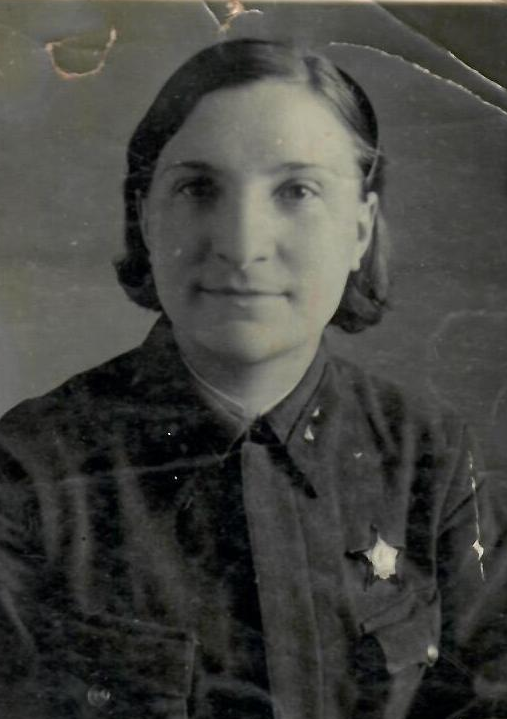
Soboleva (Perminova), Anastasia Efimovna
Branch of troops: Military Medical Personnel_x000D_
_x000D_
May 9 is always an important and revered holiday for me. I want to tell you about my great-great-grandmother: Soboleva (Permyakova) Anastasia Efimovna was born in 1912 on July 12 in the village. Kupryakovo, Shelopuginsky district, Chita region. She passed away in 2010 at the 98th year of her life in the village of Semiozerny, Mogochinsky district. She was the youngest, the eighth child. As in any peasant family, the girl was taught to work from an early age. At the age of 6, Nastena knew how to work in the garden, help around the house. Life opened new pages every day. The carefree childhood ended quickly. There was the Civil War, revolutions, repressions of the 30s, endless change of power ... but she was lucky enough to finish 4 classes. Then hunger and poverty reigned, they ate frozen potatoes, nettles, and quinoa. She collected wild onions on the banks of the river Shilka. _x000D_
The Great Patriotic War became an ordeal for her. When she learned about the German attack, she volunteered for the front and was assigned as a nurse at the Red Cross. The husband also went to the front, and the children were taken to their grandmother. All these 5 long years she worked in a hospital or was often on the road on ambulance trains. She washed the wounded, made bandages, wore the wounded from the combatfield, saved people. _x000D_
At the end of the war, she returned home, at that time in the city of Sretensk. Soon the sad news came that her beloved was killed ... She remarried and went to work in kolkhoz. She raised ten children. _x000D_
But, unfortunately, no documents, photographs, awards have survived. Everything burned down during a fire in the house, all the archives cannot be restored, and there are almost no witnesses of those years ... Now it is difficult to even imagine how much grief, horror, and tears my ancestress had suffered.
Soboleva (Perminova), Anastasia Efimovna
Branch of troops: Military Medical Personnel_x000D_
_x000D_
May 9 is always an important and revered holiday for me. I want to tell you about my great-great-grandmother: Soboleva (Permyakova) Anastasia Efimovna was born in 1912 on July 12 in the village. Kupryakovo, Shelopuginsky district, Chita region. She passed away in 2010 at the 98th year of her life in the village of Semiozerny, Mogochinsky district. She was the youngest, the eighth child. As in any peasant family, the girl was taught to work from an early age. At the age of 6, Nastena knew how to work in the garden, help around the house. Life opened new pages every day. The carefree childhood ended quickly. There was the Civil War, revolutions, repressions of the 30s, endless change of power ... but she was lucky enough to finish 4 classes. Then hunger and poverty reigned, they ate frozen potatoes, nettles, and quinoa. She collected wild onions on the banks of the river Shilka. _x000D_
The Great Patriotic War became an ordeal for her. When she learned about the German attack, she volunteered for the front and was assigned as a nurse at the Red Cross. The husband also went to the front, and the children were taken to their grandmother. All these 5 long years she worked in a hospital or was often on the road on ambulance trains. She washed the wounded, made bandages, wore the wounded from the combatfield, saved people. _x000D_
At the end of the war, she returned home, at that time in the city of Sretensk. Soon the sad news came that her beloved was killed ... She remarried and went to work in kolkhoz. She raised ten children. _x000D_
But, unfortunately, no documents, photographs, awards have survived. Everything burned down during a fire in the house, all the archives cannot be restored, and there are almost no witnesses of those years ... Now it is difficult to even imagine how much grief, horror, and tears my ancestress had suffered.
0 comment



2026 © Russian Military Historical Society Developed by Jetmix