Back to
album
album





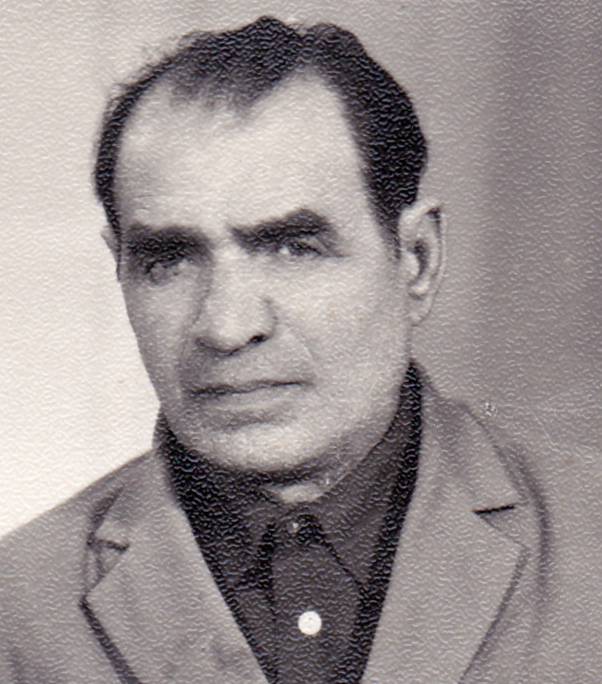
Dvoeglazov Pavel Grigoryevich
Dvoeglazov Pavel Grigoryevich_x000D_
_x000D_
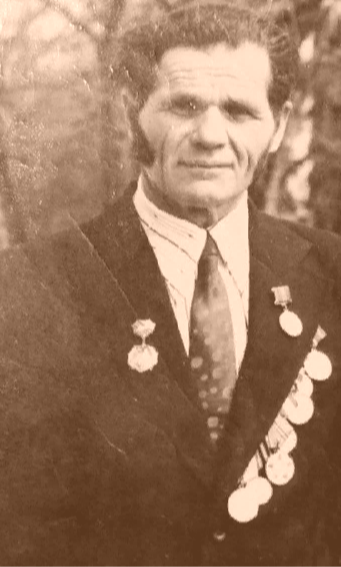
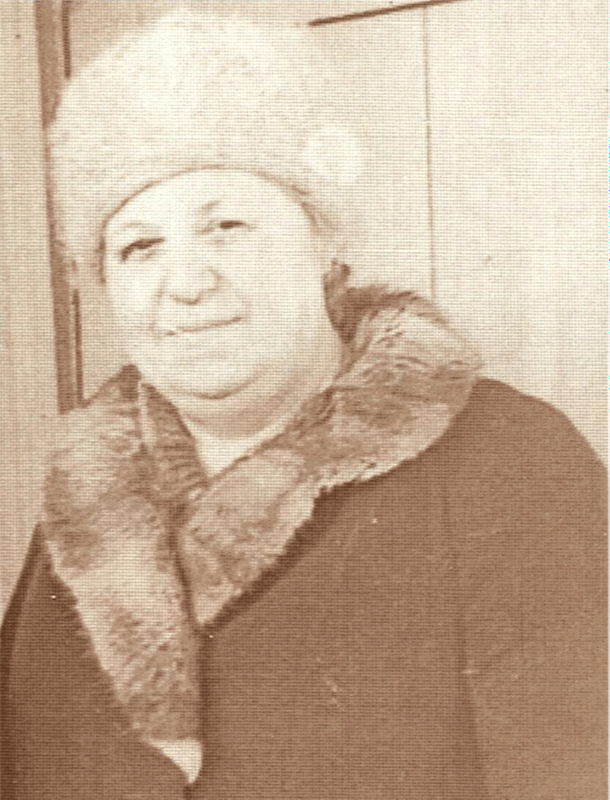
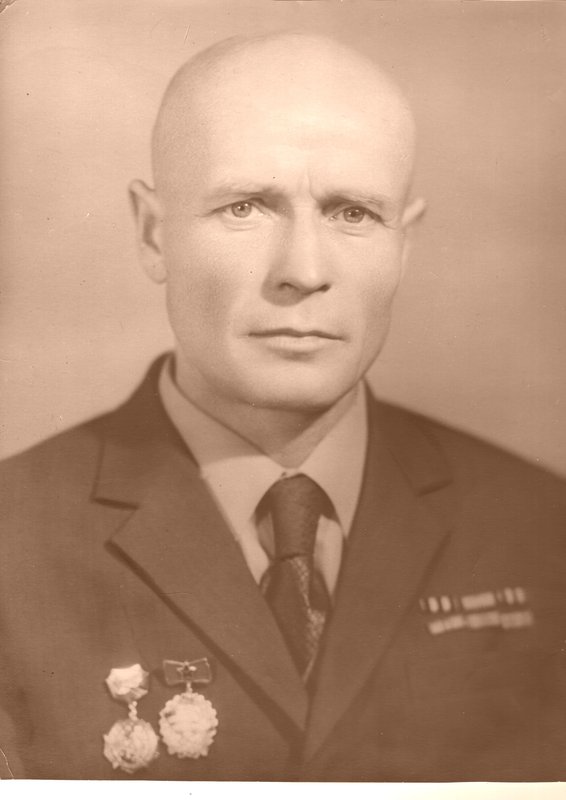
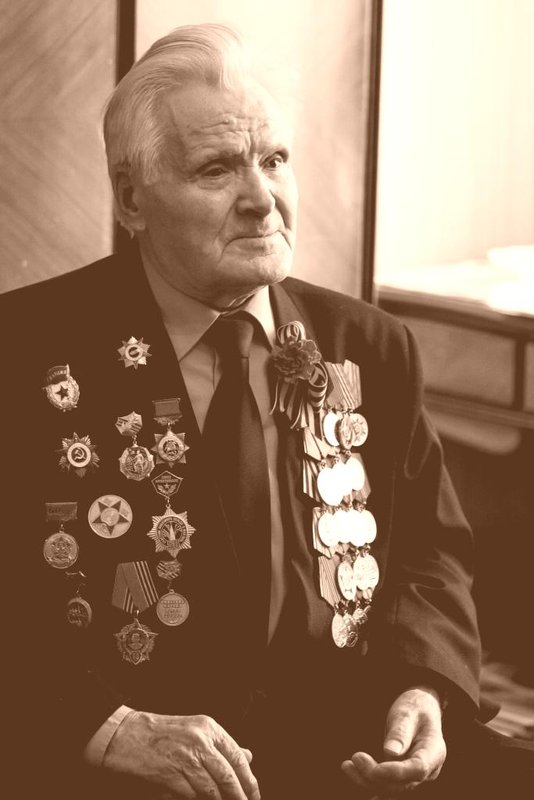
Dvoeglazov Pavel G. called to serve in the Red army in 1939 from D. Ceresi Kirenskogo district of Kirov oblast, where he was born and raised. He was sent to the far East. Part of it was guarding the military warehouses and warehouses with food. The conditions of service were appalling, the soldiers were severely starved, and all food went to the West, to the front. Pavel Grigoryevich was on the verge of death from exhaustion. To save the soldier's life, he was sent to a bread slicer, where he could finish the crumbs left over from cutting bread. But, as Pavel Grigoryevich said, his life was saved by an unknown Korean who, seeing his suffering, gave him a tincture of ginseng. This saved his life. From 1940 to April 1944. he served in the 2nd tank regiment as a radio master. All the soldiers were rushing to the West, but it was necessary to protect the Eastern borders. Dvoeglazov P. G. took part in The Japanese war of 1945, which had a truly huge not only military, but also political significance. The red Army defeated the strongest Kwantung army. Dvoeglazov P. G. was a class radio operator, he graduated from the war with the rank of Sergeant-senior radio operator. He returned home in November 1945. He was awarded the medal "for the Victory over Japan", for personal courage and bravery with the badge "25 years of victory in the great Patriotic war of 1941-1945". From the military enlistment office, he was sent to work at a military factory in Vyatskiye Polyany, where lighting signal pistols (OPSH) of the Shpagin design were produced. Pavel Grigoryevich worked at a military factory as a shop Manager until retirement. _x000D_
_x000D_
_x000D_
He died on August 31, 1984. He was buried in the city of Vyatskie Polyany.
Dvoeglazov Pavel Grigoryevich
Dvoeglazov Pavel Grigoryevich_x000D_
_x000D_
Dvoeglazov Pavel G. called to serve in the Red army in 1939 from D. Ceresi Kirenskogo district of Kirov oblast, where he was born and raised. He was sent to the far East. Part of it was guarding the military warehouses and warehouses with food. The conditions of service were appalling, the soldiers were severely starved, and all food went to the West, to the front. Pavel Grigoryevich was on the verge of death from exhaustion. To save the soldier's life, he was sent to a bread slicer, where he could finish the crumbs left over from cutting bread. But, as Pavel Grigoryevich said, his life was saved by an unknown Korean who, seeing his suffering, gave him a tincture of ginseng. This saved his life. From 1940 to April 1944. he served in the 2nd tank regiment as a radio master. All the soldiers were rushing to the West, but it was necessary to protect the Eastern borders. Dvoeglazov P. G. took part in The Japanese war of 1945, which had a truly huge not only military, but also political significance. The red Army defeated the strongest Kwantung army. Dvoeglazov P. G. was a class radio operator, he graduated from the war with the rank of Sergeant-senior radio operator. He returned home in November 1945. He was awarded the medal "for the Victory over Japan", for personal courage and bravery with the badge "25 years of victory in the great Patriotic war of 1941-1945". From the military enlistment office, he was sent to work at a military factory in Vyatskiye Polyany, where lighting signal pistols (OPSH) of the Shpagin design were produced. Pavel Grigoryevich worked at a military factory as a shop Manager until retirement. _x000D_
_x000D_
_x000D_
He died on August 31, 1984. He was buried in the city of Vyatskie Polyany.
0 comment




2026 © Russian Military Historical Society Developed by Jetmix