Back to
album
album


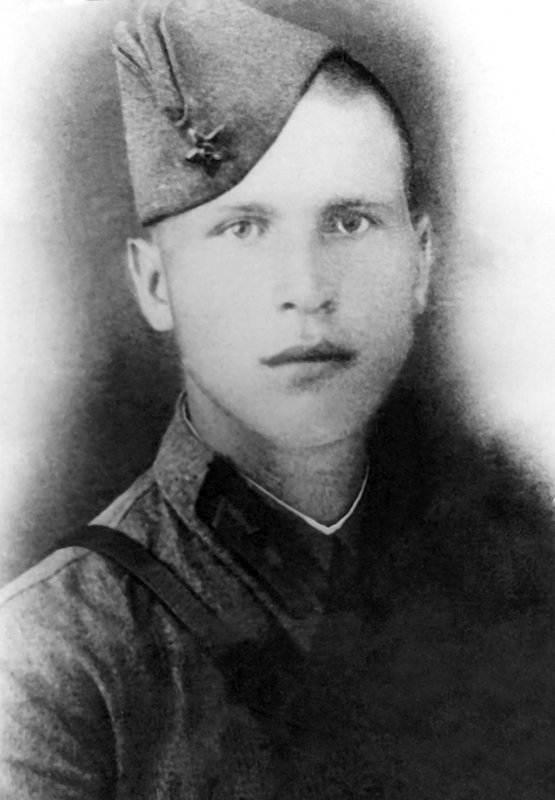
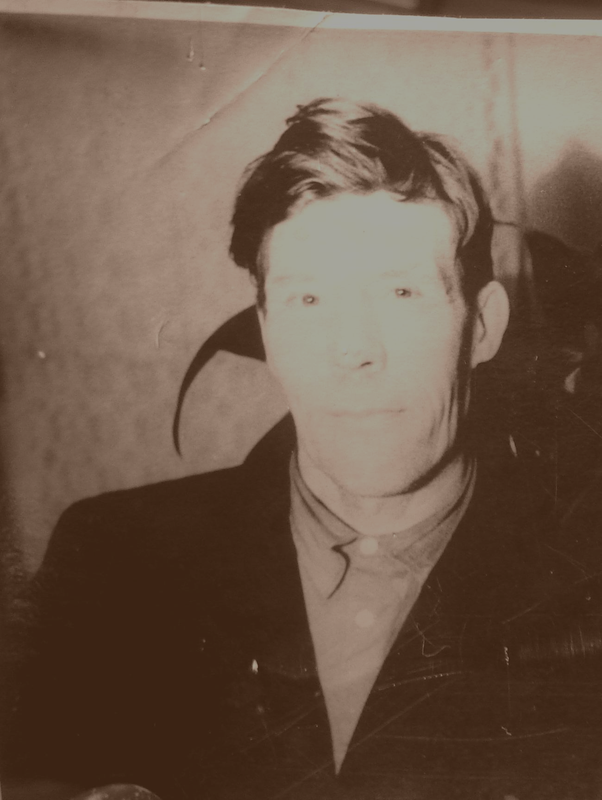

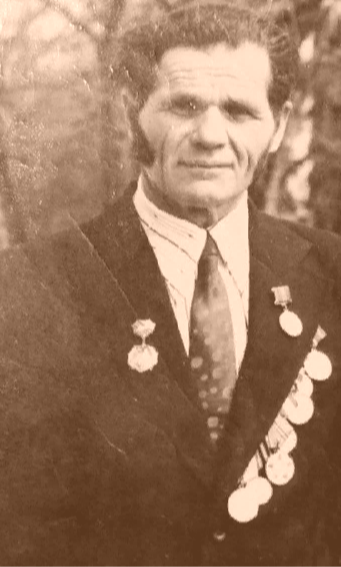

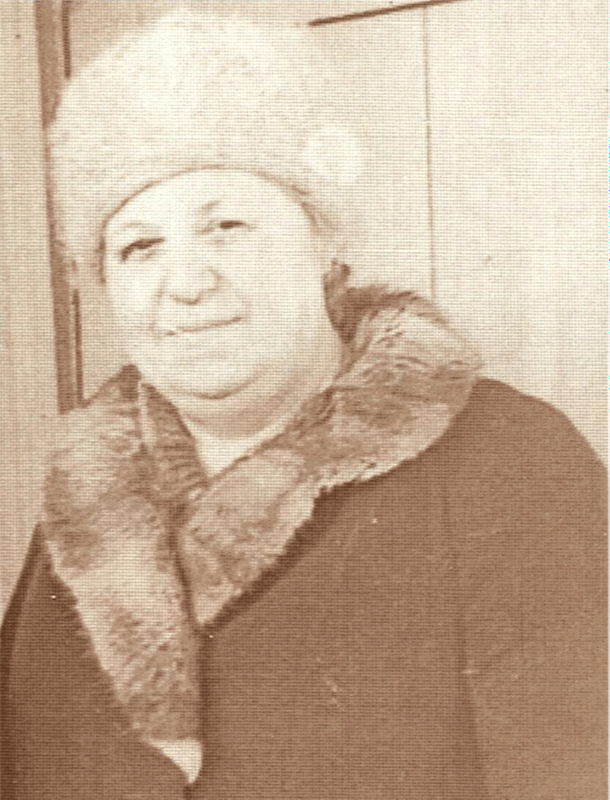

Deryagin Peter Mikhailovich
Deryagin Peter Mikhailovich_x000D_
_x000D_
In August 1941, my great-grandfather Deryagin Peter Mikhailovich went to the front in the infantry troops from the village of Pecherino in the Kotlas district of the Arkhangelsk region. At Leningrad in the autumn of the same year, his army under the command of General Vlasov was surrounded. Then the survivors, exhausted soldiers of the red Army were captured by the Germans. The Germans were taking prisoners of war, including my great-grandfather, to East Prussia. The camp was located near the city of Koenigsberg (now Kaliningrad). For two years and nine months, my great-grandfather was held captive. My great-grandfather met the victory at Kenigsberg. He returned home in November 1945. And when the Red Army went on the offensive, our scouts came across a place where prisoners of war worked, including my great-grandfather. The scouts disarmed the German guards gave the call letters to go across the front line. And then at night those who could still move, who had enough strength, crossed the front line and found themselves at our side. A lot of our soldiers died in the camp because of the terrible famine. Those who were able to survive survived thanks to a bag of crackers they found in the field where they were working. And those who worked in that place did not take this bag to the camp, but hid it, and every day they took honestly a cracker. After crossing the front line, my great-grandfather and all those who escaped were checked and interrogated for a long time. Then they gave me two weeks off, and then they sent me to the front. They were sent to a regular company, not to the penal battalion. My great-grandfather met the victory at Kenigsberg. He returned home in November 1945.
Deryagin Peter Mikhailovich
Deryagin Peter Mikhailovich_x000D_
_x000D_
In August 1941, my great-grandfather Deryagin Peter Mikhailovich went to the front in the infantry troops from the village of Pecherino in the Kotlas district of the Arkhangelsk region. At Leningrad in the autumn of the same year, his army under the command of General Vlasov was surrounded. Then the survivors, exhausted soldiers of the red Army were captured by the Germans. The Germans were taking prisoners of war, including my great-grandfather, to East Prussia. The camp was located near the city of Koenigsberg (now Kaliningrad). For two years and nine months, my great-grandfather was held captive. My great-grandfather met the victory at Kenigsberg. He returned home in November 1945. And when the Red Army went on the offensive, our scouts came across a place where prisoners of war worked, including my great-grandfather. The scouts disarmed the German guards gave the call letters to go across the front line. And then at night those who could still move, who had enough strength, crossed the front line and found themselves at our side. A lot of our soldiers died in the camp because of the terrible famine. Those who were able to survive survived thanks to a bag of crackers they found in the field where they were working. And those who worked in that place did not take this bag to the camp, but hid it, and every day they took honestly a cracker. After crossing the front line, my great-grandfather and all those who escaped were checked and interrogated for a long time. Then they gave me two weeks off, and then they sent me to the front. They were sent to a regular company, not to the penal battalion. My great-grandfather met the victory at Kenigsberg. He returned home in November 1945.
0 comment



2026 © Russian Military Historical Society Developed by Jetmix