Back to
album
album
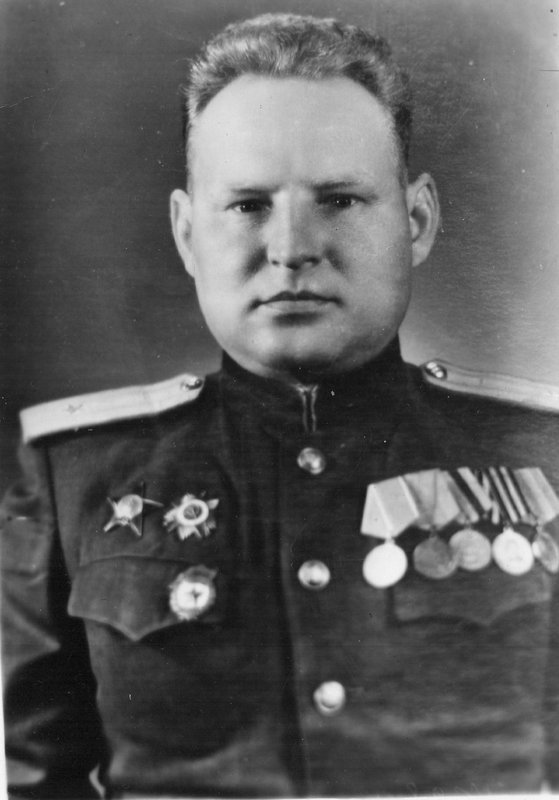
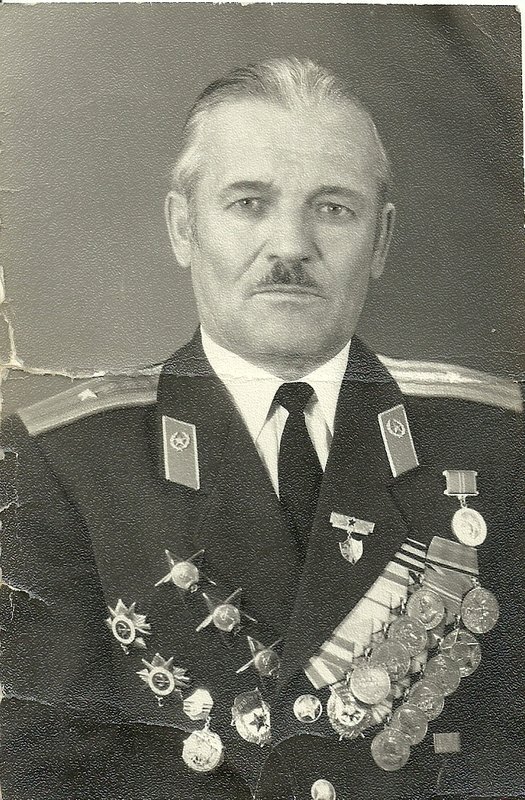
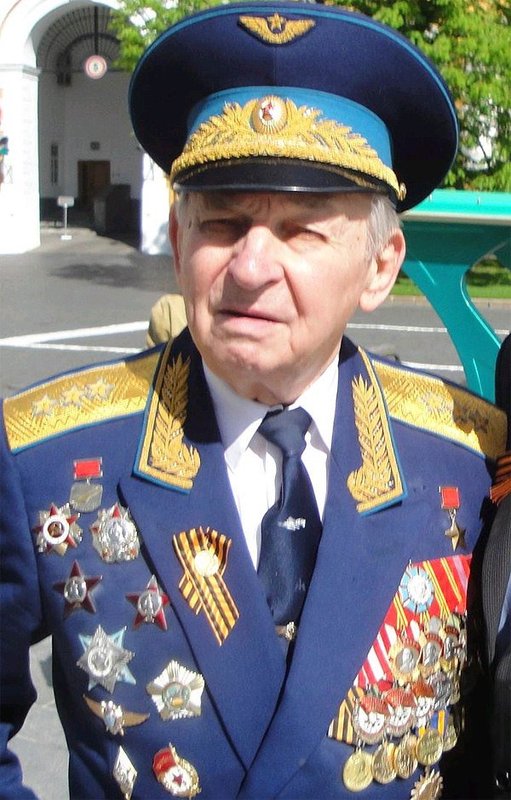

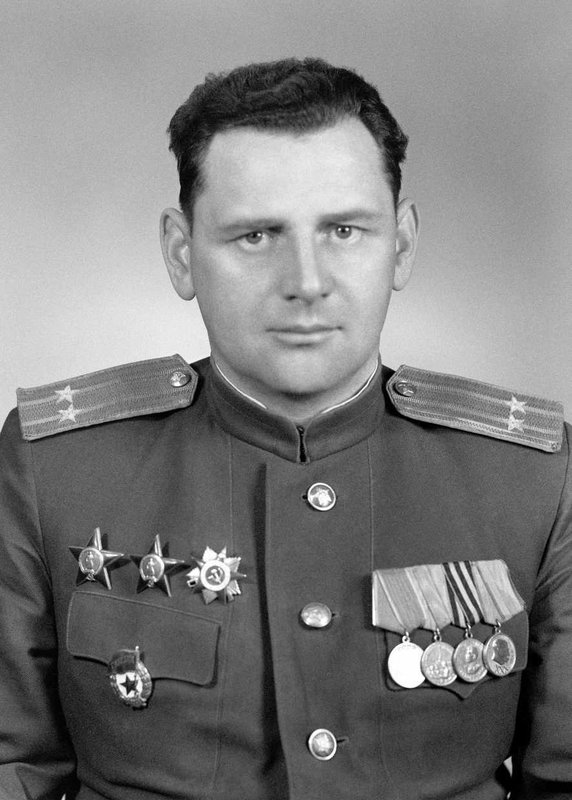

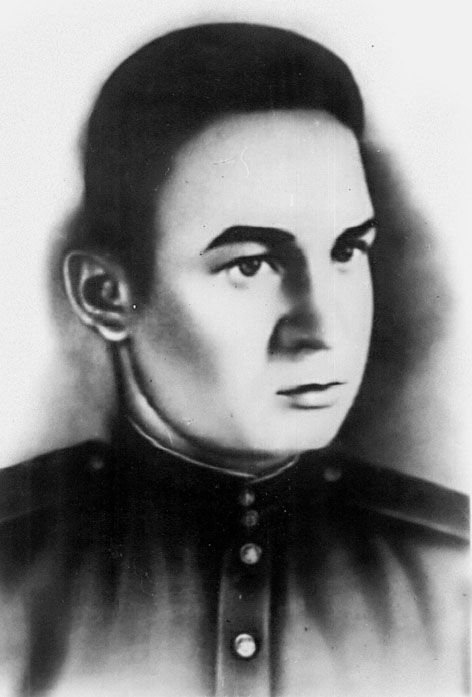

Rumyantsev Alexander Dmitrievich
Alexander Dmitrievich Rumyantsev_x000D_
_x000D_
Rank: Lieutenant General. Subdivision: 4th Guards Airborne Ovruch Red Banner Orders of Suvorov and Bogdan Khmelnitsky Division. Military Service – Civil War. In February 1918, he was drafted into the ranks of the Red Army, after which he served as a Red Army soldier in the Novoderevensky detachment, then in the 5th Latvian Regiment and took part in hostilities on the Southern Frontline against the troops under the command of General A.I. Denikin. In October 1919, he was wounded and was being treated in a hospital, after which he fought on the Petrograd Frontline against the troops under the command of General N. N. Yudenich, as a Red Army soldier, Senior scout, Junior commander, platoon commander. _x000D_
_x000D_
_x000D_
_x000D_
In August 1920, he was appointed platoon commander of the 4th Latvian Regiment of the Latvian Infantry Division, after which he took part in hostilities on the Southern Frontline against the troops under the command of General P.N. Wrangel. In 1920 he joined the ranks of the RCP. Between wartime. In March 1921 he was sent to study at the Higher Tactical Shooting School of the Command Staff of the Red Army named after V. III Comintern, at the end of which from September 1922 he served in the 25th rifle division as platoon commander of the 73rd and 75th rifle regiments, assistant chief and temporary head of the machine-gun team of the 75th rifle regiment. From December 1923 he served in the 21st Rifle Regiment (7th Rifle Division) as an assistant to the chief of a machine-gun command, platoon, company, and battalion commander. _x000D_
_x000D_
_x000D_
_x000D_
In September 1932, he was sent to study at the M.V. Frunze Military Academy, after which in November 1936 he was appointed commander of a battalion of cadets at the United Military School named after the All-Russian Central Executive Committee in Moscow, in November 1937 – to the post of head of the Tambov infantry school, and in August 1938 – for the post of head of the 1st department of the Office for the command and command personnel of the Red Army. He took part in hostilities during the Soviet-Finnish war, for which he was awarded with the Order of the Red Banner. In August 1940, he was appointed to the post of deputy chief, and in December – to the post of head of the personnel department of the Red Army. The Great Patriotic War. _x000D_
_x000D_
_x000D_
At the beginning of the war, Alexander Dmitrievich Rumyantsev was in his previous position. At the same time, from May 4, 1942 to April 1943, he was Deputy Nation's Commissar of Defense of the USSR for personnel. _x000D_
_x000D_
On April 19, 1943, he was appointed commander of the 4th Guards Airborne Division, which during the Battle of Kursk fought defensive battles in the area of the city of Ponyri, and then participated in the Chernigov-Pripyat offensive operation and the liberation of the city of Priluki, after which it went to Dnipro. On October 11, 1943, for the skillful crossing of the Dnieper River, Major General Rumyantsev was introduced by the commander of the 18th Guards Rifle Corps, Major General I.M. Afonin to the rank of Hero of the Soviet Union, however, the commander of the 60th Army, Lieutenant General I.D. Chernyakhovsky downgraded the status of the award to the Order of Suvorov, 2nd grade. Soon the division took part in the Kiev, Zhitomir-Berdichev, Umansko-Botoshansk and Yassko-Chisinau offensive operations. _x000D_
_x000D_
_x000D_
_x000D_
Rumyantsev was wounded on September 25, 1944, and after that he was sent to a hospital for treatment. After treatment, on October 25, 1944, he was appointed commander of the 51st Rifle Corps, which took part in the Debrecen, Budapest, Bratislava-Brnov and Prague offensive operations, as well as in the liberation of the cities of Satu-Mare, Nyiregyhaza, Zvolen, Banska-Bystrica , Kremnica and Previdza. _x000D_
_x000D_
Post-war career. In July 1945, the 51st Rifle Corps was disbanded. In September, Major General Alexander Dmitrievich Rumyantsev was appointed commander of the 35th, and in May 1946 – the commander of the 128th rifle corps. In June 1948, he was sent to study at the higher academic courses at the Higher Military Academy named after K.E. Voroshilov, after which in June 1949 he was appointed commander of the 4th Guards Rifle Corps. Since December 1950, he was at the disposal of the 10th department of the 2nd Main Directorate of the General Staff of the Soviet Army. In January 1953, he was appointed to the post of assistant commander – head of the combat training department of the 38th Army (Carpathian Military District), in August 1955 – to the post of 1st deputy commander of this army, and in June 1957 – to the post of assistant commander by the troops of the Baltic Military District for military educational institutions.
Rumyantsev Alexander Dmitrievich
Alexander Dmitrievich Rumyantsev_x000D_
_x000D_
Rank: Lieutenant General. Subdivision: 4th Guards Airborne Ovruch Red Banner Orders of Suvorov and Bogdan Khmelnitsky Division. Military Service – Civil War. In February 1918, he was drafted into the ranks of the Red Army, after which he served as a Red Army soldier in the Novoderevensky detachment, then in the 5th Latvian Regiment and took part in hostilities on the Southern Frontline against the troops under the command of General A.I. Denikin. In October 1919, he was wounded and was being treated in a hospital, after which he fought on the Petrograd Frontline against the troops under the command of General N. N. Yudenich, as a Red Army soldier, Senior scout, Junior commander, platoon commander. _x000D_
_x000D_
_x000D_
_x000D_
In August 1920, he was appointed platoon commander of the 4th Latvian Regiment of the Latvian Infantry Division, after which he took part in hostilities on the Southern Frontline against the troops under the command of General P.N. Wrangel. In 1920 he joined the ranks of the RCP. Between wartime. In March 1921 he was sent to study at the Higher Tactical Shooting School of the Command Staff of the Red Army named after V. III Comintern, at the end of which from September 1922 he served in the 25th rifle division as platoon commander of the 73rd and 75th rifle regiments, assistant chief and temporary head of the machine-gun team of the 75th rifle regiment. From December 1923 he served in the 21st Rifle Regiment (7th Rifle Division) as an assistant to the chief of a machine-gun command, platoon, company, and battalion commander. _x000D_
_x000D_
_x000D_
_x000D_
In September 1932, he was sent to study at the M.V. Frunze Military Academy, after which in November 1936 he was appointed commander of a battalion of cadets at the United Military School named after the All-Russian Central Executive Committee in Moscow, in November 1937 – to the post of head of the Tambov infantry school, and in August 1938 – for the post of head of the 1st department of the Office for the command and command personnel of the Red Army. He took part in hostilities during the Soviet-Finnish war, for which he was awarded with the Order of the Red Banner. In August 1940, he was appointed to the post of deputy chief, and in December – to the post of head of the personnel department of the Red Army. The Great Patriotic War. _x000D_
_x000D_
_x000D_
At the beginning of the war, Alexander Dmitrievich Rumyantsev was in his previous position. At the same time, from May 4, 1942 to April 1943, he was Deputy Nation's Commissar of Defense of the USSR for personnel. _x000D_
_x000D_
On April 19, 1943, he was appointed commander of the 4th Guards Airborne Division, which during the Battle of Kursk fought defensive battles in the area of the city of Ponyri, and then participated in the Chernigov-Pripyat offensive operation and the liberation of the city of Priluki, after which it went to Dnipro. On October 11, 1943, for the skillful crossing of the Dnieper River, Major General Rumyantsev was introduced by the commander of the 18th Guards Rifle Corps, Major General I.M. Afonin to the rank of Hero of the Soviet Union, however, the commander of the 60th Army, Lieutenant General I.D. Chernyakhovsky downgraded the status of the award to the Order of Suvorov, 2nd grade. Soon the division took part in the Kiev, Zhitomir-Berdichev, Umansko-Botoshansk and Yassko-Chisinau offensive operations. _x000D_
_x000D_
_x000D_
_x000D_
Rumyantsev was wounded on September 25, 1944, and after that he was sent to a hospital for treatment. After treatment, on October 25, 1944, he was appointed commander of the 51st Rifle Corps, which took part in the Debrecen, Budapest, Bratislava-Brnov and Prague offensive operations, as well as in the liberation of the cities of Satu-Mare, Nyiregyhaza, Zvolen, Banska-Bystrica , Kremnica and Previdza. _x000D_
_x000D_
Post-war career. In July 1945, the 51st Rifle Corps was disbanded. In September, Major General Alexander Dmitrievich Rumyantsev was appointed commander of the 35th, and in May 1946 – the commander of the 128th rifle corps. In June 1948, he was sent to study at the higher academic courses at the Higher Military Academy named after K.E. Voroshilov, after which in June 1949 he was appointed commander of the 4th Guards Rifle Corps. Since December 1950, he was at the disposal of the 10th department of the 2nd Main Directorate of the General Staff of the Soviet Army. In January 1953, he was appointed to the post of assistant commander – head of the combat training department of the 38th Army (Carpathian Military District), in August 1955 – to the post of 1st deputy commander of this army, and in June 1957 – to the post of assistant commander by the troops of the Baltic Military District for military educational institutions.
0 comment




2026 © Russian Military Historical Society Developed by Jetmix