Back to
album
album
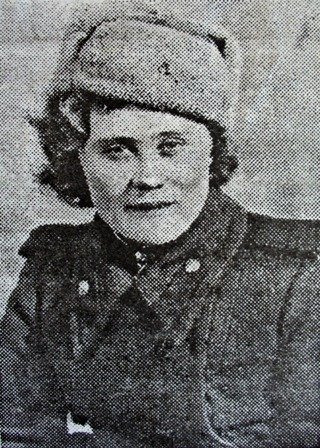
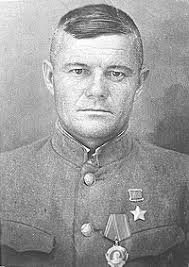
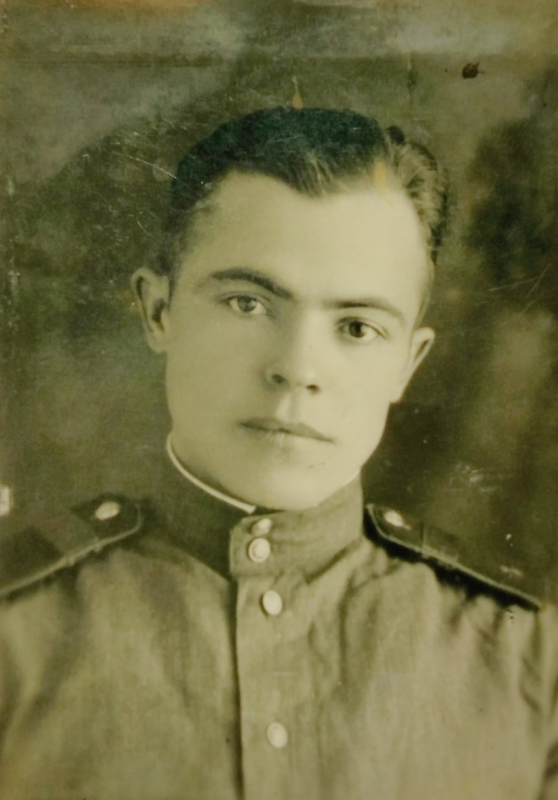
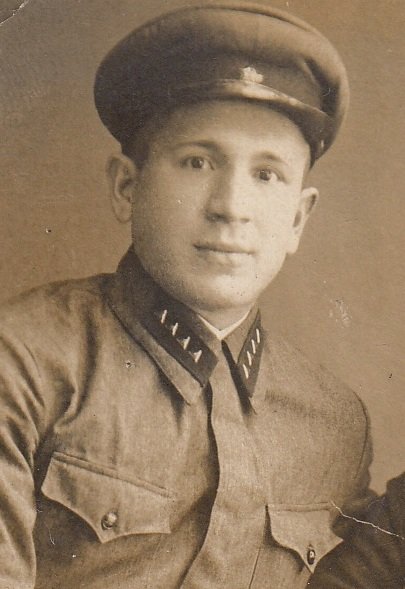
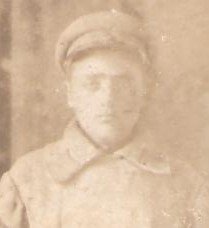
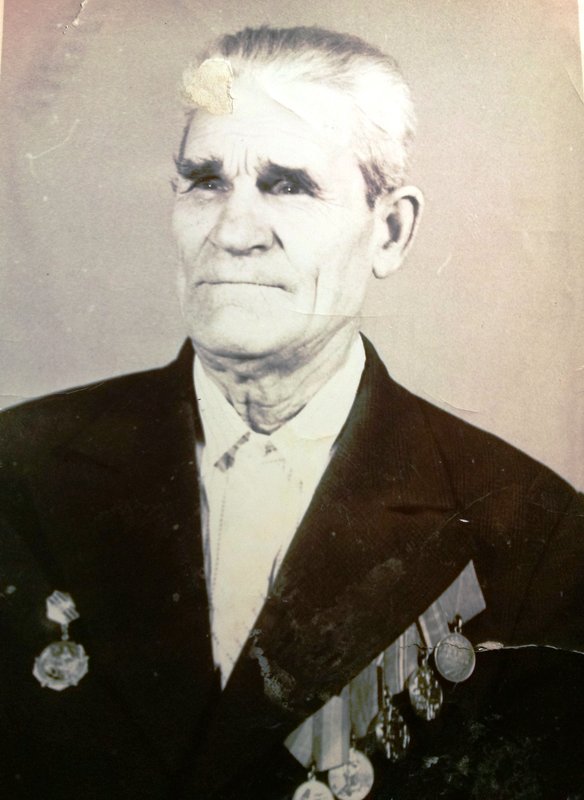
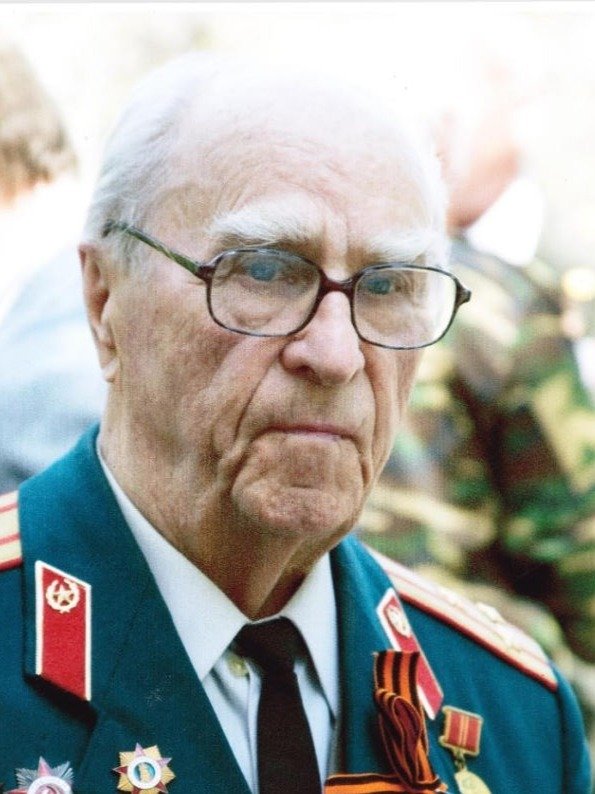
Runov Pavel Andreevich
Runov Pavel Andreevich_x000D_
_x000D_
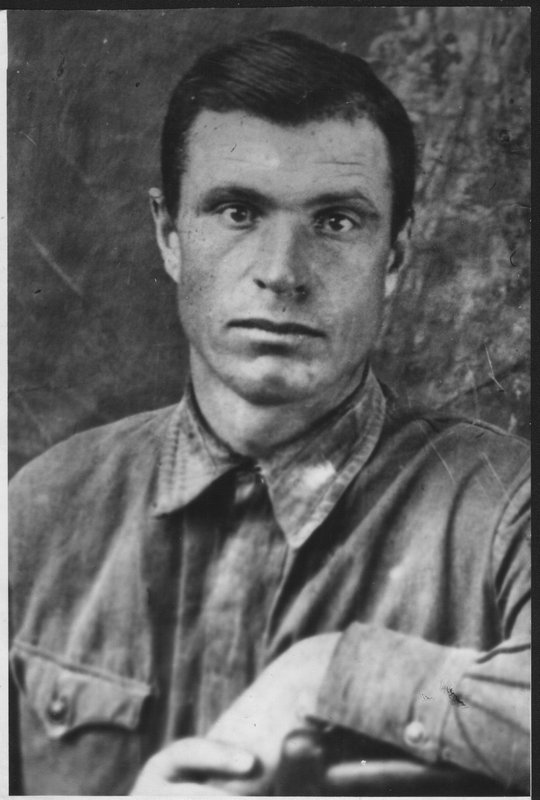
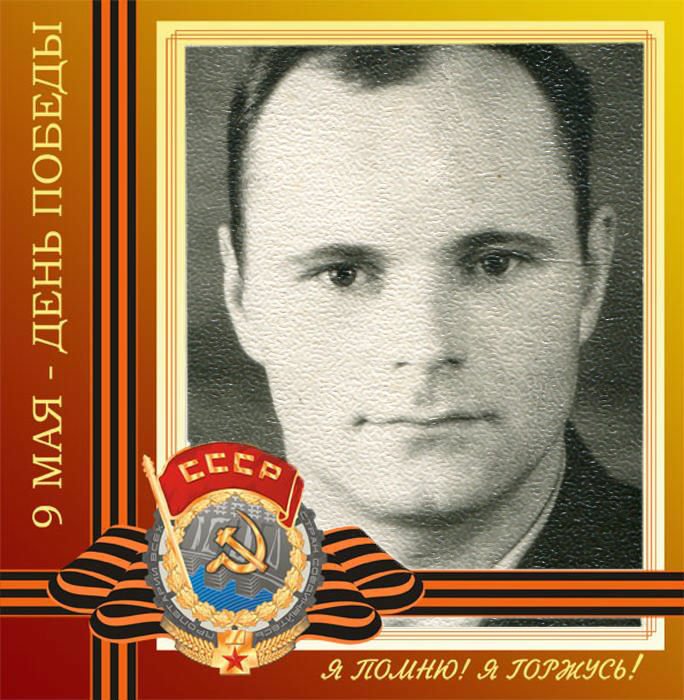
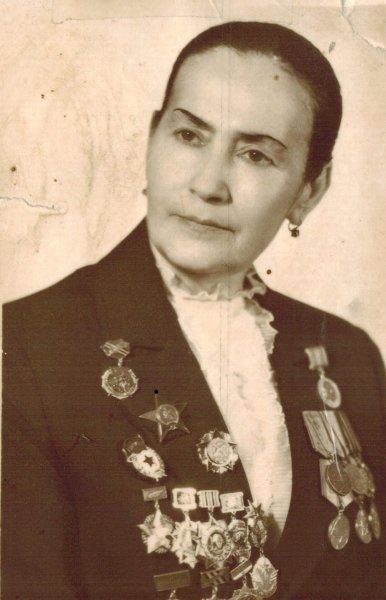
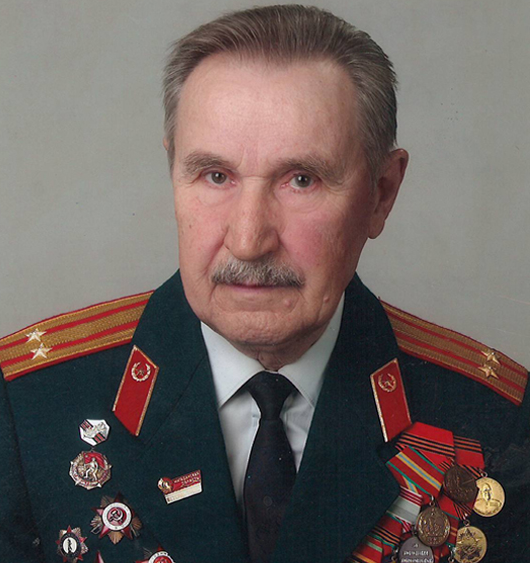
Our grandfather's name was Pavel Andreevich Runov, he was born on January 28, 1924 in the village of Maryinskoe, Ivanovo region, in a family of ordinary workers. In the army, my grandfather was called to Kronstadt, where he received the rank of Sergeant, and from there went to the front in Leningrad. My grandfather told me that during the defense of Leningrad, he was a driver. On September 8, warehouses where the city's main food supplies were stored were bombed. A fire broke out, completely destroying these warehouses; as a result, famine soon set in. Products, mainly bread, were issued strictly by cards. All the pigeons, cats, dogs, and even rats were eaten in the city. People walked the streets as thin as skeletons, died in the workplace, on the streets. Leningrad ran out of food, and only one road connected the besieged city with the Mainland. This road ran on water. Along this route came the first barges with food, and so on until late autumn. Each of their flights was a feat-enemy aircraft constantly made their raids, weather conditions were often also not in the hands of the sailors-the barges continued their flights even in late autumn, until the ice appeared. Road workers daily measured the thickness of the ice on the entire lake, but were unable to accelerate its growth. On November 20, the ice thickness reached 180 mm. Horse-drawn wagons came out on the ice, and then trucks with food. The ice was very thin, despite the fact that the truck was carrying only 2-3 bags of food, the ice broke, and there were frequent cases when trucks sank. At the risk of their lives, drivers continued their deadly flights until the spring. Military highway No. 101, as this route was called, allowed to increase the bread ration and evacuate a large number of people. The Germans constantly tried to break this thread that connects the besieged city with the country, but thanks to the courage and strength of the spirit of the Leningrad people, the "Road of Life" lived itself and gave life to the great city. The significance of the Ladoga highway is huge, it saved thousands of lives. My grandfather also recalled that the soldiers were exhausted, hungry, and dirty. In winter, at 40 degrees below zero, they were forced to melt snow, warm water, and wash to avoid lice. After that, many soldiers died of pneumonia. The siege of Leningrad lasted 900 days. After Leningrad was liberated, it was necessary to clear the area around the city, which the Germans had mined during the retreat. And my grandfather trained as a sapper and stayed in Leningrad until the end of the war to clear the city. After the war, my grandfather was awarded the medal for the defense of Leningrad and commemorative awards. He was also awarded the order of the Patriotic War, 2nd Class.
Runov Pavel Andreevich
Runov Pavel Andreevich_x000D_
_x000D_
Our grandfather's name was Pavel Andreevich Runov, he was born on January 28, 1924 in the village of Maryinskoe, Ivanovo region, in a family of ordinary workers. In the army, my grandfather was called to Kronstadt, where he received the rank of Sergeant, and from there went to the front in Leningrad. My grandfather told me that during the defense of Leningrad, he was a driver. On September 8, warehouses where the city's main food supplies were stored were bombed. A fire broke out, completely destroying these warehouses; as a result, famine soon set in. Products, mainly bread, were issued strictly by cards. All the pigeons, cats, dogs, and even rats were eaten in the city. People walked the streets as thin as skeletons, died in the workplace, on the streets. Leningrad ran out of food, and only one road connected the besieged city with the Mainland. This road ran on water. Along this route came the first barges with food, and so on until late autumn. Each of their flights was a feat-enemy aircraft constantly made their raids, weather conditions were often also not in the hands of the sailors-the barges continued their flights even in late autumn, until the ice appeared. Road workers daily measured the thickness of the ice on the entire lake, but were unable to accelerate its growth. On November 20, the ice thickness reached 180 mm. Horse-drawn wagons came out on the ice, and then trucks with food. The ice was very thin, despite the fact that the truck was carrying only 2-3 bags of food, the ice broke, and there were frequent cases when trucks sank. At the risk of their lives, drivers continued their deadly flights until the spring. Military highway No. 101, as this route was called, allowed to increase the bread ration and evacuate a large number of people. The Germans constantly tried to break this thread that connects the besieged city with the country, but thanks to the courage and strength of the spirit of the Leningrad people, the "Road of Life" lived itself and gave life to the great city. The significance of the Ladoga highway is huge, it saved thousands of lives. My grandfather also recalled that the soldiers were exhausted, hungry, and dirty. In winter, at 40 degrees below zero, they were forced to melt snow, warm water, and wash to avoid lice. After that, many soldiers died of pneumonia. The siege of Leningrad lasted 900 days. After Leningrad was liberated, it was necessary to clear the area around the city, which the Germans had mined during the retreat. And my grandfather trained as a sapper and stayed in Leningrad until the end of the war to clear the city. After the war, my grandfather was awarded the medal for the defense of Leningrad and commemorative awards. He was also awarded the order of the Patriotic War, 2nd Class.
0 comment



2026 © Russian Military Historical Society Developed by Jetmix