Back to
album
album
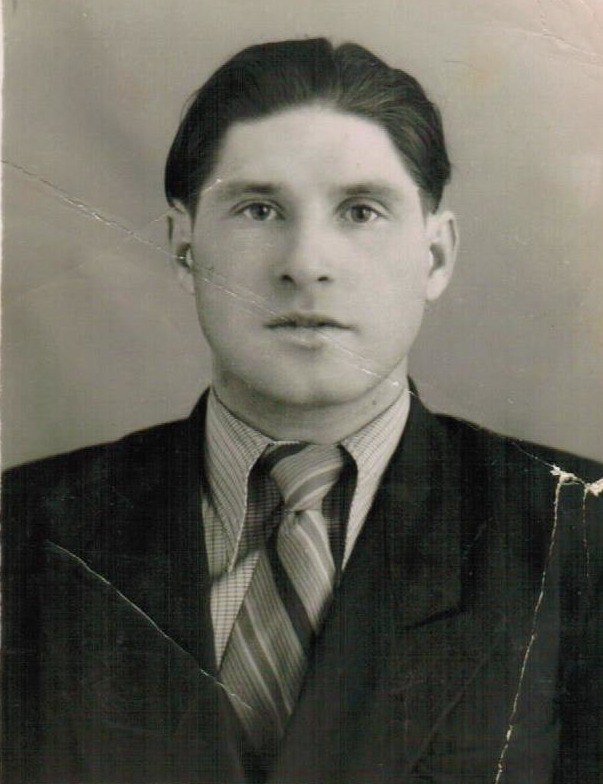
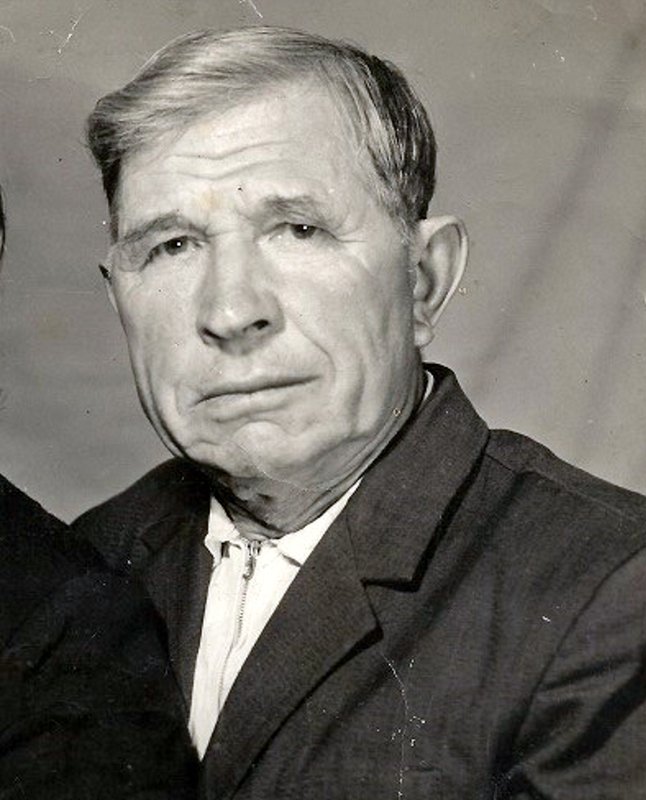
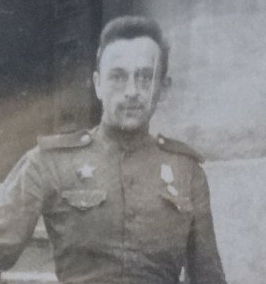
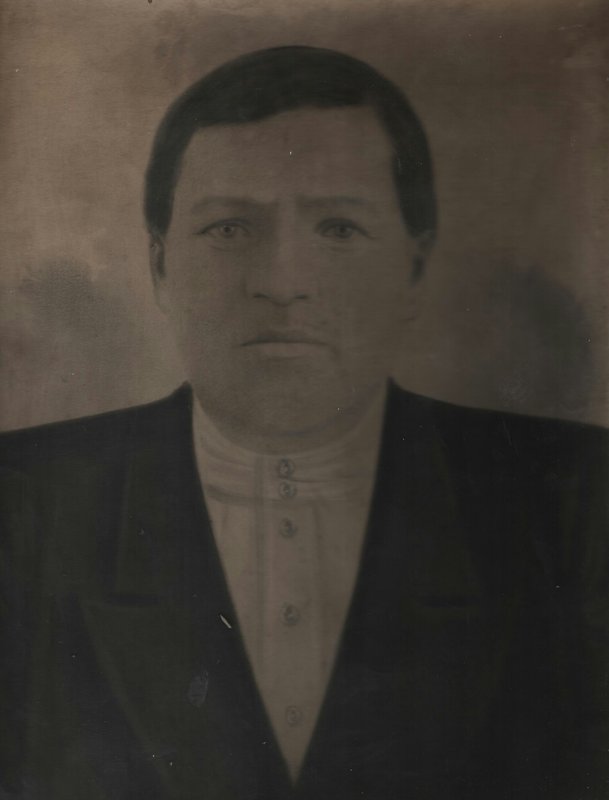
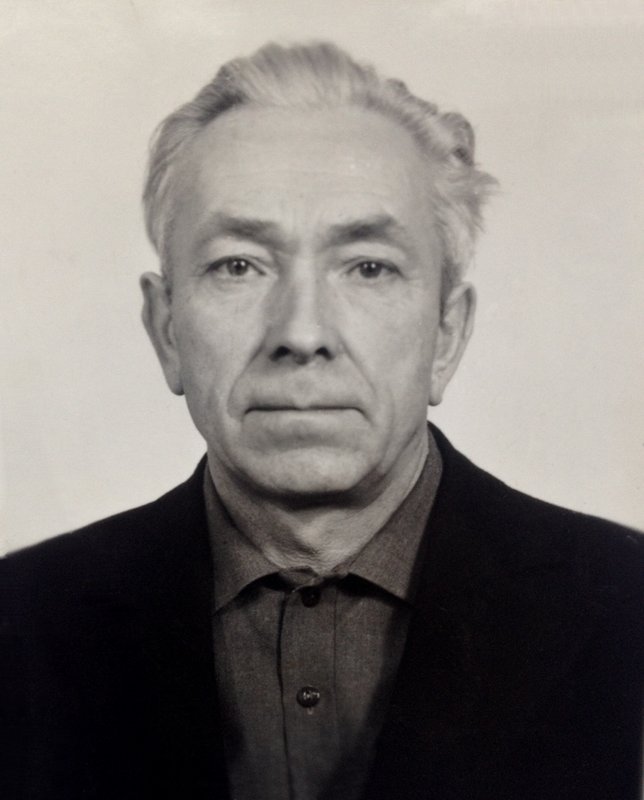
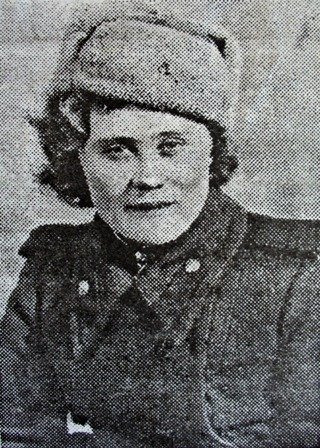
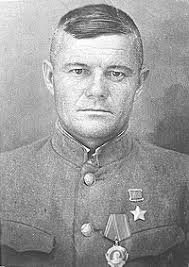
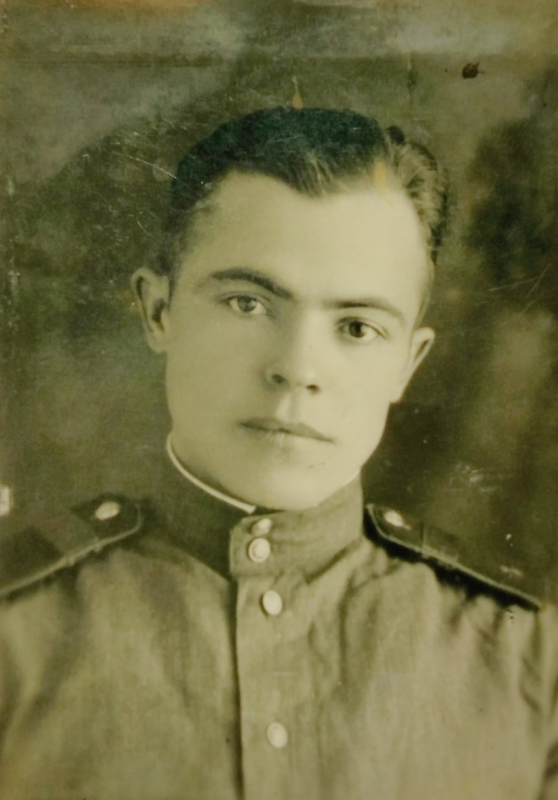
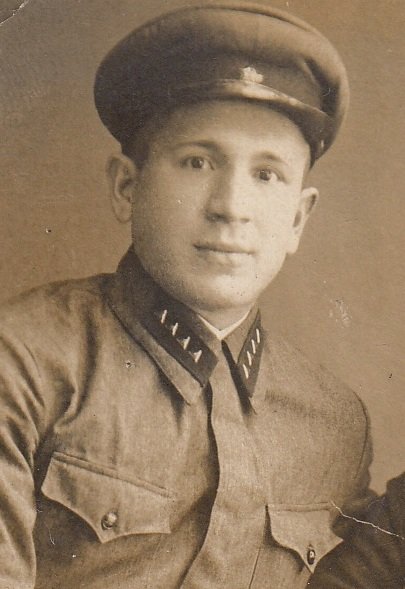
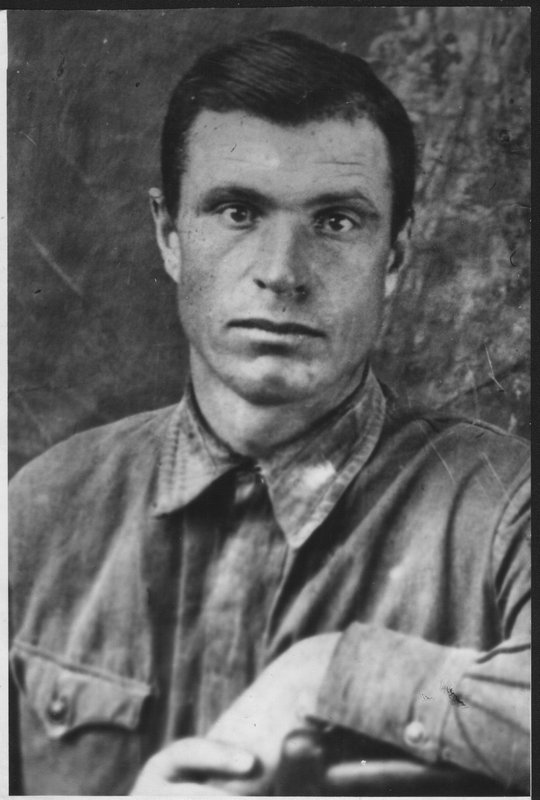
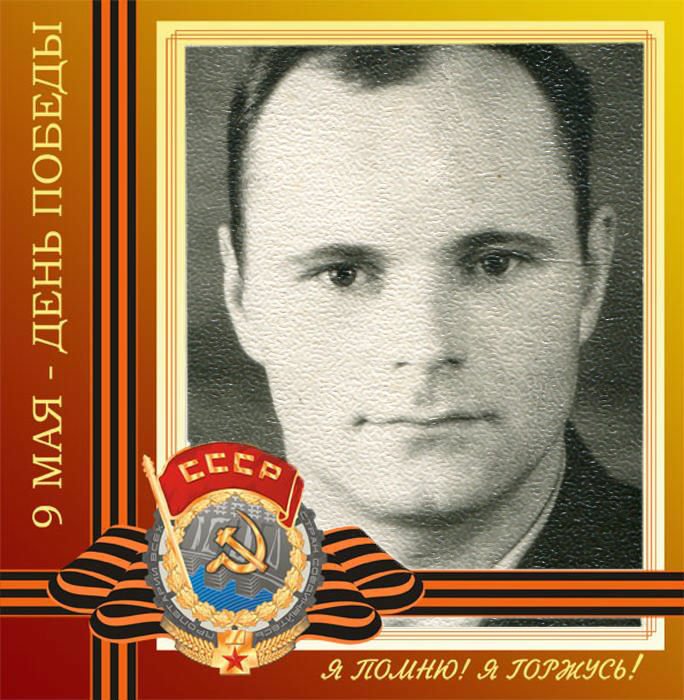
Rudenko (Vladykina) Maria Dmitrievna
Rudenko (Vladykina) Maria Dmitrievna_x000D_
_x000D_
She was born in 1924 in the village of Lobanovo, Danilovsky district of the Volgograd region. Rank: red army soldier. Branch of service: army, air force (except marine aviation), the coast guard, the troops of the NKVD border troops. Before the war, Maria Dmitrievna Rudenko-Vladykina and her older sister lived and studied in Stalingrad. They made life plans, but the war destroyed everything. My sister was immediately called to the front in July (the medical school where she studied had an early release of nurses), and in the fall my father also went to the front. Maria continued to study at the pedagogical College. In the autumn, the city began to build defensive lines. Together with others, she worked on digging a pit for military installations in the garden of the drama theater named after M. Gorky. Then they dug trenches. But the anti-tank ditch was dug when it was already cold, the ground was frozen, and they, the stalingraders, beat the ground with crowbars, threw it up, and it crumbled… - And how I wanted to eat, - recalls Maria Dmitrievna, - I can't even describe. You sit and cry and nibble on the crumbs of these 400 grams of bread - and you won't see how you eat it. And we had to dig, we understood that well, and we all worked hard. But then I could not imagine that we will face that I, a girl, before leaving the army I led into the field the harvester to remove the bread under the troubled sky of Stalingrad that women farmers in the winter of 1943 will thresh the bread that two weeks master the lathe and will work as a Turner in Loboykovka MTS that will fight with the enemy and go from Stalingrad to the Oder, liberating Ukraine, Poland, will face close to the death and remain alive. Memoirs of a veteran in 1975: "in 1943, immediately after the final exams at the pedagogical school, at the call of the Central Committee of the Komsomol, I went to the front. My personal combat path began from the walls of Stalingrad in the 19th Separate battalion of the VNOS, which was part of the 62nd guard’s army under the command of General V. I. Chuikov. I was an observer-telephone operator and at the same time a Komsomol group member, a member of the Komsomol active part, edited the "Battle sheet" and wrote my front-line notes in the newspaper of our part. The task of the air defense observers was to warn the battery of a raid by enemy aircraft and prevent an attack on the protected object and further to the rear of the country. That is why we had to know all the types of German planes, Soviet planes and other countries that were in service with our army and be able to distinguish them by the noise of the engine. This was especially important at night, when the plane itself is invisible. It was also necessary to have a good knowledge of the device and the principle of operation of telephone sets used in the army, so that if necessary, any malfunction could be eliminated quickly and independently. We also had to be able to build a telephone line on our own and repair damage to it. Here is an example. There were battles for the liberation of the city of Dnepropetrovsk. Our unit stood on the protection of the railway, along which trains with manpower, military equipment and fuel were moving near Dnepropetrovsk. Dark autumn night. Drizzling rain, mud, slush. Another German air RAID began. And on the road, there was a train with fuel for military equipment. We sent a report to the RP on the signal "Air" and our anti-aircraft gunners met with fire. However, one Henkel 111 aircraft managed to break through and drop a bomb that hit the main tank of the train, but the locomotive drivers and the soldiers accompanying the train were able to quickly unhook and pull the burning tank from the main train, and at this moment we lost communication. I was given the task to restore the connection immediately. Our telephone cable ran from the observation post, which was located in an open field, along the village, then passed through a small river overgrown with reeds, then through the cemetery, forest belt and connected to the main line at the railway. I immediately went to complete the task. I walked, getting bogged down in the mud, meter by meter probing the cable, looking for damage, waded across the river, filled my boots with water, crossed the cemetery and almost at the railway found a wire break, repaired the damage and returned back. It was only when she entered the dugout that she felt the cold on her hands and the icy water on her booted feet. I would also like to describe such an episode from front-line life, when we crossed the bug river and entered the territory of Poland, a detachment of our female fighters passed through the city of Holmes, and Polish citizens greeted us with admiration and cheers. And you know what an indescribable feeling was in the soul of each of us! It is a great joy and pride for our Soviet Army, for our people, who drove out the fascist evil spirits from their land and continues to expel them from the enslaved countries of Europe, that we, Soviet girl soldiers, together with everyone participate in this great historical event." She served in the 19th separate battalion of the VNOS, which was part of the 62nd army under the command of V. I. Chuikov. She was a telephone operator. More than once it was necessary, risking life, with a coil and a machine gun in hands under attacks of fascists to establish communication between command posts… This happened in November 1944 in Poland. Then they were in the Lublin Voivodeship. The command instructed Maria Dmitrievna to deliver a secret package. We had to go through the forest. There was only one danger – to run into Akovtsy-Polish nationalists. And so, it happened: in the woods towards her came four home army soldiers with guns. She quickly buried the bag in the sand. The knowledge of the Ukrainian language and the fact that Maria Dmitrievna was dressed like a village saved her. In July 1945, the girls of the 19th battalion, including her, were demobilized. In August, Maria Dmitrievna came to visit relatives in the village of Chernukha. And since October 1945, she began to study in absentia at the Arzamas pedagogical school, then at the Arzamas teachers ' Institute (Gorky region). At the same time, she began working as a primary school teacher in the village of Verizki, and three years later she was transferred to the Motovilovsky school, where she worked until retirement. Maria Dmitrievna raised two sons: Alexander followed in her footsteps, works in one of the schools of Arzamas as a head teacher, and Mikhail, who graduated from MAI, works in Nizhny Novgorod, artistic Director of the Motovilovsky house of culture. Village Motovilova Arzamas district of Nizhny Novgorod oblast. Awards: order of the Patriotic war II degree (1985), "for the victory over Germany in the great Patriotic war of 1941-1945" (1946), "Twenty years of Victory in the great Patriotic war of 1941-1945", "Thirty years of Victory in the great Patriotic war of 1941-1945", "Forty years of Victory in the great Patriotic war of 1941-1945", "fifty years of Victory in the great Patriotic war of 1941-1945", Zhukov medal, "Fifty years Of the armed forces of the USSR"(1968), "Sixty years of the armed forces of the USSR" (1978), "seventy years of the armed forces of the USSR" (1988).
Rudenko (Vladykina) Maria Dmitrievna
Rudenko (Vladykina) Maria Dmitrievna_x000D_
_x000D_
She was born in 1924 in the village of Lobanovo, Danilovsky district of the Volgograd region. Rank: red army soldier. Branch of service: army, air force (except marine aviation), the coast guard, the troops of the NKVD border troops. Before the war, Maria Dmitrievna Rudenko-Vladykina and her older sister lived and studied in Stalingrad. They made life plans, but the war destroyed everything. My sister was immediately called to the front in July (the medical school where she studied had an early release of nurses), and in the fall my father also went to the front. Maria continued to study at the pedagogical College. In the autumn, the city began to build defensive lines. Together with others, she worked on digging a pit for military installations in the garden of the drama theater named after M. Gorky. Then they dug trenches. But the anti-tank ditch was dug when it was already cold, the ground was frozen, and they, the stalingraders, beat the ground with crowbars, threw it up, and it crumbled… - And how I wanted to eat, - recalls Maria Dmitrievna, - I can't even describe. You sit and cry and nibble on the crumbs of these 400 grams of bread - and you won't see how you eat it. And we had to dig, we understood that well, and we all worked hard. But then I could not imagine that we will face that I, a girl, before leaving the army I led into the field the harvester to remove the bread under the troubled sky of Stalingrad that women farmers in the winter of 1943 will thresh the bread that two weeks master the lathe and will work as a Turner in Loboykovka MTS that will fight with the enemy and go from Stalingrad to the Oder, liberating Ukraine, Poland, will face close to the death and remain alive. Memoirs of a veteran in 1975: "in 1943, immediately after the final exams at the pedagogical school, at the call of the Central Committee of the Komsomol, I went to the front. My personal combat path began from the walls of Stalingrad in the 19th Separate battalion of the VNOS, which was part of the 62nd guard’s army under the command of General V. I. Chuikov. I was an observer-telephone operator and at the same time a Komsomol group member, a member of the Komsomol active part, edited the "Battle sheet" and wrote my front-line notes in the newspaper of our part. The task of the air defense observers was to warn the battery of a raid by enemy aircraft and prevent an attack on the protected object and further to the rear of the country. That is why we had to know all the types of German planes, Soviet planes and other countries that were in service with our army and be able to distinguish them by the noise of the engine. This was especially important at night, when the plane itself is invisible. It was also necessary to have a good knowledge of the device and the principle of operation of telephone sets used in the army, so that if necessary, any malfunction could be eliminated quickly and independently. We also had to be able to build a telephone line on our own and repair damage to it. Here is an example. There were battles for the liberation of the city of Dnepropetrovsk. Our unit stood on the protection of the railway, along which trains with manpower, military equipment and fuel were moving near Dnepropetrovsk. Dark autumn night. Drizzling rain, mud, slush. Another German air RAID began. And on the road, there was a train with fuel for military equipment. We sent a report to the RP on the signal "Air" and our anti-aircraft gunners met with fire. However, one Henkel 111 aircraft managed to break through and drop a bomb that hit the main tank of the train, but the locomotive drivers and the soldiers accompanying the train were able to quickly unhook and pull the burning tank from the main train, and at this moment we lost communication. I was given the task to restore the connection immediately. Our telephone cable ran from the observation post, which was located in an open field, along the village, then passed through a small river overgrown with reeds, then through the cemetery, forest belt and connected to the main line at the railway. I immediately went to complete the task. I walked, getting bogged down in the mud, meter by meter probing the cable, looking for damage, waded across the river, filled my boots with water, crossed the cemetery and almost at the railway found a wire break, repaired the damage and returned back. It was only when she entered the dugout that she felt the cold on her hands and the icy water on her booted feet. I would also like to describe such an episode from front-line life, when we crossed the bug river and entered the territory of Poland, a detachment of our female fighters passed through the city of Holmes, and Polish citizens greeted us with admiration and cheers. And you know what an indescribable feeling was in the soul of each of us! It is a great joy and pride for our Soviet Army, for our people, who drove out the fascist evil spirits from their land and continues to expel them from the enslaved countries of Europe, that we, Soviet girl soldiers, together with everyone participate in this great historical event." She served in the 19th separate battalion of the VNOS, which was part of the 62nd army under the command of V. I. Chuikov. She was a telephone operator. More than once it was necessary, risking life, with a coil and a machine gun in hands under attacks of fascists to establish communication between command posts… This happened in November 1944 in Poland. Then they were in the Lublin Voivodeship. The command instructed Maria Dmitrievna to deliver a secret package. We had to go through the forest. There was only one danger – to run into Akovtsy-Polish nationalists. And so, it happened: in the woods towards her came four home army soldiers with guns. She quickly buried the bag in the sand. The knowledge of the Ukrainian language and the fact that Maria Dmitrievna was dressed like a village saved her. In July 1945, the girls of the 19th battalion, including her, were demobilized. In August, Maria Dmitrievna came to visit relatives in the village of Chernukha. And since October 1945, she began to study in absentia at the Arzamas pedagogical school, then at the Arzamas teachers ' Institute (Gorky region). At the same time, she began working as a primary school teacher in the village of Verizki, and three years later she was transferred to the Motovilovsky school, where she worked until retirement. Maria Dmitrievna raised two sons: Alexander followed in her footsteps, works in one of the schools of Arzamas as a head teacher, and Mikhail, who graduated from MAI, works in Nizhny Novgorod, artistic Director of the Motovilovsky house of culture. Village Motovilova Arzamas district of Nizhny Novgorod oblast. Awards: order of the Patriotic war II degree (1985), "for the victory over Germany in the great Patriotic war of 1941-1945" (1946), "Twenty years of Victory in the great Patriotic war of 1941-1945", "Thirty years of Victory in the great Patriotic war of 1941-1945", "Forty years of Victory in the great Patriotic war of 1941-1945", "fifty years of Victory in the great Patriotic war of 1941-1945", Zhukov medal, "Fifty years Of the armed forces of the USSR"(1968), "Sixty years of the armed forces of the USSR" (1978), "seventy years of the armed forces of the USSR" (1988).
0 comment



2026 © Russian Military Historical Society Developed by Jetmix