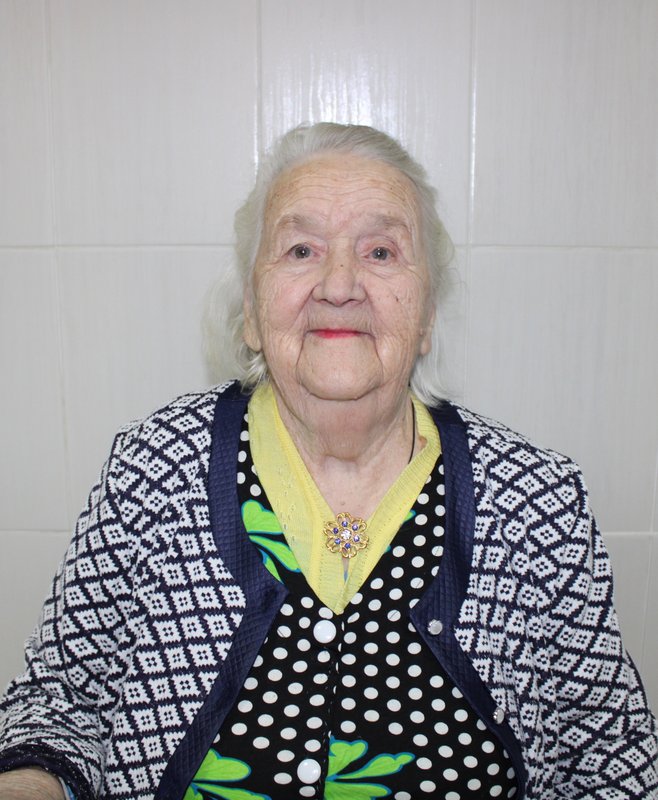
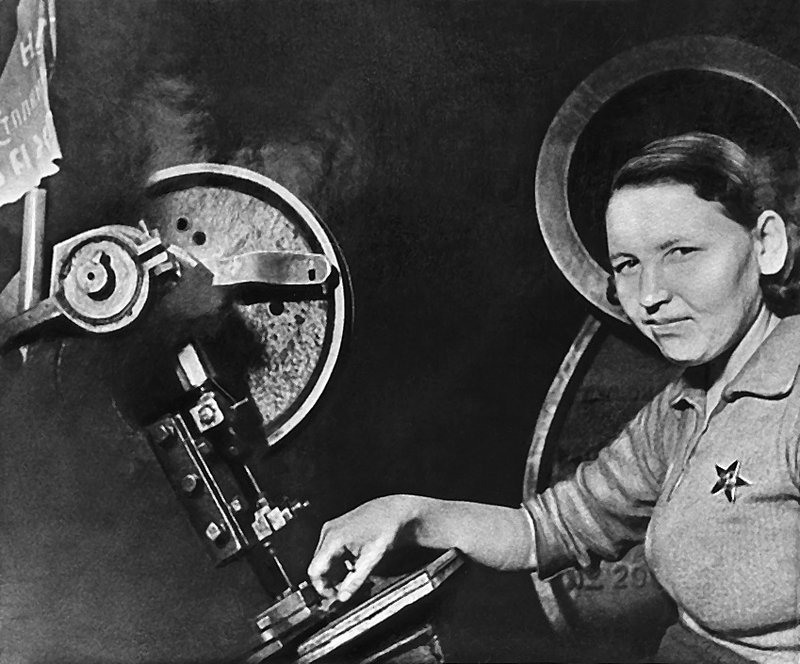
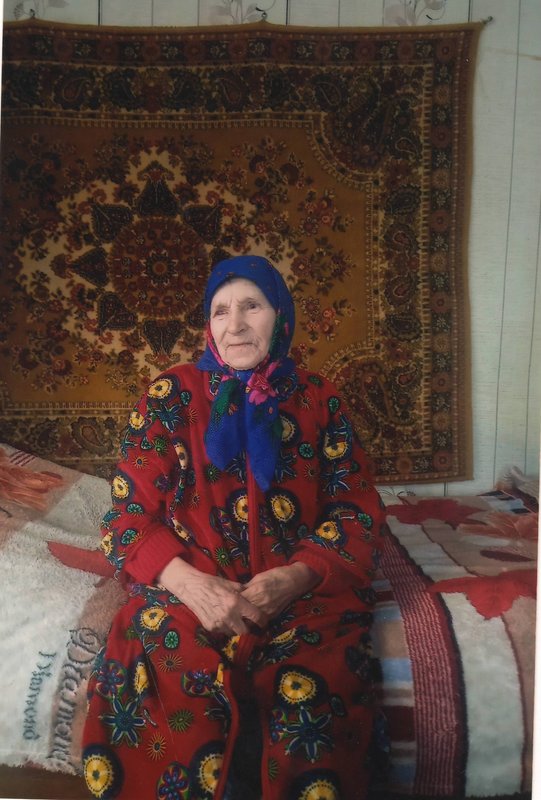
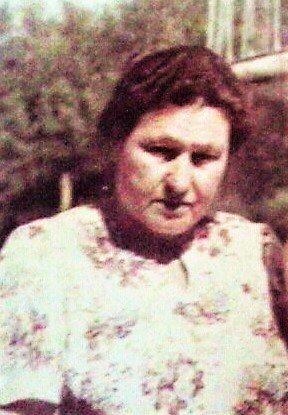
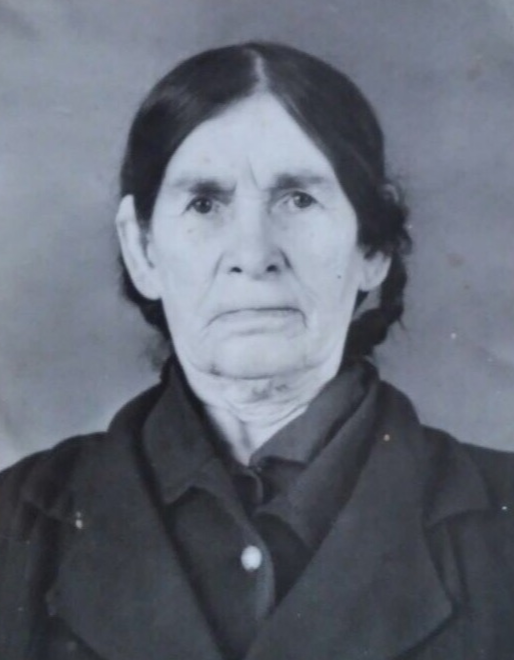
Kresova Efrosinya Antonovna
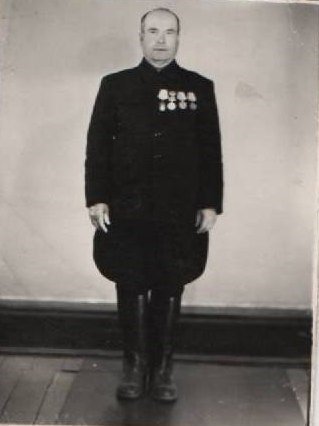
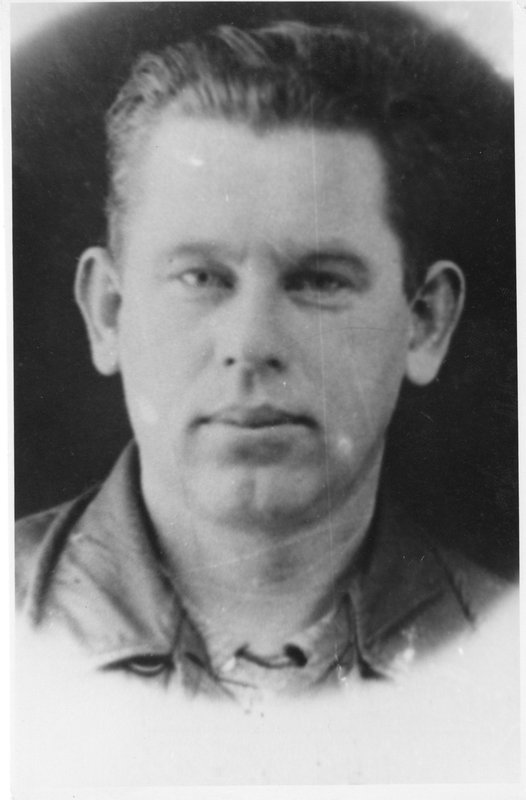
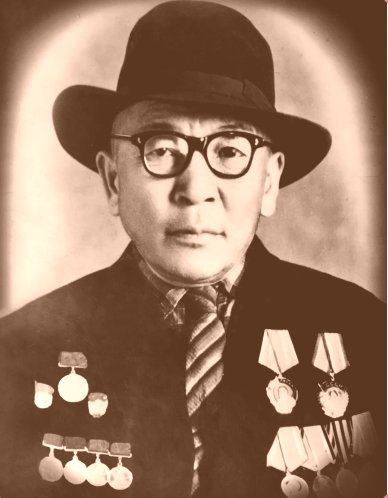
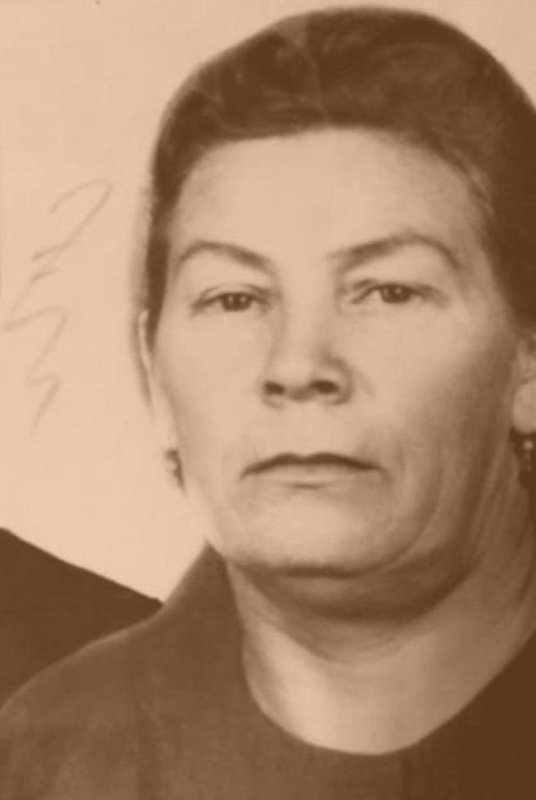
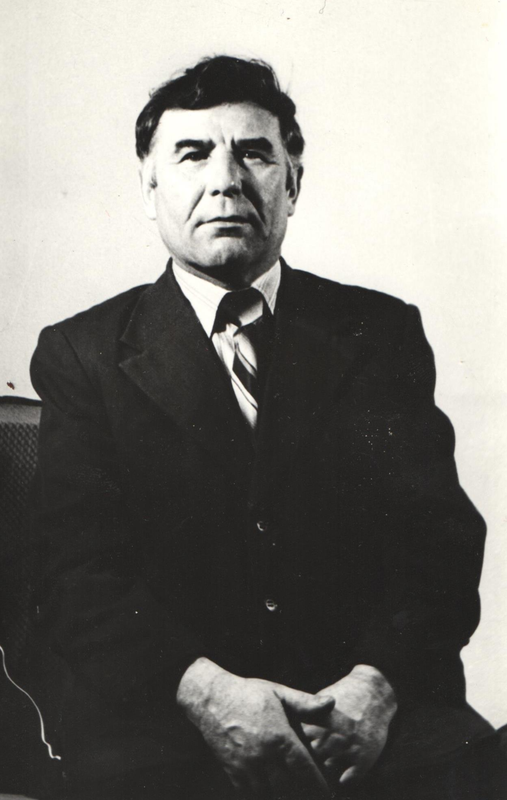
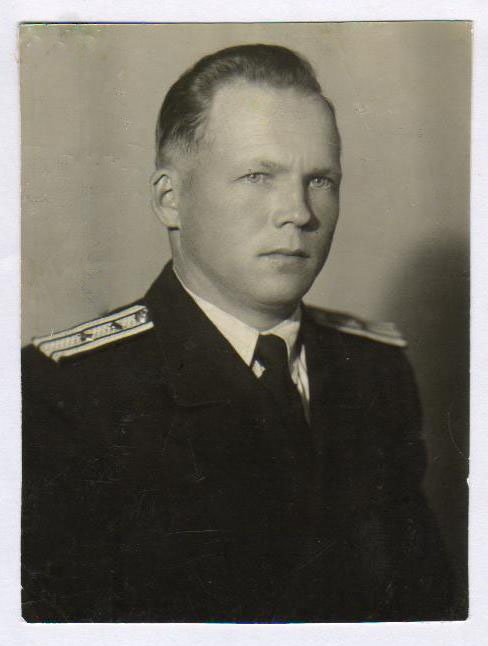
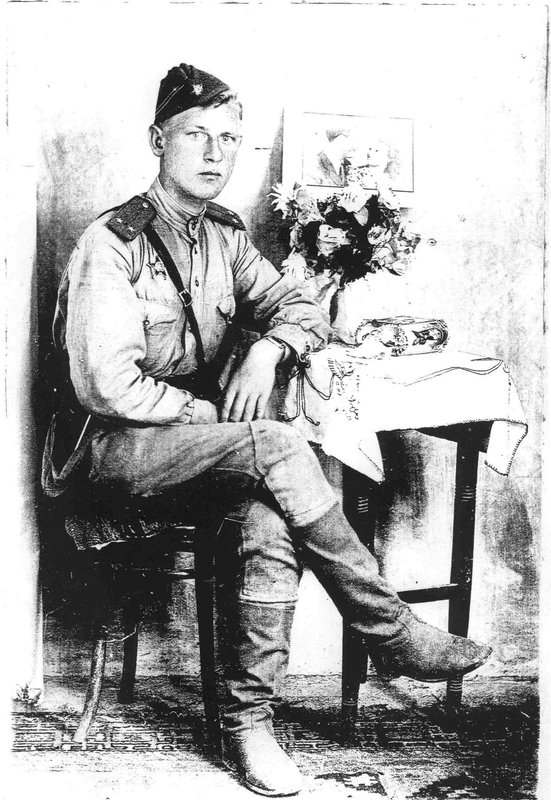
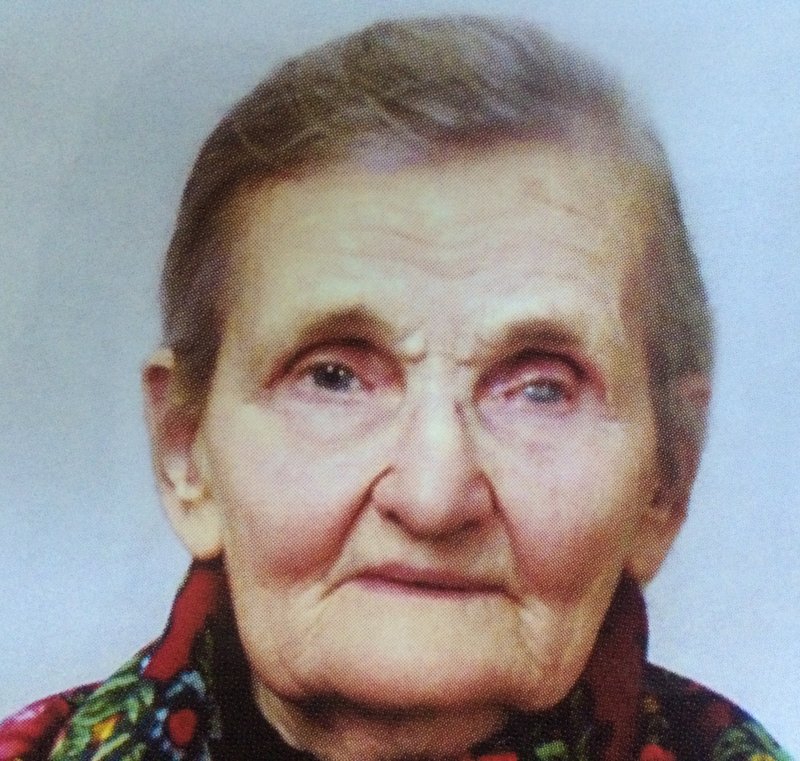
Kresova Efrosinya Antonovna, nee Grishina, was born in 1907 in the village of Novaya Romanovka in the Mglinsky district of the Bryansk region. She had 1 class of education. She married Peter Fedorovich Kresov (born in 1907), who was a very beautiful and intelligent man (had 4 classes of education). By 1941, she and her husband were 34 years old and had 5 children: Ekaterina (born in 1928), Ivan (born in 1930), Yakov (born in 1932), Mikhail (born in 1937), Anastasia (born in 1940). The family was large and friendly, everyone had their responsibilities, the children went to school, the older ones took care of the younger ones and helped their parents. At that time, the family was viewed as a separate labor team, and almost all families had 5 or more children. A large family would be able to cultivate more land, mow more hay for livestock, prepare more feed, etc. Nothing foreshadowed trouble, but for the first time during the War, my great-great-grandfather, like other villagers, all men and teenagers from 16 were taken to the front. Many of them were never to return. In the village there were only old people, women and children who accompanied everyone to the front with tears and joy. From dawn to dawn, all the women had to work on the collective farm. It was hungry, everything went to the front. And in order to somehow survive, all families tried to run a household. The oldest child in the family, my great-grandmother Catherine was 13 years old at the time, she finished the 5th grade. Looking ahead, I want to say that this is the end of her childhood and school life. All the children had to drop out of school because they had to help adults. According to her stories, it was very difficult during the War, they had to work a lot without rest and sleep, they were malnourished, and many children fainted from hunger right in the fields. There were big problems with food, and bread was baked from the grain that was given in the collective farm at home. Everyone got a piece a day. But, of course, this was not enough, because this piece of bread should be stretched out for the whole day. Everyone was hungry, people were dying of hunger right on the street. And in order not to starve, people ate tortillas from the roots of some plants. They were dug out, washed, cleaned, calcined in a hot stove, then pounded in a cast-iron mortar to get flour. This flour was used to bake tortillas and eat them. Great-grandmother Katya, along with her brothers, went to the field and collected these roots. They also collected frozen and rotten potatoes that were left in the fields after harvesting. It was also eaten and called this dish – "nausea". But it was difficult not only for my family, it was difficult for all the people, the whole country. The first heavy loss for her was the death of her youngest daughter Anastasia. But it was necessary to live, no matter what, because she had four young children on her hands, who were supposed to grow up healthy and happy. And I really wanted them to live in a free country under a clear and clear sky. At that time, it was very difficult to live in the village, since the collective farm worked for workdays, that is, for free. There was no money at all, so there was nothing to buy. There were very few letters from the front. Her husband rarely wrote to her, and tried not to tell her anything about the front, asking more about the house and the children. I didn't want to worry, because he also understood how difficult it was for them there. In 1943, Efrosinya Antonovna received notifications from the front – " ... in a fierce battle, Peter Fedorovich Kresov died a brave death....". what was happening at that moment in the soul of the great-great-grandmother is difficult to describe. Great-great-grandfather was a very brave soldier, as evidenced by his awards. But this also had to be endured, and with even greater strength and zeal to work for the benefit of their children and the front. Every year life became more and more difficult, and with the help of their mother, all the children began to work with her on the collective farm. It seems that everyone, from young to old, is working – but life has not become easier. The working day in all of them began at four in the morning and ended late in the evening, while it was necessary to do something at home to survive: plant your vegetable garden, feed your cattle. All the work was manual, as all the equipment and good horses were taken to the front. There were only lame horses left in the village, so strong women were harnessed to the plow. At the same time, the entire crop was grown under the slogan " Everything for the front! Everything for victory!" was taken to the cities, and the villagers were left with nothing. But even in winter, no one was left idle: you had to go to the forest and prepare firewood for heating your homes and collective farm premises. The War ended – not many returned home. And those who came were crippled with severe injuries. Still, it wasn't much easier for women and children. After all, all the hardships of restoring villages and villages fell on the shoulders of women and children. My great-great-grandmother Efrosinya Antonovna had to go through a lot, but she was able to raise and raise four children. All of them received commendations while studying at school, and during their work they were awarded medals and orders. It was difficult for all people during the great Patriotic War. A lot of grief fell to a lot of all women. They suffered many losses, and their hearts were torn for everyone: their own and others', young and old. But the happiness of any mother is to raise and raise worthy children. My great-grandmother was able to raise four children during this difficult time. She died in 1982 at the age of 75, a happy woman. She had children and grandchildren who loved her, the respect of colleagues and neighbors, and most importantly-a peaceful sky above the head!!! And during all the holidays she had only one wish for everyone: "...Let no one ever know what the war is!»