Images of War
Images of War
Images of War
Images of War
RU
EN
Send a photo
Topics
CAMD
Russia-Serbia Belgorod-Belgrade
Donbass 2014-2025, SWO
We accuse - only facts
Heroes and feats
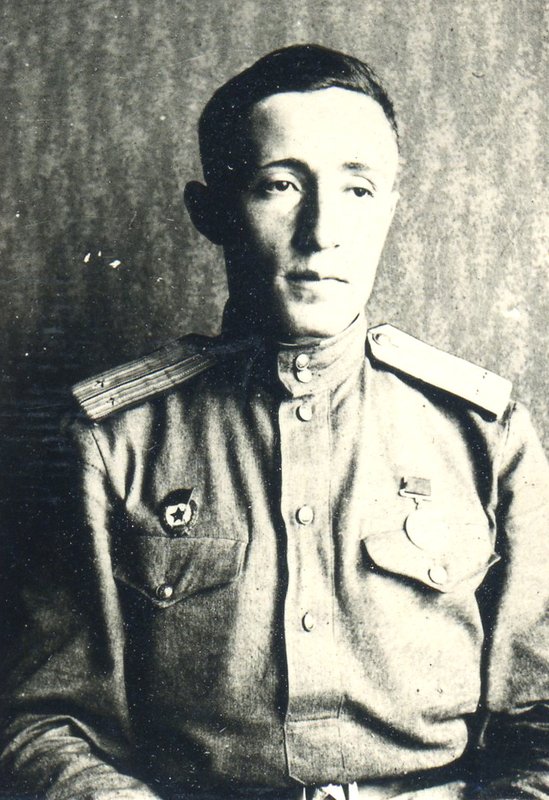
Mirskikh A.A., Guard Senior Lieutenant, Chief of the Supplying Department No. 3659
Mirskikh A.A., Guard Senior Lieutenant, Chief of the Supplying Department No. 3659
To favorites
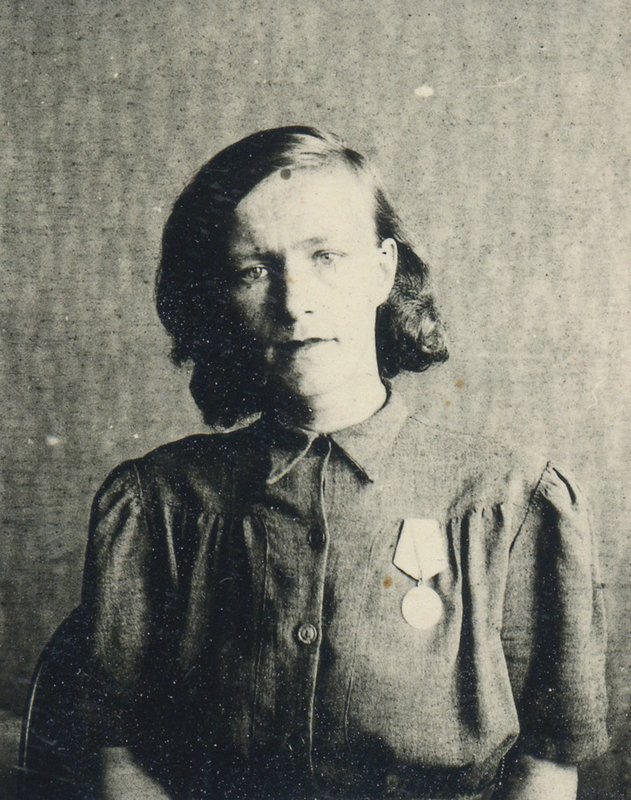
Smirennikova Vera Andronovna, head of archive work of the hospital № 3659
Smirennikova Vera Andronovna, head of archive work of the hospital № 3659
To favorites
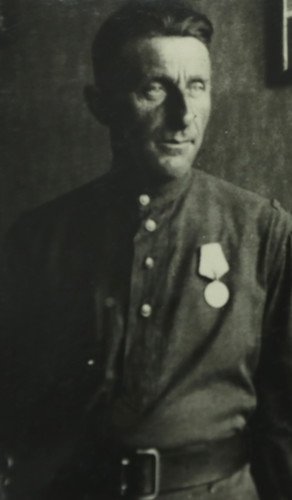
Grossman F.F., Commandant of the hospital number 3659
Grossman F.F., Commandant of the hospital number 3659
To favorites
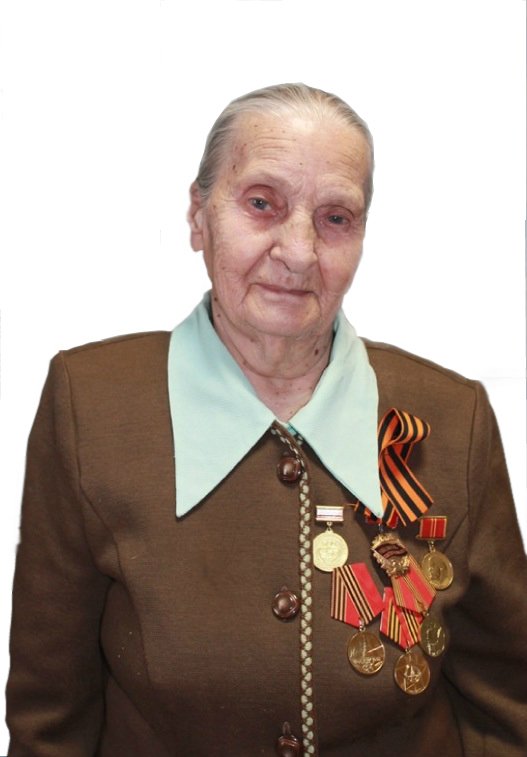
Kryuchkova Maria Pavlovna
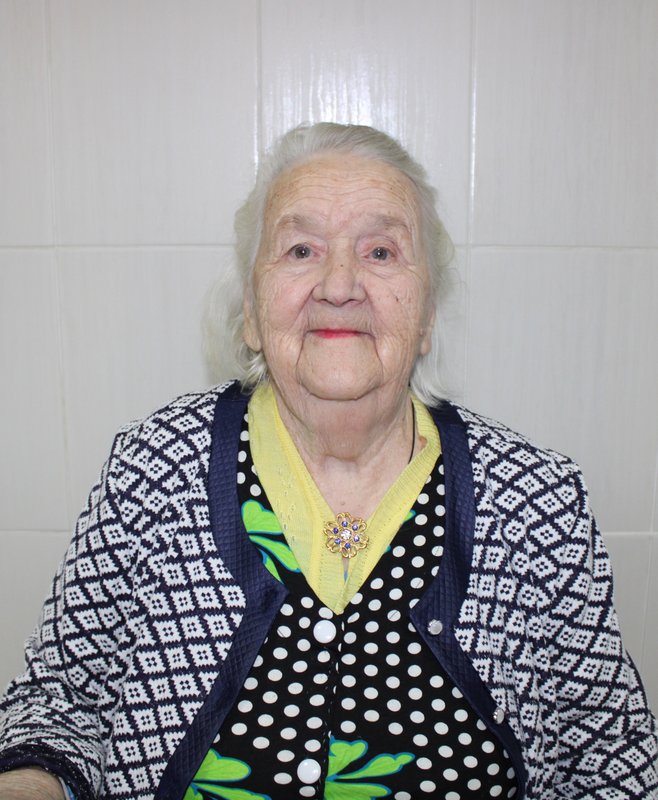
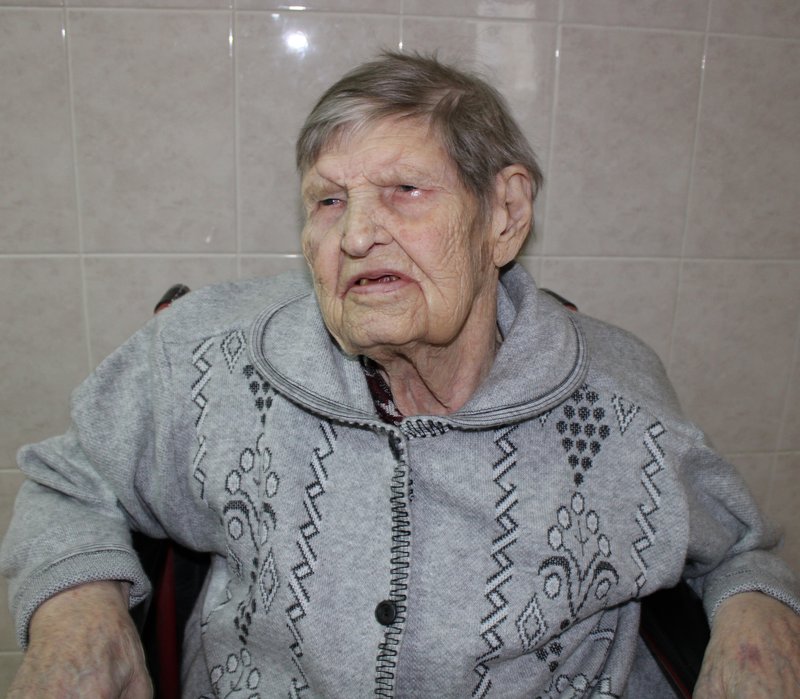
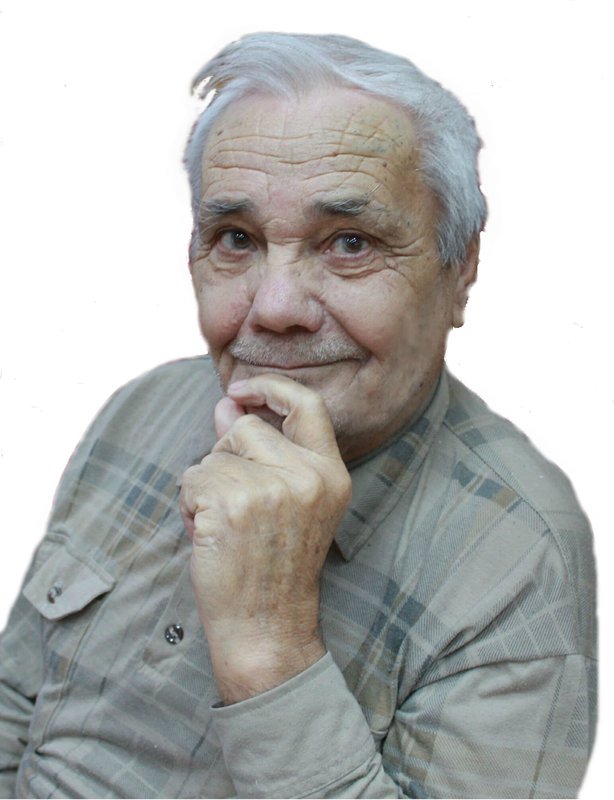
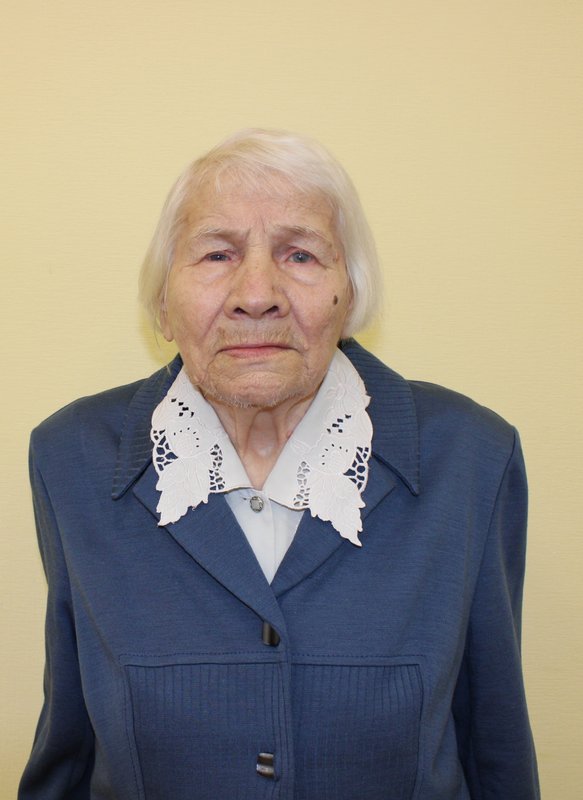
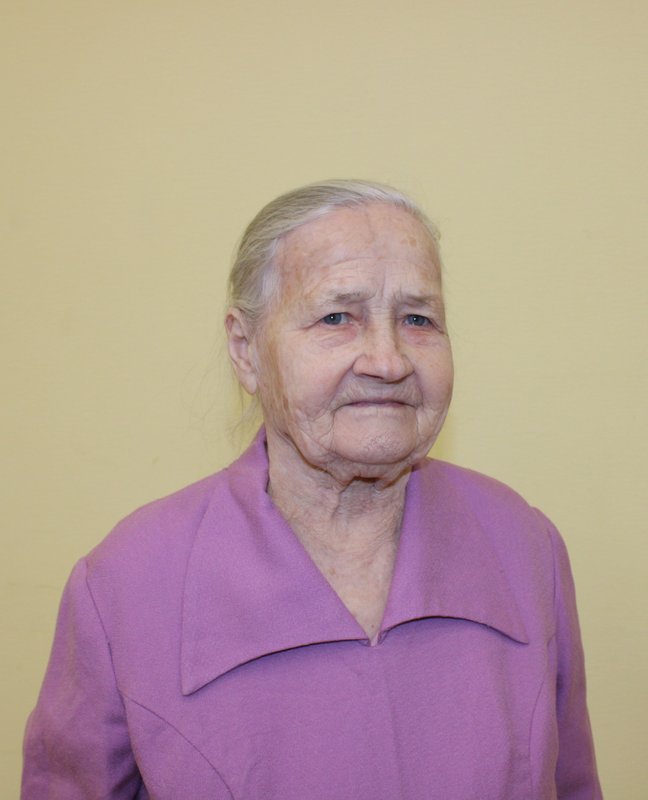
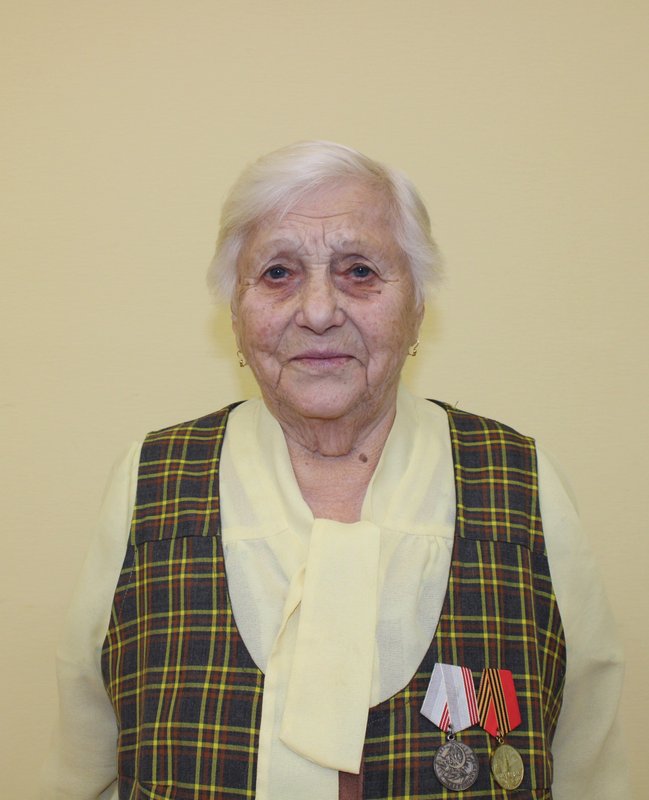
Kryuchkova Maria Pavlovna (worker in the rear) was born on April 25, 1926 in the Arkadak region. No one likes to talk about war, it was a time of hardships and great difficulties. Like many wartime teenagers, Maria Pavlovna worked in the fields. “These were difficult years. All young people were involved in the field work. Our family had no exception. My mother and I worked in a field where we knitted sheaves of wheat. In winter, we took care of the horses. We gave all our strength, realizing that it is much more difficult for those at the front. We forged Victory in the rear and did everything that we could, never were dejected. We knew that the Soviet Union would win”-recalls Maria Pavlovna. When Maria Pavlovna was in the tenth grade, the war ended. Later she entered the Balashov Pedagogical Institute. For 30 years of her happy life, she worked in a rural school. She taught Russian, German and drawing.
To favorites
Shukova Ekaterina Savelyevna
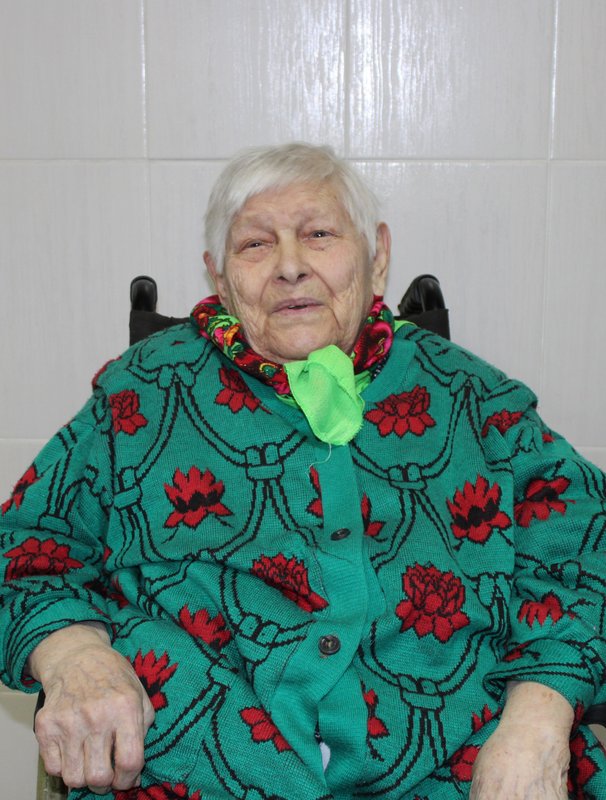
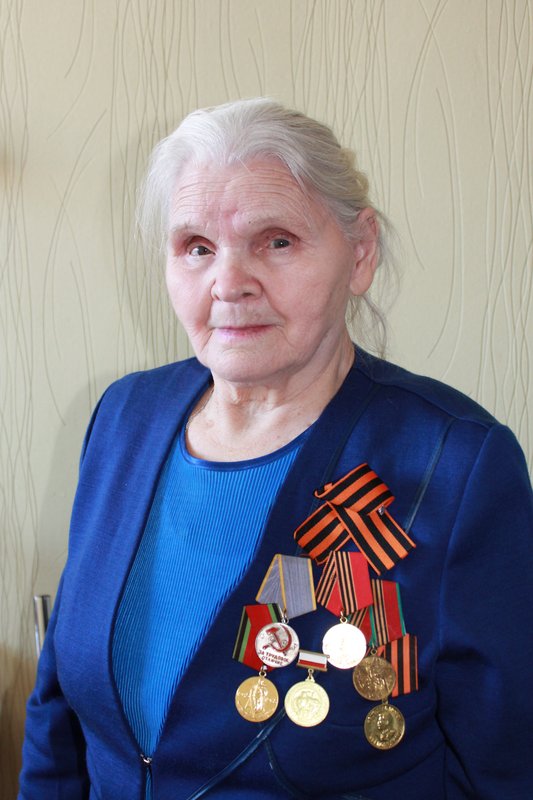
Shukova Ekaterina Savelyevna (worker in the rear, widow of a WWII participant) was born on November 25, 1928 in the village of Kordon in the Ural region. Until the age of 12, she believed that "there is no happier family in the world", and then the war began, the world of the little girl faced a harsh reality. Ekaterina Savelyevna also remembers the terrible hunger of 1933 and the lack of money, but she recalls the time spent with her parents with special warmth. “In December 1943, my father was taken to the front. He was 50 years old, and since there was no one to fight, he also became a soldier. In February 1944 my mother died and I was left without adult care. And on July 22, I became an orphan, having received a funeral for my father”-the veteran recalls with bitterness. Ekaterina Savelievna entered the technical college to learn how to handle tools, at the same time she worked in the field. “ Studies finished together with the war end and she graduated from college with perfect results, receiving the speciality "car mechanic". I decided not to go according to the state distribution - I didn't want to leave my native places. I got a job as a student at a tractor plant, but was forced to leave, since they did not give a place in the hostel, and there was nowhere else to live. Later I returned to the village, got a job on a collective farm in a subsidiary farm” - she tells about his post-war life.
To favorites
Davydova Nina Vasilievna
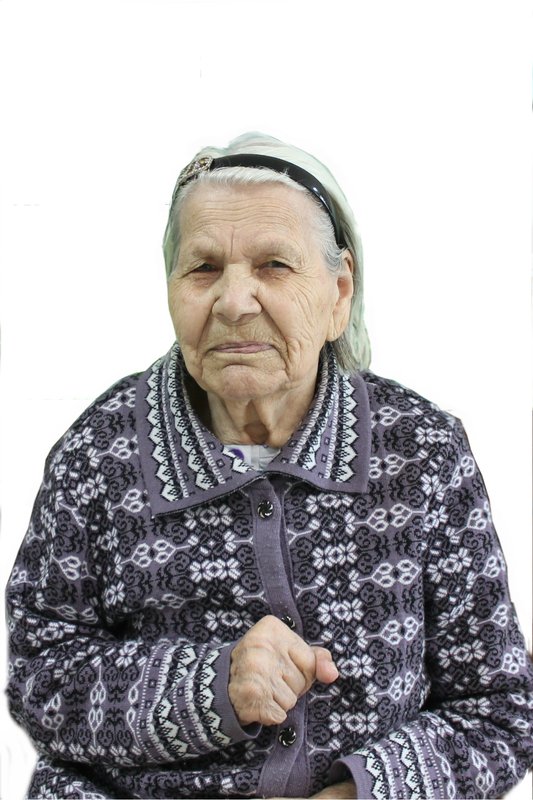
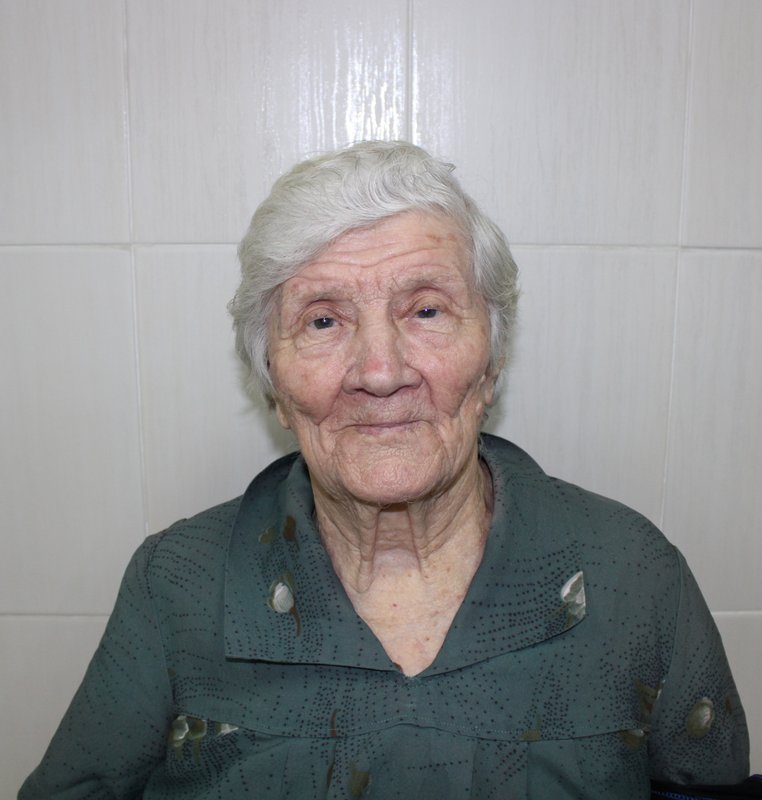
Davydova Nina Vasilievna (worker in the rear) was born on June 14, 1928 in the Saratov region in the village of Kievka. She lost her mother at the age of six. The father remarried, but three years later became a widower again. In the third marriage of her father, Nina Vasilievna had a half-brother. “The times were hard, resources were all valuable like gold. We stood in line for water and kerosene. We saved on everything. When the war began, I was fourteen years old. Only old people and children were left as the working population. I had to work at the factory as a turner, for twelve hours a day. The children were given an hour to rest. I worked conscientiously, my name was even entered on the honour roll. When after the war, they began to rebuild the country, I was not afraid of work: I worked both at a construction site and in a boiler house on solid fuel. It was difficult, but we were young and were not afraid of anything ”- says Nina Vasilievna. Nina Vasilievna's family happiness was short-lived: she was left a widow with two children. The first son died suddenly at thirty, the second married a German woman and went abroad with his young wife. Nina Vasilievna visited her son three times in Germany.
To favorites
Okrugina Olimpiada Vasilievna
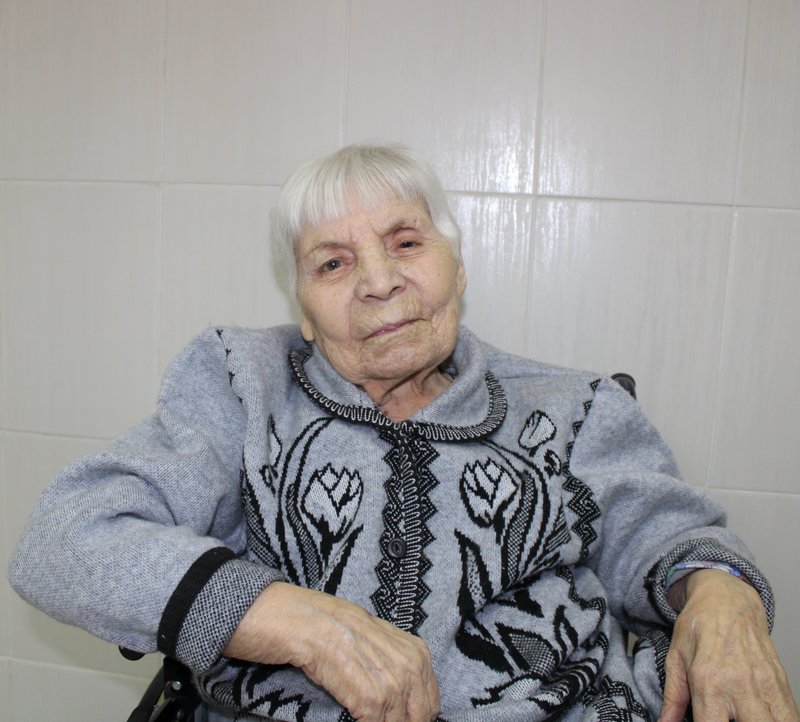
Okrugina Olimpiada Vasilievna (worker in the rear) was born on June 1, 1930 in the village of Mukhino in Siberia. The veteran's parents worked on a collective farm. From the radio Olimpiada Vasilievna learned that the war had begun. “The war has become a test for everyone. There is not a single family that has not been affected by this war. During the war, I worked like hundreds of other young guys in the fields. I had to do a lot of work, it was completely different: I threshed bread and sawed wood for a steamer. It was very difficult and I was weak, mostly because there was nothing to eat. We all were starving and there was nothing to wear. I finished my studies only until the middle of the fourth grade, later our teacher died and classes ended. We ate in very small portions. After the war, in 1958 I left for Yakutsk. I married there and gave birth to four children. But I was already raising children alone, because I divorced my husband. When I was fifty, I got married for a second time and we began to live in Engels” -Olimpiada Vasilievna shares memories of her life
To favorites
Chugunova Maria Tikhonovna
Chugunova Maria Tikhonovna (worker in the rear) was born on November 14, 1930 in the village of Shiroky Ustup, Kalinisky district. Almost every family went through the hardships of the Great Patriotic War. Even the pre-war years in the veteran's family were tragic: her mother died early, Maria Tikhonovna was only three years old. As soon as the war began, her father was called to the front. The children of the war had to grow up without parental attention and help very quickly: at the age of ten, Maria Tikhonovna had to decide much by herself. “I've worked wherever I have to. At the age of twelve she worked on a tractor trailer, later as a milkmaid. These were very difficult years, not a kid's work at all, but a demand - as from an adult. I had to work hard. There were practically no clothes and shoes ”- Maria Tikhonovna recalls with tears in her eyes.
To favorites
Valentina Sergeevna Denisova
Valentina Sergeevna Denisova (worker in the rear) was born on February 20, 1928 in the village of Lysye Gory, Saratov Region, then moved with her parents to Novaya Nikolaevka. When the war began and the men went to the front, numerous professions for women were formed. “During the war, I went to study to be a tractor driver. I got up for school at five in the morning and walked for ten kilometres away study in Bald Mountains. After graduating, I worked on my speciality. After the war I worked on a collective farm. In 1946, the collective farm chairman gave 200 grams of wheat per workday, so I used to go to the mill, grind it and take home. All the household were happy with fresh bread. Once a representative man came to the village to take potatoes and took not only the potatoes, but also me to Saratov”-Valentina Sergeevna recalls about wartime and life after it.
To favorites
Aleksey Andreyevich Nikolenko
Aleksey Andreyevich Nikolenko (worker in the rear) was born on March 8, 1927 in the "Udarnik" state farm of the Lysogorsk district of the Saratov region. The collective farm peasantry made a significant contribution to achieving victory. The army could not win, not only without the necessary equipment with modern weapons, but also without a sufficient amount of bread and food. “There was not a single collective farm and state farm, not a single collective farmer and collective farmer, not a single worker who did not take part in rendering assistance to the front. Victory was approaching not only with soldier's bayonets: in the collective farm fields it was made by the hands of children and old people, Victory was forged in the rear of the country”-recalls Aleksey Andreevich. During the war, he brought water to the brigades working in the fields. In 1945, he married and worked as a tractor driver.
To favorites
Litovchenko Alexandra Egorovna
Litovchenko Alexandra Egorovna (worker in the rear) was born on December 26, 1929 in the village of Sulak, Krasnopartizansky district. Parents worked on a collective farm. The war began when she was ten years old. She worked on a collective farm, ploughed with bulls. All adults were taken to the front, almost only teenagers worked. “During the war, the father died, then the mother was gone. The elder brother was at the front, the elder sister worked in the civil service, the middle one was a tractor driver. The elder brother returned from the war sick and died almost immediately. The elder sister returned from the north and got married” - Alexandra Egorovna recalls with difficulty those the years of her life“ In 1947, Gazrazvedka hired people to work in the fields in the summer. I got a job there. We lived in a hostel. Later I went to work at the plant as a compressor driver, where I finished her career, ”-the veteran tells.
To favorites
Maria Egorovna Karlova
Maria Egorovna Karlova (worker in the rear) was born on November 28, 1931 in the village of Balakhna in the Zadonsky District of the Lipetsk Region. Parents worked on a collective farm. When the war began, Maria Egorovna was only 10 years old. She and other teenagers were actively involved in work on the collective farm: sowing millet, planting and weeding cucumbers and cabbage. Not far from the village there was a "pickling station" where cabbage was transported. The sauerkraut was sent to the front. “During the war it was very difficult, we studied in unheated rooms and the water froze in the ink from the cold. The house was heated with chicken dung. There were no clothes and shoes, they made blocks of wood, tied them to their feet, and used as boots. During the cold weather, her family was forced to keep a cow with a calf in the house in order to save the life of the cattle, which saved the family in times of hunger with milk ”- Maria Egorovna shares her memories. Her family learned about the end of the war from the chairman, who came to the village and invited everyone to a meeting at the club. Everyone started dancing, many were crying. The post-war years were lean. I had to go to the Don, collect shells, which were then used for food. They also ate orach, linden leaves, burdocks. “Every root of the apple tree was taxed. Therefore, many began to cut down apple trees. My grandfather told my mother not to touch the trees, because apples saved the family from hunger in difficult years ”- says Maria Egorovna.
To favorites
Dymchenko Lyubov Pimovna
Dymchenko Lyubov Pimovna (worker in the rear) was born on December 7, 1928 in the village of Pyatikhatka in the Crimea. When she was nine years old, she moved with her parents to the city of Armyansk, went to school, but managed to finish only five classes. The family of Lyubov Pimovna was evacuated to the village of Bek-Bulachi at the beginning of the war. Since all the teenagers were taken to the front, the remaining children and adolescents went to work on the collective farm. “We were children on the collective farm, the rest were disabled”- says Lyubov Pimovna. She worked at various jobs: weeding, digging up the earth, pruning grapes. "All the teenagers worked with bare feet and wore rags"- Lyubov Pimovna recalls how she had to carry for sale a jug with millet or peas poured by her mother for 15 km in order to use the proceeds to buy things necessary in everyday life: soap, kerosene, matches and salt. “We got together with the girls and went looking around like animals. It was scary! ”- recalls the veteran. The villagers were afraid of the arrival of harsh people from the NKVD, and the sound of an approaching enemy plane. “But, despite the harsh wartime, the teenagers tried not to lose heart: the girls wore headscarves in the evenings and went out to sing”- Lyubov Pimovna shares her memories
To favorites
Churikova Nina Petrovna
Churikova Nina Petrovna (worker in the rear) was born on March 21, 1927 in the village of Krasivka, Tambov Region. The war began when she was 14 years old. After finishing 8 classes, she attended the school of accountants, which was located 9 km from her native village. During the war years, Nina Petrovna, like many of her peers, was involved in agricultural work. They had to harvest crops from the fields, guard livestock, keep records of all collective farm property. In 1943, Nina Petrovna was transferred to work at the sanitary-epidemiological station, where she remained to work until retirement. Fulfilling the duties of a disinfection process, together with a team of specialists, they carried out house-to-house visits to detect typhoid fever, treated lice. After the end of the war in 1948, she married and lived in a happy marriage for 54 years. “We never talked about this damned war at home. I know that my husband was a tanker. And even now I don't want to remember, it's so scary. It was both cold everywhere and heavy hunger. We baked grass cakes, dried potato peelings, chopped them, made bread out of them. I remember one incident. They showed us films when all the youth of our village gathered. During the next screening of the film, a fascist plane flew over us. Although there was no bombing, we felt so creepy! All rushed in all directions, fell to the ground, holding their heads. We have endured for all this wartime! ”- Nina Petrovna recalls the time of the war.
To favorites
Anna Pavlovna Kukoleva
Anna Pavlovna Kukoleva (worker in the rear) was born on January 27, 1926 in the Saratov region. She lived in the village of Bolshaya Kamenka. All her youth passed in the years of war, years of fear and hardship. She studied at school for 7 years, after which she went to work. The work that the young girl was doing was not easy. “We laid a gas pipeline from the Kologrivovka station to Saratov. When the war began, I was only 15 years old. Sometimes instead of making a gas pipeline, we had to dig anti-tank trenches, which were much deeper and wider than usual. And in winter it was especially difficult to work, the frozen ground almost did not lend itself to excavation, and the frost and snow were very disturbing. I remember how many livestock perished in these trenches, it was a pity to watch how the animals were dying, but it was impossible to help them. There was nothing to eat, and no one knew where the strength for such hard work was taken from! And we worked conscientiously, because we understood that we were also helping to defend the Motherland ”-Anna Pavlovna recalls the war years.
To favorites
1
. . .
272
273
274
. . .
640
Show more
2026 © Russian Military Historical Society
Developed by Jetmix