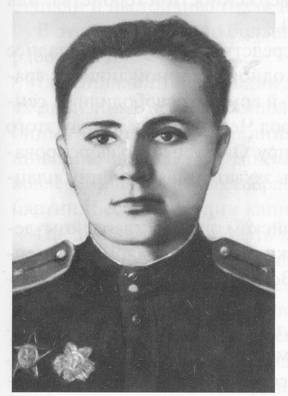
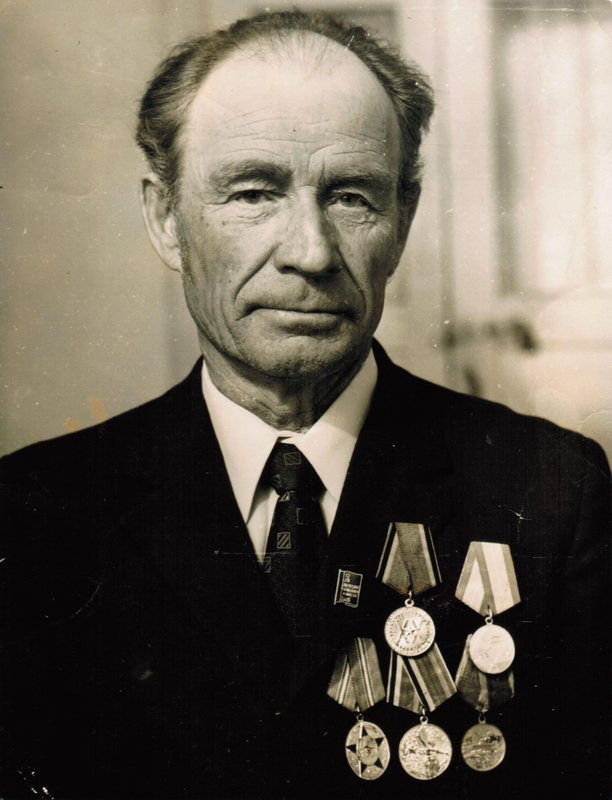
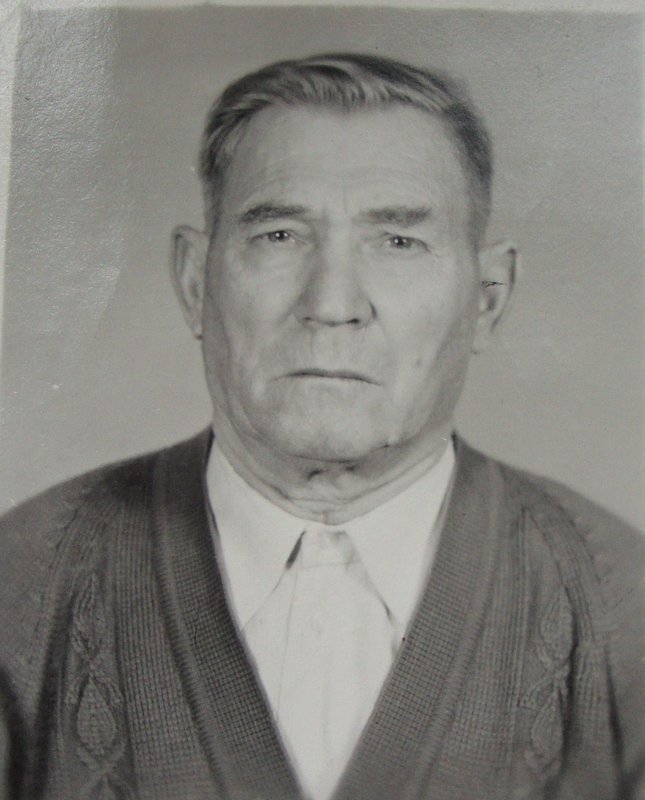
Vakhmenin Matvey Egorovich
Vakhmenin Matvey Egorovich_x000D_
_x000D_
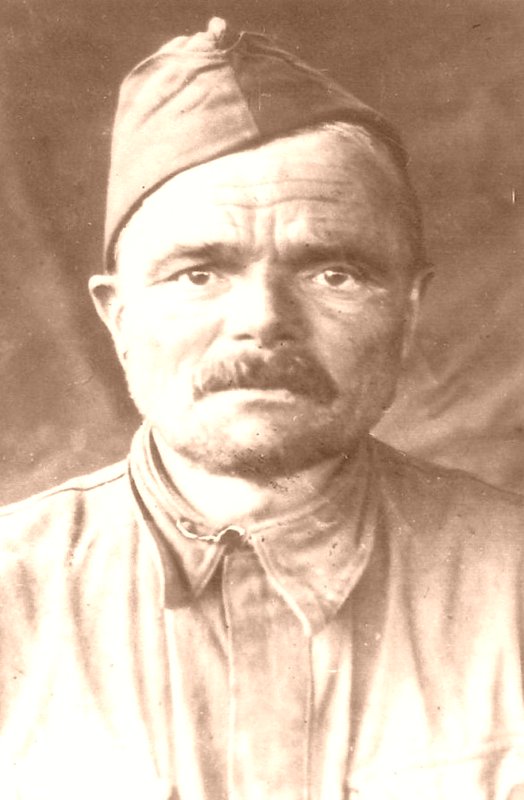
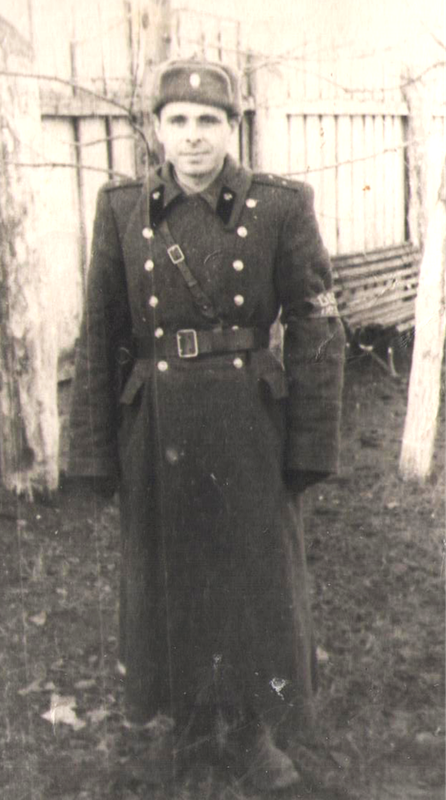
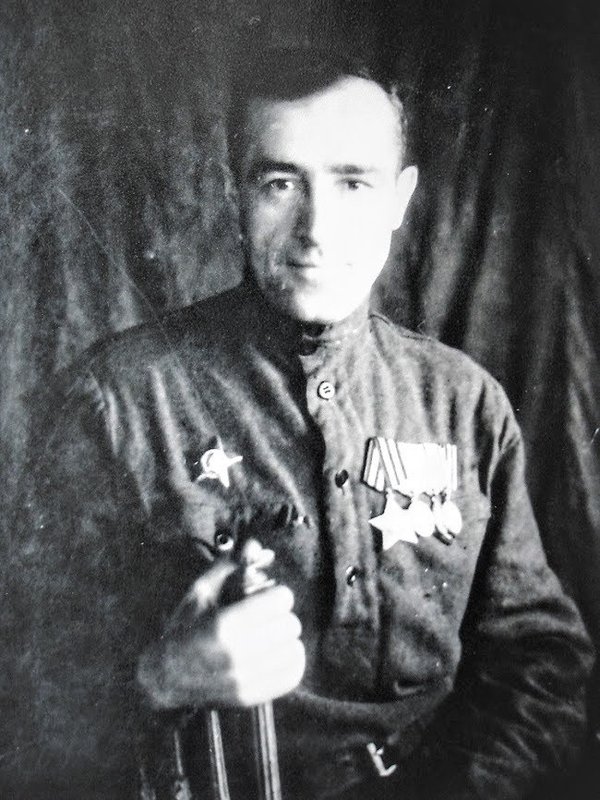
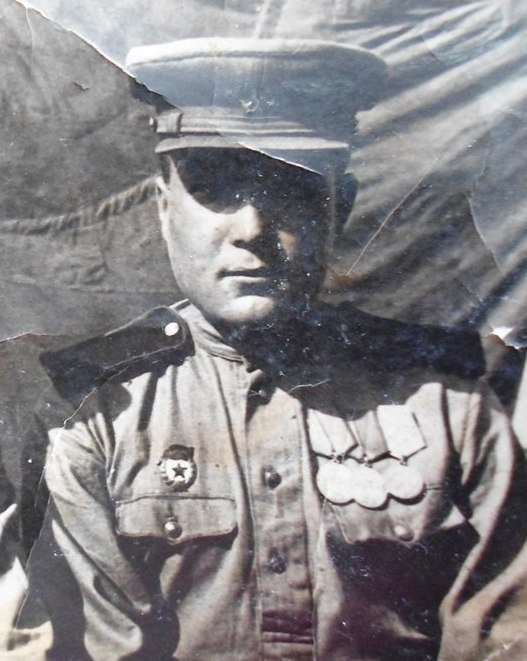
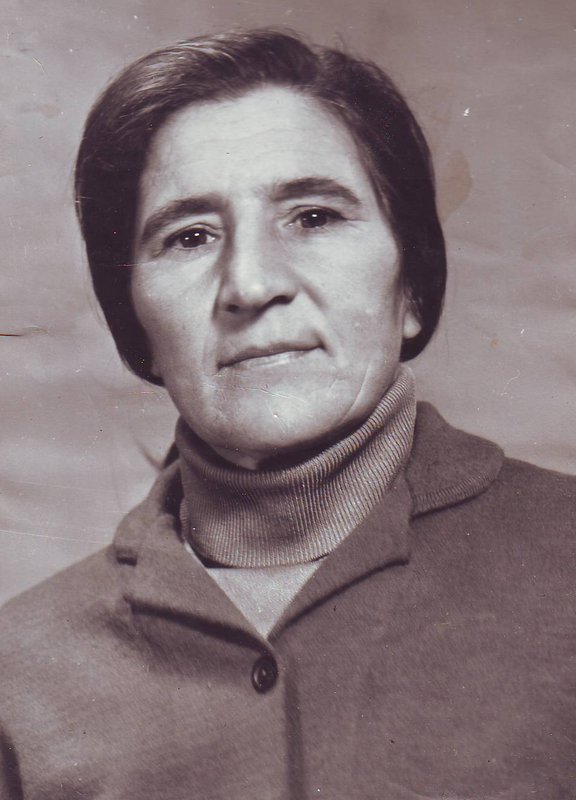
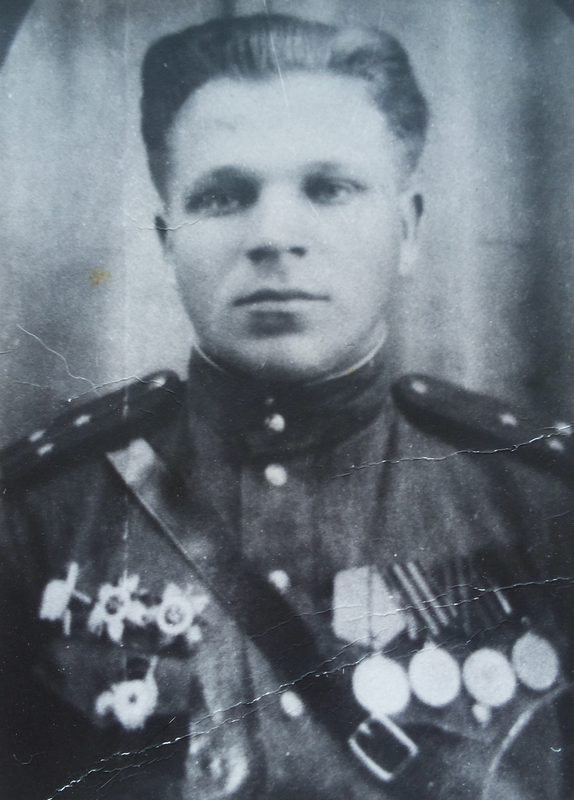
Matvey Vakhmenin, a participant of the battle of Stalingrad, was born in 1913 in the village of Solodniki in the Chernoyarsky district of the Astrakhan region. Guards corporal, commander of the sapper platoon, which was at that time part of the 57th and then 64th armies of the Don front. In September 1942, when the enemy began to advance on Stalingrad, he was called to the front by the Kirov district military Commissariat of Stalingrad. He joined the sapper company of the 50 guards rifle regiment of the 15th guards rifle division, the full name of which is the Kharkiv-Prague Order of Lenin, the Red Banner Order of Suvorov and Kutuzov division. The division was formed in September 1939 in Gorky as the 136 rifle division. On February 16, 1942, it was transformed into the 15 guards rifle division for military services. Sapper Wakhmenin participated in the demining of the Stalingrad earth. Under cover of darkness, knee-deep in snow, often under fire from Nazi snipers, together with sappers, he made passages in the barriers, removed minefields-prepared the way for advancing troops. On January 13, 1943, during the offensive of our troops near the village of Stary Rogachik in the Stalingrad region, under heavy machine-gun and rifle fire from the enemy in 40-degree frost, the fighter Vakhmenin provided passage for our infantry in a snow-covered area. The mines were frozen into the ground, covered with a thick layer of snow, but the hands did their job. On this day, sapper Vakhmenin personally removed 51 mines. For exemplary performance of a combat mission, he was awarded the medal "For military merit". In addition to mine clearance, his company built defensive lines, floating bridges, and put out fires. During the fierce fighting for the city of Stalingrad near the village of Dar-Gora, he was seriously wounded and taken to the hospital, where he lost his leg. In March 1943, he was dismissed from the Red Army due to a serious injury. At the age of 30, he became a disabled war veteran. He had combat awards: the Order of the Patriotic war, 1st rank, medals: "For the defence of Stalingrad", "For military merit" and 15 anniversary medals. He died in 2011 at the age of 98.
Vakhmenin Matvey Egorovich
Vakhmenin Matvey Egorovich_x000D_
_x000D_
Matvey Vakhmenin, a participant of the battle of Stalingrad, was born in 1913 in the village of Solodniki in the Chernoyarsky district of the Astrakhan region. Guards corporal, commander of the sapper platoon, which was at that time part of the 57th and then 64th armies of the Don front. In September 1942, when the enemy began to advance on Stalingrad, he was called to the front by the Kirov district military Commissariat of Stalingrad. He joined the sapper company of the 50 guards rifle regiment of the 15th guards rifle division, the full name of which is the Kharkiv-Prague Order of Lenin, the Red Banner Order of Suvorov and Kutuzov division. The division was formed in September 1939 in Gorky as the 136 rifle division. On February 16, 1942, it was transformed into the 15 guards rifle division for military services. Sapper Wakhmenin participated in the demining of the Stalingrad earth. Under cover of darkness, knee-deep in snow, often under fire from Nazi snipers, together with sappers, he made passages in the barriers, removed minefields-prepared the way for advancing troops. On January 13, 1943, during the offensive of our troops near the village of Stary Rogachik in the Stalingrad region, under heavy machine-gun and rifle fire from the enemy in 40-degree frost, the fighter Vakhmenin provided passage for our infantry in a snow-covered area. The mines were frozen into the ground, covered with a thick layer of snow, but the hands did their job. On this day, sapper Vakhmenin personally removed 51 mines. For exemplary performance of a combat mission, he was awarded the medal "For military merit". In addition to mine clearance, his company built defensive lines, floating bridges, and put out fires. During the fierce fighting for the city of Stalingrad near the village of Dar-Gora, he was seriously wounded and taken to the hospital, where he lost his leg. In March 1943, he was dismissed from the Red Army due to a serious injury. At the age of 30, he became a disabled war veteran. He had combat awards: the Order of the Patriotic war, 1st rank, medals: "For the defence of Stalingrad", "For military merit" and 15 anniversary medals. He died in 2011 at the age of 98.
0 comment




2026 © Russian Military Historical Society Developed by Jetmix