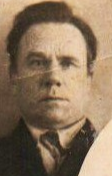
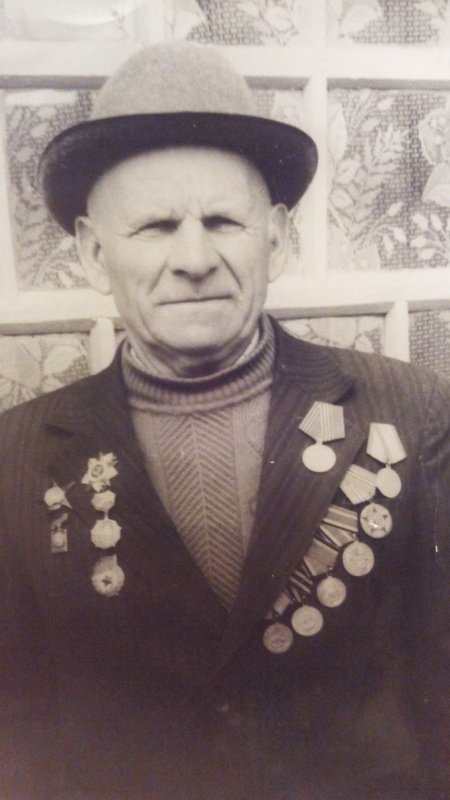
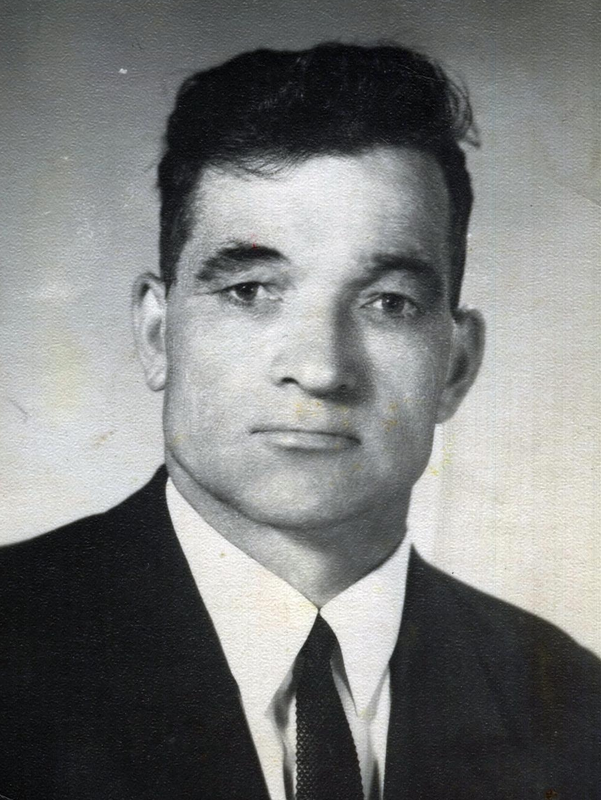
Papko Aleksandr Pavlovich
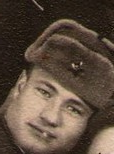
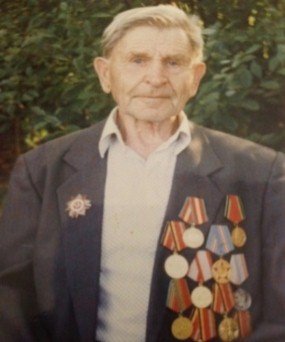
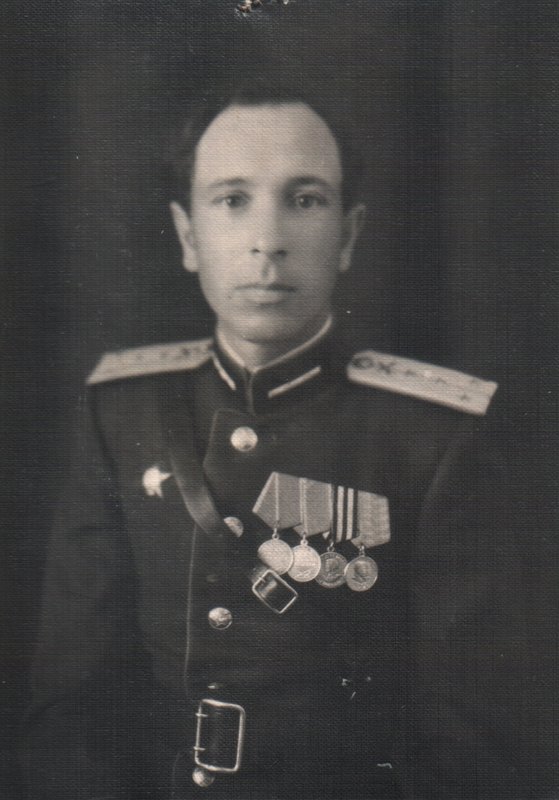
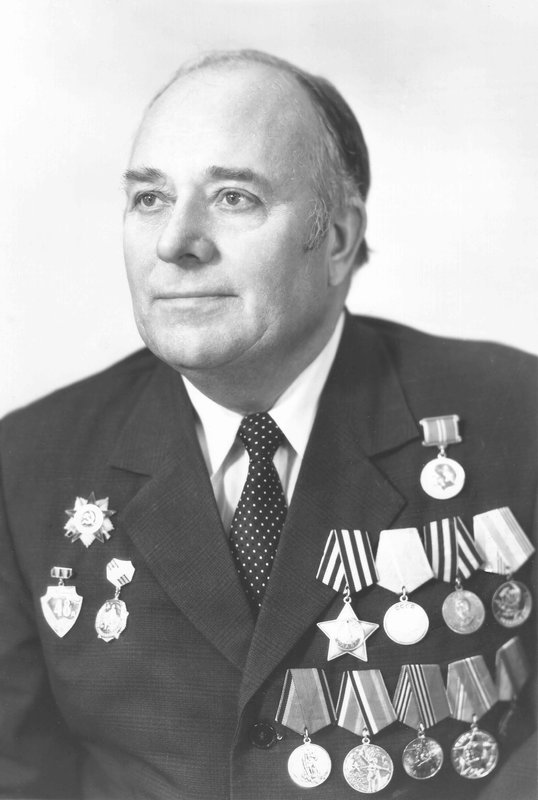
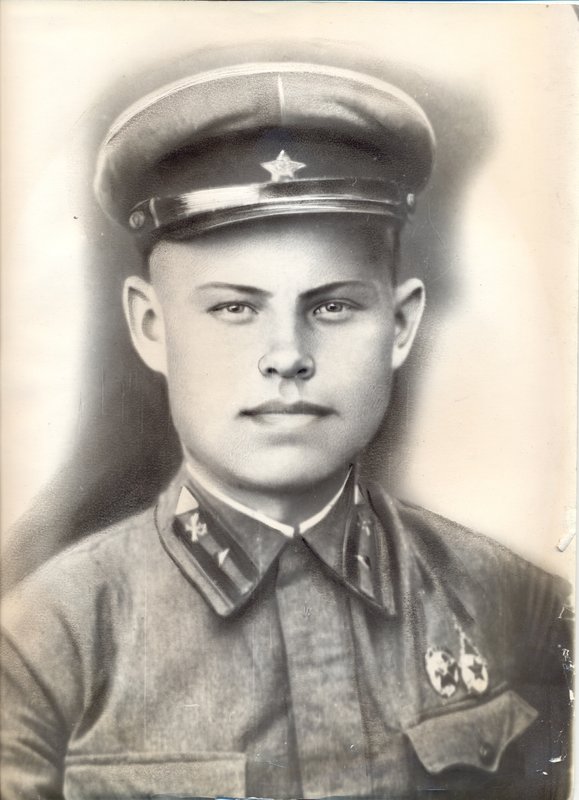
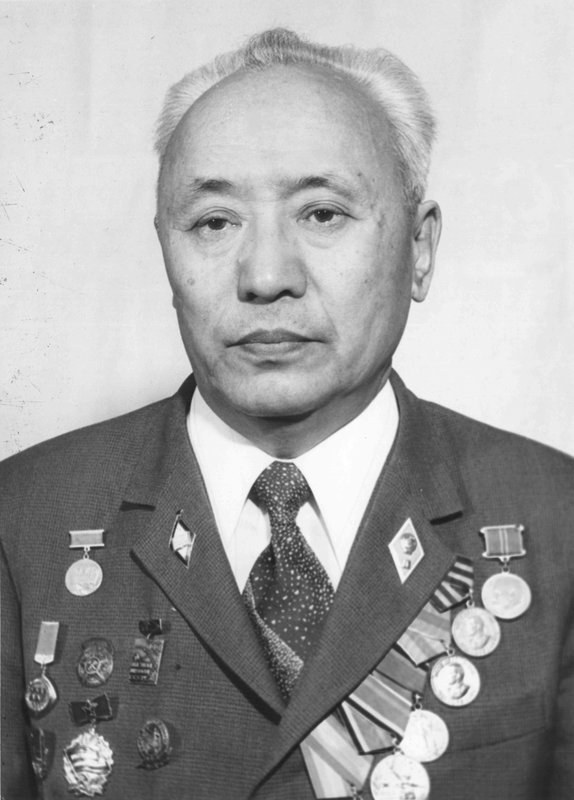
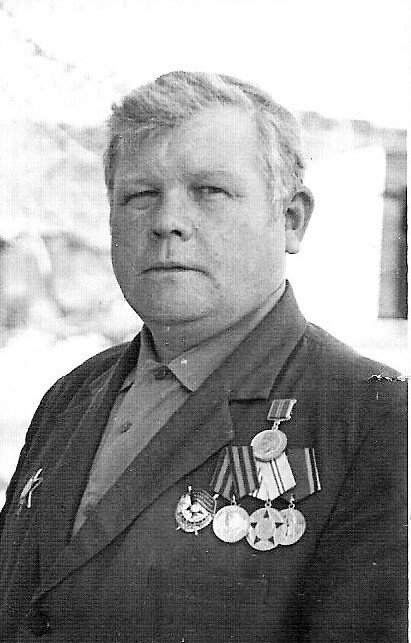
Name: Papko Aleksandr Pavlovich last NAME: folder NAME: Alexander middle name: Pavlovich CITY: Tomsk region (Novosibirsk), Shegarsky district, Novo-Ilinka DATE of BIRTH: 13.08.1923 DATE of DEATH: 26.10.2006 HISTORY: Rank: Corporal Unit: 79th guards rifle Zaporozhye order of Lenin red banner order of Suvorov and Bogdan Khmelnitsky division in 1941, my father-Papko Alexander Pavlovich was 18 years old, he was drafted into the red Army and after the draft was sent to Tomsk in the 79th guards rifle division. He was a line operator in the communications company. On July 1, 1942, the division received a baptism of fire near the Kastornaya station near Voronezh. For 5 days, the division fought hard, delaying the advance of German troops.In the second half of September 1942 (September 17, based on the order of the NKO of the USSR), the division under The command of N. F. Batyuk was transferred to Stalingrad and included in the 62nd army of the South-Eastern front. Since September 21, the division's units have been engaged in fierce battles with selected units of the Nazis, who tried to capture Stalingrad and reach the Volga. In the battles for the factories "Red October" and " Barricades» Under heavy enemy fire, the connection was torn every minute and thanks to the coordinated actions of his father ,for heroism, he was awarded the medals "for bravery"and" for the defense of Stalingrad".Alexander Pavlovich saw the capture of Pauls, as he was taken out of the basement. On February 8, 1943, the division was awarded the order of the red banner and transformed into the 79th guards red banner rifle division.My father often went on reconnaissance with the hero of the Soviet Union sniper Vasily Zaitsev. He said that he counted the dead fascists with matches, breaking them and putting them in boxes. They covered themselves with one greatcoat in moments of rest and silence. After the battle of Stalingrad, the division in the 8th guards army (which it was part of until the end of the war) of the South-Western front fought hard at the Izyum bridgehead during the Izyum-Barvenkov offensive (July 17 to 27, 1943), participated in the battle of the Dnieper. Behind the Dnieper on October 13, 1943 at the Transfer station, Zaporozhye, under heavy fire, my father had to fix 15 breaks. On October 14, 8 more cliffs were bombed. For his courage and heroism, he was awarded the medal "for bravery". He had another injury in July 1944 on the territory of Ukraine or Belarus, a broken tendon in his left hand. He was sent to the hospital, he was lying in the city of Kislovodsk 32 OMSB. I want to tell you about a few episodes of that time that I heard from my father: "having Received the task of organizing communication. Taking the cable reel on his shoulder, he began to stretch the telephone line. After going a long way, I came across a den of fascists. I was scared, but I made the right decision to return and report the ambush to the command." I also know that during a fierce battle, my father received a concussion-a shell exploded next to him and covered him with earth. This was seen by his countryman and reported to the commander about the death of a comrade. He doesn't remember how long he lay there. But after the battle, during a lull, a nurse unearthed and saved him by pulling him out of the rubble. He was sent to the medical unit. Later it became known that the parents were sent a funeral. What a joy it was to see a grown-up son on the threshold of a village house in 1946! After all, after the Victory, he served in the NKVD and drove Bandera through the Ukrainian forests. On his return from service, he worked as a tractor driver on a collective farm and was "the first guy in the village" playing the accordion. My father died on October 26, 2006 from severe inflammation of the injured leg and as a result of pneumonia.
Papko Aleksandr Pavlovich
Name: Papko Aleksandr Pavlovich last NAME: folder NAME: Alexander middle name: Pavlovich CITY: Tomsk region (Novosibirsk), Shegarsky district, Novo-Ilinka DATE of BIRTH: 13.08.1923 DATE of DEATH: 26.10.2006 HISTORY: Rank: Corporal Unit: 79th guards rifle Zaporozhye order of Lenin red banner order of Suvorov and Bogdan Khmelnitsky division in 1941, my father-Papko Alexander Pavlovich was 18 years old, he was drafted into the red Army and after the draft was sent to Tomsk in the 79th guards rifle division. He was a line operator in the communications company. On July 1, 1942, the division received a baptism of fire near the Kastornaya station near Voronezh. For 5 days, the division fought hard, delaying the advance of German troops.In the second half of September 1942 (September 17, based on the order of the NKO of the USSR), the division under The command of N. F. Batyuk was transferred to Stalingrad and included in the 62nd army of the South-Eastern front. Since September 21, the division's units have been engaged in fierce battles with selected units of the Nazis, who tried to capture Stalingrad and reach the Volga. In the battles for the factories "Red October" and " Barricades» Under heavy enemy fire, the connection was torn every minute and thanks to the coordinated actions of his father ,for heroism, he was awarded the medals "for bravery"and" for the defense of Stalingrad".Alexander Pavlovich saw the capture of Pauls, as he was taken out of the basement. On February 8, 1943, the division was awarded the order of the red banner and transformed into the 79th guards red banner rifle division.My father often went on reconnaissance with the hero of the Soviet Union sniper Vasily Zaitsev. He said that he counted the dead fascists with matches, breaking them and putting them in boxes. They covered themselves with one greatcoat in moments of rest and silence. After the battle of Stalingrad, the division in the 8th guards army (which it was part of until the end of the war) of the South-Western front fought hard at the Izyum bridgehead during the Izyum-Barvenkov offensive (July 17 to 27, 1943), participated in the battle of the Dnieper. Behind the Dnieper on October 13, 1943 at the Transfer station, Zaporozhye, under heavy fire, my father had to fix 15 breaks. On October 14, 8 more cliffs were bombed. For his courage and heroism, he was awarded the medal "for bravery". He had another injury in July 1944 on the territory of Ukraine or Belarus, a broken tendon in his left hand. He was sent to the hospital, he was lying in the city of Kislovodsk 32 OMSB. I want to tell you about a few episodes of that time that I heard from my father: "having Received the task of organizing communication. Taking the cable reel on his shoulder, he began to stretch the telephone line. After going a long way, I came across a den of fascists. I was scared, but I made the right decision to return and report the ambush to the command." I also know that during a fierce battle, my father received a concussion-a shell exploded next to him and covered him with earth. This was seen by his countryman and reported to the commander about the death of a comrade. He doesn't remember how long he lay there. But after the battle, during a lull, a nurse unearthed and saved him by pulling him out of the rubble. He was sent to the medical unit. Later it became known that the parents were sent a funeral. What a joy it was to see a grown-up son on the threshold of a village house in 1946! After all, after the Victory, he served in the NKVD and drove Bandera through the Ukrainian forests. On his return from service, he worked as a tractor driver on a collective farm and was "the first guy in the village" playing the accordion. My father died on October 26, 2006 from severe inflammation of the injured leg and as a result of pneumonia.
0 comment



2026 © Russian Military Historical Society Developed by Jetmix