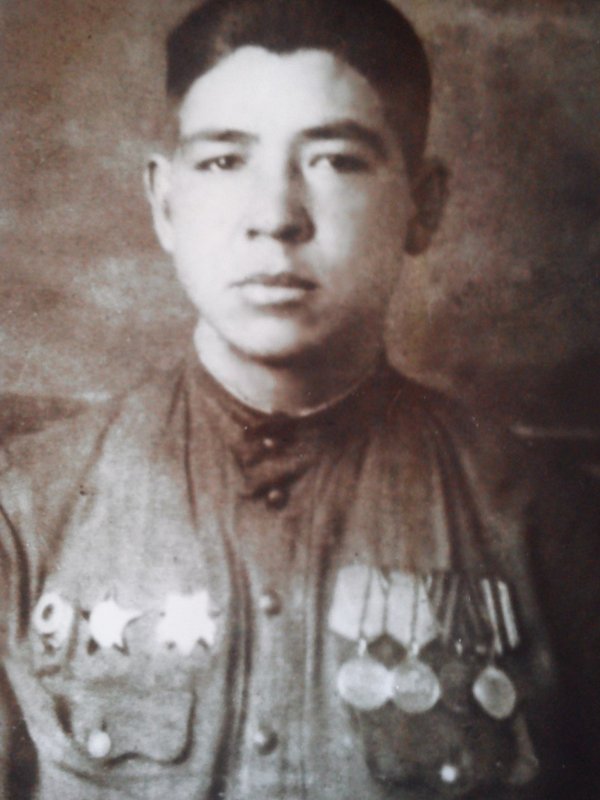

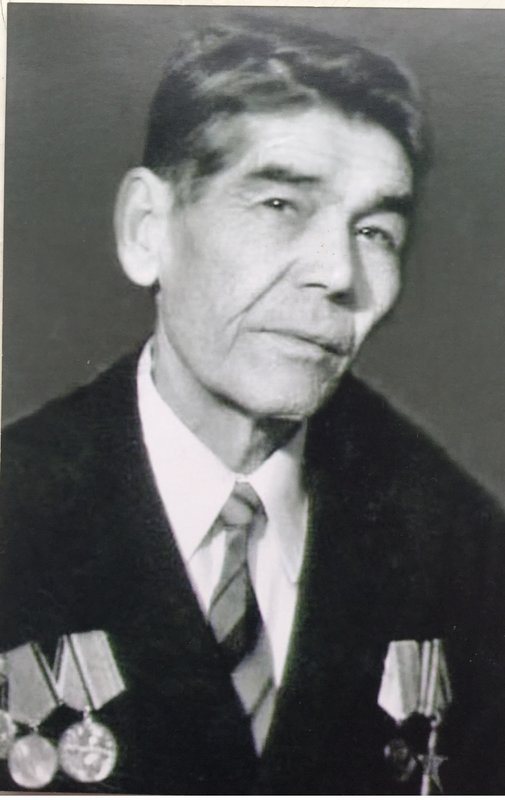
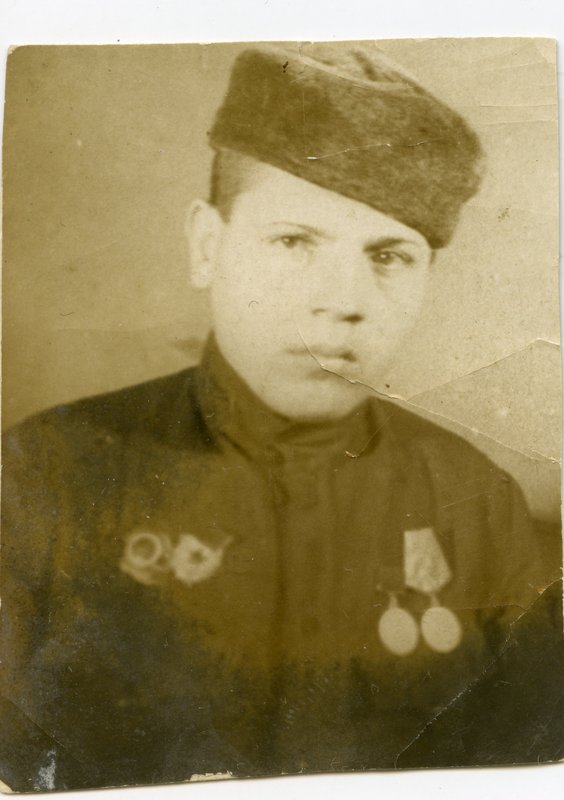


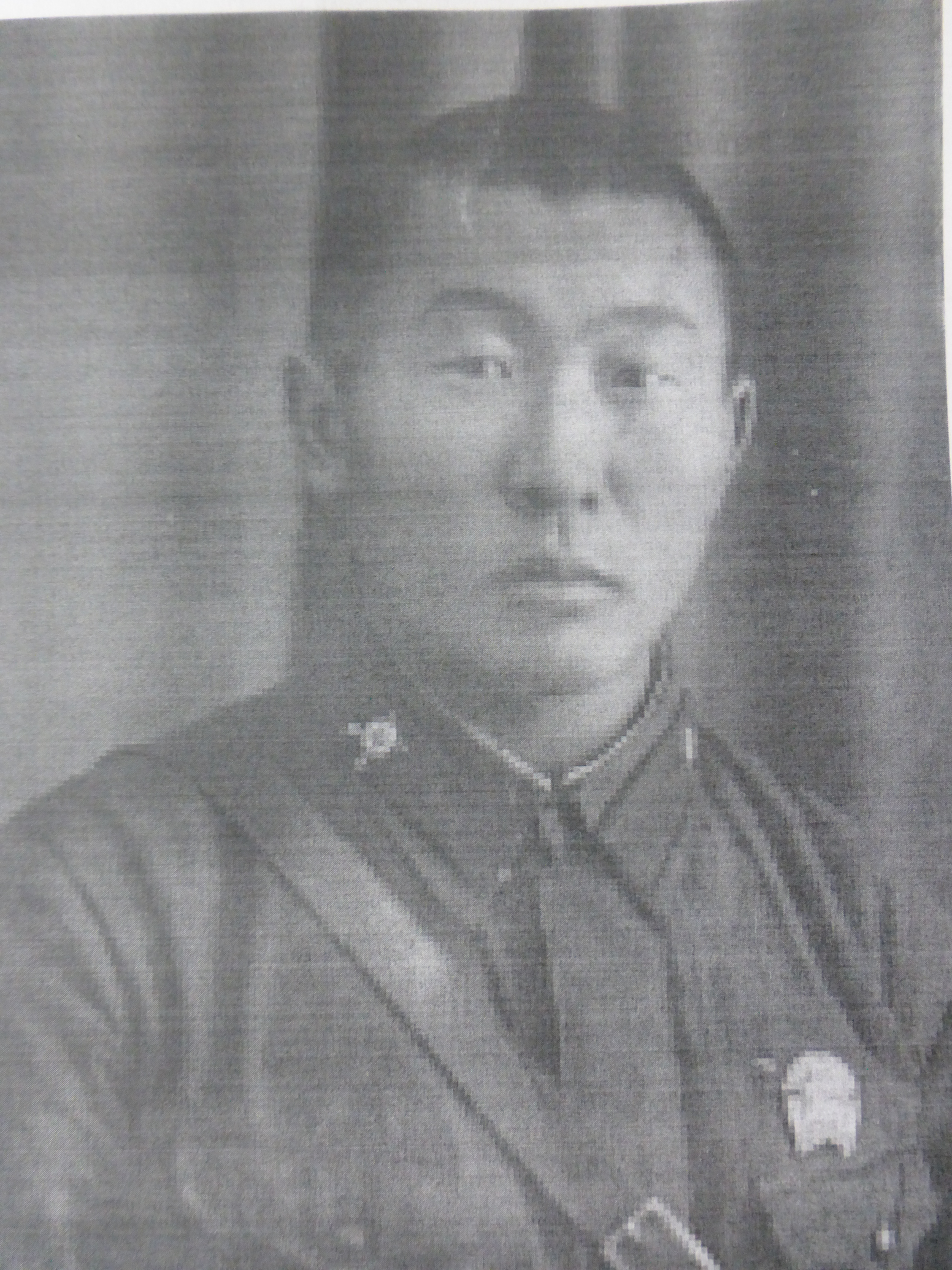
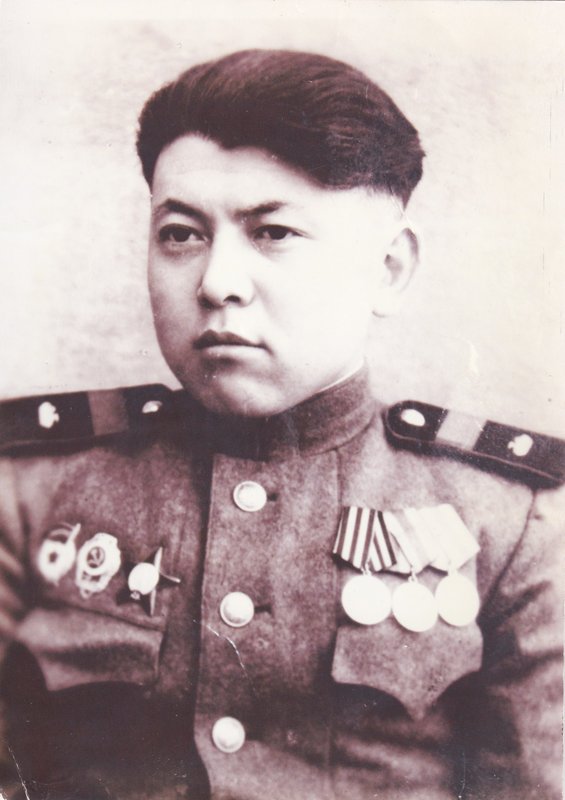

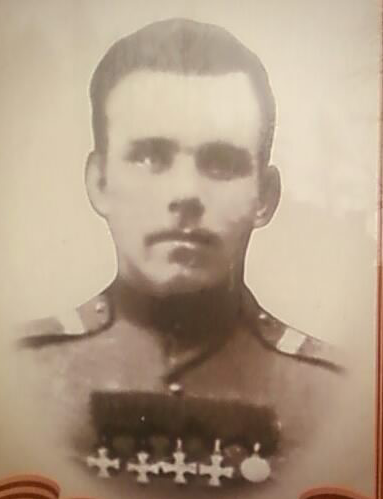

Semyon Semyonovich Khandozhko
Rank: Junior Lieutenant. Type of troops: Artillery. Born into the family of a middle peasant in the Oryol region with. Krasnaya Gora st. Kuibysheva, 78. Father - Semyon Korneevich Khandozhko - born in 1879. Mother - Khandozhko Sanklida Vasilievna - born in 1876. Parents were engaged in agriculture, and in 1934 they joined the collective farm. In 1929 he entered elementary school, which he graduated in 1933 with the subsequent transfer to a junior high school. In 1936 he graduated from the junior high school and entered the high school in the village Krasnaya Gora, which he graduated in 1939. After graduating from high school in order to continue his studies, he entered the Novozybkov Pedagogical Institute at the Faculty of Physics and Mathematics. On September 27, 1939, he dropped out and was drafted into the army, but was left until further notice. On February 14, 1940 he was sent to the unit by the Krasnogorsk District Military Commissariat. On February 24, 1940 he arrived in Baku in the 32nd Light Artillery Regiment (LAP), where he served as a Red Army gunner. In September 1940, as part of the 3rd division of the 32nd LAP, he was transferred to the 129th howitzer artillery regiment (GAP), where in the same month he was awarded the rank of sergeant with the appointment of a gun commander. On June 22, 1941, as part of the 129th GAP, he left to cover the Turkish border, where he stayed until October 1941. On October 14, 1941 he arrived at the front in the Taganrog region. After fierce battles for the city of Taganrog, the 129th GAP was defeated. He was transferred to the 32nd LAP, in which he participated in the defense of the city of Rostov. On November 5, 1941, the battalion in which it was located was surrounded near the village of Bolshe-Krepinsky in the Rostov region. He stayed surrounded until November 12. They left the encirclement alone ... After that, the 32nd LAP was re-formed and sent to defend the city of Rostov. After the withdrawal in the summer of 1942 from the city of Rostov, the 32nd regiment was again defeated, the remaining battery was poured into the 3rd Guards Corps and left to defend the city of Armavir. Departing from the city of Armavir, they were cut off by the Germans near the city of Mikoyan-Shahan and surrounded. After several days of fighting, having broken through the ring of the Germans, they joined up with their troops near the city of Nalchik. He was sent to the 423rd Guards Artillery Regiment, where he served as the commander of the battalion's combat supply section. In fierce battles near the city of Nalchik, our 37th Army was surrounded on November 5, 1942 and was pushed to the mountains. All escape routes were cut off. We were in the mountains near the city of Ordzhonikidze. When radio communication with the main forces of the Caucasian Front was restored, reinforcements were sent to us on planes. On December 31, 1942, we went on the offensive, and under the blows of the Red Army, the Germans began to withdraw from the Caucasus. After the liberation of Krasnodar on February 25, 1943, for excellent military operations, he was sent by the command of the 423rd Guards Artillery Regiment to the Ryazan Artillery School, where he arrived on March 20, 1943, where he worked as an assistant commander of the 31st training platoon. On February 1, 1945, he graduated from the school, and was awarded the rank of junior lieutenant by order of the Commander of the Red Army Artillery No. 63 dated 02/01/1945. From the school he was sent to the 41st reserve officer regiment, where he stayed until April 20, 1945, after which he left for the 4th Ukrainian front in the 991st howitzer artillery regiment, from where he was demobilized by order of the Commander of the Carpathian military district on September 13, 1946 ... From August 1941 to October 1943, the parents were in the territory occupied by the Germans. There was no connection with them. After the release, the connection was restored through letters. The elder brother served in the army in the Far East with the rank of major. The two middle brothers were at the front. The sisters lived with their parents. In 1947 he left to study in the city of Kishinev, Moldavian SSR, at an agricultural institute. On February 21, 1951, in Chisinau, he married Taisa Andreevna Pluzhko, born in 1925 (Verkhnee Lisichansk district, Luhansk region, Ukraine). On July 01, 1952, he was admitted to the Vadului-Vodsky Raisselhoz Department for the post of head of the Russian Trade Union of workers of Chemical Industries. Dismissed from office on August 26, 1952 of his own free will. On September 09, 1952, he was appointed winemaker-technologist of the Sirashensky z / management of the Champagne Combine of the MSSR. On April 25, 1953, a daughter was born - Alla Semyonovna Khandozhko. On September 13, 1956, he was appointed process engineer of the production technical department of Moldglavvino MNIT MSSR. On October 19, 1957, he was transferred to the position of a production engineer of the production technical department of Moldvinprom SNKh MSSR. He worked in the production and technical department of the Moldvinprom SNKh MSSR until April 01, 1972. He left as the head of the department. On January 25, 1987, a grandson was born - Aleksey Valerievich Blinov. He worked in Chisinau, MSSR until April 25, 1989. Fired due to reaching retirement age. In 1992 he moved with his family to the city of Severodonetsk, Lugansk region, Ukraine.
Semyon Semyonovich Khandozhko
Rank: Junior Lieutenant. Type of troops: Artillery. Born into the family of a middle peasant in the Oryol region with. Krasnaya Gora st. Kuibysheva, 78. Father - Semyon Korneevich Khandozhko - born in 1879. Mother - Khandozhko Sanklida Vasilievna - born in 1876. Parents were engaged in agriculture, and in 1934 they joined the collective farm. In 1929 he entered elementary school, which he graduated in 1933 with the subsequent transfer to a junior high school. In 1936 he graduated from the junior high school and entered the high school in the village Krasnaya Gora, which he graduated in 1939. After graduating from high school in order to continue his studies, he entered the Novozybkov Pedagogical Institute at the Faculty of Physics and Mathematics. On September 27, 1939, he dropped out and was drafted into the army, but was left until further notice. On February 14, 1940 he was sent to the unit by the Krasnogorsk District Military Commissariat. On February 24, 1940 he arrived in Baku in the 32nd Light Artillery Regiment (LAP), where he served as a Red Army gunner. In September 1940, as part of the 3rd division of the 32nd LAP, he was transferred to the 129th howitzer artillery regiment (GAP), where in the same month he was awarded the rank of sergeant with the appointment of a gun commander. On June 22, 1941, as part of the 129th GAP, he left to cover the Turkish border, where he stayed until October 1941. On October 14, 1941 he arrived at the front in the Taganrog region. After fierce battles for the city of Taganrog, the 129th GAP was defeated. He was transferred to the 32nd LAP, in which he participated in the defense of the city of Rostov. On November 5, 1941, the battalion in which it was located was surrounded near the village of Bolshe-Krepinsky in the Rostov region. He stayed surrounded until November 12. They left the encirclement alone ... After that, the 32nd LAP was re-formed and sent to defend the city of Rostov. After the withdrawal in the summer of 1942 from the city of Rostov, the 32nd regiment was again defeated, the remaining battery was poured into the 3rd Guards Corps and left to defend the city of Armavir. Departing from the city of Armavir, they were cut off by the Germans near the city of Mikoyan-Shahan and surrounded. After several days of fighting, having broken through the ring of the Germans, they joined up with their troops near the city of Nalchik. He was sent to the 423rd Guards Artillery Regiment, where he served as the commander of the battalion's combat supply section. In fierce battles near the city of Nalchik, our 37th Army was surrounded on November 5, 1942 and was pushed to the mountains. All escape routes were cut off. We were in the mountains near the city of Ordzhonikidze. When radio communication with the main forces of the Caucasian Front was restored, reinforcements were sent to us on planes. On December 31, 1942, we went on the offensive, and under the blows of the Red Army, the Germans began to withdraw from the Caucasus. After the liberation of Krasnodar on February 25, 1943, for excellent military operations, he was sent by the command of the 423rd Guards Artillery Regiment to the Ryazan Artillery School, where he arrived on March 20, 1943, where he worked as an assistant commander of the 31st training platoon. On February 1, 1945, he graduated from the school, and was awarded the rank of junior lieutenant by order of the Commander of the Red Army Artillery No. 63 dated 02/01/1945. From the school he was sent to the 41st reserve officer regiment, where he stayed until April 20, 1945, after which he left for the 4th Ukrainian front in the 991st howitzer artillery regiment, from where he was demobilized by order of the Commander of the Carpathian military district on September 13, 1946 ... From August 1941 to October 1943, the parents were in the territory occupied by the Germans. There was no connection with them. After the release, the connection was restored through letters. The elder brother served in the army in the Far East with the rank of major. The two middle brothers were at the front. The sisters lived with their parents. In 1947 he left to study in the city of Kishinev, Moldavian SSR, at an agricultural institute. On February 21, 1951, in Chisinau, he married Taisa Andreevna Pluzhko, born in 1925 (Verkhnee Lisichansk district, Luhansk region, Ukraine). On July 01, 1952, he was admitted to the Vadului-Vodsky Raisselhoz Department for the post of head of the Russian Trade Union of workers of Chemical Industries. Dismissed from office on August 26, 1952 of his own free will. On September 09, 1952, he was appointed winemaker-technologist of the Sirashensky z / management of the Champagne Combine of the MSSR. On April 25, 1953, a daughter was born - Alla Semyonovna Khandozhko. On September 13, 1956, he was appointed process engineer of the production technical department of Moldglavvino MNIT MSSR. On October 19, 1957, he was transferred to the position of a production engineer of the production technical department of Moldvinprom SNKh MSSR. He worked in the production and technical department of the Moldvinprom SNKh MSSR until April 01, 1972. He left as the head of the department. On January 25, 1987, a grandson was born - Aleksey Valerievich Blinov. He worked in Chisinau, MSSR until April 25, 1989. Fired due to reaching retirement age. In 1992 he moved with his family to the city of Severodonetsk, Lugansk region, Ukraine.
0 comment



2026 © Russian Military Historical Society Developed by Jetmix