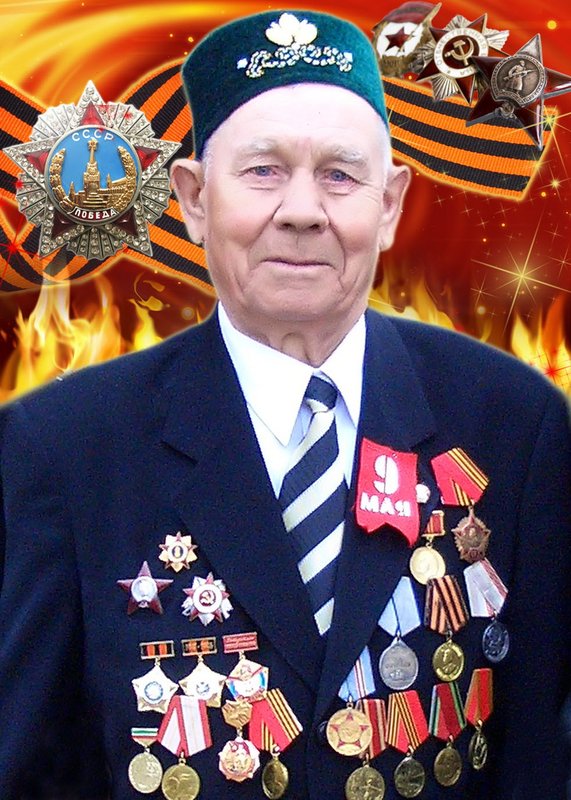
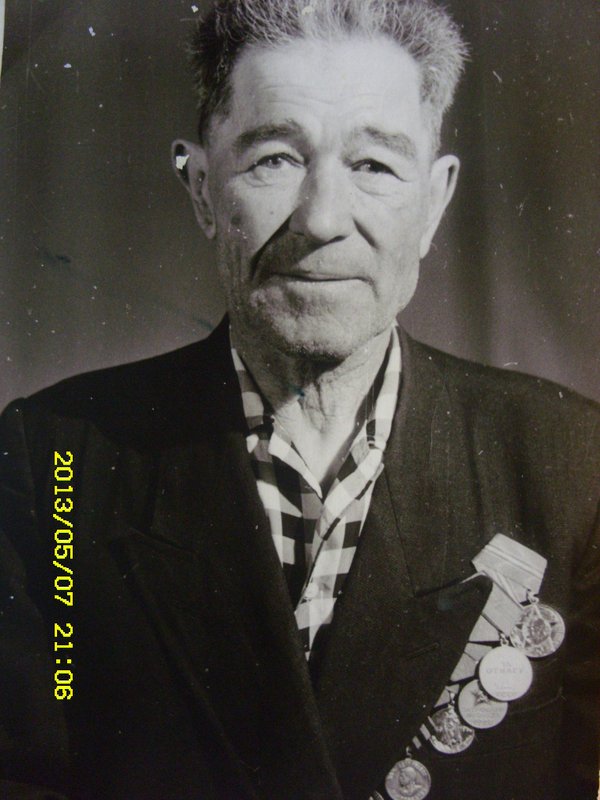
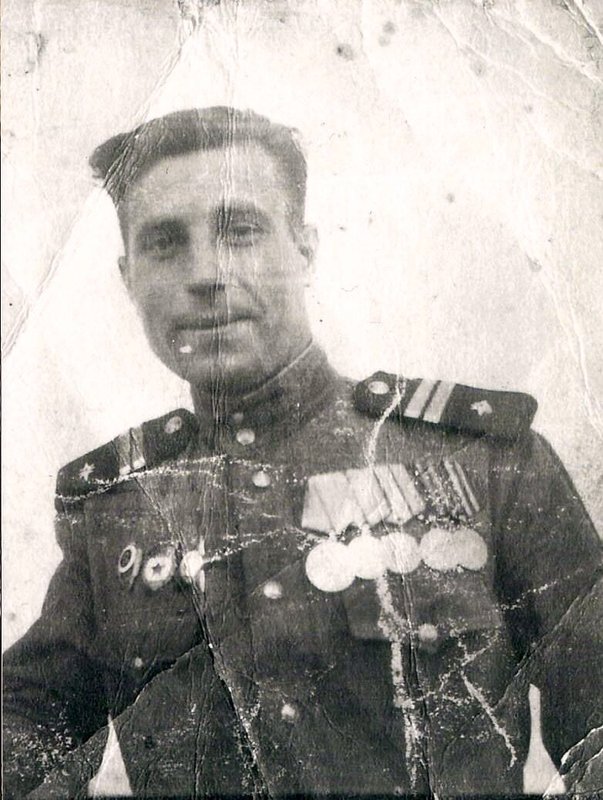
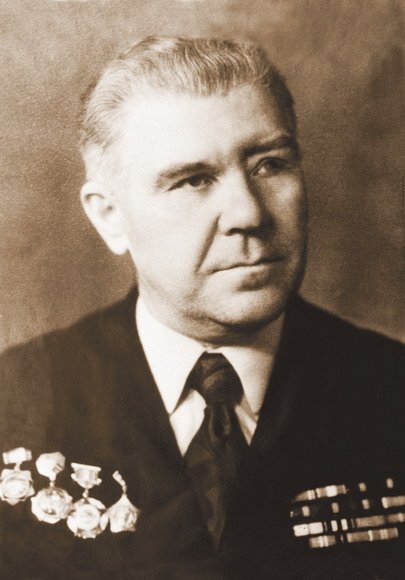
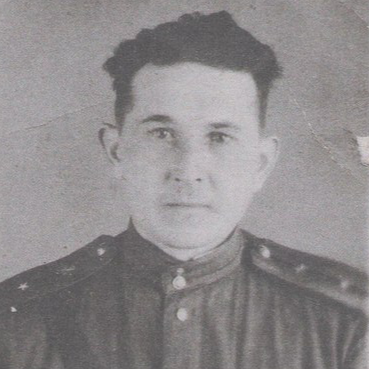
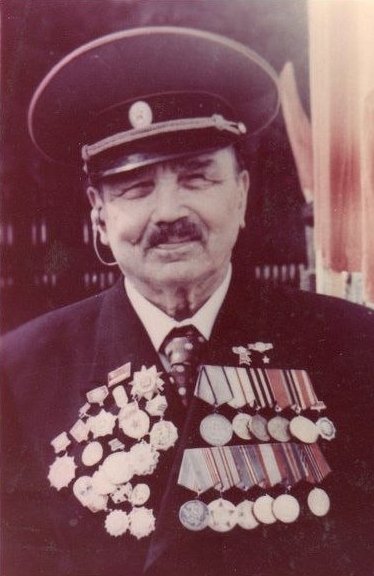
Ilyin Georgy Ilyich
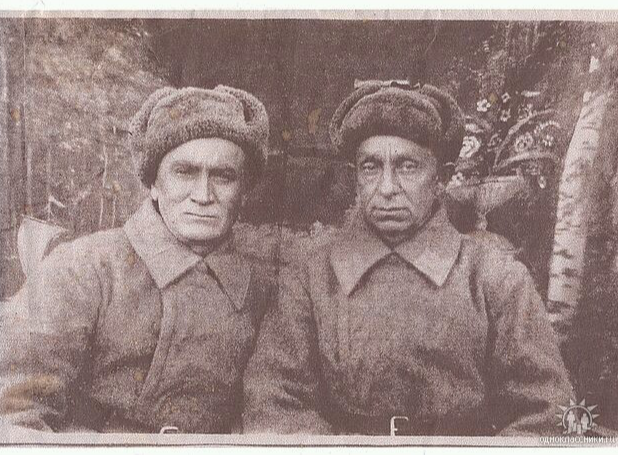
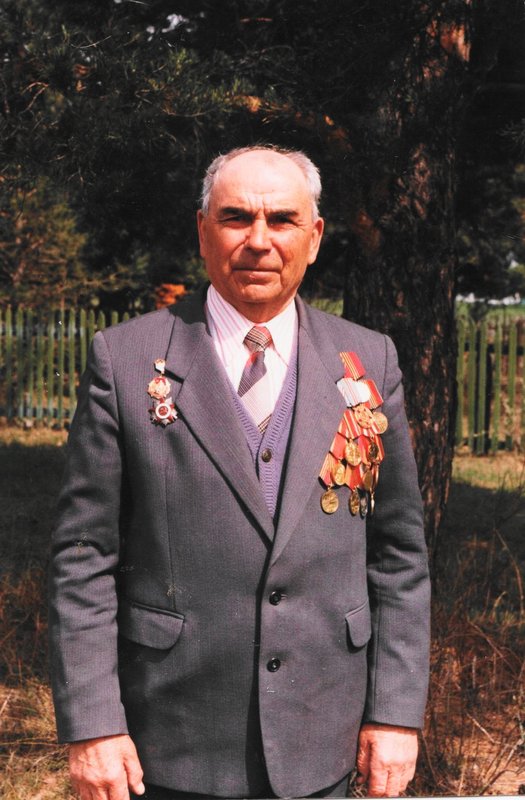
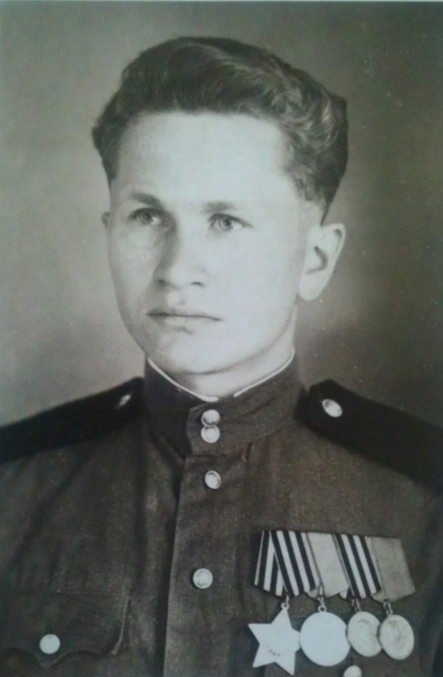
Rank: Red Army. Branch of the service: Ground Forces, Air Force (except naval aviation), coastal service, NKVD troops, border troops. Subdivision: 97th Infantry Division (1st formation) Ilyin Georgy Ilyich was born on May 17, 1918 in the village. Ikhonkino of the Morgaush district of the Chuvash Autonomous Soviet Socialist Republic in the family of a peasant farmer. He received his primary education at the Chemeevskaya elementary school, a seven-year education in the village of Toraevo, and secondary education at the Yadrinsk Pedagogical College. In 1937 he graduated from the Yadrinskoe pedagogical school and began working in the village of Chemeevo of the Chuvash ASSR as an elementary school teacher, later as a head. In 1939, after passing the exams by correspondence for the first year of the Pedagogical Institute of the city of Cheboksary, he was transferred to the Kildishev secondary school of the Yadrinsky district of the Chuvash ASSR as a history teacher in grades 5-7. In September 1939 he was drafted into the Soviet Army. He served in military service from 09/15/1939 to 08/08/1942, including as part of the active army from 06/22/1941 to 04/01/1942 as part of the 136th rifle regiment. Rank - Red Army soldier, deputy political instructor, machine gunner. As part of the 97th rifle division of the Kiev military district, he began to fight from the first day of the war on the border with Poland. For him, the war began with an active army, near the San River in the Lviv region. On June 22, at 5-6 o'clock in the morning, they encountered the Germans. The commander of the machine-gun company Pritula ordered him to defend the road to the village of Lyashki, where the commanders and members of their families lived. He writes that on the very first day they helped the wives and children of the commanders to evacuate. Already on June 27 he was shell-shocked, then he was partially deaf, but continued to fight. He fought until March 20, 1942, on that day he was wounded by a mine fragment in his right knee. For four months he was treated in evacuation hospitals in the city of Stalingrad No. 1582 from 21.04.1942 and in Nalchik No. 2442 from 14.06.1942. After treatment, he was sent home to his homeland. So he became an invalid of the Second World War. He was awarded a large number of orders and medals, among them: “For Victory over Germany”, “For Courage”, “Zhukov's Medal”, “Order of the Great Patriotic War, I degree”. After the war, since 1943, he worked in various government agencies. He was the chairman of the Society for the Deaf in Novocheboksarsk. He worked as an accountant, was in charge of a shop, was a forester, gardener, shepherd. From 1960 to 1962 he worked at the Kukshum eight-year school. From 1963 to 1965 he worked at the "Sower" collective farm in the Morgaush district of the Chuvash ASSR, was a gardener. He was very fond of nature, his native land. He planted and raised two collective farm gardens in his lifetime, was an amateur gardener. And in his home garden, lovingly grown by him, there are a lot of apple trees, pears, plums, still yield a harvest. Even under his leadership, members of his family and schoolchildren planted an alley of different trees. Grateful villagers always remember this alley, which leads from the central road directly to their village. Every year we, children, grandchildren and great-grandchildren, on Victory Day, gather in our parents' house, hold a clean-up day. We try to keep the parental house clean and tidy, we prune trees in our grandfather's garden. After work, all relatives visit his grave. No matter how difficult it was in this war, he found time for front-line notes, on the basis of which he wrote poems about war, life and love. In the early 90s, he retired three small collections of poetry in his native language. Since 1966 he was engaged in creative work, wrote plays, novels poems, was published in many newspapers and magazines. He traveled a lot to battle places to meet with veterans. In September 1980, the first meeting with fellow soldiers took place in the town of Kanev, Cherkasy region. Museums of the military glory of the 97th division were set up in twenty schools in Ukraine, there were also lessons of courage, where he told schoolchildren about the exploits during the war. He traveled a lot throughout the Soviet Union. He traveled to Ukraine many times to meet with veterans of the Great Patriotic War, visited many cities, including Kiev, Kanev, Lvov, Cherkassy, etc. He loved to travel, was in Murmansk, Leningrad, Vyatka, Izhevsk, Perm, Sverdlovsk, Tashkent, Ashgabat, Baku, Nalchik, Kislovodsk, Sochi, Gelendzhik, Rostov-on-Don, Stalingrad, Kuibyshev, Kazan, in Gorky, Kineshma, Ivanov. Georgy Ilyich lived a long, happy life with Ilyina Elizaveta Ivanovna. They have 5 children, 14 grandchildren, 13 great-grandchildren. In 1997, they celebrated their golden wedding. His wife, Elizaveta Ivanovna, a home front worker, a veteran of the Second World War, lives to this day, she is 92 years old. Unfortunately, the injuries received during the war made themselves felt.
Ilyin Georgy Ilyich
Rank: Red Army. Branch of the service: Ground Forces, Air Force (except naval aviation), coastal service, NKVD troops, border troops. Subdivision: 97th Infantry Division (1st formation) Ilyin Georgy Ilyich was born on May 17, 1918 in the village. Ikhonkino of the Morgaush district of the Chuvash Autonomous Soviet Socialist Republic in the family of a peasant farmer. He received his primary education at the Chemeevskaya elementary school, a seven-year education in the village of Toraevo, and secondary education at the Yadrinsk Pedagogical College. In 1937 he graduated from the Yadrinskoe pedagogical school and began working in the village of Chemeevo of the Chuvash ASSR as an elementary school teacher, later as a head. In 1939, after passing the exams by correspondence for the first year of the Pedagogical Institute of the city of Cheboksary, he was transferred to the Kildishev secondary school of the Yadrinsky district of the Chuvash ASSR as a history teacher in grades 5-7. In September 1939 he was drafted into the Soviet Army. He served in military service from 09/15/1939 to 08/08/1942, including as part of the active army from 06/22/1941 to 04/01/1942 as part of the 136th rifle regiment. Rank - Red Army soldier, deputy political instructor, machine gunner. As part of the 97th rifle division of the Kiev military district, he began to fight from the first day of the war on the border with Poland. For him, the war began with an active army, near the San River in the Lviv region. On June 22, at 5-6 o'clock in the morning, they encountered the Germans. The commander of the machine-gun company Pritula ordered him to defend the road to the village of Lyashki, where the commanders and members of their families lived. He writes that on the very first day they helped the wives and children of the commanders to evacuate. Already on June 27 he was shell-shocked, then he was partially deaf, but continued to fight. He fought until March 20, 1942, on that day he was wounded by a mine fragment in his right knee. For four months he was treated in evacuation hospitals in the city of Stalingrad No. 1582 from 21.04.1942 and in Nalchik No. 2442 from 14.06.1942. After treatment, he was sent home to his homeland. So he became an invalid of the Second World War. He was awarded a large number of orders and medals, among them: “For Victory over Germany”, “For Courage”, “Zhukov's Medal”, “Order of the Great Patriotic War, I degree”. After the war, since 1943, he worked in various government agencies. He was the chairman of the Society for the Deaf in Novocheboksarsk. He worked as an accountant, was in charge of a shop, was a forester, gardener, shepherd. From 1960 to 1962 he worked at the Kukshum eight-year school. From 1963 to 1965 he worked at the "Sower" collective farm in the Morgaush district of the Chuvash ASSR, was a gardener. He was very fond of nature, his native land. He planted and raised two collective farm gardens in his lifetime, was an amateur gardener. And in his home garden, lovingly grown by him, there are a lot of apple trees, pears, plums, still yield a harvest. Even under his leadership, members of his family and schoolchildren planted an alley of different trees. Grateful villagers always remember this alley, which leads from the central road directly to their village. Every year we, children, grandchildren and great-grandchildren, on Victory Day, gather in our parents' house, hold a clean-up day. We try to keep the parental house clean and tidy, we prune trees in our grandfather's garden. After work, all relatives visit his grave. No matter how difficult it was in this war, he found time for front-line notes, on the basis of which he wrote poems about war, life and love. In the early 90s, he retired three small collections of poetry in his native language. Since 1966 he was engaged in creative work, wrote plays, novels poems, was published in many newspapers and magazines. He traveled a lot to battle places to meet with veterans. In September 1980, the first meeting with fellow soldiers took place in the town of Kanev, Cherkasy region. Museums of the military glory of the 97th division were set up in twenty schools in Ukraine, there were also lessons of courage, where he told schoolchildren about the exploits during the war. He traveled a lot throughout the Soviet Union. He traveled to Ukraine many times to meet with veterans of the Great Patriotic War, visited many cities, including Kiev, Kanev, Lvov, Cherkassy, etc. He loved to travel, was in Murmansk, Leningrad, Vyatka, Izhevsk, Perm, Sverdlovsk, Tashkent, Ashgabat, Baku, Nalchik, Kislovodsk, Sochi, Gelendzhik, Rostov-on-Don, Stalingrad, Kuibyshev, Kazan, in Gorky, Kineshma, Ivanov. Georgy Ilyich lived a long, happy life with Ilyina Elizaveta Ivanovna. They have 5 children, 14 grandchildren, 13 great-grandchildren. In 1997, they celebrated their golden wedding. His wife, Elizaveta Ivanovna, a home front worker, a veteran of the Second World War, lives to this day, she is 92 years old. Unfortunately, the injuries received during the war made themselves felt.
0 comment




2026 © Russian Military Historical Society Developed by Jetmix