


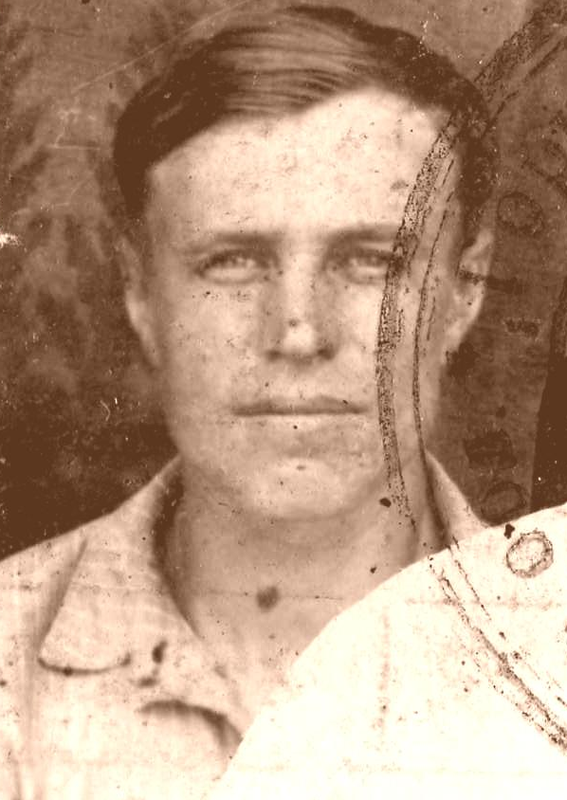
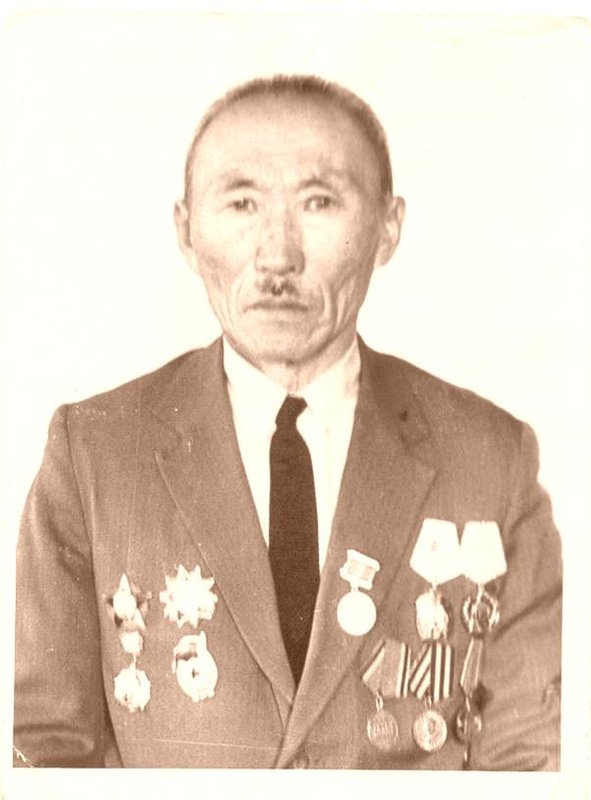
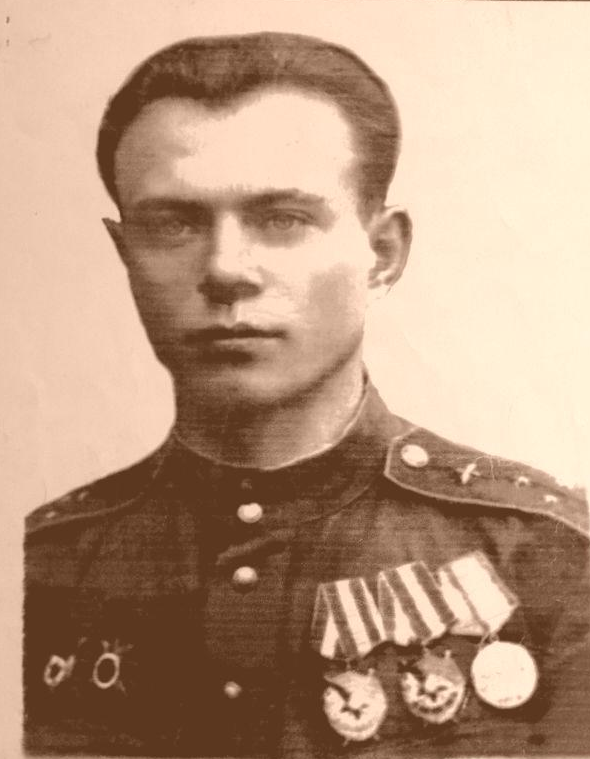

Borodina Alexandra Nikolaevna
In 1943, the Germans drove her together with her mother and other villagers to Belarus. They drove people through the Mogilev and Gomel regions. For most, it was a one-way road. The Germans guarded huge kilometers of the column of prisoners. The prisoners held the formation so as not to give cause for nagging. “We walked in the middle of the column, and on the sides were Germans with machine guns, German tanks,” my great-grandmother recalls. - I huddled in fear to my mother ... ”. This is how she walked for many days and nights in the crowd of the doomed along the "road of death." Was it easier for her that she was not alone, that her fate was shared by thousands of other people? “No, it didn't make it any easier. We were very depressed and scared, ”says my great-grandmother. Until now, she is haunted by terrible pictures: “I remember how our convoy was bombed by planes. There was panic. Mothers in despair tried to protect their children with themselves, the eerie cries of distraught people were heard, the desperate voices of children calling: "Mom, Mom!" Bolt. Moans. A bomb exploded not far from us and formed a large crater. The dead lay around her. During these terrible days, the little girl experienced the first painful loss of loved ones. In this bombing, my great-grandmother lost her mother, my great-great-grandmother. And then there was a concentration camp in the Bogushevsky forests. They, little prisoners, starved to death, they were tried to be killeed with slave labor. Along with the adults, they were forced to dig trenches and rarely were given shovels. During such work, the hands of the children were bloody. Each time they fell asleep, they did not know if they would survive tomorrow. They killed everyone in the camp: both old and small. She, a ten-year-old girl, hungry, half-naked, emaciated, had a chance to experience something that an adult cannot bear. The Germans beat them, baited. The children did not play, nothing could entertain them. They looked at their tormentors with eyes that did not understand what their fault was. They cried in silence. It was impossible to cry loudly, the constant malnutrition, the cruelty of the guards, inhuman punishment for the slightest offense ... Soviet troops were coming closer and closer. Retreating, the Germans decided to burn the prisoners. For three days they kept them in sheds packed to capacity. No one hoped to survive. But our soldiers managed to liberate the prisoners. Desperate people cried and hugged their liberators. Mothers hugged their children tighter. Only no one hugged my great-grandmother. My great-grandmother returned home in 1944. Relatives (mother's sisters) took her into care.
Borodina Alexandra Nikolaevna
In 1943, the Germans drove her together with her mother and other villagers to Belarus. They drove people through the Mogilev and Gomel regions. For most, it was a one-way road. The Germans guarded huge kilometers of the column of prisoners. The prisoners held the formation so as not to give cause for nagging. “We walked in the middle of the column, and on the sides were Germans with machine guns, German tanks,” my great-grandmother recalls. - I huddled in fear to my mother ... ”. This is how she walked for many days and nights in the crowd of the doomed along the "road of death." Was it easier for her that she was not alone, that her fate was shared by thousands of other people? “No, it didn't make it any easier. We were very depressed and scared, ”says my great-grandmother. Until now, she is haunted by terrible pictures: “I remember how our convoy was bombed by planes. There was panic. Mothers in despair tried to protect their children with themselves, the eerie cries of distraught people were heard, the desperate voices of children calling: "Mom, Mom!" Bolt. Moans. A bomb exploded not far from us and formed a large crater. The dead lay around her. During these terrible days, the little girl experienced the first painful loss of loved ones. In this bombing, my great-grandmother lost her mother, my great-great-grandmother. And then there was a concentration camp in the Bogushevsky forests. They, little prisoners, starved to death, they were tried to be killeed with slave labor. Along with the adults, they were forced to dig trenches and rarely were given shovels. During such work, the hands of the children were bloody. Each time they fell asleep, they did not know if they would survive tomorrow. They killed everyone in the camp: both old and small. She, a ten-year-old girl, hungry, half-naked, emaciated, had a chance to experience something that an adult cannot bear. The Germans beat them, baited. The children did not play, nothing could entertain them. They looked at their tormentors with eyes that did not understand what their fault was. They cried in silence. It was impossible to cry loudly, the constant malnutrition, the cruelty of the guards, inhuman punishment for the slightest offense ... Soviet troops were coming closer and closer. Retreating, the Germans decided to burn the prisoners. For three days they kept them in sheds packed to capacity. No one hoped to survive. But our soldiers managed to liberate the prisoners. Desperate people cried and hugged their liberators. Mothers hugged their children tighter. Only no one hugged my great-grandmother. My great-grandmother returned home in 1944. Relatives (mother's sisters) took her into care.
0 comment




2026 © Russian Military Historical Society Developed by Jetmix