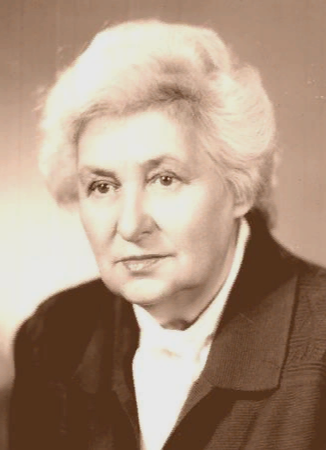
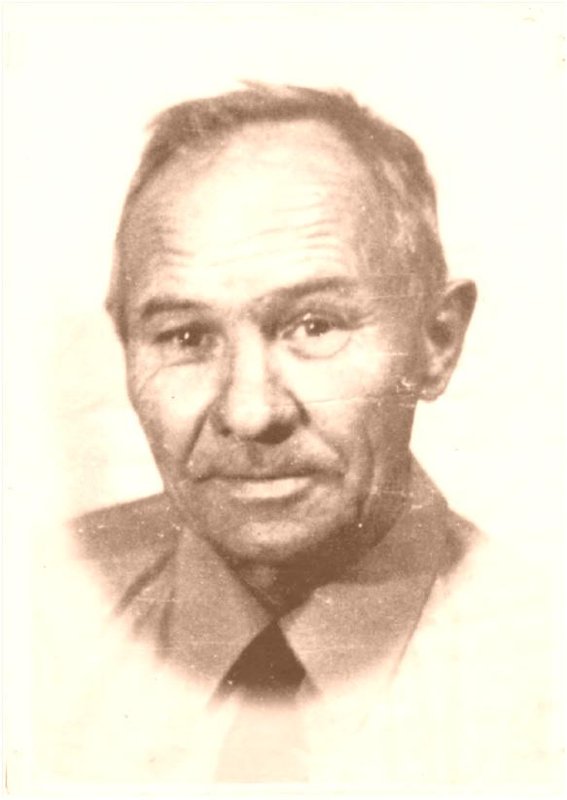
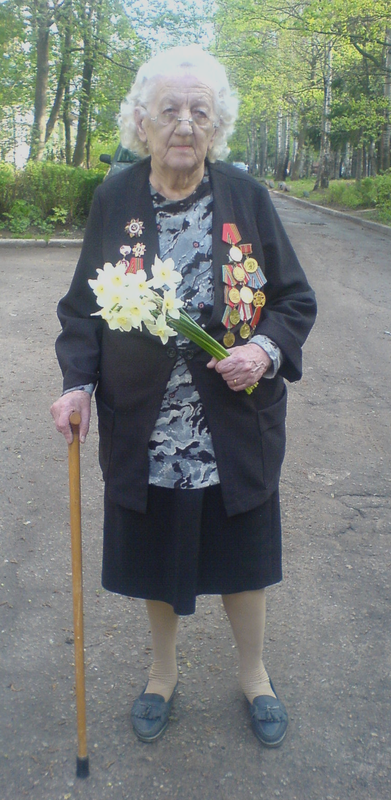
Ryabova Elena Ivanovna
Ryabova Elena Ivanovna_x000D_
_x000D_
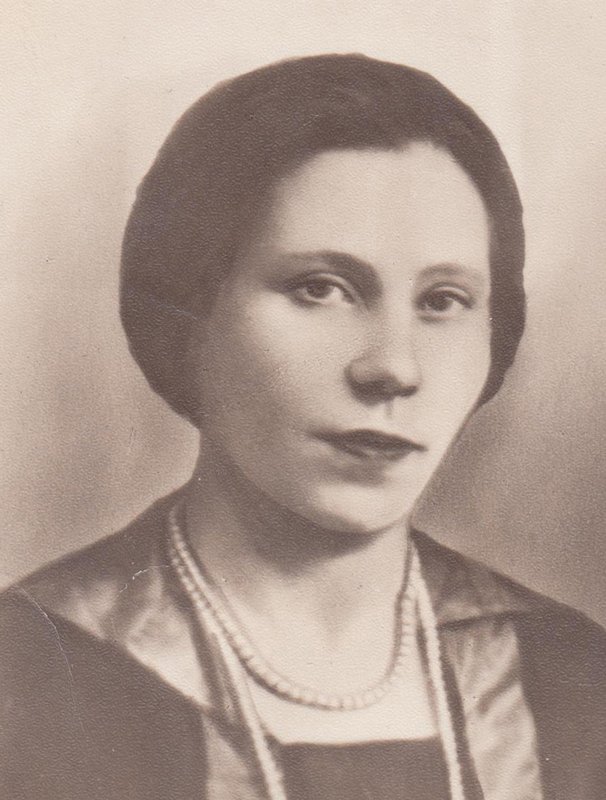
Unfortunately, we don't have any front-line photos of my mother. But my mother told us, her children, a lot about front-line life. And it was sad and painful to listen to how much they had to endure and experience in those difficult years. Before she entered the communications school, she and her family (her mother's father had already died) - her sisters and mother-lived in Voronezh, and when the Nazis bombed Voronezh, she and her classmates dug trenches and dropped incendiary bombs from the roofs of houses. She had to see with her own eyes how a German pilot with stars on the sides of the plane bombed a children's sanatorium. She had already been evacuated to the military communications school. The courses were short-term and she got into the signal regiment 92 of Marshal Chuikov's army. She worked on a Morse machine, transmitting and receiving ciphers. It was hard to lose your friends and fellow soldiers. During the bombings, we had to crawl to find broken wires to restore communication. Fortunately, my mother didn't have any injuries other than a concussion. The shrapnel will break the top of the boot, the bullets will break through the radio. It so happened that my mother developed "chicken blindness" and she almost did not see anything at dusk. So, she was sent to the field kitchen to help the cook deliver food to the trenches in field thermos bottles, of course, they were heavy, and my mother had to carry them behind her back. One day she got to the trench, and in the thermos flasks except for the scanty grounds there was nothing, because the thermos flasks were pierced by bullets, and my mother did not have a single wound. With her regiment, my mother reached Konigsberg, from where she was demobilized.
Ryabova Elena Ivanovna
Ryabova Elena Ivanovna_x000D_
_x000D_
Unfortunately, we don't have any front-line photos of my mother. But my mother told us, her children, a lot about front-line life. And it was sad and painful to listen to how much they had to endure and experience in those difficult years. Before she entered the communications school, she and her family (her mother's father had already died) - her sisters and mother-lived in Voronezh, and when the Nazis bombed Voronezh, she and her classmates dug trenches and dropped incendiary bombs from the roofs of houses. She had to see with her own eyes how a German pilot with stars on the sides of the plane bombed a children's sanatorium. She had already been evacuated to the military communications school. The courses were short-term and she got into the signal regiment 92 of Marshal Chuikov's army. She worked on a Morse machine, transmitting and receiving ciphers. It was hard to lose your friends and fellow soldiers. During the bombings, we had to crawl to find broken wires to restore communication. Fortunately, my mother didn't have any injuries other than a concussion. The shrapnel will break the top of the boot, the bullets will break through the radio. It so happened that my mother developed "chicken blindness" and she almost did not see anything at dusk. So, she was sent to the field kitchen to help the cook deliver food to the trenches in field thermos bottles, of course, they were heavy, and my mother had to carry them behind her back. One day she got to the trench, and in the thermos flasks except for the scanty grounds there was nothing, because the thermos flasks were pierced by bullets, and my mother did not have a single wound. With her regiment, my mother reached Konigsberg, from where she was demobilized.
0 comment



2026 © Russian Military Historical Society Developed by Jetmix