Vernigora Peter Fedorovich
Vernigora Peter Fedorovich_x000D_
_x000D_
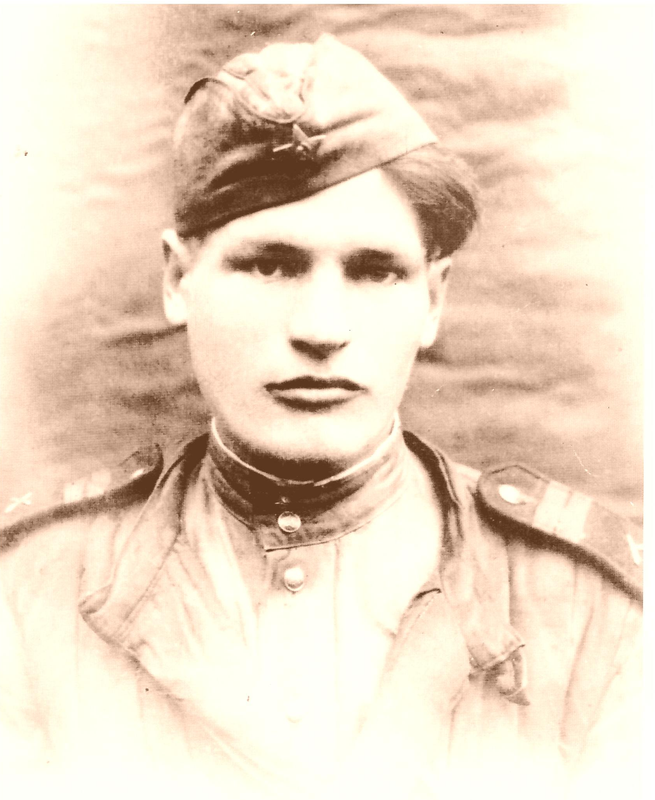
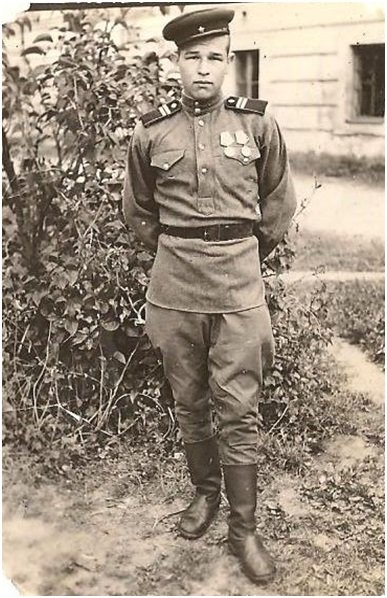
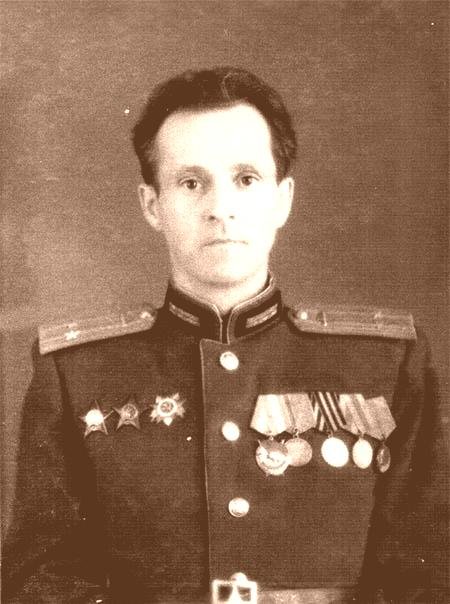
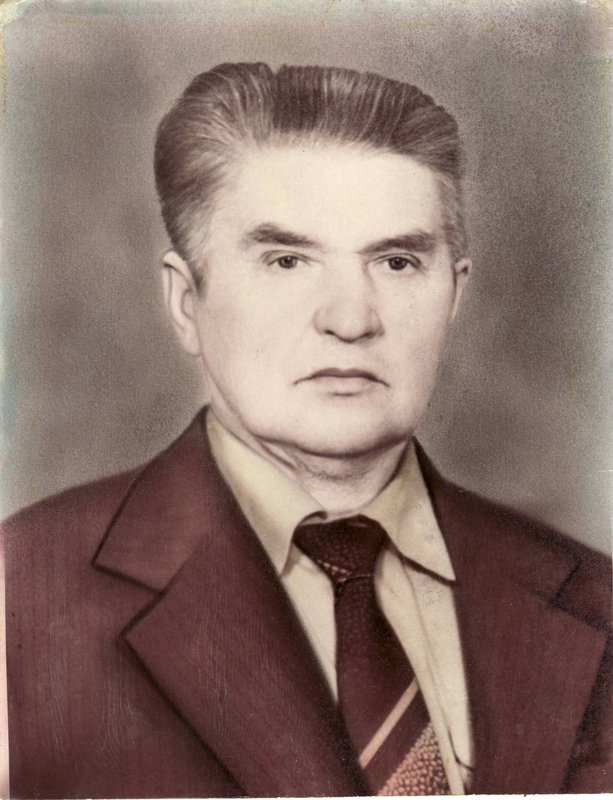
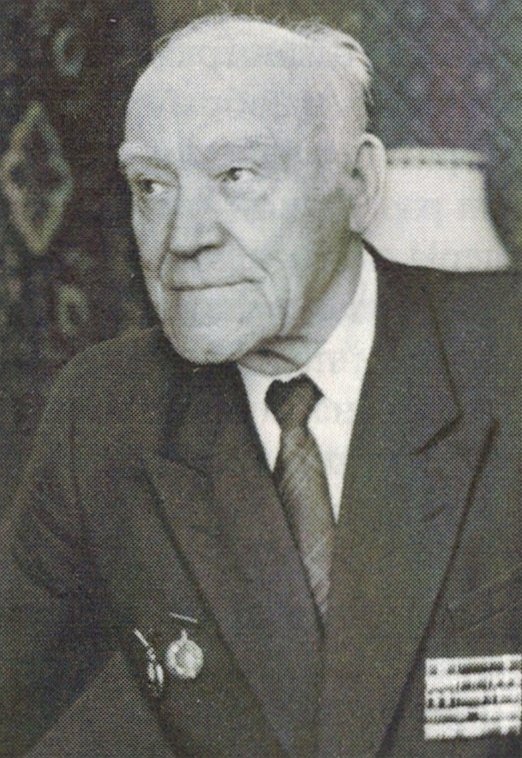
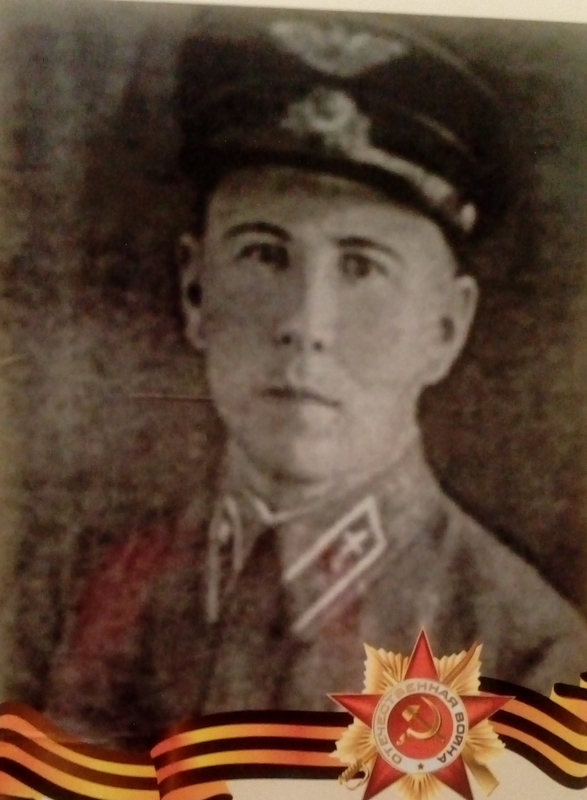
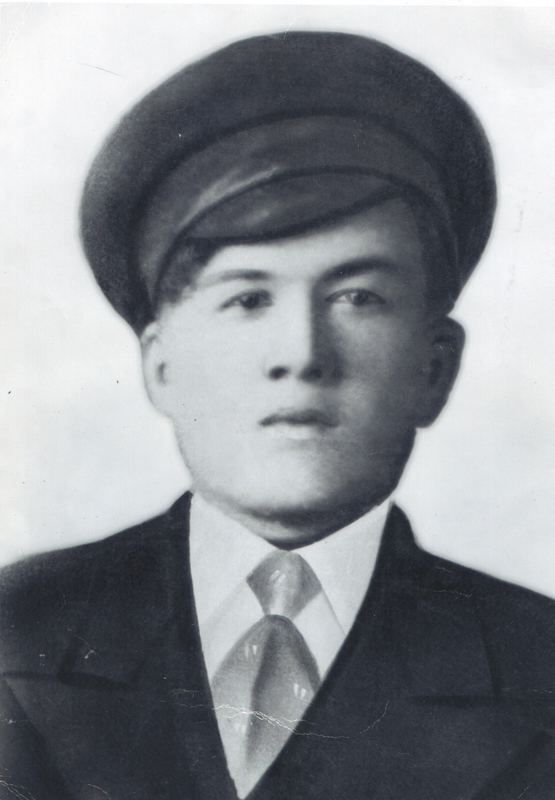
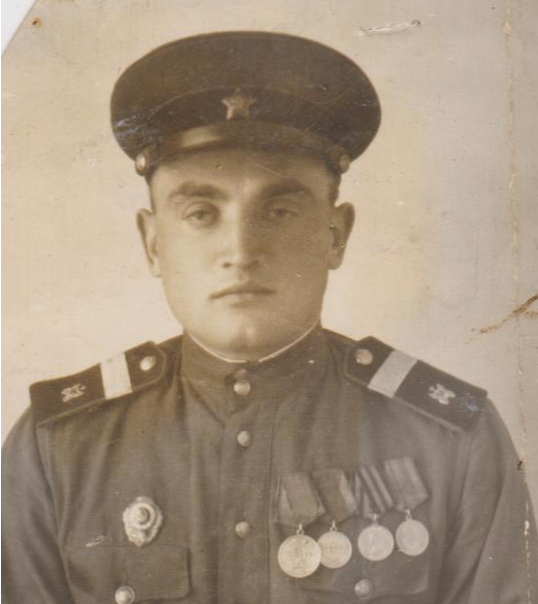
Military branch: the Soviet Navy and Naval forces of the NKVD border troops. Vernigora Pyotr Fedorovich was born on December 19, 1921 in the village of Gora-Podol in the Grayvoronsky district of the Kursk region. Before the war, he graduated from Grayvoron high school. In 1940, Grayvoronsky military enlistment office was called up for military service. He was assigned to the Baltic fleet. At the beginning, he received a degree in hydroacoustics in Kronstadt. When the war began, P. F. Vernigora was enlisted in the staff of the submarine. But when the Germans bombed it right at the pier, he was transferred to another, larger boat. In the book of V. I. Dmitriev "Attack submariners" there are these lines: "... on October 6, 1944, the submarine "Shch-407" won its first victory. She sank in the district of Memel transport "Leda". And the next day, the submarine "Shch-407" in the afternoon attacked another enemy ship with torpedoes. It turned out to be a trap ship. Due to its low landing, the torpedoes did not hit the target. After the torpedo attack, the trap ship chased the submarine for about a day and a half." This is about the boat on which P. F. Vernigora served. Pyotr Fyodorovich remembered that campaign well. They had been cruising the area for several days, but there was no suitable target. Finally, during lunch, the officer of the watch noticed a large transport accompanied by several anti-submarine ships through the periscope. The commander's order for a torpedo attack followed. A few minutes later, the command "Fire!" rang out, and two torpedoes raced toward the transport. The roar of the explosion of one of the torpedoes that hit the ship's side did not take long. A retaliatory attack by the guard ships immediately followed. Depth charges began to explode around the submarine one after another. There was a hum in the submarine's compartments from the powerful hydraulic blows to the hull. From the closest breaks from the walls, the cork coating bounced, light bulbs burst, and equipment was torn off the slipways. In this situation, everything depended on the skill of the commander, and of course, on the skill of the sonar. He reported every maneuver of the enemy to the commander. Well, the latter, armed with complete and accurate information about the enemy, managed to outwit him in the end, and all managed to escape unharmed. And then they came across the ill-fated trap ship. They fired a torpedo at it. The commander clearly saw that it had hit the middle of the ship. But it turned out that the ship was sitting too high in the water, and the torpedo passed below her keel. The design of the torpedoes was such that they could not go less than two meters from the surface of the water. This is what the Germans played for. They built vessels with a draft of less than two meters, and made them trap vessels that were invulnerable to torpedoes. After the failed attack, they had to leave the enemy ships for more than a day and a half. 148 depth charges were dropped on them. From their breaks, among other things, jammed the sword, a recently installed sonar installation of English production. And as soon as the submarine broke away from the pursuit, the commander gave the order to fix the problem in two hours. Pyotr Fyodorovich opened the shaft of the installation, pulled out a half-ton sword on hoists and repaired it. The order was executed on time. But during the repair, his hands were so raw that he was in bandages for more than two weeks, and the scars from those wounds remained for life. Not only bombs, mines and shells brought death to submariners. There was danger at every turn. So one day their submarine, while evading pursuit, ran into a damaged ship and damaged one of the damaged shafts so that it jammed. From the very coast of Germany, they had to return to Turku on one rampart. Another time, a submarine was sucked into an underwater cave during a twelve-ball storm. There was no forward or backward movement. It was as if they were buried alive in a stone bag. But then the commander with the help of special tricks still managed to escape from the stone trap. And the life of sailors on a submarine was not sugar. Only the commander had a microscopic cabin, and even that one hung under the battery pit, and the rest of the crew even had one bed for two. Therefore, sometimes you had to sleep right at the bottom of the hold, often half-submerged in salty sea water. However, the food was good. And when he came out of the trip, the crew brought no bread with salt, and roast suckling pig. In total, P. F. Vernigora took part in four campaigns, in which they sank four enemy transports. Their total displacement was several tens of thousands of tons. This was the best result in the Navy for their class of boats. For the courage and heroism shown in battles with the enemy, Pyotr Vernigora was awarded the order of the red Star and the Patriotic war, the medals "for bravery", "for the defense of Leningrad, "for the capture of Konigsberg", "Admiral Ushakov" and others. He cherished the flag of the Navy and was proud to have served in the Navy. In 1948, Pyotr Fedorovich retired to the reserve. Pyotr Fyodorovich devoted more than 40 years to work in the public education system, headed the Zamostyansk, Dobroselskaya school. Then, until his retirement, he worked as a teacher of physics and mathematics in the Mountain-Podolsk school. After leaving for a well-deserved rest, Pyotr Fyodorovich continued to participate in the social life of the village. Vernigora P. F. died in January 2005, but the memories of this brave warrior and good man will always remain in the memory of the residents of the village of Gora-Podol
Vernigora Peter Fedorovich
Vernigora Peter Fedorovich_x000D_
_x000D_
Military branch: the Soviet Navy and Naval forces of the NKVD border troops. Vernigora Pyotr Fedorovich was born on December 19, 1921 in the village of Gora-Podol in the Grayvoronsky district of the Kursk region. Before the war, he graduated from Grayvoron high school. In 1940, Grayvoronsky military enlistment office was called up for military service. He was assigned to the Baltic fleet. At the beginning, he received a degree in hydroacoustics in Kronstadt. When the war began, P. F. Vernigora was enlisted in the staff of the submarine. But when the Germans bombed it right at the pier, he was transferred to another, larger boat. In the book of V. I. Dmitriev "Attack submariners" there are these lines: "... on October 6, 1944, the submarine "Shch-407" won its first victory. She sank in the district of Memel transport "Leda". And the next day, the submarine "Shch-407" in the afternoon attacked another enemy ship with torpedoes. It turned out to be a trap ship. Due to its low landing, the torpedoes did not hit the target. After the torpedo attack, the trap ship chased the submarine for about a day and a half." This is about the boat on which P. F. Vernigora served. Pyotr Fyodorovich remembered that campaign well. They had been cruising the area for several days, but there was no suitable target. Finally, during lunch, the officer of the watch noticed a large transport accompanied by several anti-submarine ships through the periscope. The commander's order for a torpedo attack followed. A few minutes later, the command "Fire!" rang out, and two torpedoes raced toward the transport. The roar of the explosion of one of the torpedoes that hit the ship's side did not take long. A retaliatory attack by the guard ships immediately followed. Depth charges began to explode around the submarine one after another. There was a hum in the submarine's compartments from the powerful hydraulic blows to the hull. From the closest breaks from the walls, the cork coating bounced, light bulbs burst, and equipment was torn off the slipways. In this situation, everything depended on the skill of the commander, and of course, on the skill of the sonar. He reported every maneuver of the enemy to the commander. Well, the latter, armed with complete and accurate information about the enemy, managed to outwit him in the end, and all managed to escape unharmed. And then they came across the ill-fated trap ship. They fired a torpedo at it. The commander clearly saw that it had hit the middle of the ship. But it turned out that the ship was sitting too high in the water, and the torpedo passed below her keel. The design of the torpedoes was such that they could not go less than two meters from the surface of the water. This is what the Germans played for. They built vessels with a draft of less than two meters, and made them trap vessels that were invulnerable to torpedoes. After the failed attack, they had to leave the enemy ships for more than a day and a half. 148 depth charges were dropped on them. From their breaks, among other things, jammed the sword, a recently installed sonar installation of English production. And as soon as the submarine broke away from the pursuit, the commander gave the order to fix the problem in two hours. Pyotr Fyodorovich opened the shaft of the installation, pulled out a half-ton sword on hoists and repaired it. The order was executed on time. But during the repair, his hands were so raw that he was in bandages for more than two weeks, and the scars from those wounds remained for life. Not only bombs, mines and shells brought death to submariners. There was danger at every turn. So one day their submarine, while evading pursuit, ran into a damaged ship and damaged one of the damaged shafts so that it jammed. From the very coast of Germany, they had to return to Turku on one rampart. Another time, a submarine was sucked into an underwater cave during a twelve-ball storm. There was no forward or backward movement. It was as if they were buried alive in a stone bag. But then the commander with the help of special tricks still managed to escape from the stone trap. And the life of sailors on a submarine was not sugar. Only the commander had a microscopic cabin, and even that one hung under the battery pit, and the rest of the crew even had one bed for two. Therefore, sometimes you had to sleep right at the bottom of the hold, often half-submerged in salty sea water. However, the food was good. And when he came out of the trip, the crew brought no bread with salt, and roast suckling pig. In total, P. F. Vernigora took part in four campaigns, in which they sank four enemy transports. Their total displacement was several tens of thousands of tons. This was the best result in the Navy for their class of boats. For the courage and heroism shown in battles with the enemy, Pyotr Vernigora was awarded the order of the red Star and the Patriotic war, the medals "for bravery", "for the defense of Leningrad, "for the capture of Konigsberg", "Admiral Ushakov" and others. He cherished the flag of the Navy and was proud to have served in the Navy. In 1948, Pyotr Fedorovich retired to the reserve. Pyotr Fyodorovich devoted more than 40 years to work in the public education system, headed the Zamostyansk, Dobroselskaya school. Then, until his retirement, he worked as a teacher of physics and mathematics in the Mountain-Podolsk school. After leaving for a well-deserved rest, Pyotr Fyodorovich continued to participate in the social life of the village. Vernigora P. F. died in January 2005, but the memories of this brave warrior and good man will always remain in the memory of the residents of the village of Gora-Podol
0 comment




2026 © Russian Military Historical Society Developed by Jetmix