Liberation of Hungary
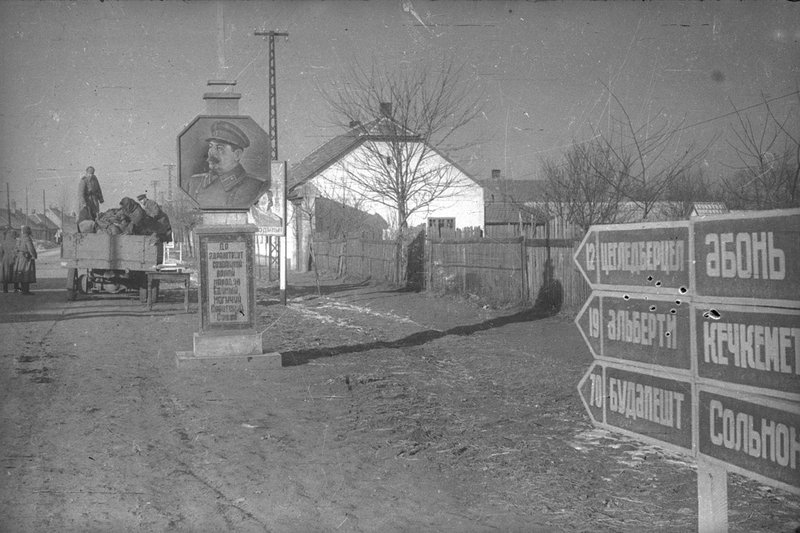
The formations of the 2nd Ukrainian Front (Rodion Malinovsky) crossed the Romanian-Hungarian border and marched into Hungary on September 23, 1944. Hungary was at war with the USSR.
The Hungarian ruling elite was in state of a deep political crisis by that time. The dictator Miklós Horthy requested the terms of armistice from the Soviet government. They were accepted by Hungarian delegation on October 11 in Moscow. Hungary had pledged to sever all ties with Germany and declare war on its former ally. However, the German forces supported by the pro-Nazi Crossed Arrows party seized Budapest on October 15-16. Ferenc Szálasi, a German protégé, was installed as a head of a new puppet government. This enabled Berlin to retain control over Hungary and its army.
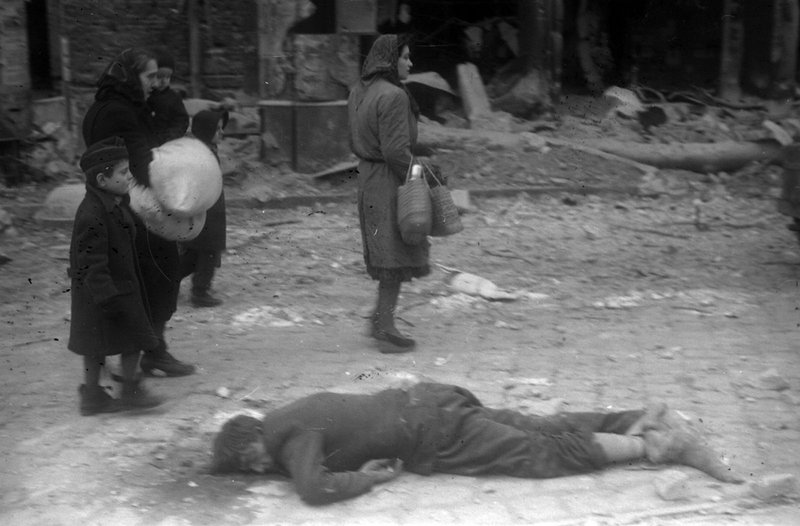
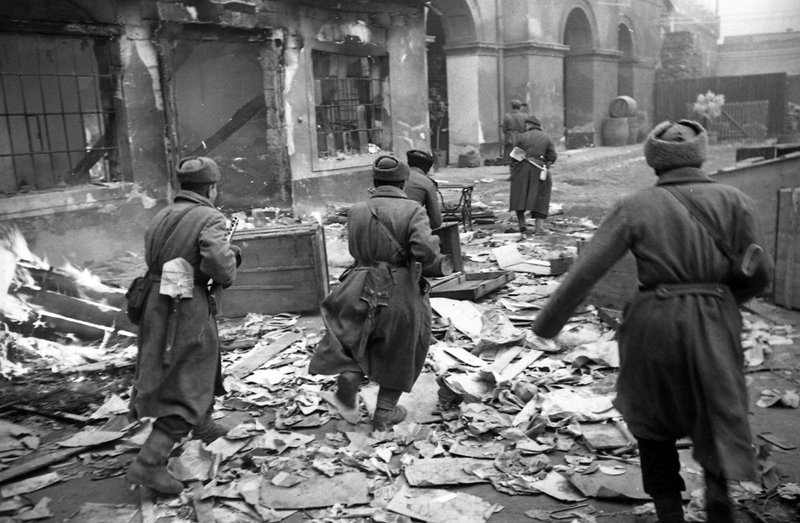
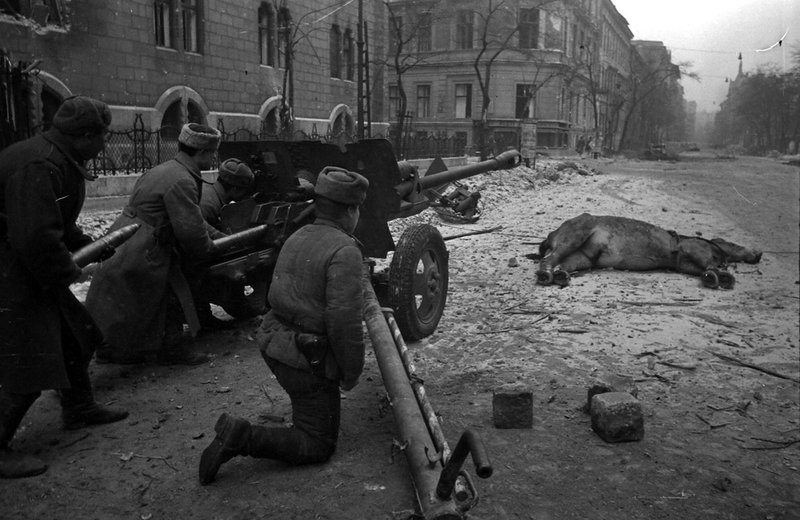
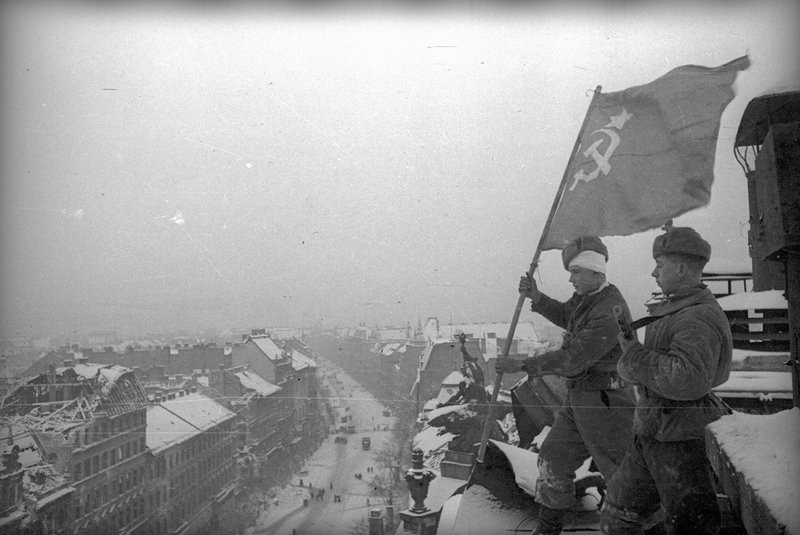
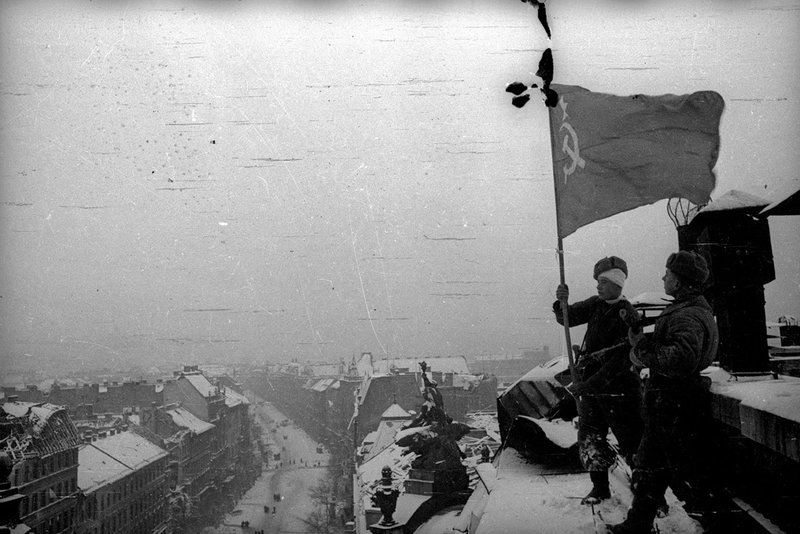
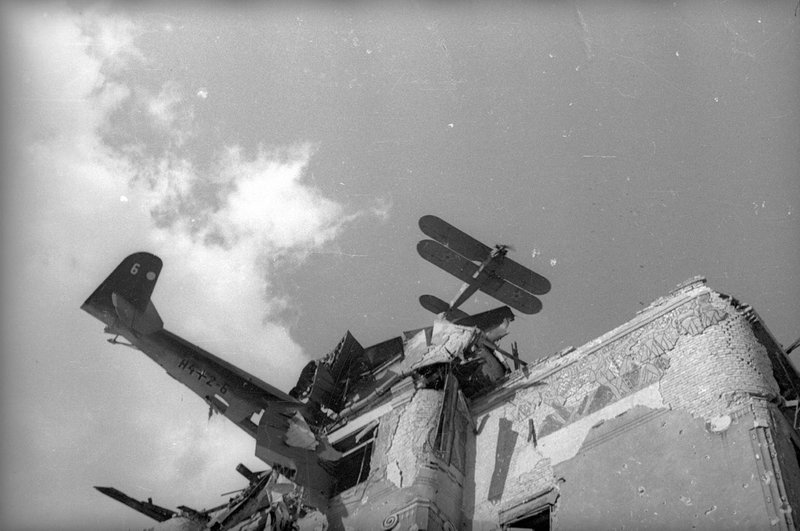
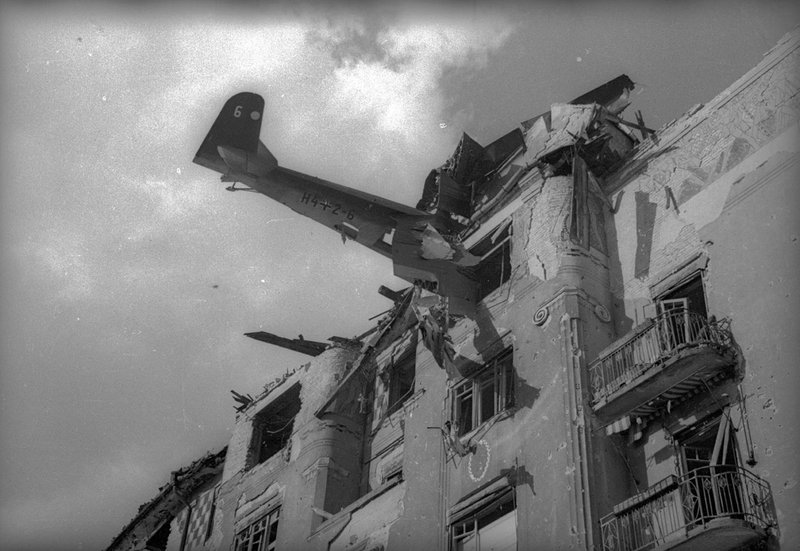
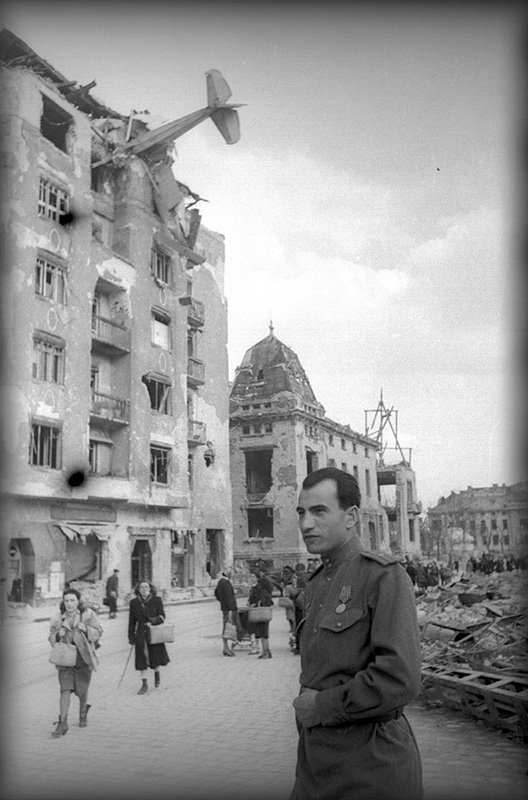
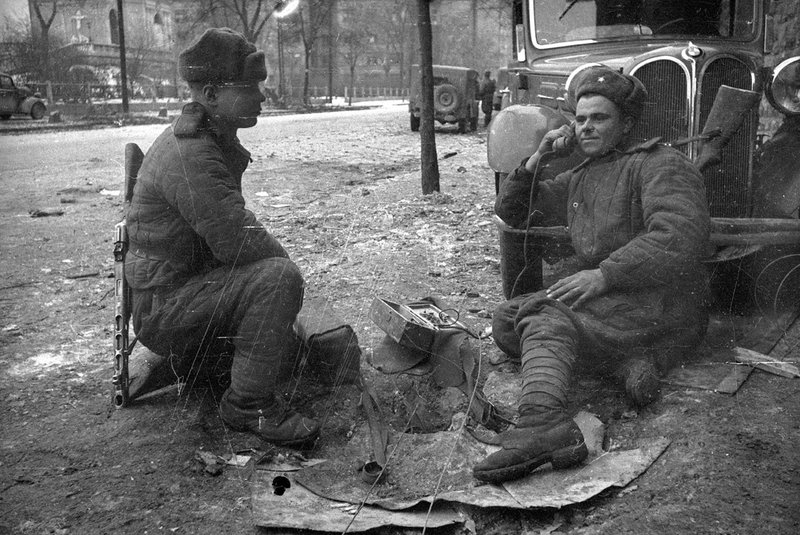
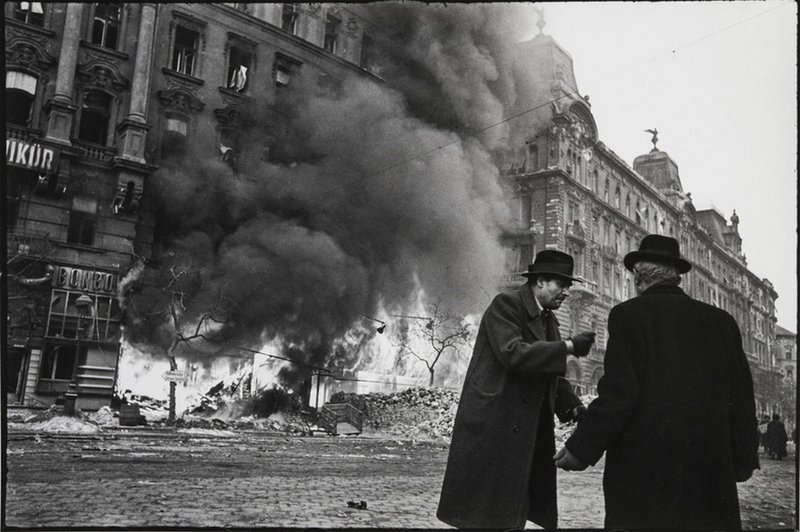
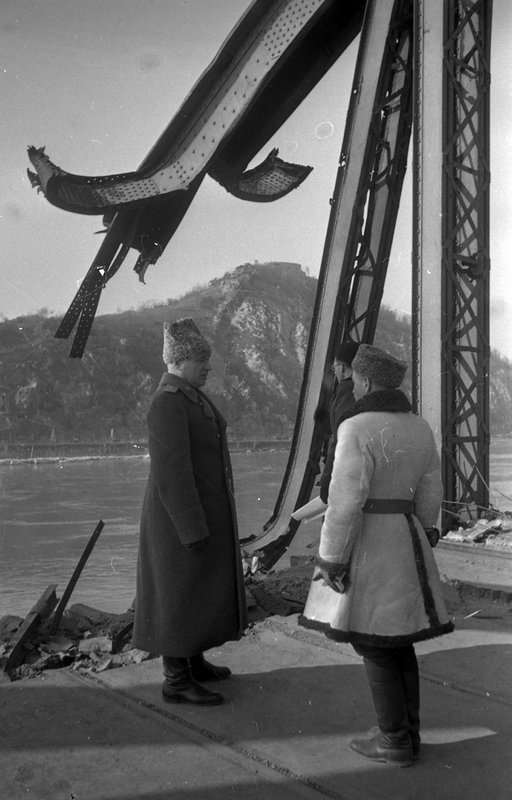
The Red Army liberated almost 30% of Hungarian territory during the Debrecen Offensive which lasted from October 6 through October 28, 1944. It had reached and encircled Budapest by late December. However, the Soviets managed to capture the city and destroy 188,000-strong German formation only by February 13, 1945.
The Germans attempted to launch a counteroffensive in Hungary near Lake Balaton in early March 1945. The Balaton Operation (March 6-15, 1945) was a last large-scale defensive operation of the Red Army in the Great Patriotic War. Soviet soldiers in a fierce fighting stopped German tanks. Having lost over 40,000 people, almost 500 tanks and self-propelled guns, the German troops were forced to stop the advance and retreat to their starting positions. The Red Army completed the liberation of Hungary during March-April 1945.
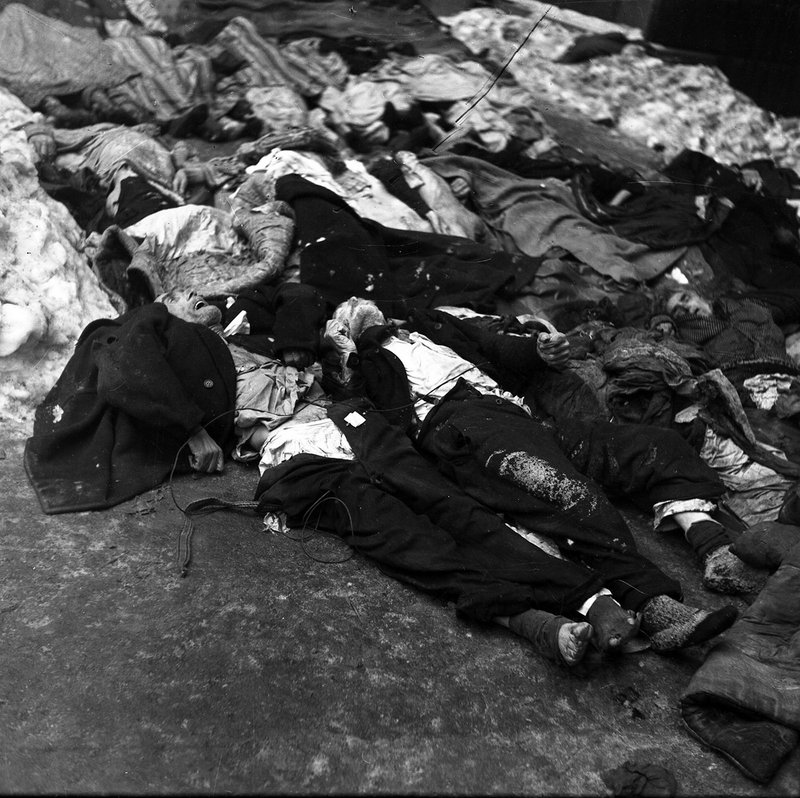
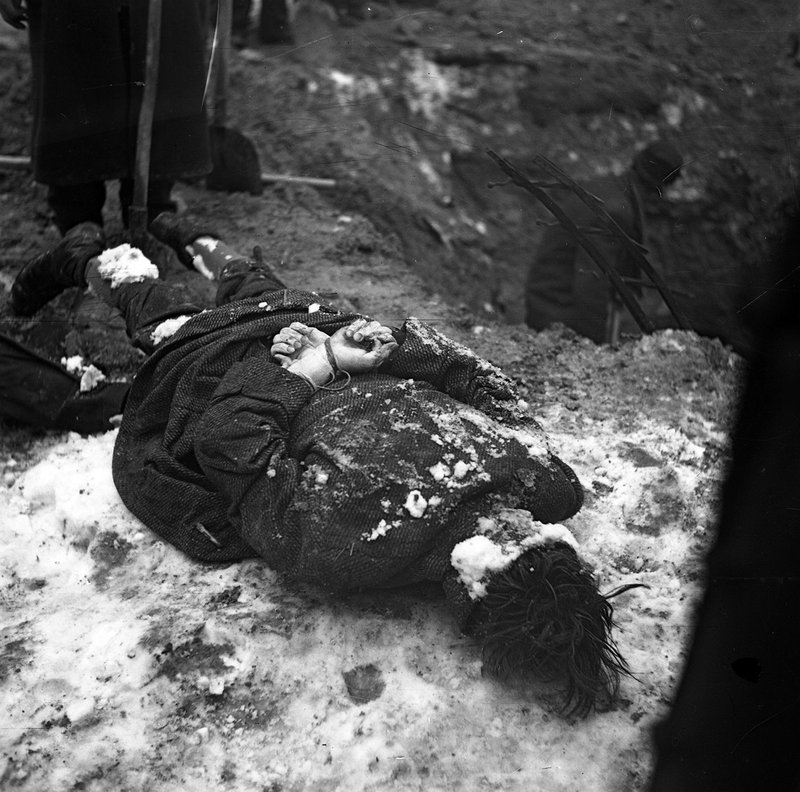
Almost 140,000 Soviet soldiers lost their lives fighting for the liberation of Hungary, Germany’s ally.