Bobkova Maria Ivanovna
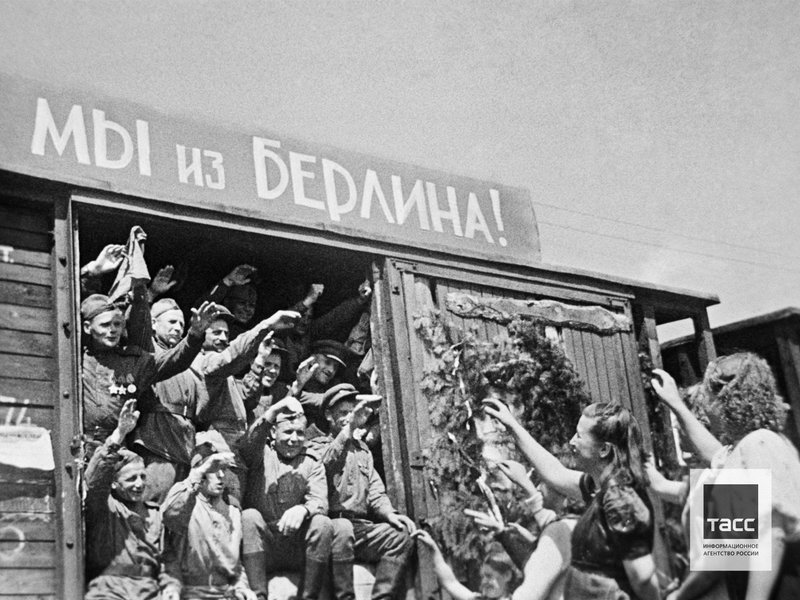
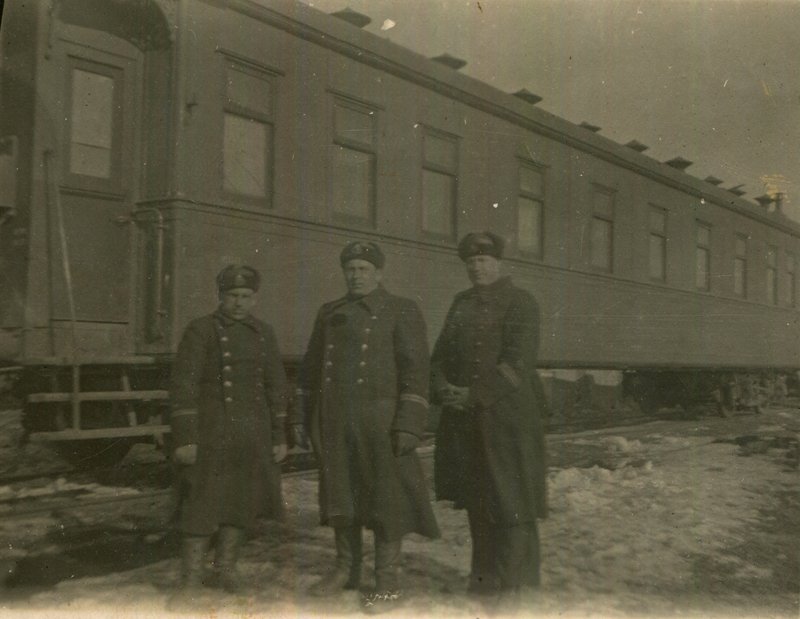
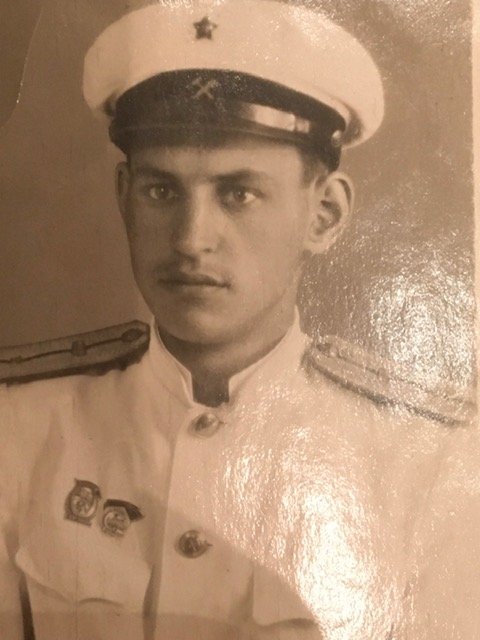
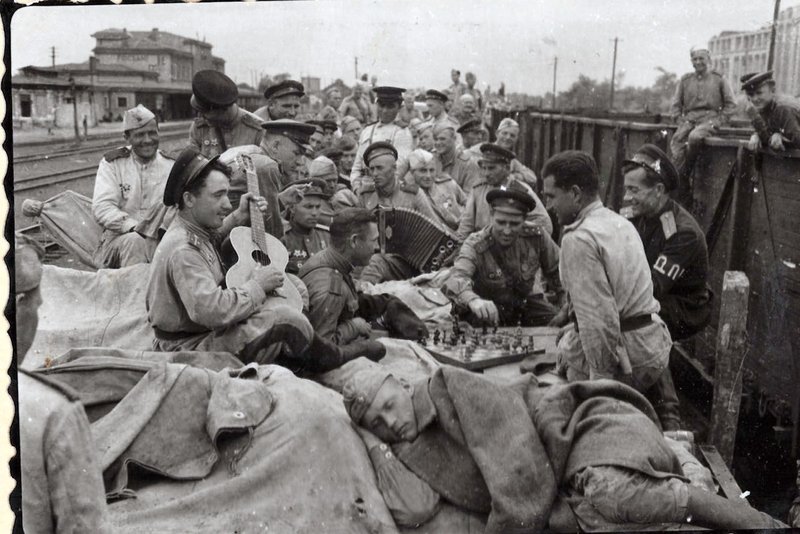
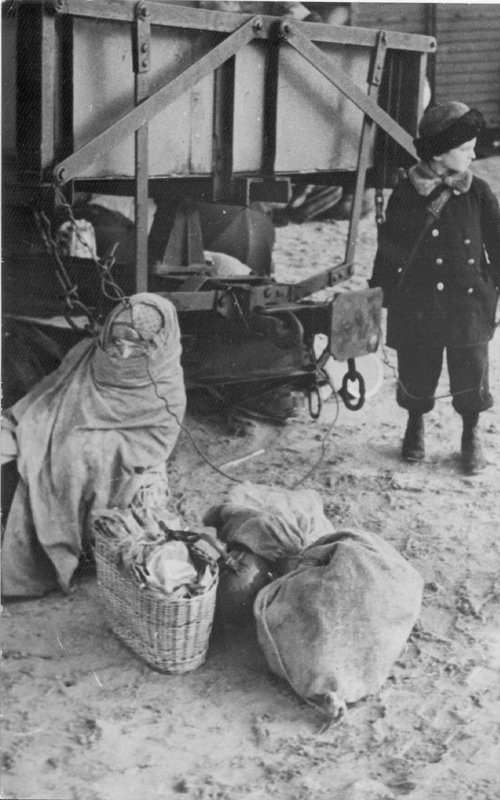
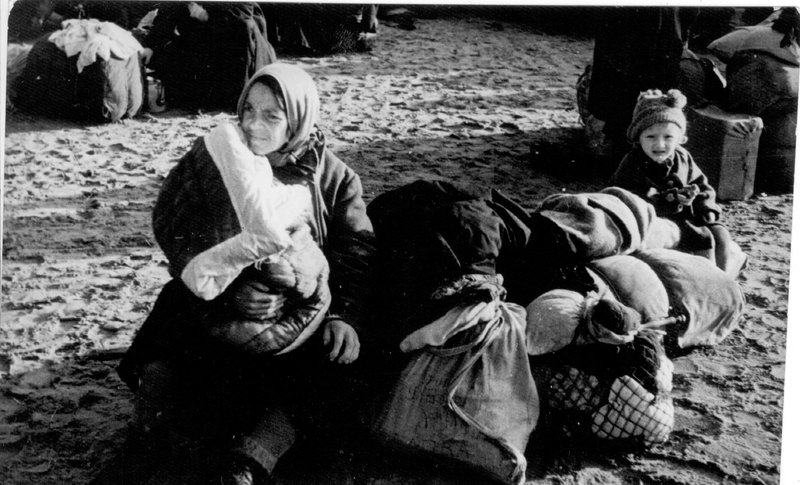
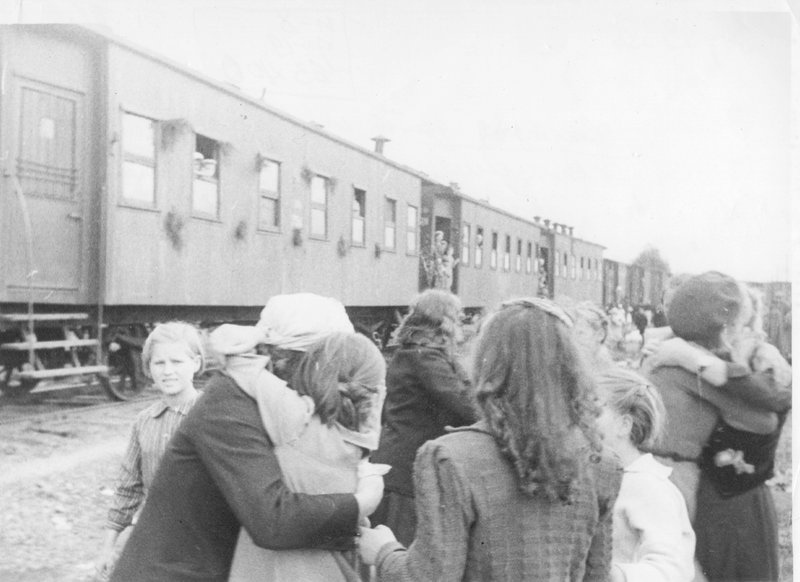
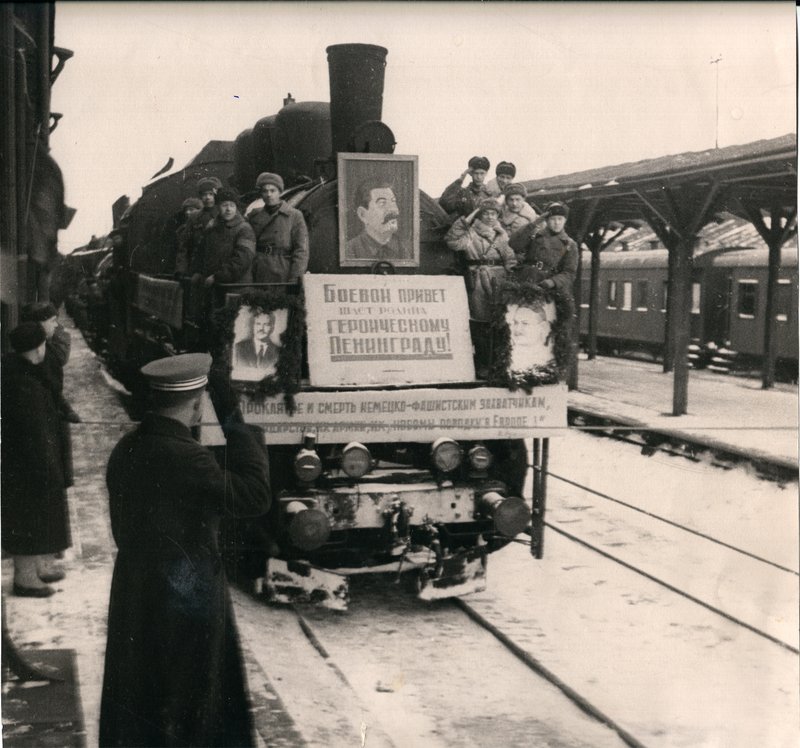
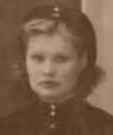
Maria Ivanovna Bobkova was born on January 19, 1925 in the village of Moshenovo, Khotynetsky district, Oryol region. On the station Pogreby, there lives a very caring, modest woman, a home-front worker, Maria Ivanovna Bobkova. She was born in a large family, graduated from 6 years of school. She had to help her parents with everything, thus her career as a collective farmer at the local collective farm began. Working on a collective farm, Maria Ivanovna dreamed of going to the city and getting a degree. Before her family could get back on their feet, the Great Patriotic War began. The Germans occupied the Orel region in September 1941. The Germans took cattle, food, and warm clothes from the people. Old people were forced to work for them, and young people were transported to Germany. But not all Germans committed atrocities, some gave food and even candy. After the liberation of Bryansk, Maria Ivanovna left the collective farm and was enrolled at the railway station to study the profession of a conductor. After completing accelerated training courses for conductors, Maria Ivanovna started working as a conductor on October 11, 1943, and was immediately sent on a business trip to the frontline, to Brest-Litovsk. The trains which Maria Ivanovna worked on were repeatedly bombed by German planes. Being near the frontlines, Maria Ivanovna courageously endured all military hardships. Her carriage was always clean, warm, and comfortable, despite the harsh years and the lack of food, water, and fuel. As best as she could, she motivated the soldiers going to the front. Maria Ivanovna accompanied military convoys until the day of Victory. She never complained about difficulties, considered it her duty to help the Motherland, to work conscientiously, to help bring the Victory to life. Maria Ivanovna prefers not to recall the wartime: she was forced to see and experience too much grief. Nowadays, there are very few survivors of the war who could tell the younger generation the whole truth about the Great Patriotic War. Therefore, they need to be honored, surrounded with care and attention. We need to learn a lot from the years they have lived. The rest of Maria Ivanovna’s life was also connected with the railway. Until 1953, she served as a conductor, she married a bridge master, gave birth to four children, two of whom followed in their parents' footsteps, becoming railway workers. Her daughter Lyubov Nikolaevna became the conductor of international trains, daughter Tatyana Nikolaevna became the head of the station Pogreby. Maria Ivanovna Bobkova has six grandchildren and four great-grandchildren. Our grandmother Masha still stays busy.