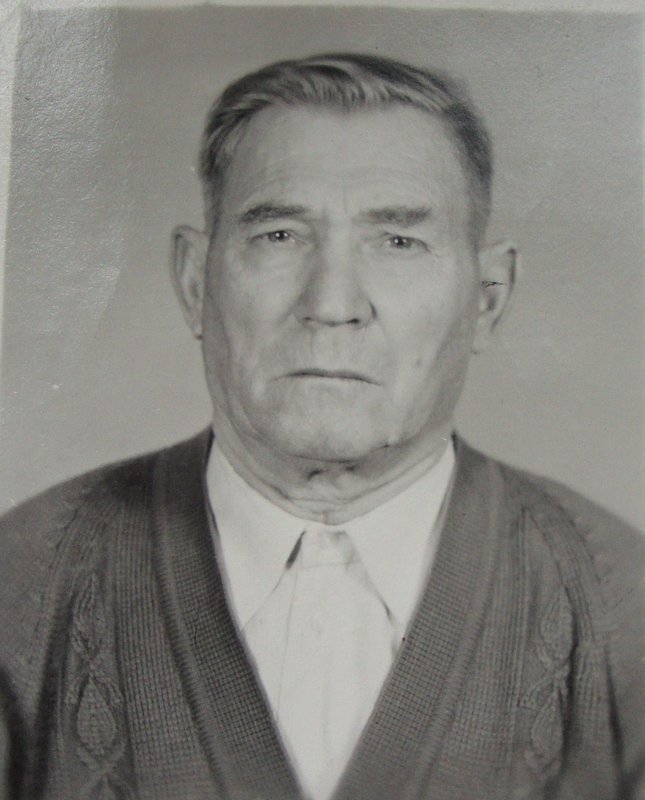
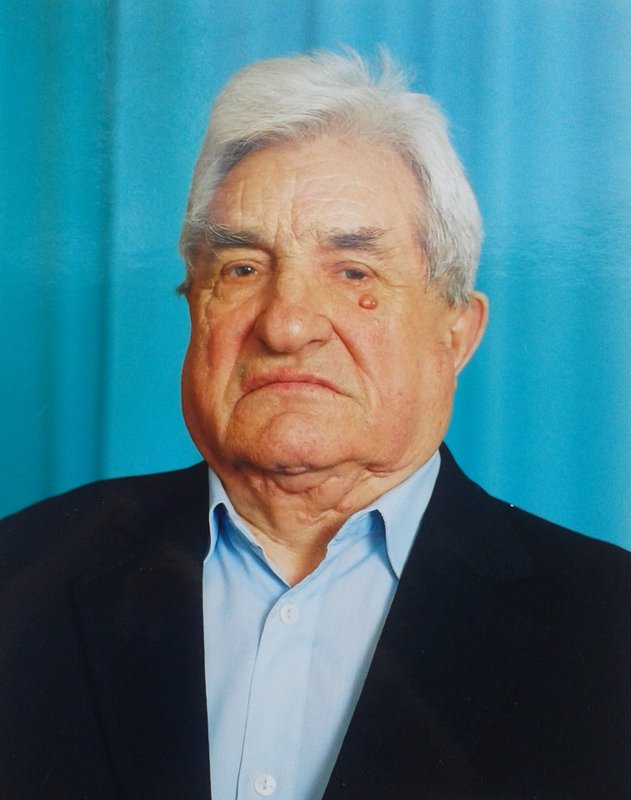
Pustynnikov Stepan Mikhailovich
Pustynnikov Stepan Mikhailovich was born on June 26, 1923 in the village of Sof'ino, Mainsky District, Ulyanovsk Region. After graduating from Primary School, he could not continue his education, since it was necessary to help the family. In those hard years, he didn't have to think about education. After school he worked in a kolkhoz. _x000D_
“I performed various types of job in the kolkhoz. He grazed the cows, made hay, and learned to be a carpenter. . Then he mastered the profession of a tractor driver, got behind the wheel of a tractor. _x000D_
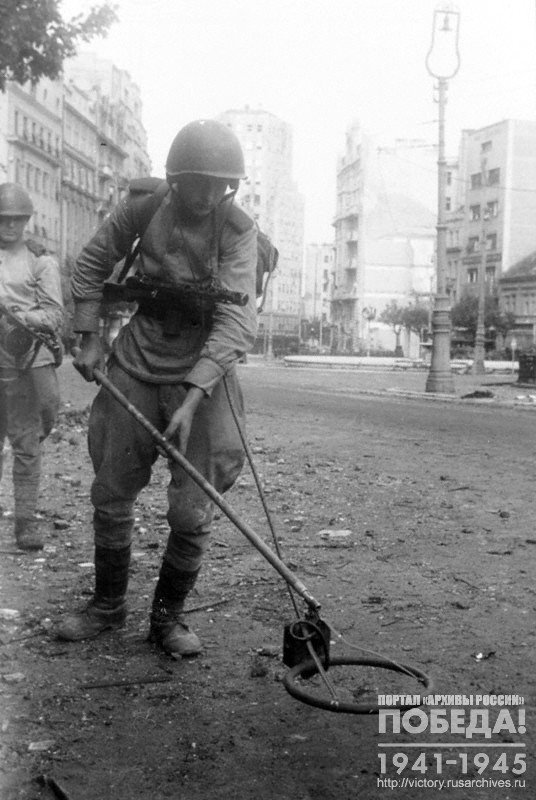
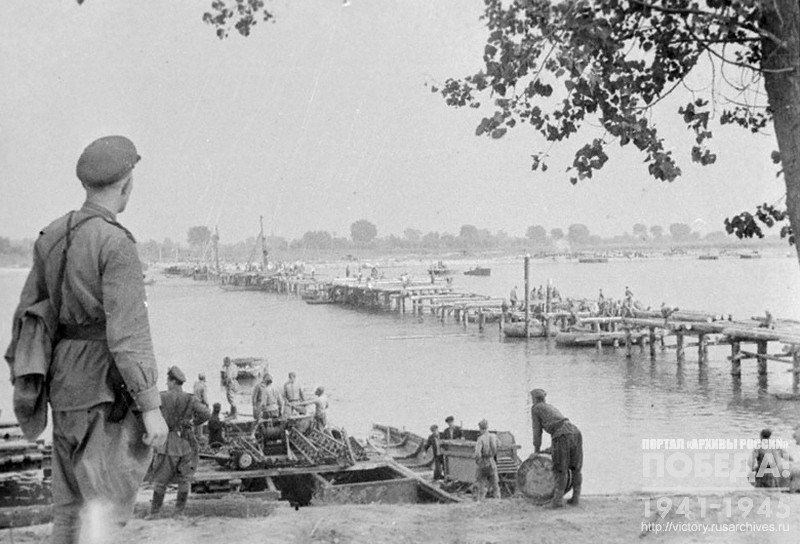
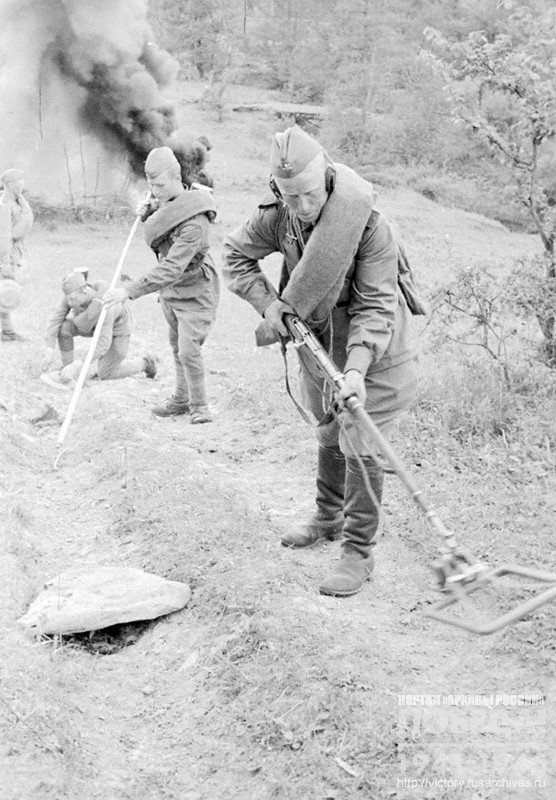
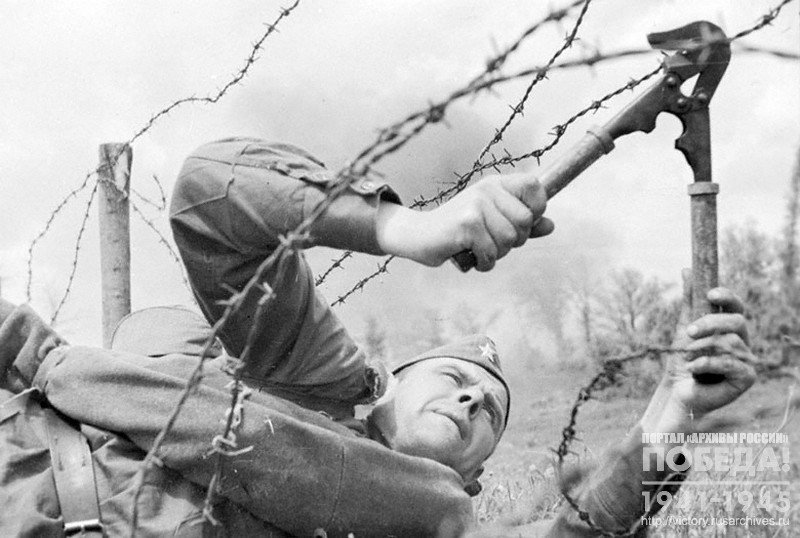
Stepan recalls: “Although it was a hard time, but interesting and fun, we were young. We worked hard, with enthusiasm, believed that we would build a just society. Our faith and our dreams were thwarted by the war, which interrupted the course of peaceful life.” In 1941, Stepan was not called up to the front, since he was only 17 years old, and he continued to work in the kolkhoz. In 1942 he was drafted to the front from his native village Sofyino. He fought on the 2nd Ukrainian Front under the command of Konev, military specialty was Sapper. In 1943 he took part in the battle for the Dnieper, was wounded. For 7 months he was treated in a hospital in the city of Bobrov, Voronezh Region. After treatment, he continued to fight the Nazis. _x000D_
He took part in the Budapest operation. On December 8, 1944, battles began for the liberation of the capital of Hungary, and only on February 13, 1945, the city was liberated as a result of bloody combats. He liberated Czechoslovakia, took part in the Prague operation, which was commanded by Malinovsky. _x000D_
Prague was liberated on May 9, 1945, on the same day in Berlin the Act of Unconditional Surrender of Germany was signed. It so happened that he celebrated Victory in the city of Prague. Remembering this day, Stepan Mikhailovich is worried: “It's no joke, because we were all waiting for victory, many of my comrades died for it. Hearing this good news, we both believed and did not believe, and wept and laughed. For 1418 long days and nights we forged Victory, sewed a shroud for fascism. On Victory Day, we dreamed of returning home to our loved ones. We remembered our fallen comrades. We asked ourselves the question: ”Why did my friend die, and not me?”