Plotnikov, Anatoly Vasilievich
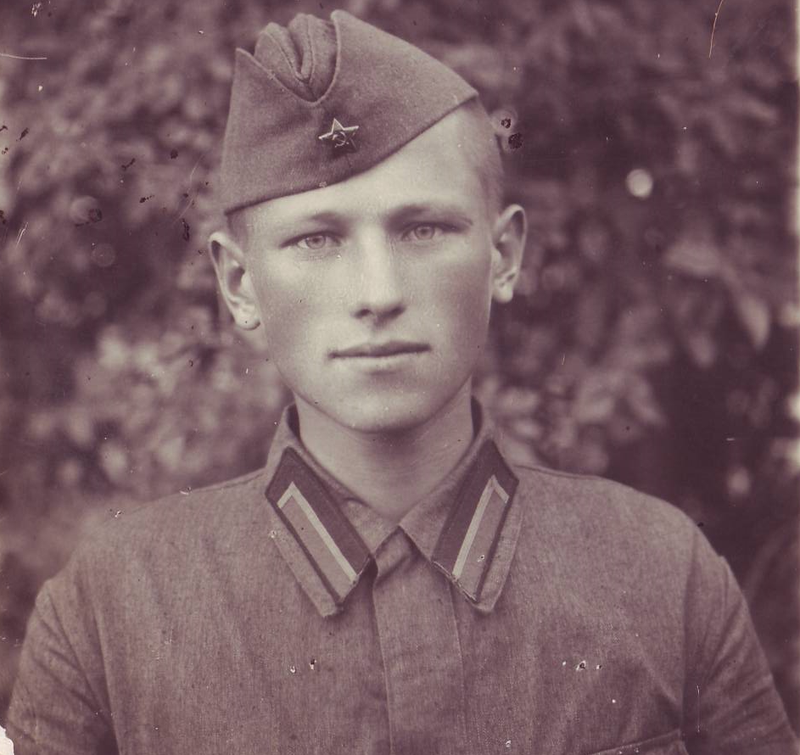
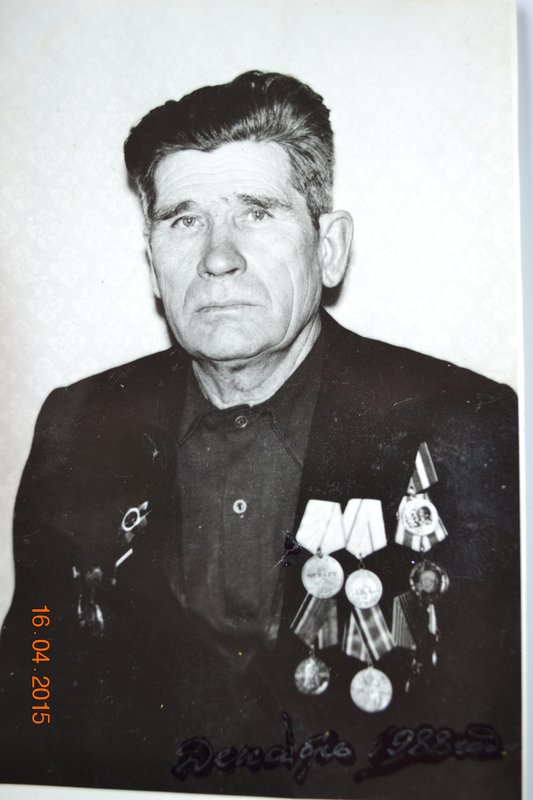
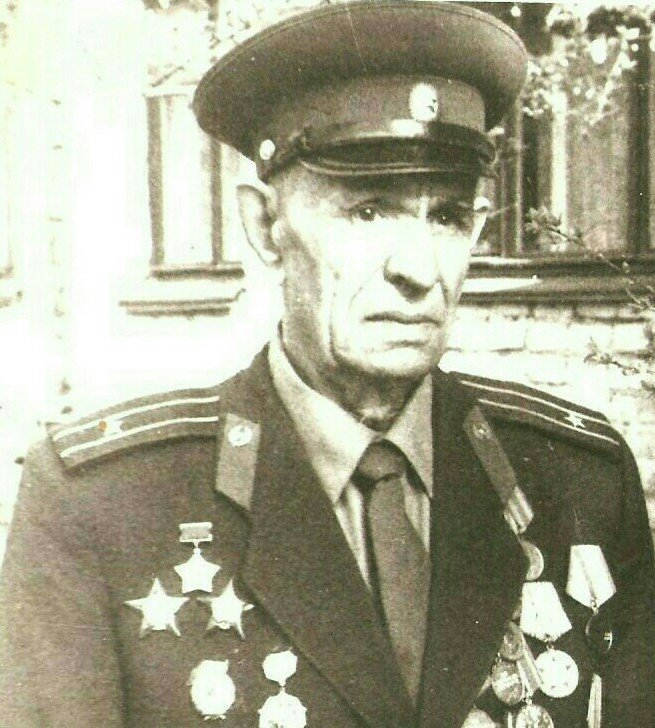
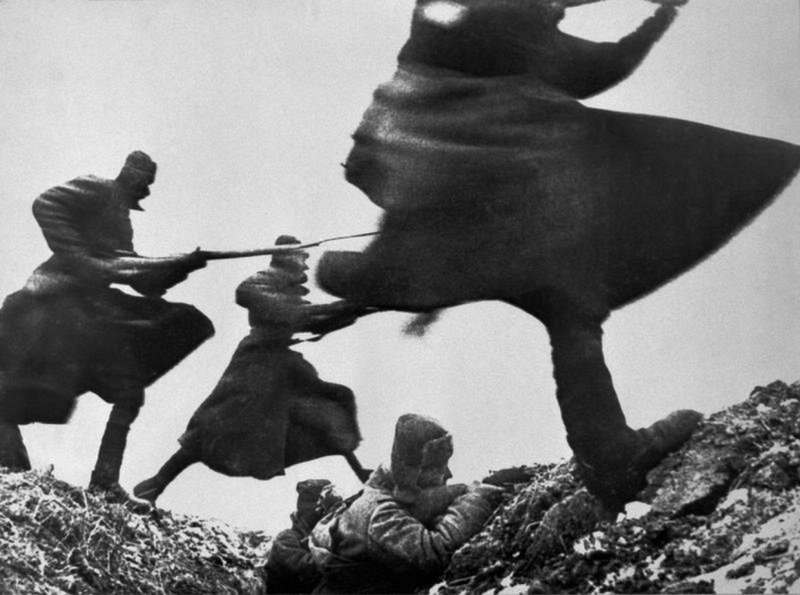
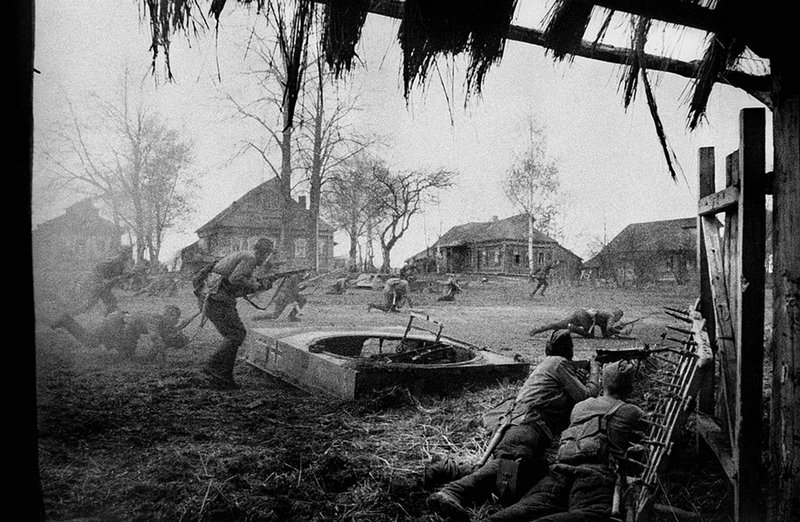
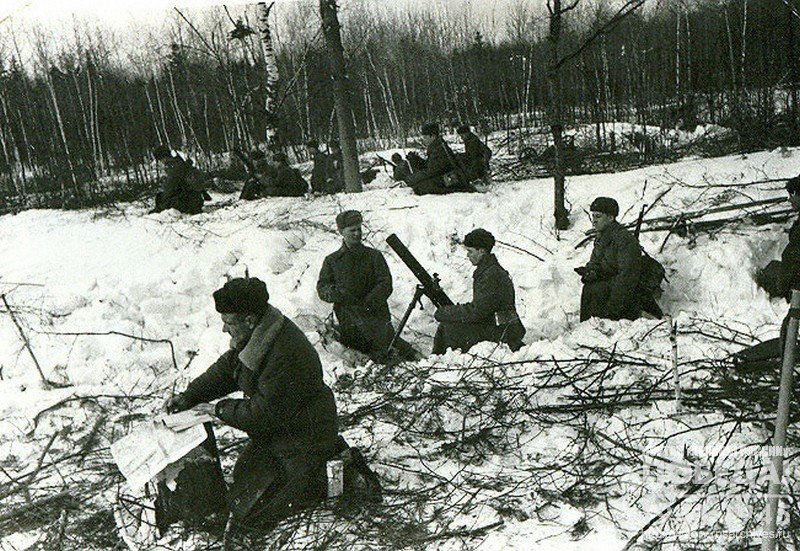
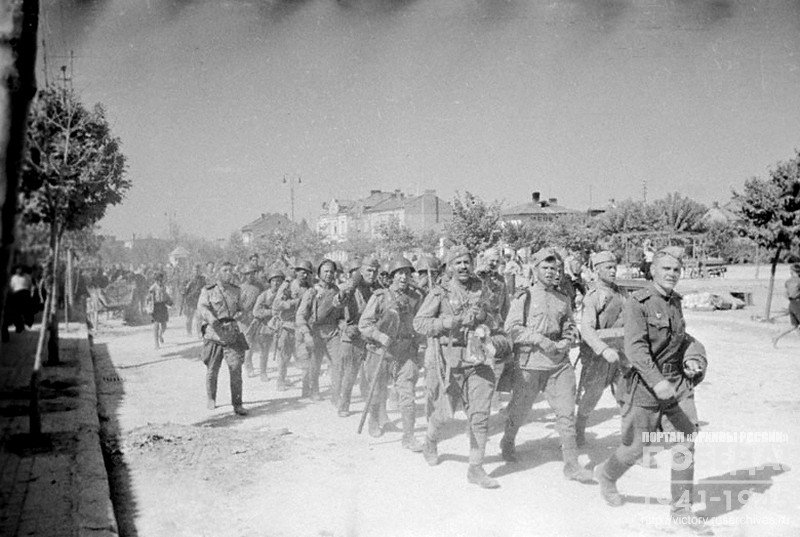
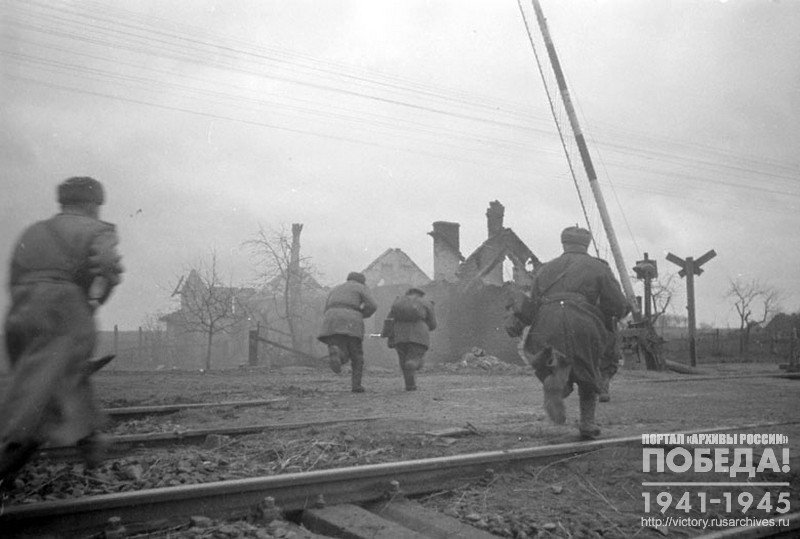
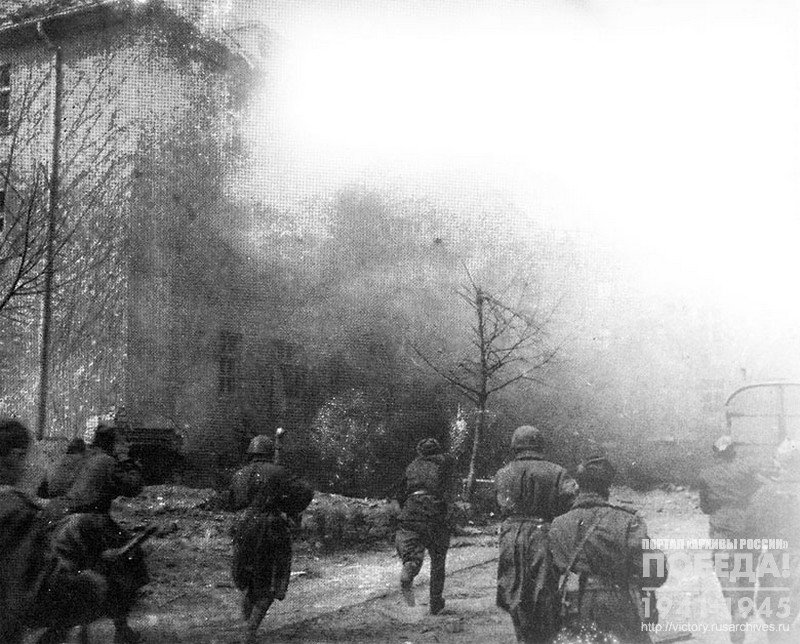
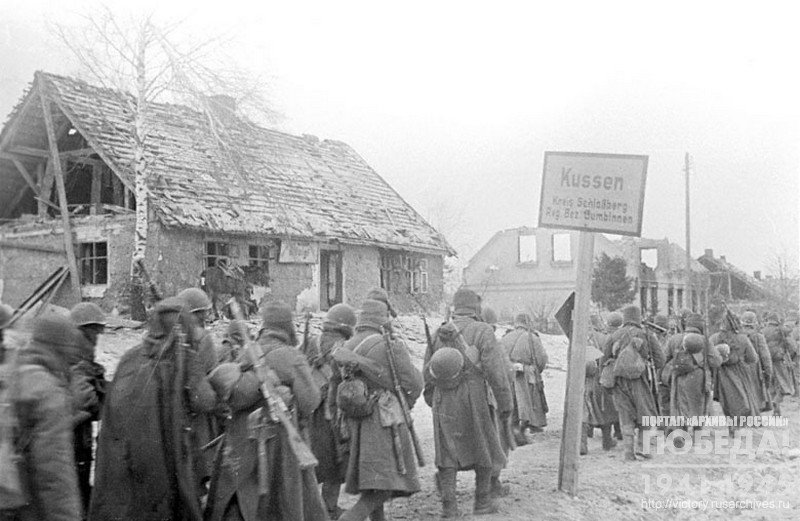
Plotnikov Anatoly Vasilievich, was born in 1924. At the beginning of the Second World War, he studied at the School of FZU (Vocational School for workers). At that time he already had a complete education, which in those years was a rarity for people from the countryside. At the beginning of the war, he had a an exemption from military service, and he had not yet come out of age. The patriotism of that generation was such that, together with a friend, he fled to the war at the age of 17. He had not reached Berlin, in 1944 he was badly wounded. A shell exploded nearby, shrapnel hit his arm, his head and also shattered the kneecap. Doctors decided to leave the splinter out of head, it then overgrown with a capsule. So he lived with this capsule, but when the pressure rose, there were severe pains from the splinter. He never complained, he knew how to endure. He passed away in 1997 with a splinter in his head. In the war he was a Sergeant, the Commander of the anti-tank squad. He knocked out German tanks. There are many awards, orders, medals, including “For Courage”. _x000D_
He did not wear medals on his chest, only medal ribbons. The only time he put his medals was for a photo. He did not like to talk about the war. Many people died in front of him in the infantry. _x000D_
Once he mentioned that a German sniper took off his friend when he leaned out of the trench a little. He had never been drinking People's Commissars 100 grams of vodka before the attack even once during the whole war, he had never smoked. He was demobilized as a disabled person to his native village. _x000D_
He had built the big house where I grew up. He worked in kolkhoz, then in sovkhoz, at a radio center, was a housekeeping manager at school. _x000D_
As I remember now, he did not know how to relax, he was constantly doing something. He was a Jack of All Trades._x000D_
All the men of the village came to him to have their hair cut. He sewed clothes, was handy with a needle, played Russian harmonica, button accordion, dancing by his feet. _x000D_
The Russian harmonica was made at the Ganinsky Harmonic Factory personally by his order, it is still kept in our family. Holidays, weddings in the village could not do without him. The parents had a large farm, my mother, (now she is 91) was a feldsher and midwife in the local hospital. Parents worked from sun to sun, lived rather well-to-do. They kept all kinds of cattle, bees, even once there was a horse. My father was very fond of horses, knew how to ride. Somehow I won a bet in a horse-race. At that time, all kolkhozes had their own horses and stables, and very few tractors after the war. He loved to talk about horses, and I shared this love for horses later. _x000D_
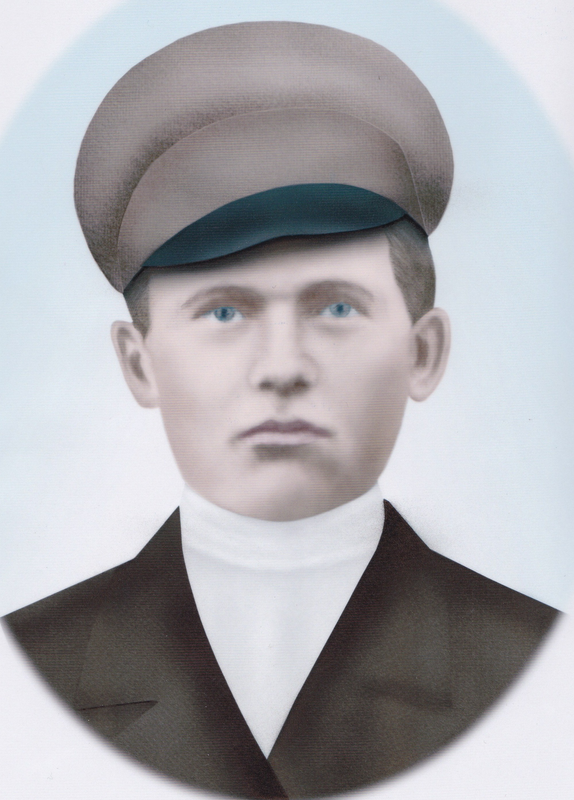
In addition, he also made unique wagons and sleighs for winter for the horses with his own hands. This was taught by his father, my grandfather. My grandfather went through the First World War, lost one eye there and received the St. George's Cross. _x000D_
The people of that time period were pure and unique. _x000D_
Thinking about my father, I can't help but tell about my mother. At the beginning of the war, she was already 18 years old. As she said, everything went for the front, people were starving in the villages. There were six of them in the family, one brother went missing in the war. They ate grass, potato peelings, but nevertheless, only mother from the family received a medical education. It was worthy a military order. My mother has dozens of letters and eternal gratitude from fellow villagers. _x000D_
In 1996, my parents celebrated a golden wedding, my dad lived for another year. He knew he was passing away. _x000D_
I realized that my father had passed away into a new state where there was no place for earthly suffering. And there is no need to be sad about him, only a fond memory. Bright eternal memory to all the soldiers who died in that war, who left early as a result of wounds.