Polunin Nikolay Fedorovich
Polunin Nikolay Fedorovich_x000D_
_x000D_
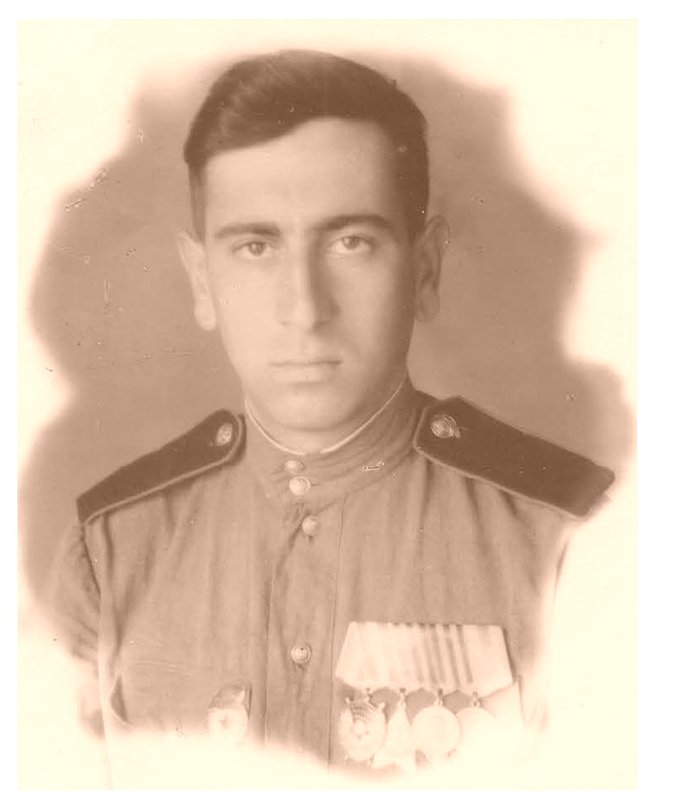
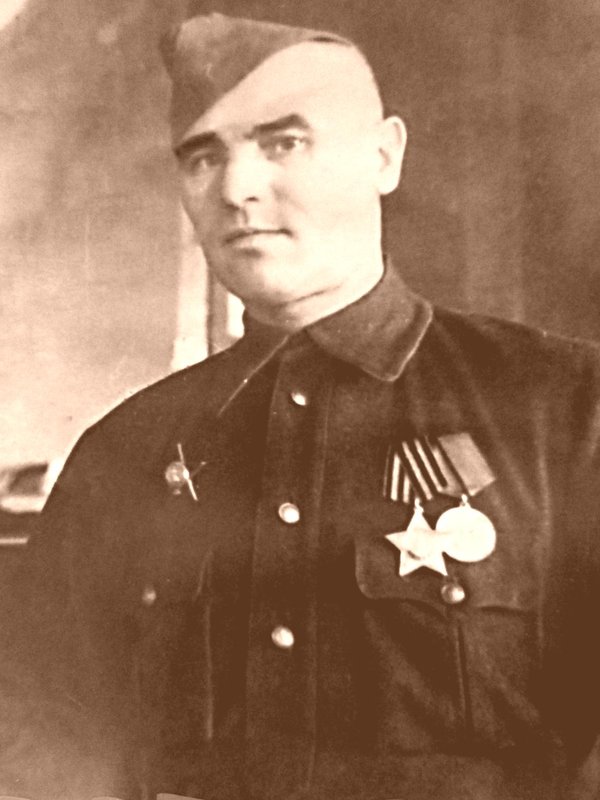
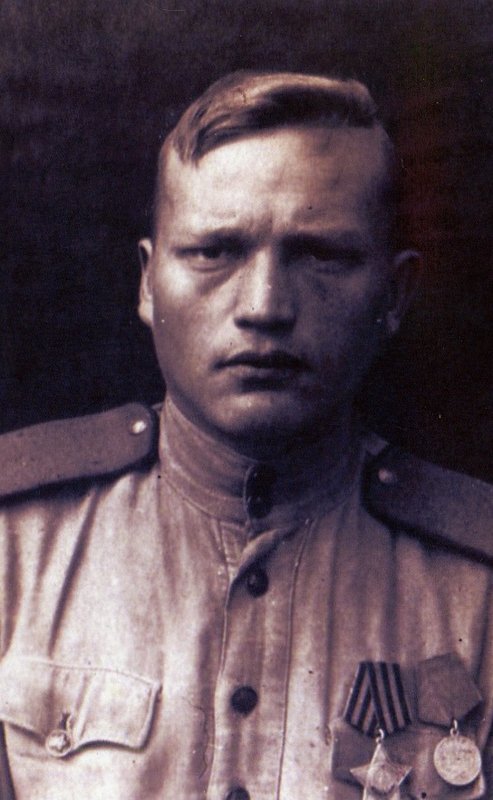
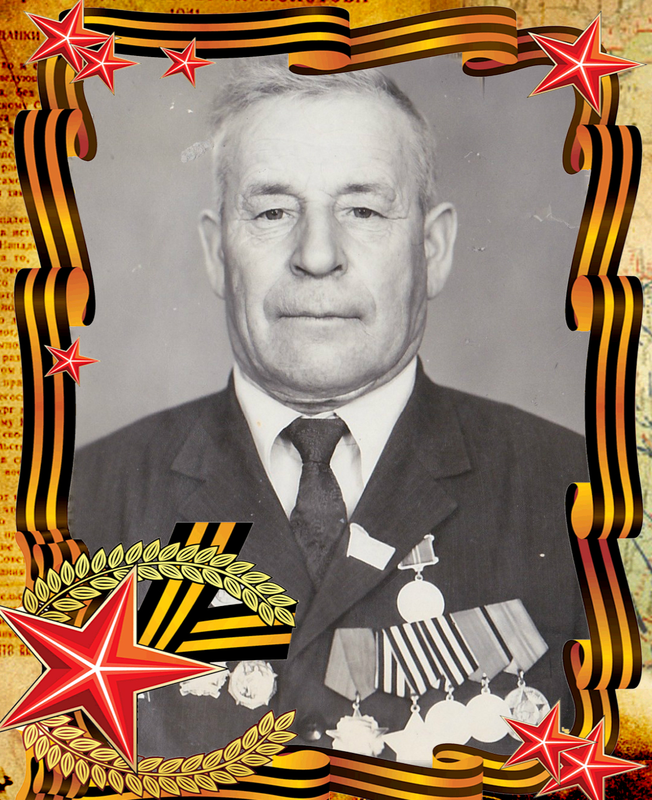
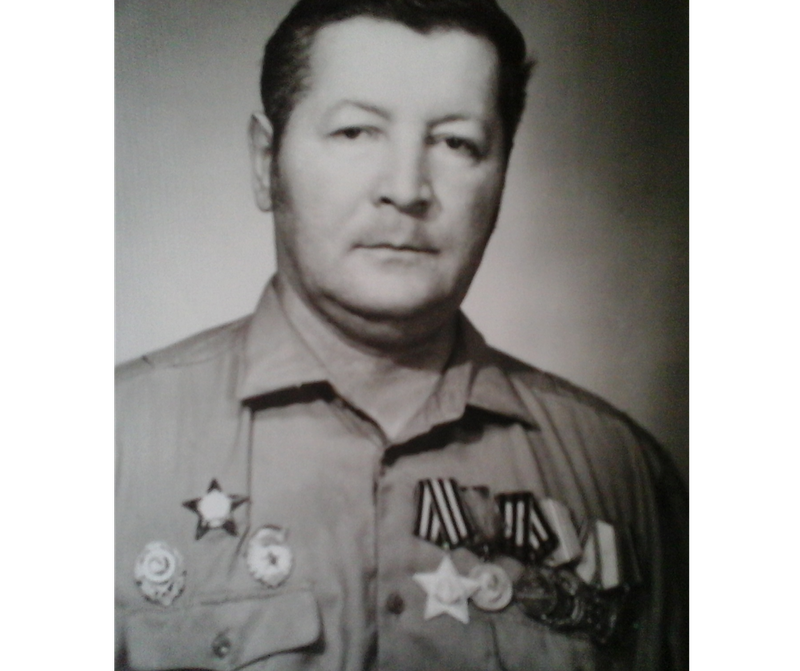
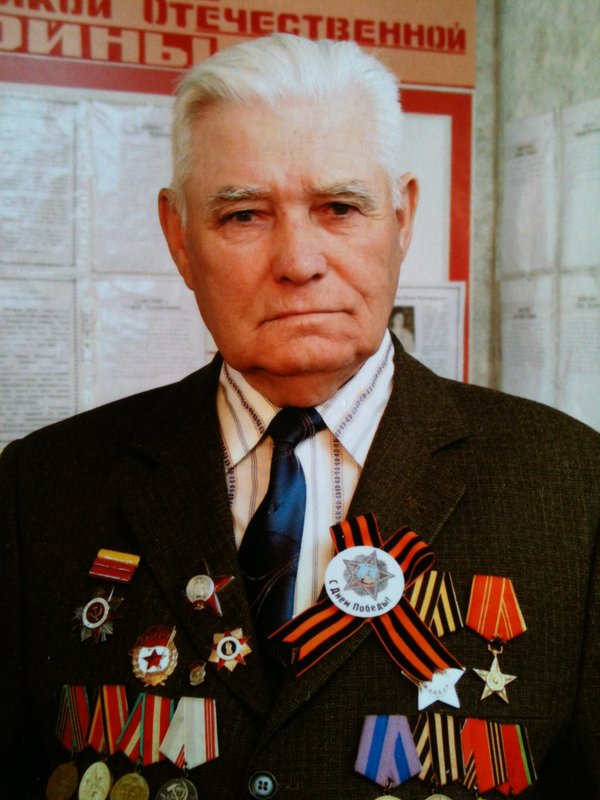
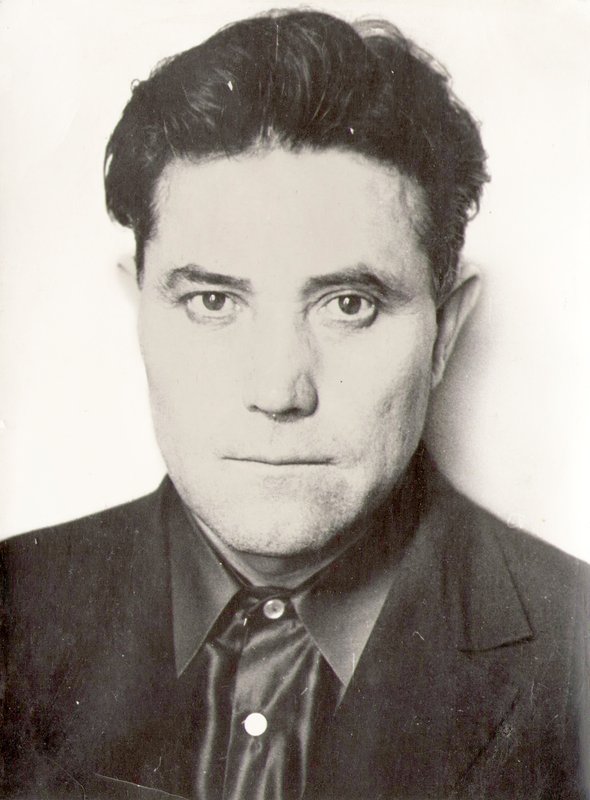
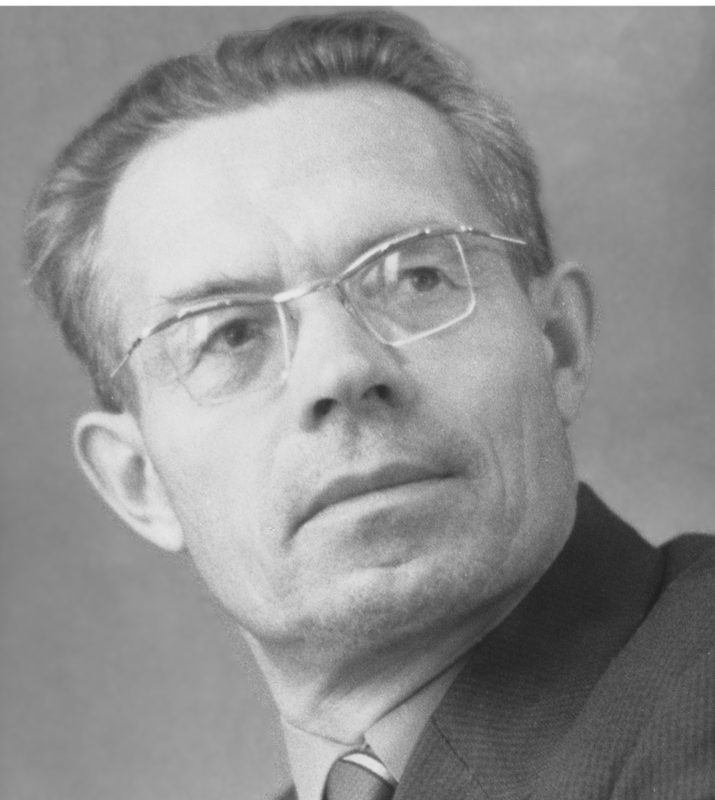
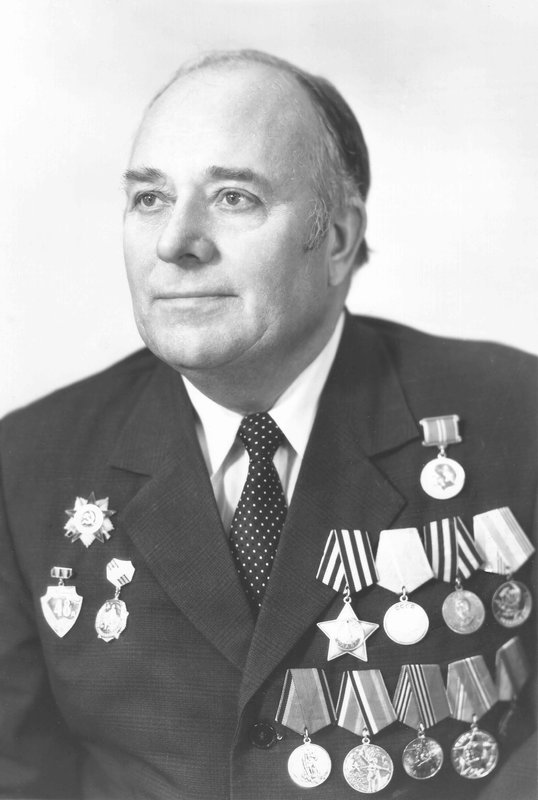
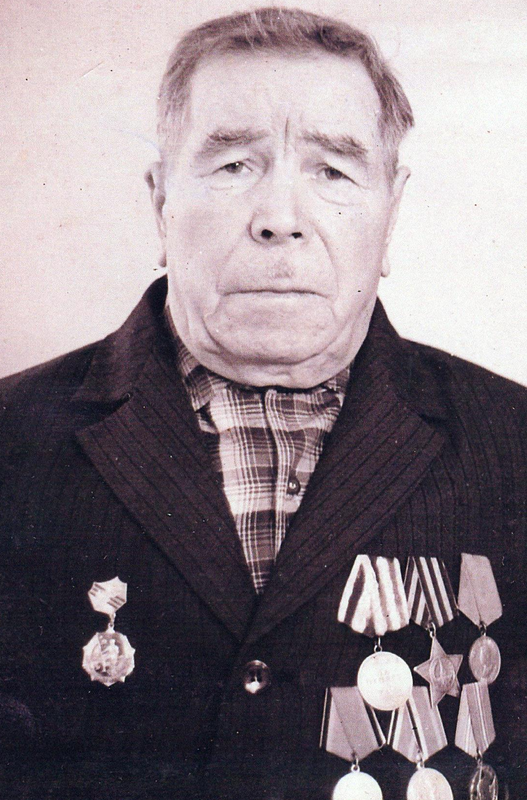
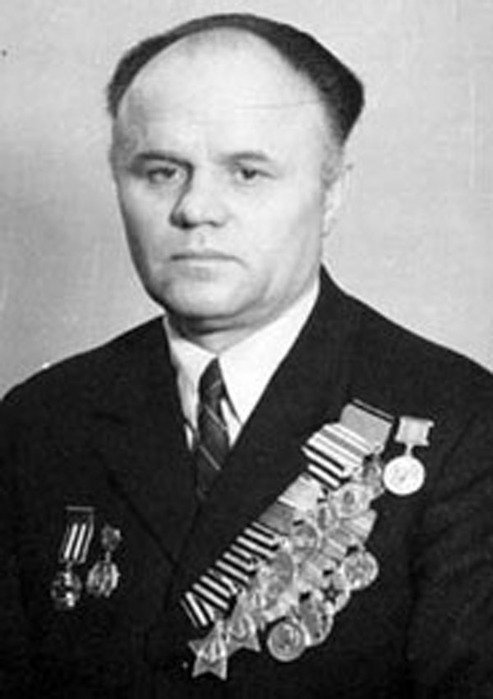
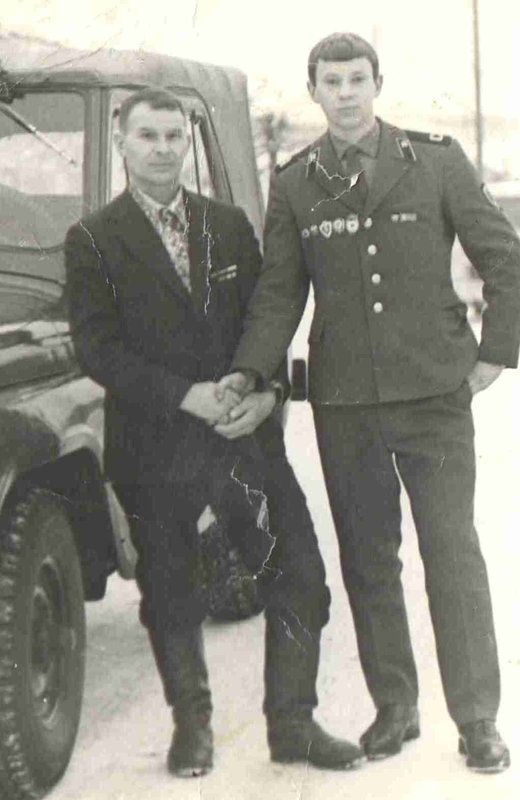
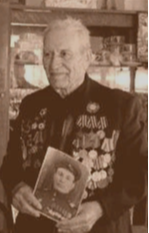
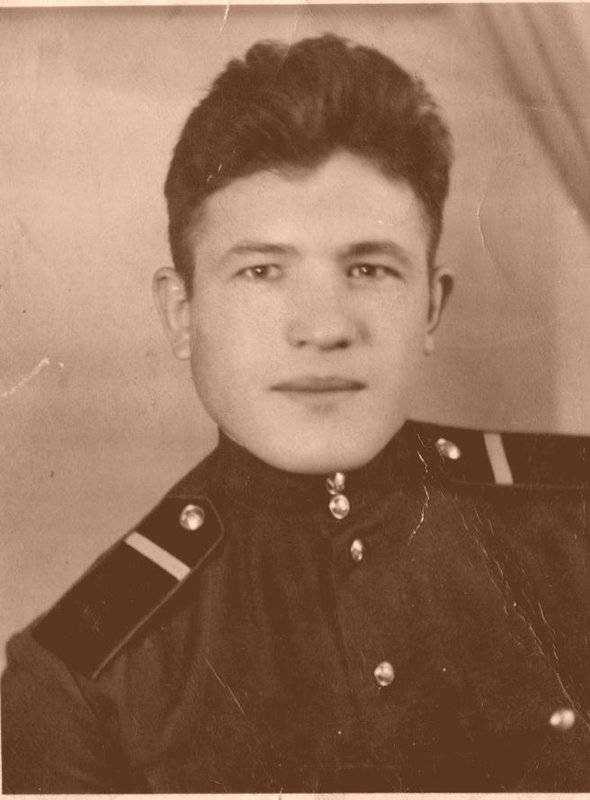
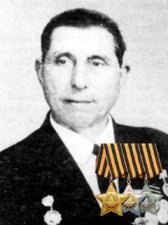
Full name: Polunin Nikolay Fedorovich last NAME: Polunin FIRST name: Nikolay PATRONYMIC: Fedorovich CITY: Kaluga region, Ferzikovsky district, Lotorevo village date of BIRTH: 15.12.1920 DATE of DEATH: 23.08.1972 HISTORY: Title: Senior Sergeant branch: Armored and mechanized forces Nikolay Fedorovich Polunin Nicholas F. Polunin was born on 15 December 1920 in the village Lotareva Ferzikovo district of Kaluga region at the source of the river sukhodrev. After school, he graduated from the Guryevsky technical school of the dairy industry and worked as a technician-technologist in the Ivanovo region, then studied at the Sormovo school of radio operators. He was drafted into the Army in September 1941, and from February to may 1942 he was a cadet at the Sormovo military school of radio operators. Since June 1942-in the active army. He participated in the battles on the Western and South-Western fronts as a signalman of the 727th fighter-anti-tank artillery regiment of the 10th tank corps. He was twice wounded, the second was seriously wounded in the battle of the Kursk bulge near Belgorod on August 5, 1943. After being treated in hospital No. 5359 until February 1944, he was demobilized as a disabled person of the great Patriotic War. He was awarded the order of Glory of the III degree, medals "for the victory over Germany in the great Patriotic war of 1941-1945", "20 years of Victory in the great Patriotic war of 1941-1945" and other medals. After demobilization he worked as a teacher of military Affairs in the seven-year school of the village Solonovo Ferzikovo district of Kaluga region in 1950, graduated from the geographical faculty of the Moscow pedagogical Institute (diploma No. 661805). Then he worked as a geography teacher and Director of various rural schools in the villages of Maloyaroslavetsky district: Muratovo, Nikolo-Dol, Pobeda, Prudki, Dubrovka, head of the Detchinsky RONO (in 1951-1955, when the district was Detchinsky). Awarded the badge "excellent student of public education". Nikolay Fyodorovich spent most of his post-war life in the village of Detchino in the Maloyaroslavetsky district of the Kaluga region. From 1965 until the end of his days, he taught geography and history at the Detchinsky state farm-technical school (now the Governor's agricultural College). Together with the participants of the historical circle, studying their native land, he organized a Museum and worked to find the names of those war soldiers who were buried in the mass grave of the village of Detchino. In 1956, he began writing poetry. Published in various Newspapers and magazines, was a freelance correspondent. Small books of his poems were published: "Field path" (Kaluga book publishing house, 1960)," Proselki "(Prioksky book publishing house, Tula, 1964)," On the highway "(Prioksky book publishing house, Tula, 1968)," When quails do not sleep " (Prioksky book publishing house, Tula, 1973, after death). Selections of poems in the collective literary collections: "Literary Kaluga" (Publishing house of the newspaper "the Banner", 1957), "Heart sings" (published by "Soviet Russia," 1958), "Kaluga" (Kaluga publishing house, 1959), Sputnik (Kaluga publishing house, 1960), "We are a new build" (Publishing house "Soviet Russia", 1961), "Satire, humor, poetry" (published by "Soviet Russia", 1963), "Countrymen" (Kaluga publishing house, 1963). Publications in collective poetry collections: "what the people of the Fatherland sing about" (publishing house "Soviet Russia", 1968)," On the banks of the Oka "(Prioksky book publishing house, Tula, 1971)," Hinterland "(in the collective poetry collection" relay "— publishing house" Soviet Russia", 1971). As well as posthumous publications in collective collections: "and I am a particle of this force" (Prioksky book publishing house, Tula, 1975)," We walked the roads of war "(Tula, 1985), " Where metal burned and melted... Poetry of Victory "(RSPL publishing house, Kaluga, 2003). In 1962, he wrote the poem "the Battle for Russia". Polunin did a lot of social work-he was a member of the society "Knowledge", in the Society for the protection of historical and cultural monuments. At the end of his life, he was accepted into the Union of writers of the USSR. On August 23, 1972 (St. Lawrence of Kaluga memorial day), death interrupted work on the war story (now gradually published on http://www.proza.ru/avtor/nfpolunin [ http://www.proza.ru/avtor/nfpolunin ] ). God gave Nikolay Fedorovich the ability to vividly and figuratively, with great love, describe the unique beauty of his native nature, the life of ordinary Russian people, peasant labor, military exploits of soldiers, and briefly and concisely Express deep human feelings and experiences. A special place in the poet's work is occupied by military themes. He loved life very much! Reading the war poems of Nikolay Polunin, it is impossible not to notice his deepest hatred for war — for the "murder of humanity" - as he put it in the poem"the Battle for Russia". It was written for the 150th anniversary of the Patriotic war of 1812, but it is clear that the poet put into it his own pain, his experiences as a soldier of the great Patriotic war... Although God's Providence determined Nikolay Fyodorovich to live, fight, work and create poetry in the era of "state atheism", in his real actions the Russian Orthodox soul was clearly manifested, filled with kindness, sincere Christian love for his neighbors, the ability to empathize with people in their sorrows and joys, to feel the inner world of people subtly, to generously forgive their mistakes and mistakes, to courageously defend the Motherland, up to the readiness to " lay down15: 13). All these good Christian qualities of Nikolay Fyodorovich were clearly manifested in his poetic work. "All Polunin's poems are written in a single stylistic manner. They are smooth, melodic... Even in small, insignificant, at first glance, poems, a joyful art is born that makes you fall in love with life" - this is how friendly critics evaluated the works of Nikolay Polunin. And the official obituary of the group of writers ends with these words: "...And wrote poetry. He did not invent them, did not compose them. They were born in his soul when he walked through his native fields and woods, talked with farmers, thought about the fate of those who plow the land, feed and clothe the country… The lines of his poems warm the soul, help in work. They will remain in memory for a long time" ("Literary Russia" from 30.08.1972) on August 19, 1998 (on the feast of the Transfiguration of the Lord) in memory of N. F. Polunin, one of the new streets of the village of Detchino is named after him. In 2016, the daughter and grandson of Nikolay Fyodorovich Polunin created a page of his poems on the site http://www.stihi.ru/avtor/nfpolunin [ http://www.stihi.ru/avtor/nfpolunin ] and prose on the site http://www.proza.ru/avtor/nfpolunin [ http://www.proza.ru/avtor/nfpolunin ] . Documentary "N. F. Polunin-poet, soldier, citizen": https://yadi.sk/i/QtuiYkkn3NNWhN [ https://yadi.sk/i/QtuiYkkn3NNWhNhttps://youtu.be/VPzLxrNjLB4 ] https://youtu.be/VPzLxrNjLB4 [ https://yadi.sk/i/QtuiYkkn3NNWhNhttps://youtu.be/VPzLxrNjLB4 ]