Vasilkov Nikolay Ivanovich
Vasilkov Nikolay Ivanovich_x000D_
_x000D_
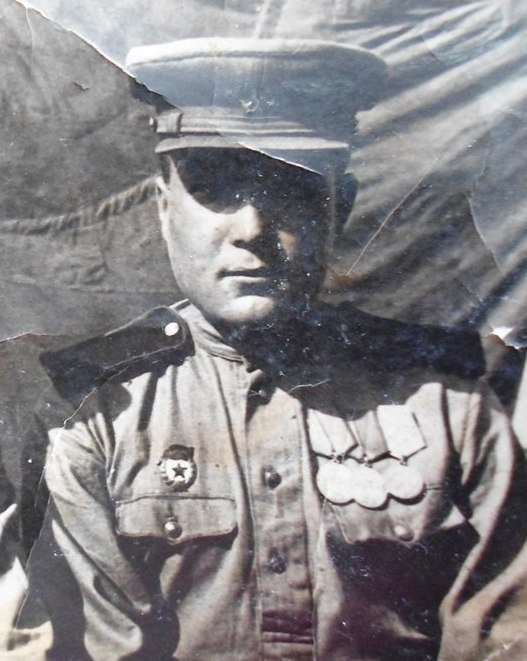
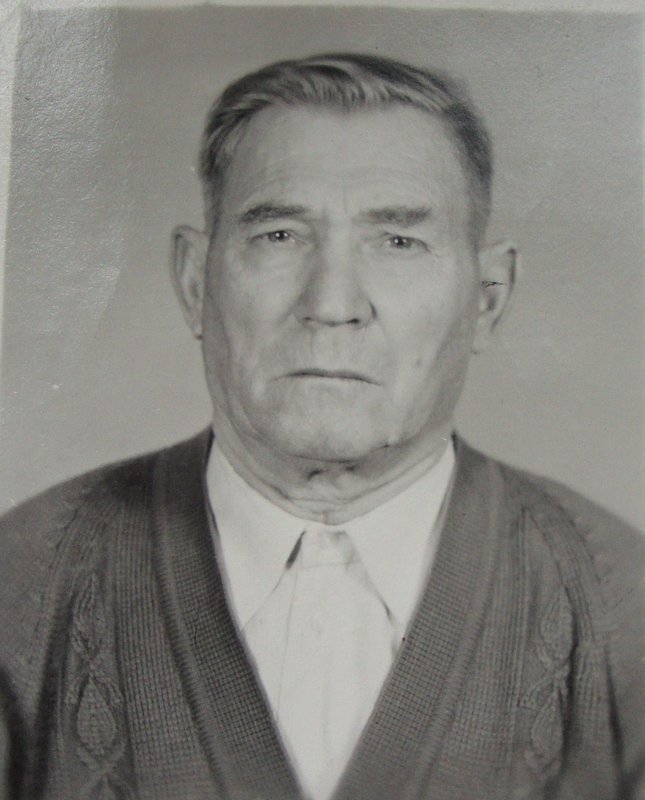
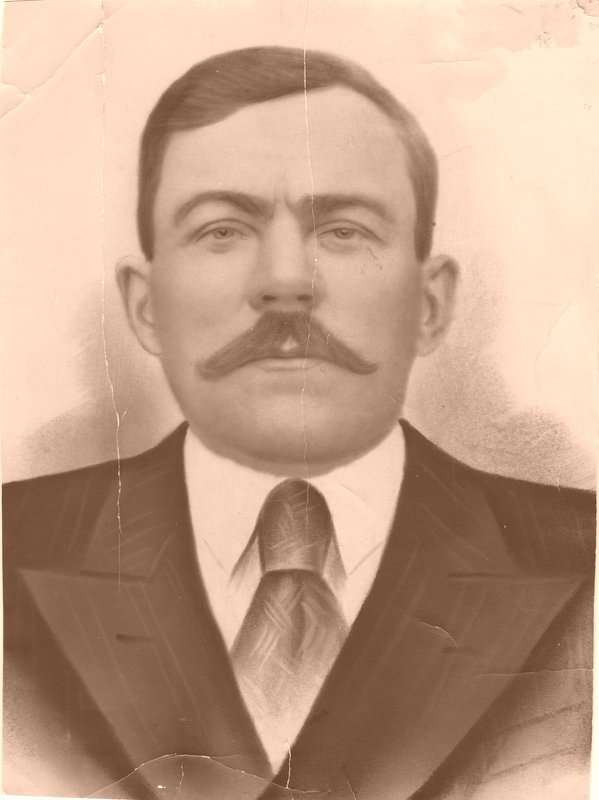
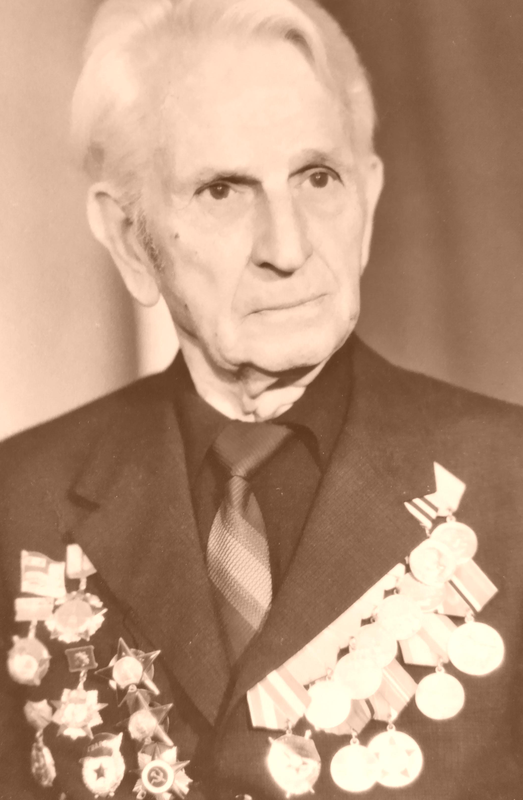
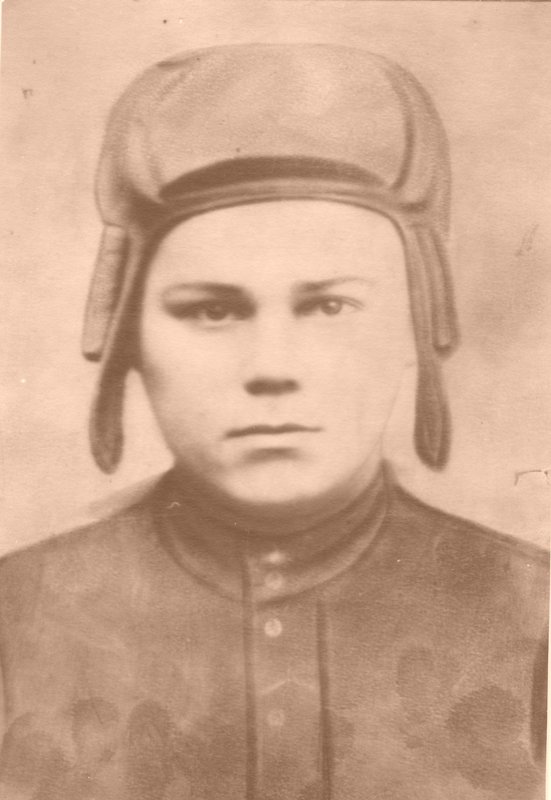
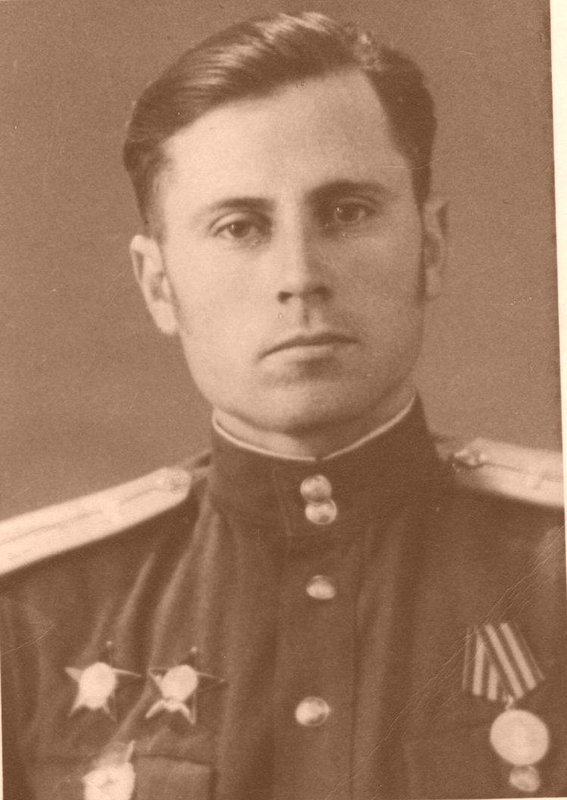
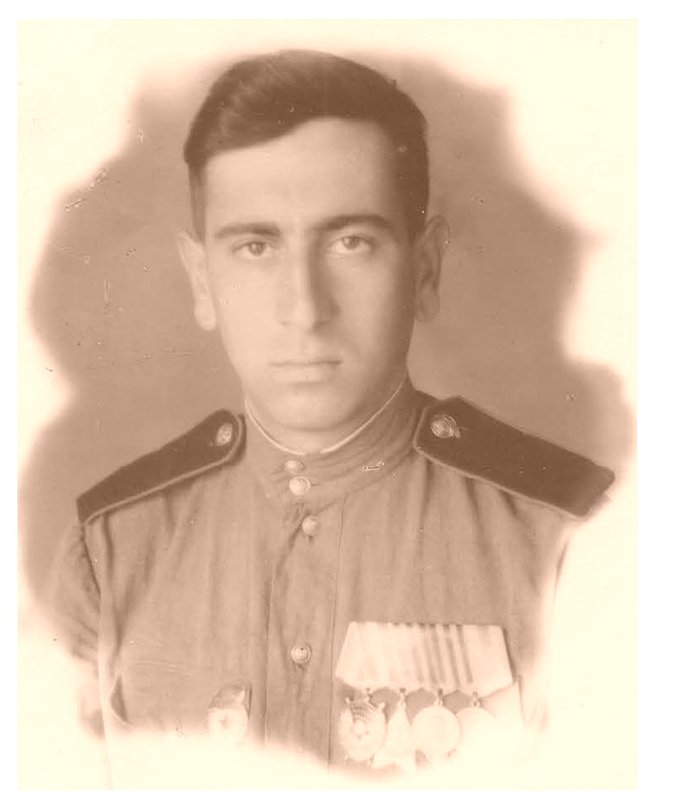
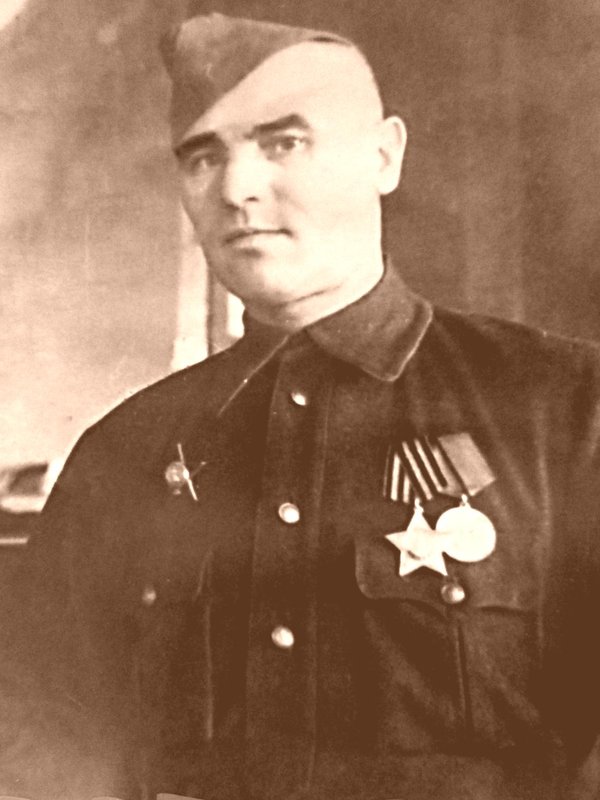
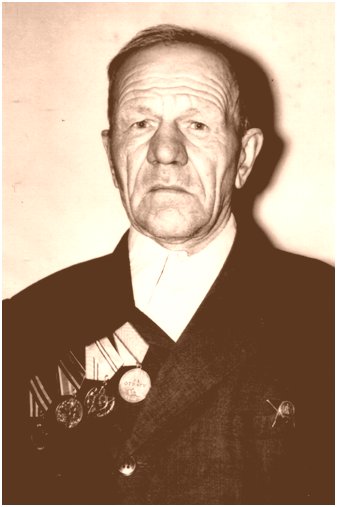
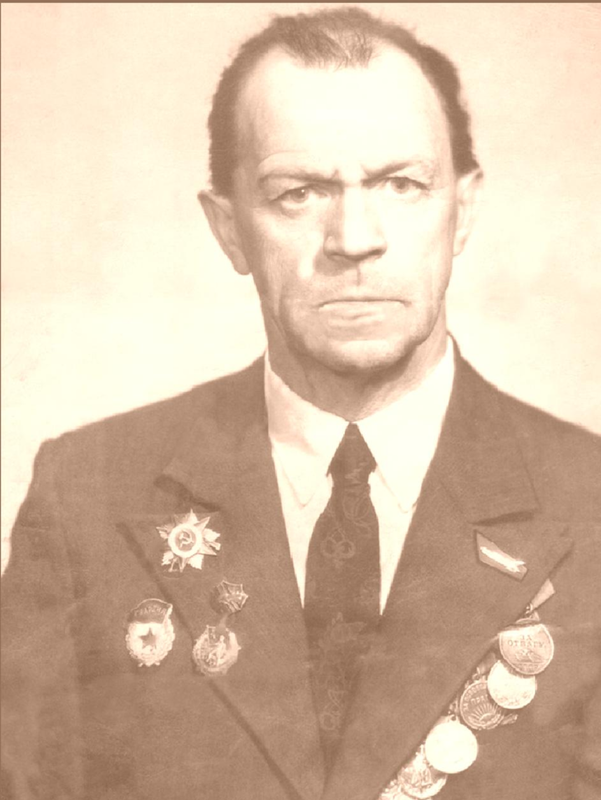
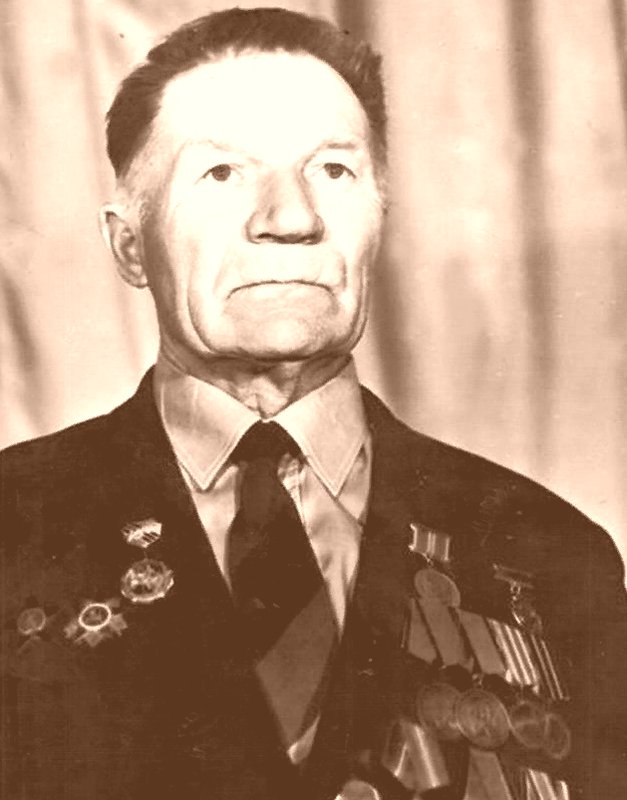
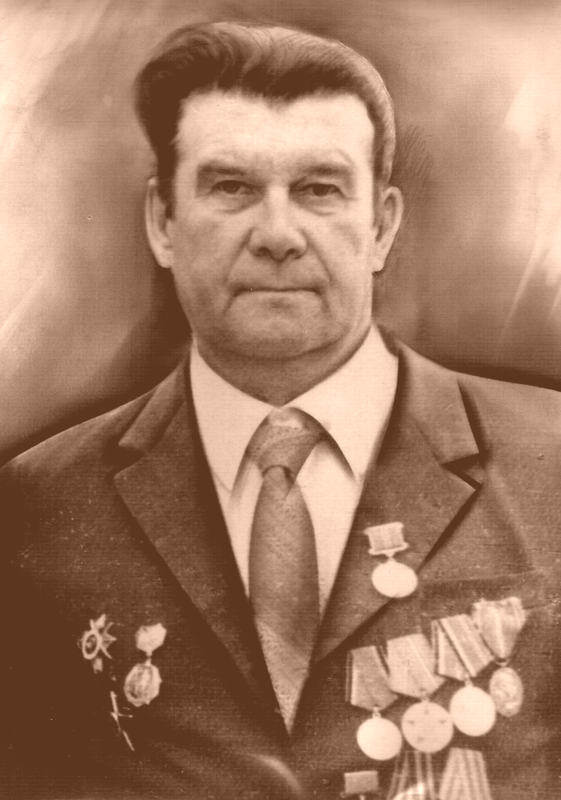
Vasilkov Nikolay Ivanovich 14.03.1918 G. – 15.05.1994. He was participant of the great Patriotic war. Nikolay Ivanovich Vasilkov was born on March 14, 1918 in village of Okatie, Puchezhskiy district of the Ivanovo region. He graduated from the 4th grade of the Segota school in 1929. He worked as a shoemaker on a collective farm, then as a carpenter. On August 2, 1938, he was called up for active military service by the Puchezhsky district military Commissariat of the Ivanovo region. He served in the 71st regiment of the NKVD as an anti-aircraft gunner in the far East. At this time, he participated in the 1939 Finnish war. He retired in December 1940. Got Married. Wife-Smirnova (Vasilkova) Zinaida Ivanovna, born in 1919. On June 23, 1941, he was called up for mobilization by the Puchezh RVC. On June 29, 1941, he took the military oath under the 227th rifle regiment. Participated in battles in the great Patriotic war from June 1941 to May 1945: 227 rifle regiment-Rifleman-June 1941-January 1942 254 rifle regiment-scout-January 1942-August 1942 518 rifle regiment-gunner (gunner) - August 1942-May 1944 154 rifle regiment-Deputy.120 mm mortar commander-May 1944-March 1946 1040 rifle regiment - Deputy commander of the mortar - March 1946 - May 1946 Military rank-Junior Sergeant. In wartime, he was twice seriously wounded: in1942-a severe wound to both legs, in March 1944-a severe wound to the head, concussion. After treatment in the hospital in Ivanovo (the hospital was located in the building of the energy Institute), he returned to the front. From the memoirs: "there Was heavy fighting in the area of Bila Tserkva. In a valley near the forest, our platoon was stationed with its Shrikes (this is what we called our 45 mm guns). The Germans dug in and fired hard. We suffered losses. At that time, I was a scout for the artillery regiment. Our group (6 people) was ordered to conduct a quiet reconnaissance of the area, learn about the weapons of the German unit located there and capture the "tongue". In the evening, we went exploring. It was a little scary. Every now and then rockets flashed, gunfire came from both sides, and the Germans were also awake. We were lucky, we carried out the order, even capturing a German officer. But while crossing the front line, one of us hooked a wire with a camouflage suit. The shooting started. I was the last one to crawl, covering my comrades. I was wounded in both legs, but I crawled to our trenches. The "tongue" was all right. When I returned from the mission, I was sent to the hospital. After the treatment, I returned to my intelligence unit. For the implementation of this order, our group was awarded with medals "For courage", including me. The information obtained by our group turned out to be very valuable. The next day, a large number of German vehicles were destroyed. The German offensive was stopped." "In March 1944, our regiment was transferred to one of the bridgeheads near Konigsberg. The Germans did not want to surrender this city and allow Soviet troops to enter Poland. We were ordered to drive the Germans out of this bridgehead at any cost. Our squad, along with other artillery calculations, hit this bridgehead for several hours. German tanks and infantry strongly resisted. We didn't even have time for a short break. Smoke, fire, explosions, gunfire, volleys of guns and shouts all around. In this battle, a shell-bearer was killed, many were wounded, and I was severely wounded in the head and badly concussed. Many soldiers and officers were awarded for this battle. I received the order of the red Star. He was treated in a hospital in Ivanovo. Here I learned that our troops, our regiment, had dislodged the Germans from this bridgehead. In May, I returned to the ranks again, first to my own regiment, and then transferred to another as Deputy commander of a 120 mm mortar. Our regiment was already in Poland, approaching the Oder river, the border with Germany. Berlin was more than 70 km away. But had to fight for a long two years" Fought on the Central front in 1941, on the 1st Ukrainian in 1942, on the Leningrad front in 1944, in May 1945, the 1040th regiment was sent to the far East for the war with Japan. On May 10, 1946, he was dismissed from the army with the rank of Sergeant and temporarily declared unfit for service. I returned to my native village as a disabled person of the first group. Awarded government awards: Order of the red Star order of the Patriotic war Medal " for bravery "commemorative medals:" 20 years of Victory"," 30 years of Victory"," 40 years of Victory"," 50 years of Victory"," 60 years of Victory", "for the victory over Germany". After the war, he worked At the Leninsky put collective farm. Raised three sons and a daughter. Their sons, Anatoly, Konstantin, and Viktor, grew up to be worthy and respected people. All of them served in the Soviet Army. His great-grandson, Pyotr Vasilkov, graduated from the Kaliningrad higher military school and became a professional soldier. Nikolay Ivanovich Vasilkov died on May 15, 1994. (Memories of the father of the son of V. N. Vasilkov).