Back to
album
album
Volokhova Nina Andreyevna
Volokhova Nina Andreyevna_x000D_
_x000D_
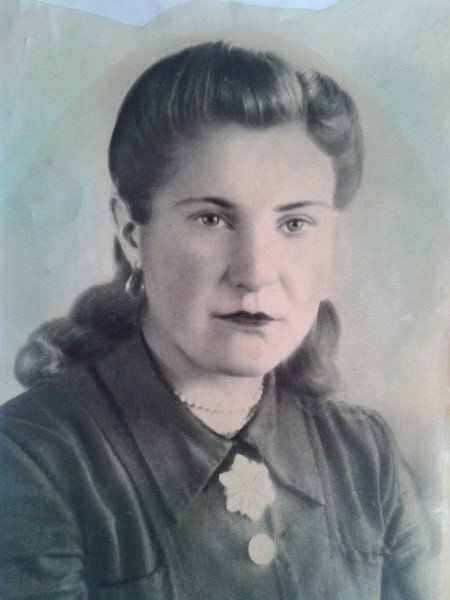
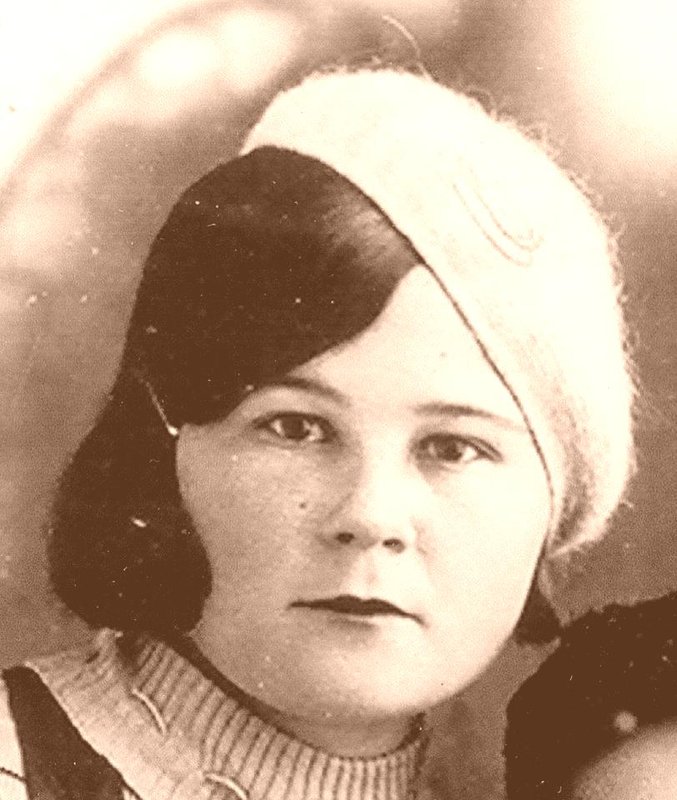
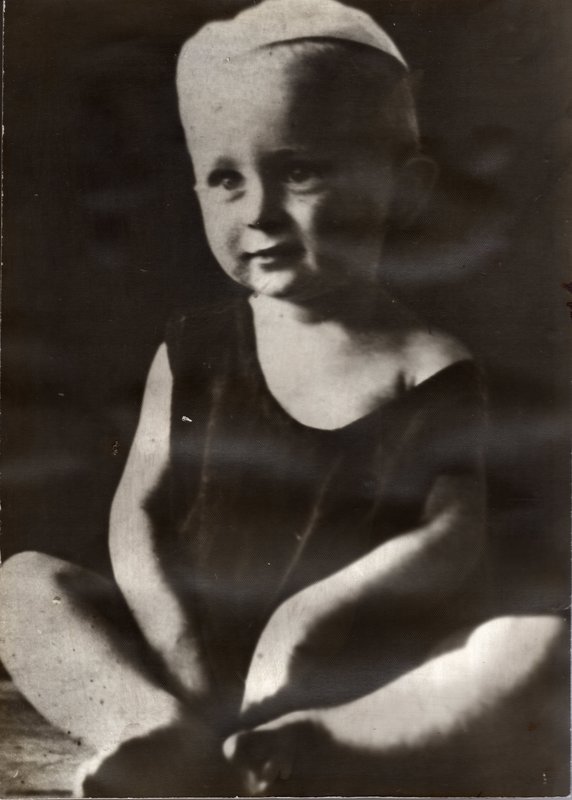
My grandmother Volokhova (Aleynikova) Nina Andreyevna was born on July 9, 1924 in the village of Simontovka in the Mglinsky district of the Bryansk region. Her father died before her grandmother was even born. My grandmother's mother, Fekla, did not marry for a long time. However, the parents of the deceased husband insisted on marriage, and the grandmother's mother married Sergey Denisenko , a young, handsome, educated miner and Baptist priest. After a while, four more girls and a boy were born in the new family, so it was decided to send little Nina to a neighboring village to be raised by her own grandparents, the parents of her own father. Grandfather and Baba, themselves being uneducated, did not particularly follow the fact that little Nina went to school, especially not particularly followed her progress and behavior. So Nina eventually dropped out of school, which was four kilometers away through the woods, finishing only four classes, and spent all her free time on her own. This course of events could not suit her stepfather-an intelligent, well-read, respected man. By the way, Nina's grandfather and grandmother did not want to hear about her parents taking her home, so my little grandmother's parents had to literally steal her away. The stepfather accepted Nina as his own child. I spent a lot of time studying the school curriculum with her, almost re-teaching her to read and write. Gradually, life returned to its former course, the grandmother began to go to school again, the younger sisters and brother grew up in a young family, and even the grandfather and the woman accepted the fact that Nina returned to her parents. However, evil fate did not want to leave the young family alone, and a black cloud once again hung over the Denisenko family. The Bolshevik authorities did not like the young, educated, ambitious Baptist priest, and one warm may evening the "black funnel" appeared outside the window... the Head of the family had just returned home after a shift at the mine - hungry, tired, not even having time to wash off the coal dust that had stuck to him during the day. The NKVD officers did not even let him change his clothes or take some things, they took him away in front of his crying wife and children, saying: "Don't cry, your folder will come back." He didn't come back. It would seem that this family has had enough trials, it's time to leave it alone, but then the war began. My grandmother, as the oldest, worked with her mother on the collective farm to get food on the cards for the younger ones, which was still not enough, so everything went into the food-rotten and frozen vegetables, potato peels, everything that could be cooked and eaten. In August 1941, the village of Simontovka was occupied by the Germans and together with the occupation began the most difficult and tragic days. During the day, the Germans and local policemen who helped them worked in the village-they shot, robbed, and stole women and children to Germany. At night, they were replaced by partisans-they also robbed, taking away those products that the Germans could not find. In the summer of 1942, my grandmother, among other women and children of her village, was sent to a concentration camp in Germany. Initially, the Germans also tried to send her younger sister Dina, who was three years younger than her grandmother, but at the last moment they left Dina because they decided that her mother would not be able to feed her four small children alone. So began three terrible long years of my grandmother's captivity. The camp was called Wiltsburg, it was located in the city of Stettin, it was a transit and sorting camp. A favorite pastime of the Germans was to pour ice water on the bunks where prisoners slept, so when my grandmother was finally sent as a servant to the house of a German family after sorting, it was a kind of liberation. In a German family, my grandmother did all the housework: she worked in the garden, looked after the chickens and pigs, and looked after the children. Human memory tends to erase all bitter and hard memories, leaving only light and pleasant ones, so my grandmother could not say anything bad about this family years later. Thinking back to those terrible days, she remembered how the hostess often repeated: "Shtalin bad!". Then there are memories of how she was released in the spring of forty-five, when she and other girls like her were hiding in Berlin basements from Soviet bombing, how they were waiting for her to be finally sent Home, how they heard the salute of victory on may 9, 1945 and roared, thinking that it was war again. How they crossed the Oder river, full of corpses of Soviet and German soldiers, how they drove captured German black-and-white cows Home, how they returned to their native village, how they restored the destroyed country, hunger, labor… My grandmother lived a long and difficult life, reaching the age of 87. I hope she lived it happily.
Volokhova Nina Andreyevna
Volokhova Nina Andreyevna_x000D_
_x000D_
My grandmother Volokhova (Aleynikova) Nina Andreyevna was born on July 9, 1924 in the village of Simontovka in the Mglinsky district of the Bryansk region. Her father died before her grandmother was even born. My grandmother's mother, Fekla, did not marry for a long time. However, the parents of the deceased husband insisted on marriage, and the grandmother's mother married Sergey Denisenko , a young, handsome, educated miner and Baptist priest. After a while, four more girls and a boy were born in the new family, so it was decided to send little Nina to a neighboring village to be raised by her own grandparents, the parents of her own father. Grandfather and Baba, themselves being uneducated, did not particularly follow the fact that little Nina went to school, especially not particularly followed her progress and behavior. So Nina eventually dropped out of school, which was four kilometers away through the woods, finishing only four classes, and spent all her free time on her own. This course of events could not suit her stepfather-an intelligent, well-read, respected man. By the way, Nina's grandfather and grandmother did not want to hear about her parents taking her home, so my little grandmother's parents had to literally steal her away. The stepfather accepted Nina as his own child. I spent a lot of time studying the school curriculum with her, almost re-teaching her to read and write. Gradually, life returned to its former course, the grandmother began to go to school again, the younger sisters and brother grew up in a young family, and even the grandfather and the woman accepted the fact that Nina returned to her parents. However, evil fate did not want to leave the young family alone, and a black cloud once again hung over the Denisenko family. The Bolshevik authorities did not like the young, educated, ambitious Baptist priest, and one warm may evening the "black funnel" appeared outside the window... the Head of the family had just returned home after a shift at the mine - hungry, tired, not even having time to wash off the coal dust that had stuck to him during the day. The NKVD officers did not even let him change his clothes or take some things, they took him away in front of his crying wife and children, saying: "Don't cry, your folder will come back." He didn't come back. It would seem that this family has had enough trials, it's time to leave it alone, but then the war began. My grandmother, as the oldest, worked with her mother on the collective farm to get food on the cards for the younger ones, which was still not enough, so everything went into the food-rotten and frozen vegetables, potato peels, everything that could be cooked and eaten. In August 1941, the village of Simontovka was occupied by the Germans and together with the occupation began the most difficult and tragic days. During the day, the Germans and local policemen who helped them worked in the village-they shot, robbed, and stole women and children to Germany. At night, they were replaced by partisans-they also robbed, taking away those products that the Germans could not find. In the summer of 1942, my grandmother, among other women and children of her village, was sent to a concentration camp in Germany. Initially, the Germans also tried to send her younger sister Dina, who was three years younger than her grandmother, but at the last moment they left Dina because they decided that her mother would not be able to feed her four small children alone. So began three terrible long years of my grandmother's captivity. The camp was called Wiltsburg, it was located in the city of Stettin, it was a transit and sorting camp. A favorite pastime of the Germans was to pour ice water on the bunks where prisoners slept, so when my grandmother was finally sent as a servant to the house of a German family after sorting, it was a kind of liberation. In a German family, my grandmother did all the housework: she worked in the garden, looked after the chickens and pigs, and looked after the children. Human memory tends to erase all bitter and hard memories, leaving only light and pleasant ones, so my grandmother could not say anything bad about this family years later. Thinking back to those terrible days, she remembered how the hostess often repeated: "Shtalin bad!". Then there are memories of how she was released in the spring of forty-five, when she and other girls like her were hiding in Berlin basements from Soviet bombing, how they were waiting for her to be finally sent Home, how they heard the salute of victory on may 9, 1945 and roared, thinking that it was war again. How they crossed the Oder river, full of corpses of Soviet and German soldiers, how they drove captured German black-and-white cows Home, how they returned to their native village, how they restored the destroyed country, hunger, labor… My grandmother lived a long and difficult life, reaching the age of 87. I hope she lived it happily.
0 comment




2026 © Russian Military Historical Society Developed by Jetmix