Prozhirko, Pavel Leontievich
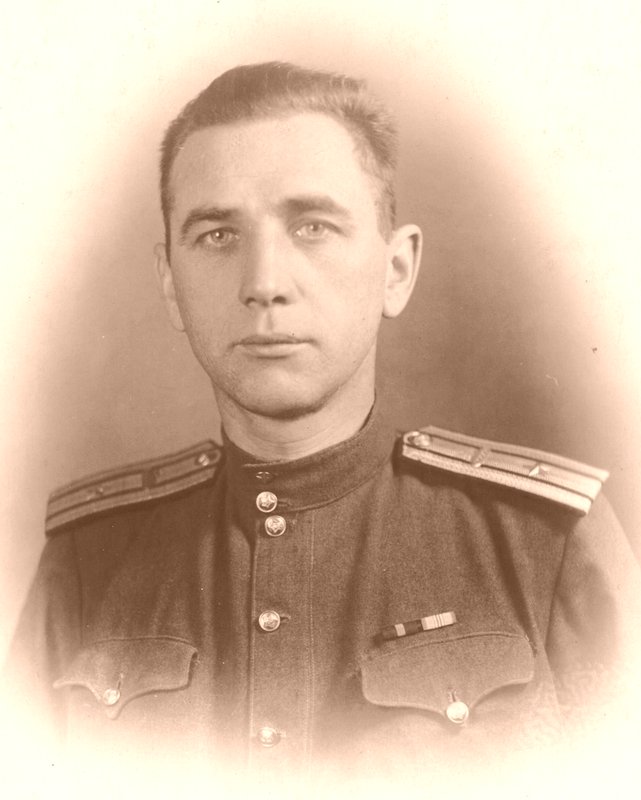
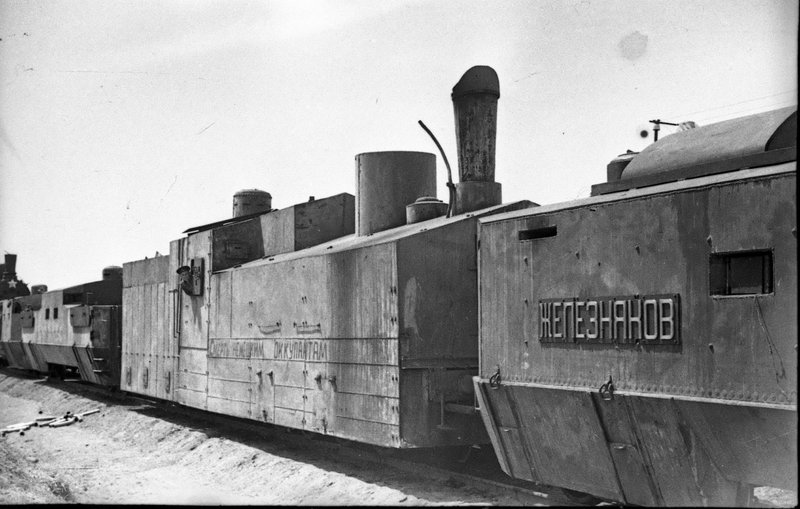
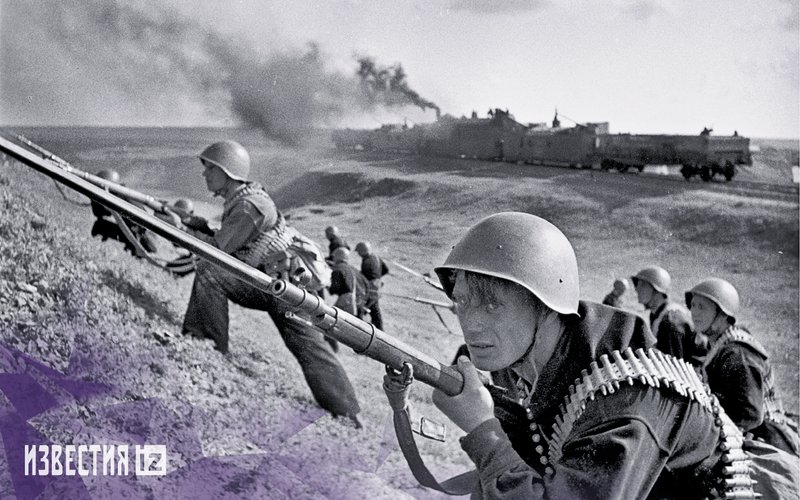
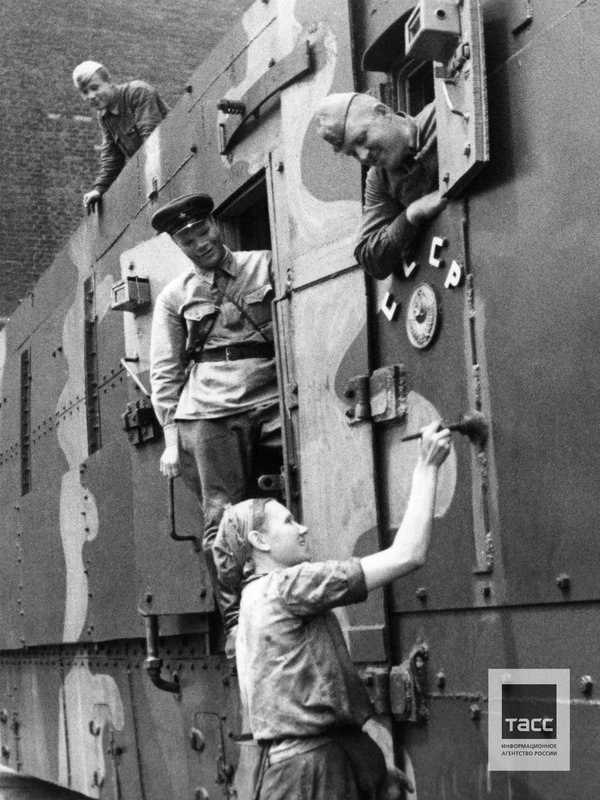
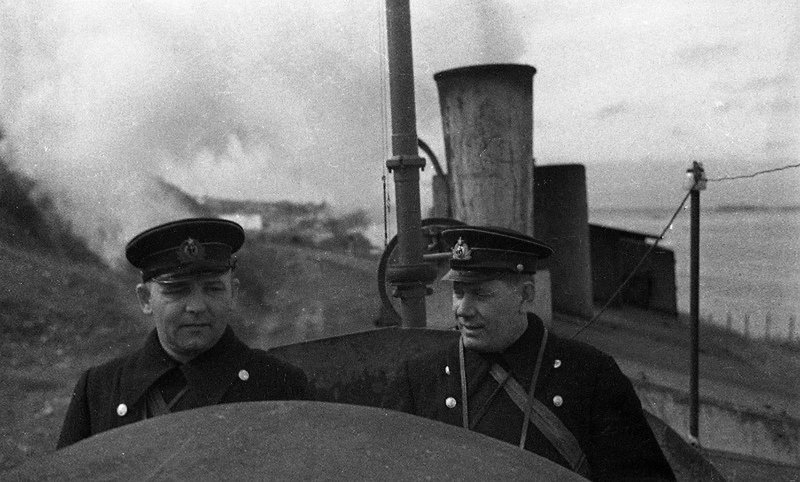
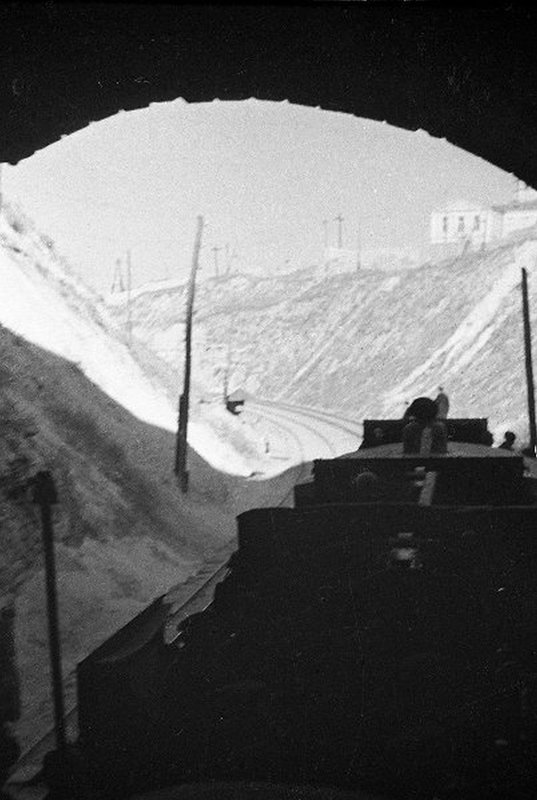
Branch of troops: Communications troops. I want to tell you about my great-grandfather (mother's grandfather). My great-grandfather, Pavel Leontyevich Prozhirko, born in 1925, left for the war in June 1941, when he was not even 16 years old (he fled secretly from home). He was returned home. But he was persistent, ran away from home again and got on a freight train that went to the West. At one of the stations in the Odessa Region, he made his way onto the platform of an armored train. He hid and fell asleep, and woke up from a terrible roar: the guns were beating. Shells exploded. _x000D_
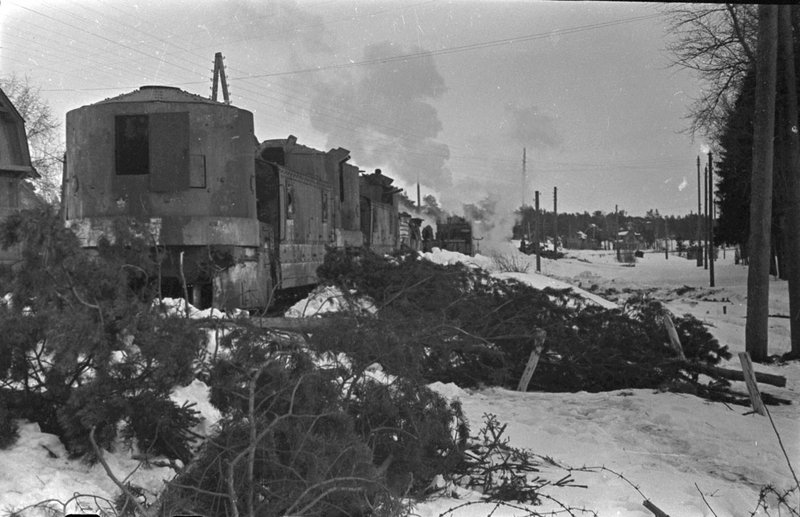
After the battle, the Red Army men examined the armored train and came across a boy. The boy said that he had no one, and begged the Commander to take him with him. So he found himself on an armored train and began to serve. In the fall, the armored train was bombed. My grandfather ended up in a battalion on a special mission: he blew up objects behind enemy lines. After several successful operations, he was enlisted in the battalion, here he took the oath and joined the Komsomol. _x000D_
Once a sabotage group of 16 people, my grandfather was among them, after completing the mission, was making its way through the front line. For a long time they could not get out of the encirclement. They took a passenger car off the Germans, but no one knew how to drive a car. Then my grandfather asked the Commander to let him drive the car, saying that his father was a driver. _x000D_
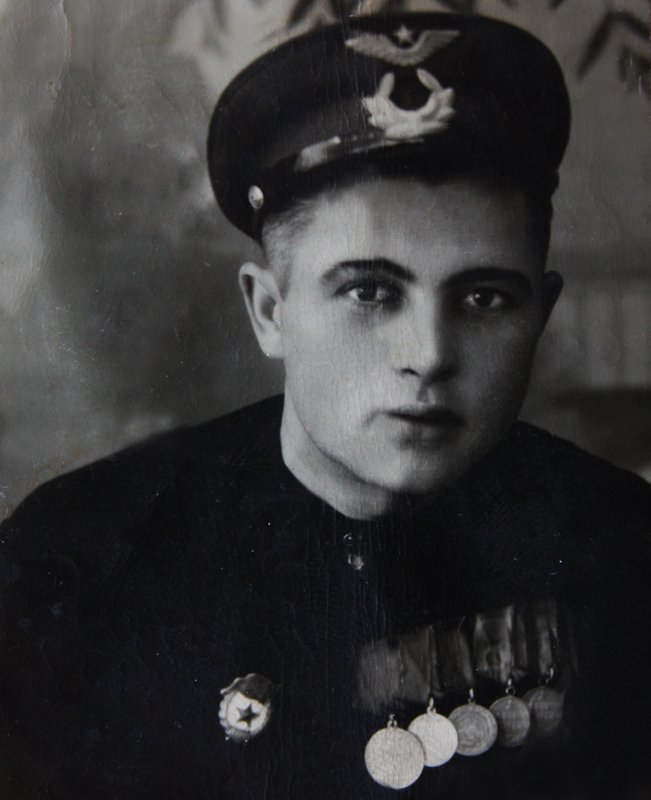
And they broke through to the Soviet troops. Under the shelling of the Nazis, my grandfather brought the car to the location of his unit. He celebrated Victory Day in Vienna. He was wounded four times. Has state awards: "For the Victory over Germany!", "For the capture of Budapest", "For the defense of the Caucasus!", "For military services", "For the capture of Vienna", "For the Liberation of Warsaw". Order of the Red Star. _x000D_
As a memory of the battles in Hungary, a silver cigarette case is kept in our family with an engraving: "To the Guards Corporal Prozhirko Pavel Leontyevich for excellent military operations to defeat the enemy's Budapest group from the Commander of the 3rd Ukrainian Front. 23, February 1945. TOLBUKHIN," _x000D_
He had reached his native village on the eve of 1946. After the war, he was a miner and electric welder. He participated in the Construction of a road bridge across the Volga, in Mostootryad No. 8. He worked at the Communications Plant, from where he retired. But even in retirement, my great-grandfather could not sit idle. He became a public traffic police inspector. What I have just written, I learned from the stories of my mother and her aunt. He often told them about the war, how scary it was. And at what cost did they get the Victory. _x000D_
The most terrible thing was listening to stories about the crossing of the Dnieper. They wrote about my great-grandfather several times in the newspapers: Regional Communist dated August 16, 1984 in an article entitled "The boy went to war ..." newspaper "Communist" (city of Engels dated April 8, 1983 in the article "Traffic police inspector" and dated February 28, 1985 in the newspaper Communist "(city of Engels) in an article entitled "Demo-man" _x000D_
These newspapers are carefully kept in our family. I am very proud of my great-grandfather. Bow to all veterans and eternal memory to those who are no longer with us. Those who at the cost of their lives gave us a peaceful life and those whom was gone after the war There are no words to express all gratitude for what they did, so that we live now.
Prozhirko, Pavel Leontievich
Branch of troops: Communications troops. I want to tell you about my great-grandfather (mother's grandfather). My great-grandfather, Pavel Leontyevich Prozhirko, born in 1925, left for the war in June 1941, when he was not even 16 years old (he fled secretly from home). He was returned home. But he was persistent, ran away from home again and got on a freight train that went to the West. At one of the stations in the Odessa Region, he made his way onto the platform of an armored train. He hid and fell asleep, and woke up from a terrible roar: the guns were beating. Shells exploded. _x000D_
After the battle, the Red Army men examined the armored train and came across a boy. The boy said that he had no one, and begged the Commander to take him with him. So he found himself on an armored train and began to serve. In the fall, the armored train was bombed. My grandfather ended up in a battalion on a special mission: he blew up objects behind enemy lines. After several successful operations, he was enlisted in the battalion, here he took the oath and joined the Komsomol. _x000D_
Once a sabotage group of 16 people, my grandfather was among them, after completing the mission, was making its way through the front line. For a long time they could not get out of the encirclement. They took a passenger car off the Germans, but no one knew how to drive a car. Then my grandfather asked the Commander to let him drive the car, saying that his father was a driver. _x000D_
And they broke through to the Soviet troops. Under the shelling of the Nazis, my grandfather brought the car to the location of his unit. He celebrated Victory Day in Vienna. He was wounded four times. Has state awards: "For the Victory over Germany!", "For the capture of Budapest", "For the defense of the Caucasus!", "For military services", "For the capture of Vienna", "For the Liberation of Warsaw". Order of the Red Star. _x000D_
As a memory of the battles in Hungary, a silver cigarette case is kept in our family with an engraving: "To the Guards Corporal Prozhirko Pavel Leontyevich for excellent military operations to defeat the enemy's Budapest group from the Commander of the 3rd Ukrainian Front. 23, February 1945. TOLBUKHIN," _x000D_
He had reached his native village on the eve of 1946. After the war, he was a miner and electric welder. He participated in the Construction of a road bridge across the Volga, in Mostootryad No. 8. He worked at the Communications Plant, from where he retired. But even in retirement, my great-grandfather could not sit idle. He became a public traffic police inspector. What I have just written, I learned from the stories of my mother and her aunt. He often told them about the war, how scary it was. And at what cost did they get the Victory. _x000D_
The most terrible thing was listening to stories about the crossing of the Dnieper. They wrote about my great-grandfather several times in the newspapers: Regional Communist dated August 16, 1984 in an article entitled "The boy went to war ..." newspaper "Communist" (city of Engels dated April 8, 1983 in the article "Traffic police inspector" and dated February 28, 1985 in the newspaper Communist "(city of Engels) in an article entitled "Demo-man" _x000D_
These newspapers are carefully kept in our family. I am very proud of my great-grandfather. Bow to all veterans and eternal memory to those who are no longer with us. Those who at the cost of their lives gave us a peaceful life and those whom was gone after the war There are no words to express all gratitude for what they did, so that we live now.
0 comment



2026 © Russian Military Historical Society Developed by Jetmix