Back to
album
album
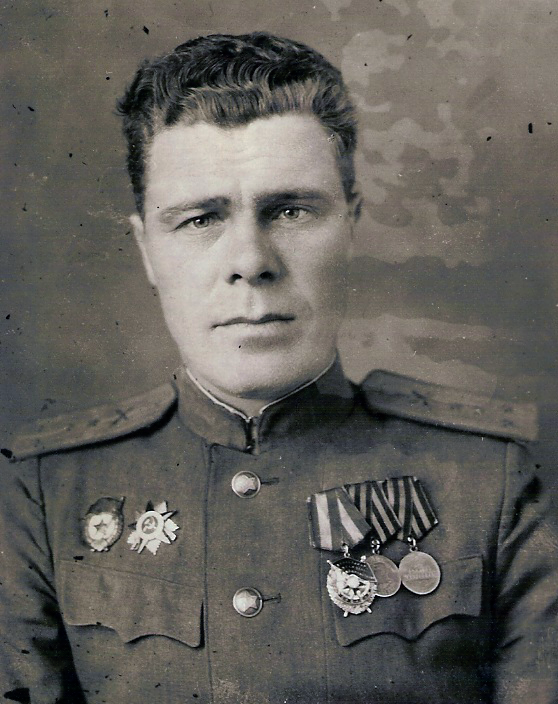
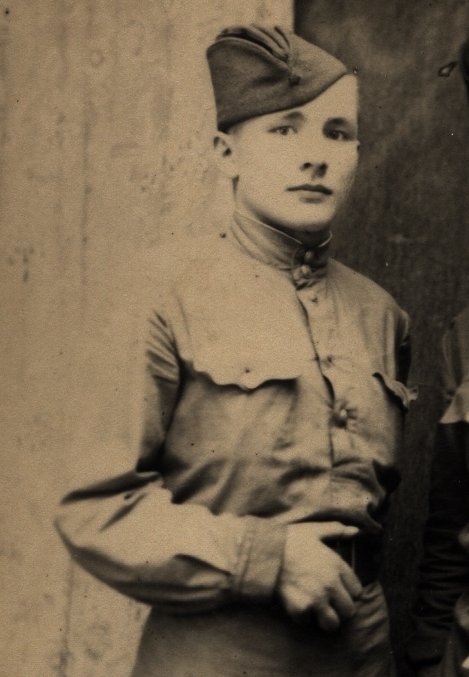
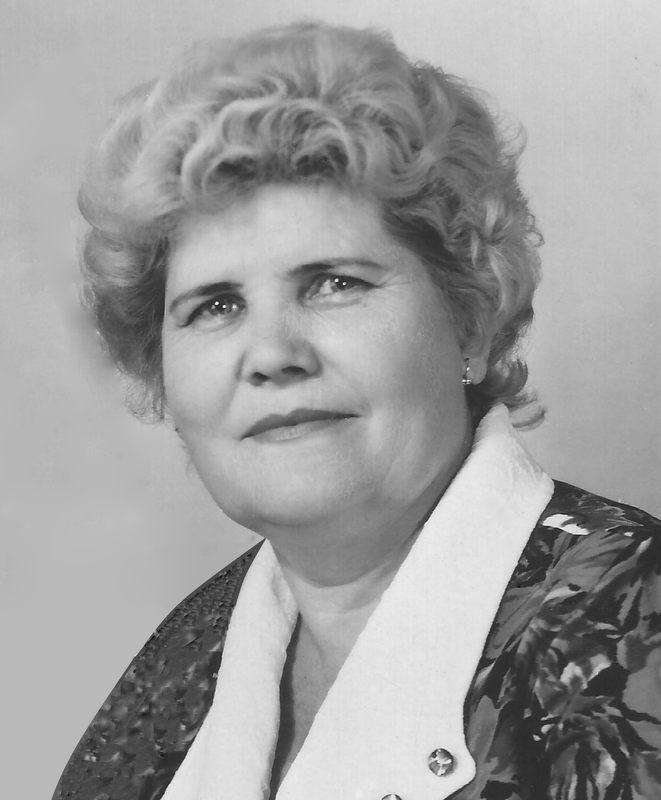
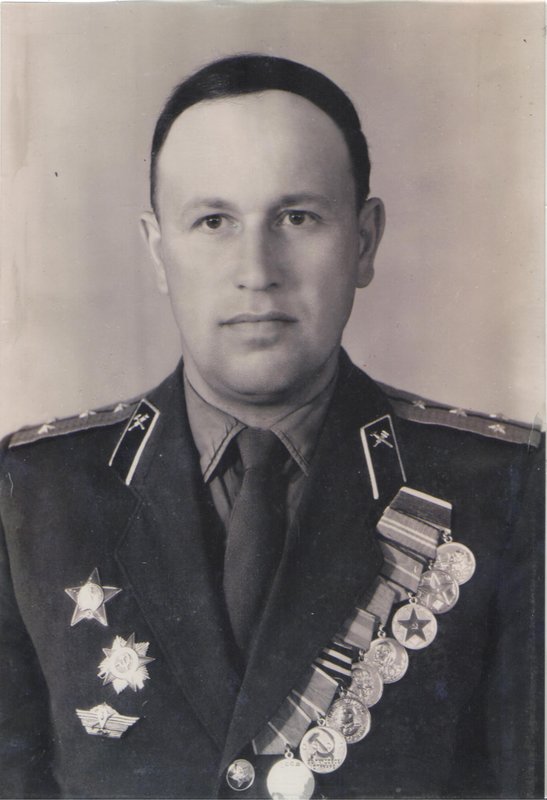
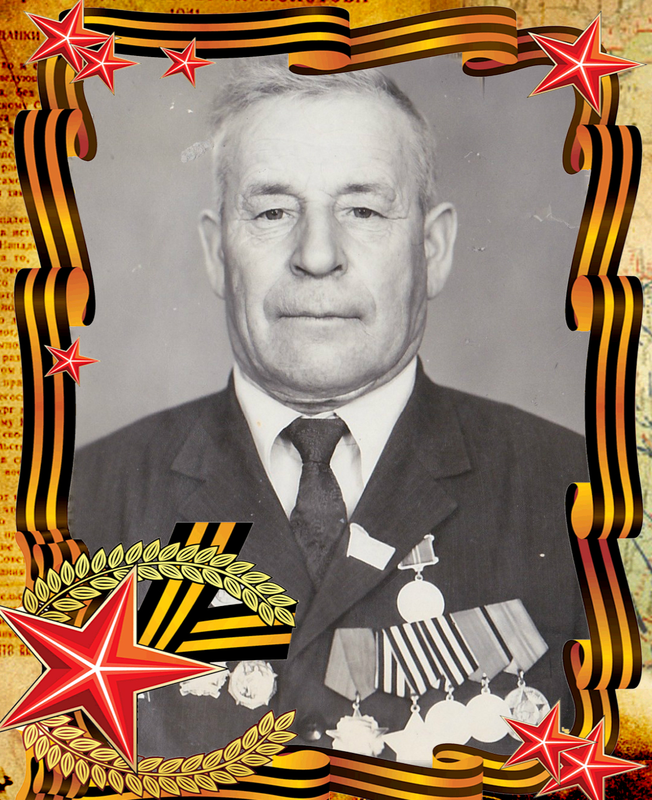
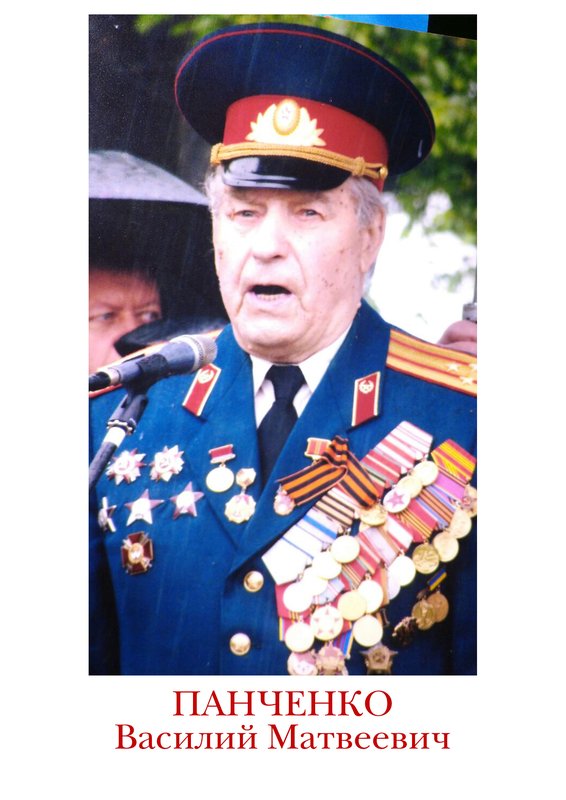
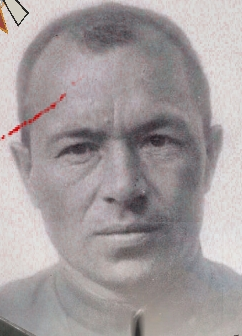
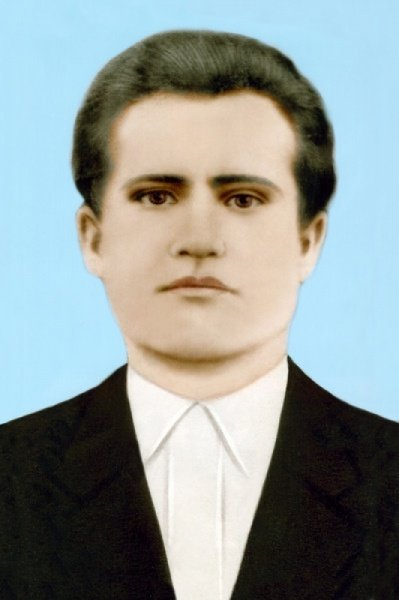
Petrov Nikolay Vasilyevich
Name: last NAME: Petrov first NAME: Nicholas middle name: Vasilyevich CITY: Kungur, Molotov (Perm) region DATE of BIRTH: 09.05.1919 DATE of DEATH: 25.09.1988 HISTORY: Nikolay Vasilyevich Petrovich was Born in 1919, in the city of Kungur, Perm region. He was raised in an orphanage. In December 1942, he was called up to serve in the army by the Chui district military Commissariat of the Kirghiz SSR. At this time, our troops surrounded a large group of German troops in Stalingrad and fought fierce and persistent battles to destroy it. Nikolay got into the 328th rifle regiment, which defended the Stalingrad tractor plant. There was heavy fighting with heavy losses on both sides. The 328th rifle regiment was also heavily damaged, and its remnants were transferred to the 1379th rifle regiment of the 87th rifle division, which defended the Krasny Oktyabr factory. This plant continued to work in combat conditions-it repaired our tanks. From January 7 to February 2, 1943, there were fierce battles, and the 1379th rifle regiment defended the factory. On January 26, 1943, the German group in Stalingrad was divided into two parts during the fighting. On January 30, 1943, the commander of the German group, field Marshal Paulus, was captured. On February 2, 1943, the Germans surrendered. The fighting in Stalingrad stopped. Our troops, including the 87th rifle division, fought a rapid offensive to the West, liberating the territory of the Rostov region. Retreating, the enemy in some areas provided stubborn resistance. So it happened in the area of Zimovniki and the village of Olginskaya. As a result of offensive battles, the troops of the rifle division liberated the village of Olginskaya on February 7, 1943. In these battles, Nikolay Petrov showed courage and bravery, for which the Executive Committee of the Olginsky village Council awarded him the title "Honorary citizen of the village of Olginskaya". After the liberation of the village of Olginskaya, the 87th rifle division fought for the liberation of the village of Aksayskaya for a week. There were two natural obstacles in the way of the division's advance — the don river and the high ground on its right Bank, where German troops were stationed. It was winter. There was ice on the river. But it was impossible to overcome the river. German emplacements (guns, mortars, machine guns) were firing heavily at our advancing troops. Residents of the village of Aksayskaya, teenagers Sasha Ievlev and brothers Vasya and Zhenya Krivtsov, helped the scouts to go to the village and showed them where the German firing points and concentrations of German troops are located. The enemy was seriously defeated, and by the morning of February 14, 1943, the village was liberated. On the same day, our troops liberated Rostov. The enemy retreated and took up a defensive position on the Mius river. A stable Mius front was formed, where there was persistent fighting for five months. Nikolay Vasilyevich also participated in these battles. The Germans were sitting on the heights of the Western Bank of the Mius river, which dominated the flat Eastern Bank where our troops were stationed. The enemy was constantly shelling our positions, causing heavy losses. After the defeat of the German troops near Kursk, on August 18, 1943, our troops on the Mius front went on the offensive, broke through the enemy's deep-echeloned defenses, liberated the city of Taganrog and entered the territory of Ukraine. Especially persistent battles were fought near Melitopol and during the liberation of the Kherson region. Here Nikolay Vasilyevich during the liberation of the village of Pervomayskoye, being an assistant commander of a mortar platoon, successfully suppressed the enemy's firing points with fire from his mortars and defeated his manpower, which contributed to the rapid liberation of the village. For skilful actions in this battle, he was awarded the order of Glory of the III degree, and the Executive Committee of the Pervomaysky village Council awarded him the title "Honorary citizen of the village of Pervomayskoye". In these battles in early November 1943, Petrov was seriously wounded. He was sent to a hospital in Kislovodsk, where he remained until February 1944. After recovery, he was appointed commander of the expedition group of underwater technical works, which was located in Rostov-on-don and was engaged in lifting ships sunk in the don and Seversky Donets rivers. Here Nikolay Vasilyevich met the Victory Day. In December 1945, he was dismissed from the army and returned to the village of Aksayskaya. In 1988, Nikolay Vasilyevich died and was buried in the Aksai cemetery.
Petrov Nikolay Vasilyevich
Name: last NAME: Petrov first NAME: Nicholas middle name: Vasilyevich CITY: Kungur, Molotov (Perm) region DATE of BIRTH: 09.05.1919 DATE of DEATH: 25.09.1988 HISTORY: Nikolay Vasilyevich Petrovich was Born in 1919, in the city of Kungur, Perm region. He was raised in an orphanage. In December 1942, he was called up to serve in the army by the Chui district military Commissariat of the Kirghiz SSR. At this time, our troops surrounded a large group of German troops in Stalingrad and fought fierce and persistent battles to destroy it. Nikolay got into the 328th rifle regiment, which defended the Stalingrad tractor plant. There was heavy fighting with heavy losses on both sides. The 328th rifle regiment was also heavily damaged, and its remnants were transferred to the 1379th rifle regiment of the 87th rifle division, which defended the Krasny Oktyabr factory. This plant continued to work in combat conditions-it repaired our tanks. From January 7 to February 2, 1943, there were fierce battles, and the 1379th rifle regiment defended the factory. On January 26, 1943, the German group in Stalingrad was divided into two parts during the fighting. On January 30, 1943, the commander of the German group, field Marshal Paulus, was captured. On February 2, 1943, the Germans surrendered. The fighting in Stalingrad stopped. Our troops, including the 87th rifle division, fought a rapid offensive to the West, liberating the territory of the Rostov region. Retreating, the enemy in some areas provided stubborn resistance. So it happened in the area of Zimovniki and the village of Olginskaya. As a result of offensive battles, the troops of the rifle division liberated the village of Olginskaya on February 7, 1943. In these battles, Nikolay Petrov showed courage and bravery, for which the Executive Committee of the Olginsky village Council awarded him the title "Honorary citizen of the village of Olginskaya". After the liberation of the village of Olginskaya, the 87th rifle division fought for the liberation of the village of Aksayskaya for a week. There were two natural obstacles in the way of the division's advance — the don river and the high ground on its right Bank, where German troops were stationed. It was winter. There was ice on the river. But it was impossible to overcome the river. German emplacements (guns, mortars, machine guns) were firing heavily at our advancing troops. Residents of the village of Aksayskaya, teenagers Sasha Ievlev and brothers Vasya and Zhenya Krivtsov, helped the scouts to go to the village and showed them where the German firing points and concentrations of German troops are located. The enemy was seriously defeated, and by the morning of February 14, 1943, the village was liberated. On the same day, our troops liberated Rostov. The enemy retreated and took up a defensive position on the Mius river. A stable Mius front was formed, where there was persistent fighting for five months. Nikolay Vasilyevich also participated in these battles. The Germans were sitting on the heights of the Western Bank of the Mius river, which dominated the flat Eastern Bank where our troops were stationed. The enemy was constantly shelling our positions, causing heavy losses. After the defeat of the German troops near Kursk, on August 18, 1943, our troops on the Mius front went on the offensive, broke through the enemy's deep-echeloned defenses, liberated the city of Taganrog and entered the territory of Ukraine. Especially persistent battles were fought near Melitopol and during the liberation of the Kherson region. Here Nikolay Vasilyevich during the liberation of the village of Pervomayskoye, being an assistant commander of a mortar platoon, successfully suppressed the enemy's firing points with fire from his mortars and defeated his manpower, which contributed to the rapid liberation of the village. For skilful actions in this battle, he was awarded the order of Glory of the III degree, and the Executive Committee of the Pervomaysky village Council awarded him the title "Honorary citizen of the village of Pervomayskoye". In these battles in early November 1943, Petrov was seriously wounded. He was sent to a hospital in Kislovodsk, where he remained until February 1944. After recovery, he was appointed commander of the expedition group of underwater technical works, which was located in Rostov-on-don and was engaged in lifting ships sunk in the don and Seversky Donets rivers. Here Nikolay Vasilyevich met the Victory Day. In December 1945, he was dismissed from the army and returned to the village of Aksayskaya. In 1988, Nikolay Vasilyevich died and was buried in the Aksai cemetery.
0 comment




2026 © Russian Military Historical Society Developed by Jetmix