Back to
album
album
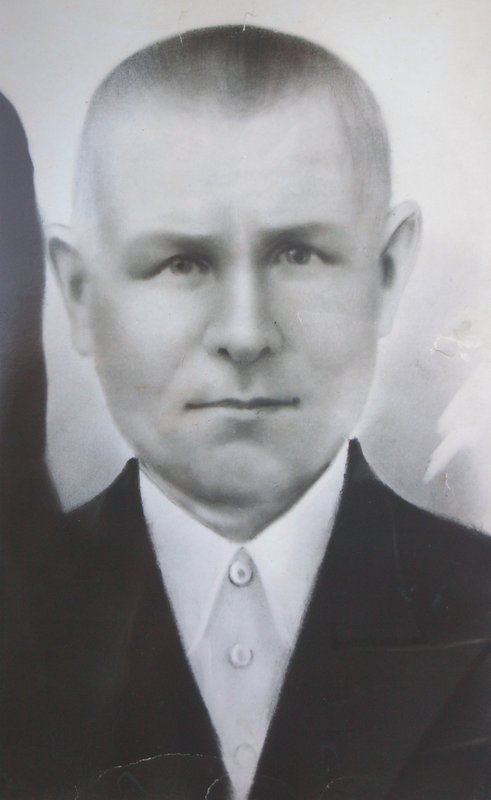
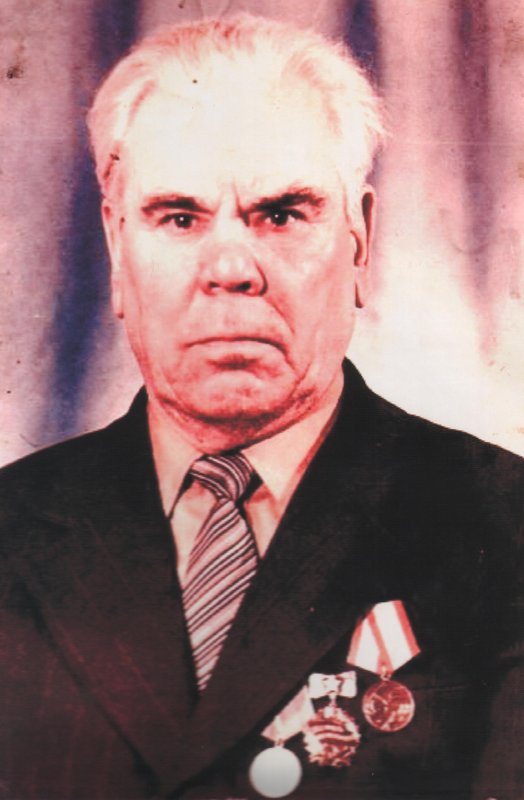
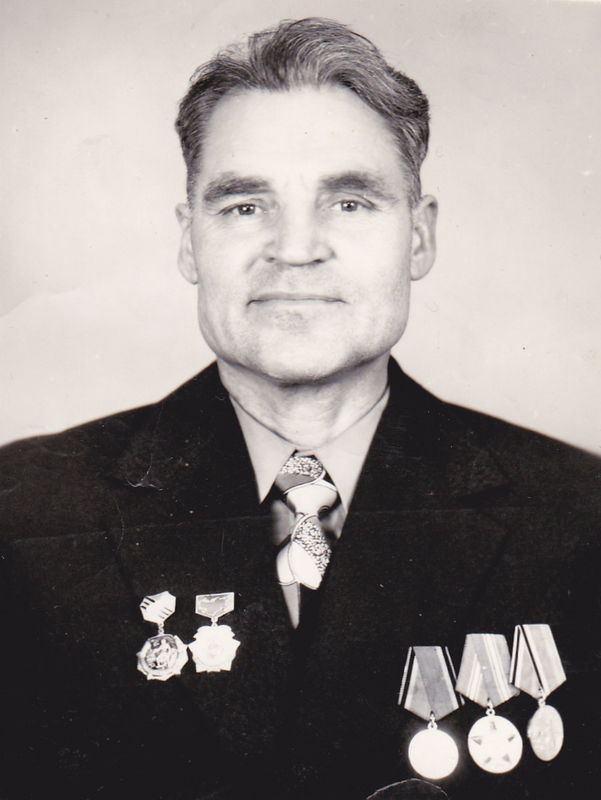
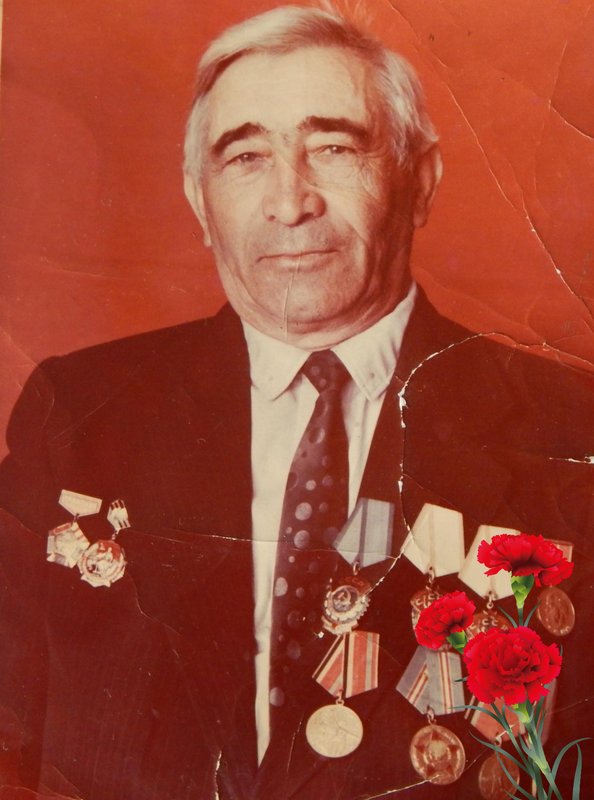
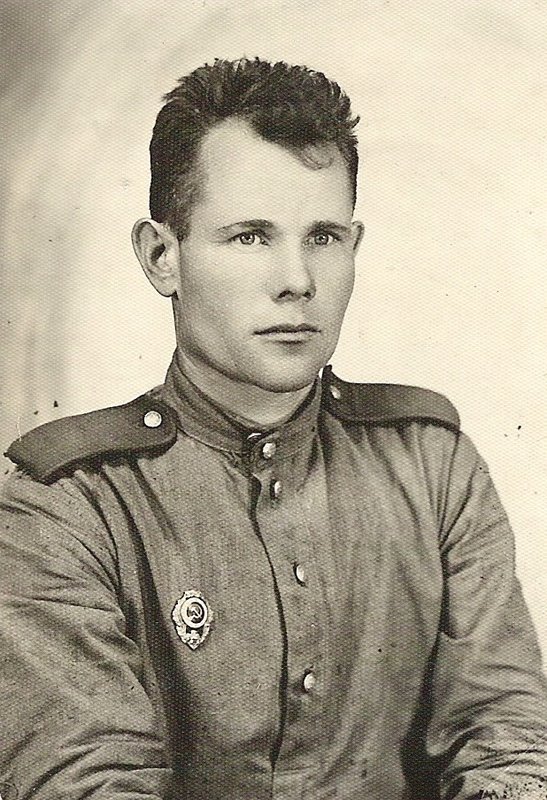
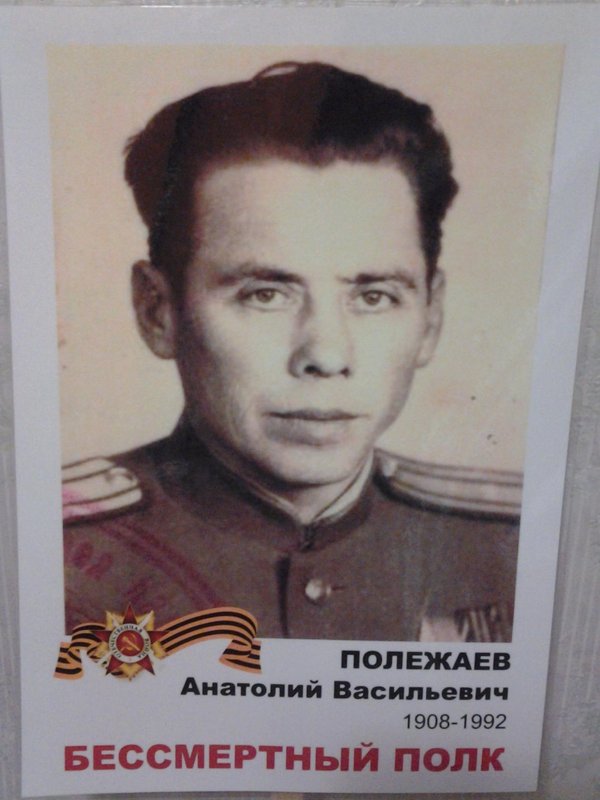
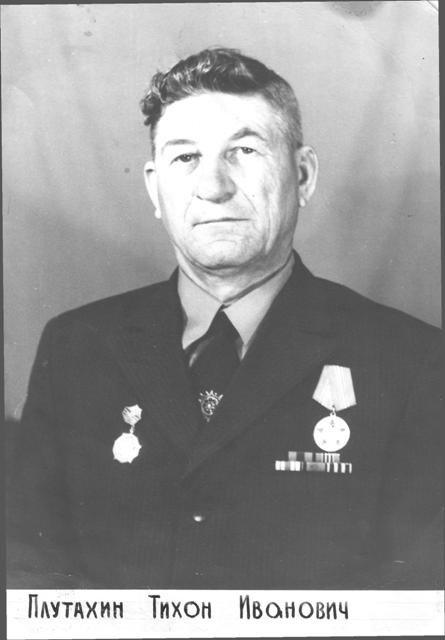
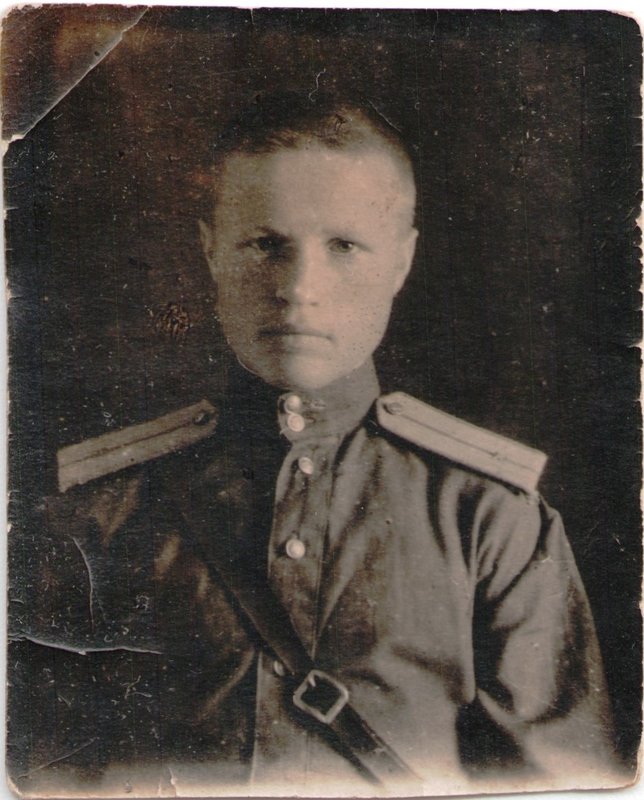
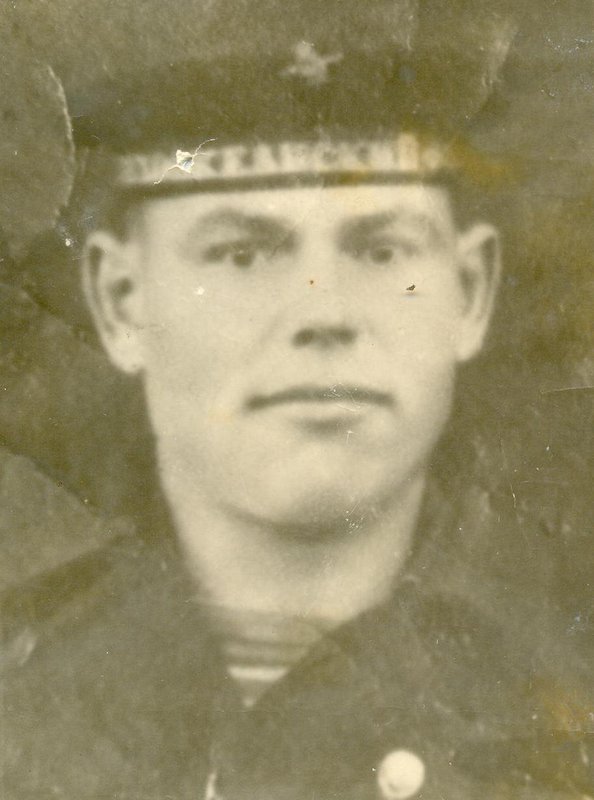
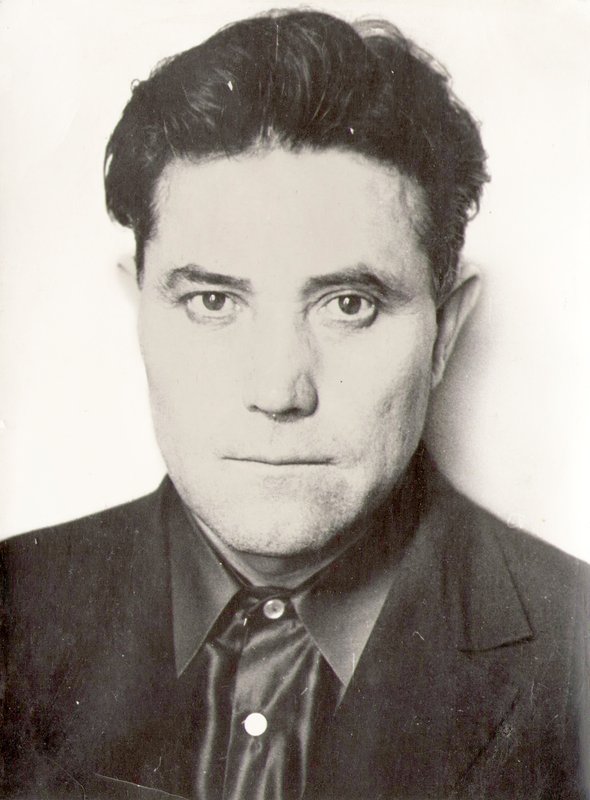
Polozov Dmitry Yakovlevich
Polozov Dmitry Yakovlevich_x000D_
_x000D_
Full name: Dmitry Yakovlevich Polozov last NAME: Polozov FIRST name: Dmitry PATRONYMIC: Yakovlevich CITY: Troitskoye village, Pribaikalsky district, Buryat-Mongolian Autonomous Union Socialist Republic date of BIRTH: 01.01.1910 DATE of DEATH: 01.01.1949 HISTORY: Dmitry Polozov (25.05.1910-20.12.1949) Born on may 25, 1910 in Troitsky of the Pribaikalsky district of the Buryat-Mongolian Autonomous Union Socialist Republic in the family of a volost clerk. After finishing the 4th grade and driving courses, he worked as a driver on a farm on a semi-truck. Private Dmitry Polozov began his service in August 1941 as a driver in the 42nd automobile regiment of the 1st Belorussian front.The 42nd automobile regiment of the Supreme high command Headquarters was intended by state for servicing the transportation of ammunition and other supplies, for ensuring the relocation of front-line personnel and had 127 Ford trucks and 476 Studebaker vehicles. At the beginning of the war, automobile brigades were created. However, in November 1941, due to a lack of vehicles and personnel, the brigades were abolished and automobile regiments were created. Such regiments have established themselves as a powerful automobile reserve for the Supreme high command And front commanders in the defense of Moscow, as well as on the Voronezh and Stalingrad fronts.From the service description written by the unit commander, senior Lieutenant of the military unit 70923: "red army soldier Dmitry Polozov is one of the highly qualified specialists, has not a single case of violation of military discipline. During his service, he did not have a single breakdown or accident, and continuously improved his technical level."Many times the young soldier had to perform government tasks, which he treated conscientiously and performed them with honor. In the first months of the war, in a difficult situation of maneuvering defensive battles, motor transport units were widely used to ensure the maneuver of troops. In the conditions of the difficult situation that developed on the Railways in the first period of the war, especially at its beginning, their overload with operational and evacuation transportations, motor transport performed complex tasks to ensure the supply of material and evacuation. Supply transportation by road grew every month. A large volume was also made up of evacuation transportation of the sick and wounded, damaged military equipment, weapons, property and population from the frontline zone.The tension in the work of vehicles increased sharply with the transition of the fronts to the counteroffensive, as well as in the subsequent offensive, which ended with the withdrawal of troops to the Dnieper. The enemy destroyed the Railways during the withdrawal. Army troops quickly broke away from supply stations during the offensive, and then military drivers came to the rescue. The driver, D. ya. Polozov, was delivering cargo from supply stations to military units. Accurate and reliable driving provided fast delivery of goods to the destination and return of vehicles. Great work was done by military drivers to transport supplies to the troops in the offensive operations of the summer-autumn campaign of 1944, and especially during the preparation and during the Belarusian offensive operation. Due to the high pace of the offensive, especially in the zone of the 1st Belorussian front, the troops managed to break away from the supply bases for 400-500 km. The flight from the front-line bases to the troops took 4-5 days. The restoration of Railways was delayed, as the Minsk group of the enemy was surrounded and destroyed in the center of the offensive zone. In these conditions, the success of the operation largely depended on the precise operation of vehicles. The average daily mileage of cars reached 300-350 km. Red army soldier Dmitry Polozov proved to be a physically hardy and disciplined fighter, which earned him authority among the unit's personnel.During the operation, vehicles of the 1st Belorussian front brought 560 thousand tons of material resources and transported 63.3 thousand people. In total, during the Belarusian operation, more than 1.2 million tons of ammunition, fuel, food and other material resources were brought to the troops by vehicles of the fronts and armies, and the driver of the 3rd class, serviceman Dmitry Yakovlevich Polozov, made a great contribution to this. The Vistula-Oder offensive, which was prepared in a very short time, in conditions when the Railways and bridges on the Vistula were not yet fully restored, is a heroic example of the fulfillment of the military duty of drivers. Timely preparation of the operation in such difficult conditions became possible due to the fact that by this time the fronts had quite powerful vehicles. The supply of supplies to the troops in the Vistula-Oder operation was carried out in a difficult combat situation. From January 12 to February 3, 1945, during the Vistula-Oder operation, the territory of Poland to the West of the Vistula was liberated from German troops and a bridgehead on the left Bank of the Oder was captured, which was later used in the attack on Berlin. The operation was rapid - for 20 days, the Soviet troops advanced at a distance of 20 to 30 km per day. During this time, they overcame seven fortified enemy lines and two major water obstacles. The troops of the shock groups of the fronts, especially the tank armies, operated in the operational depth, in the absence of a solid front. Scattered enemy units were retreating in the rear of our troops. This required particularly precise driving. Despite all the difficulties, vehicles in the Vistula-Oder operation successfully coped with their tasks. Red army soldier Dmitry Polozov was awarded the medal "for the liberation of Warsaw".On April 16, 1945, the troops of the 1st, 2nd Belorussian and 1st Ukrainian fronts launched the Berlin operation, which victoriously completed the defeat of the German-fascist armed forces. Victory in the Berlin operation was impossible without timely delivery of ammunition, fuel, and food directly to the battlefield. Delivering cargo in a difficult combat situation, day and night, in the mud and in heavy snow drifts, military drivers showed massive heroism and courage. For his heroic feat and selfless work, D. ya. Polozov received the medal "for the capture of Berlin".The patriotism and hard work of the warrior-motorist was manifested in an exceptionally careful and caring attitude to the automobile equipment entrusted to him. Despite the harsh operating conditions, he kept his car from the beginning to the end of the war. After the Victory, Dmitry Yakovlevich did not immediately return home, as the vehicles of the Supreme command Headquarters almost completely switched to servicing the needs of the national economy. Only in 1946, Dmitry Yakovlevich came from the front to his native village of Troitsky, with a medal on his tunic "for the victory over Germany in the great Patriotic war of 1941-1945."
Polozov Dmitry Yakovlevich
Polozov Dmitry Yakovlevich_x000D_
_x000D_
Full name: Dmitry Yakovlevich Polozov last NAME: Polozov FIRST name: Dmitry PATRONYMIC: Yakovlevich CITY: Troitskoye village, Pribaikalsky district, Buryat-Mongolian Autonomous Union Socialist Republic date of BIRTH: 01.01.1910 DATE of DEATH: 01.01.1949 HISTORY: Dmitry Polozov (25.05.1910-20.12.1949) Born on may 25, 1910 in Troitsky of the Pribaikalsky district of the Buryat-Mongolian Autonomous Union Socialist Republic in the family of a volost clerk. After finishing the 4th grade and driving courses, he worked as a driver on a farm on a semi-truck. Private Dmitry Polozov began his service in August 1941 as a driver in the 42nd automobile regiment of the 1st Belorussian front.The 42nd automobile regiment of the Supreme high command Headquarters was intended by state for servicing the transportation of ammunition and other supplies, for ensuring the relocation of front-line personnel and had 127 Ford trucks and 476 Studebaker vehicles. At the beginning of the war, automobile brigades were created. However, in November 1941, due to a lack of vehicles and personnel, the brigades were abolished and automobile regiments were created. Such regiments have established themselves as a powerful automobile reserve for the Supreme high command And front commanders in the defense of Moscow, as well as on the Voronezh and Stalingrad fronts.From the service description written by the unit commander, senior Lieutenant of the military unit 70923: "red army soldier Dmitry Polozov is one of the highly qualified specialists, has not a single case of violation of military discipline. During his service, he did not have a single breakdown or accident, and continuously improved his technical level."Many times the young soldier had to perform government tasks, which he treated conscientiously and performed them with honor. In the first months of the war, in a difficult situation of maneuvering defensive battles, motor transport units were widely used to ensure the maneuver of troops. In the conditions of the difficult situation that developed on the Railways in the first period of the war, especially at its beginning, their overload with operational and evacuation transportations, motor transport performed complex tasks to ensure the supply of material and evacuation. Supply transportation by road grew every month. A large volume was also made up of evacuation transportation of the sick and wounded, damaged military equipment, weapons, property and population from the frontline zone.The tension in the work of vehicles increased sharply with the transition of the fronts to the counteroffensive, as well as in the subsequent offensive, which ended with the withdrawal of troops to the Dnieper. The enemy destroyed the Railways during the withdrawal. Army troops quickly broke away from supply stations during the offensive, and then military drivers came to the rescue. The driver, D. ya. Polozov, was delivering cargo from supply stations to military units. Accurate and reliable driving provided fast delivery of goods to the destination and return of vehicles. Great work was done by military drivers to transport supplies to the troops in the offensive operations of the summer-autumn campaign of 1944, and especially during the preparation and during the Belarusian offensive operation. Due to the high pace of the offensive, especially in the zone of the 1st Belorussian front, the troops managed to break away from the supply bases for 400-500 km. The flight from the front-line bases to the troops took 4-5 days. The restoration of Railways was delayed, as the Minsk group of the enemy was surrounded and destroyed in the center of the offensive zone. In these conditions, the success of the operation largely depended on the precise operation of vehicles. The average daily mileage of cars reached 300-350 km. Red army soldier Dmitry Polozov proved to be a physically hardy and disciplined fighter, which earned him authority among the unit's personnel.During the operation, vehicles of the 1st Belorussian front brought 560 thousand tons of material resources and transported 63.3 thousand people. In total, during the Belarusian operation, more than 1.2 million tons of ammunition, fuel, food and other material resources were brought to the troops by vehicles of the fronts and armies, and the driver of the 3rd class, serviceman Dmitry Yakovlevich Polozov, made a great contribution to this. The Vistula-Oder offensive, which was prepared in a very short time, in conditions when the Railways and bridges on the Vistula were not yet fully restored, is a heroic example of the fulfillment of the military duty of drivers. Timely preparation of the operation in such difficult conditions became possible due to the fact that by this time the fronts had quite powerful vehicles. The supply of supplies to the troops in the Vistula-Oder operation was carried out in a difficult combat situation. From January 12 to February 3, 1945, during the Vistula-Oder operation, the territory of Poland to the West of the Vistula was liberated from German troops and a bridgehead on the left Bank of the Oder was captured, which was later used in the attack on Berlin. The operation was rapid - for 20 days, the Soviet troops advanced at a distance of 20 to 30 km per day. During this time, they overcame seven fortified enemy lines and two major water obstacles. The troops of the shock groups of the fronts, especially the tank armies, operated in the operational depth, in the absence of a solid front. Scattered enemy units were retreating in the rear of our troops. This required particularly precise driving. Despite all the difficulties, vehicles in the Vistula-Oder operation successfully coped with their tasks. Red army soldier Dmitry Polozov was awarded the medal "for the liberation of Warsaw".On April 16, 1945, the troops of the 1st, 2nd Belorussian and 1st Ukrainian fronts launched the Berlin operation, which victoriously completed the defeat of the German-fascist armed forces. Victory in the Berlin operation was impossible without timely delivery of ammunition, fuel, and food directly to the battlefield. Delivering cargo in a difficult combat situation, day and night, in the mud and in heavy snow drifts, military drivers showed massive heroism and courage. For his heroic feat and selfless work, D. ya. Polozov received the medal "for the capture of Berlin".The patriotism and hard work of the warrior-motorist was manifested in an exceptionally careful and caring attitude to the automobile equipment entrusted to him. Despite the harsh operating conditions, he kept his car from the beginning to the end of the war. After the Victory, Dmitry Yakovlevich did not immediately return home, as the vehicles of the Supreme command Headquarters almost completely switched to servicing the needs of the national economy. Only in 1946, Dmitry Yakovlevich came from the front to his native village of Troitsky, with a medal on his tunic "for the victory over Germany in the great Patriotic war of 1941-1945."
0 comment



2026 © Russian Military Historical Society Developed by Jetmix