Back to
album
album
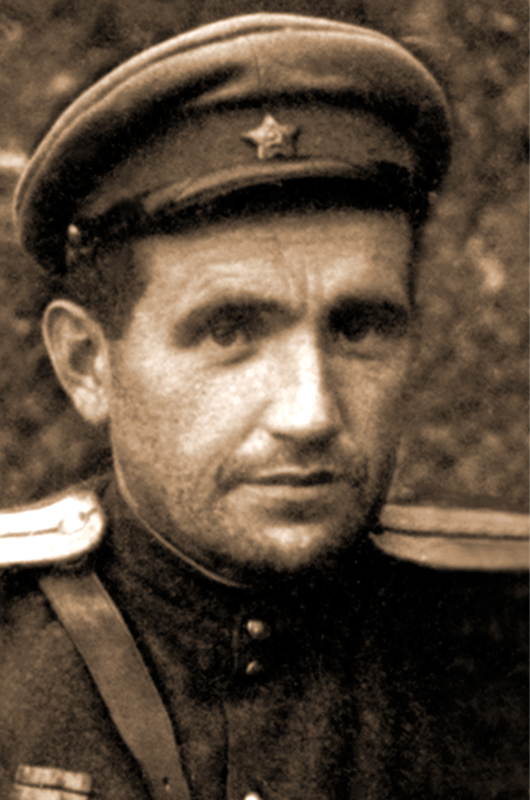
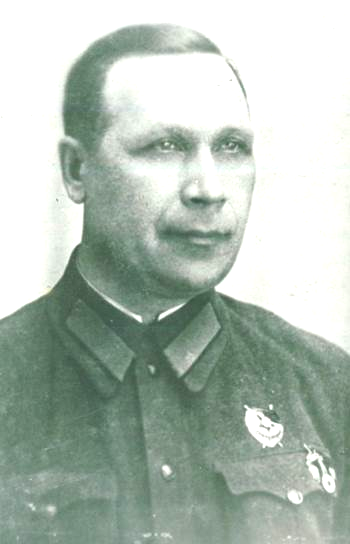
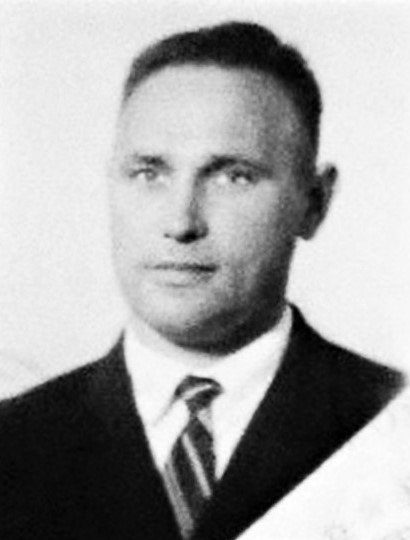
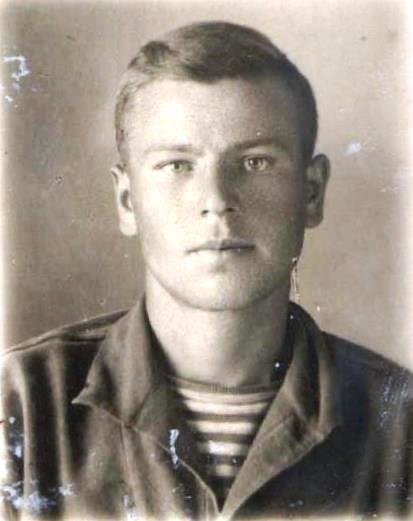
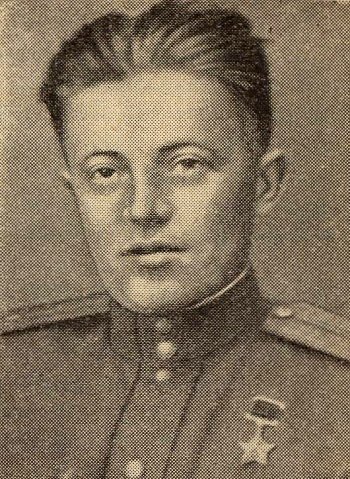
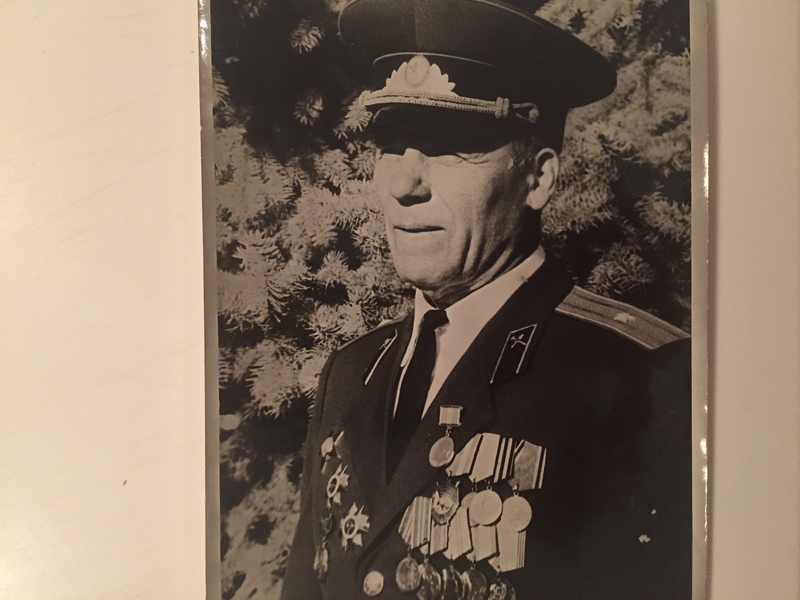
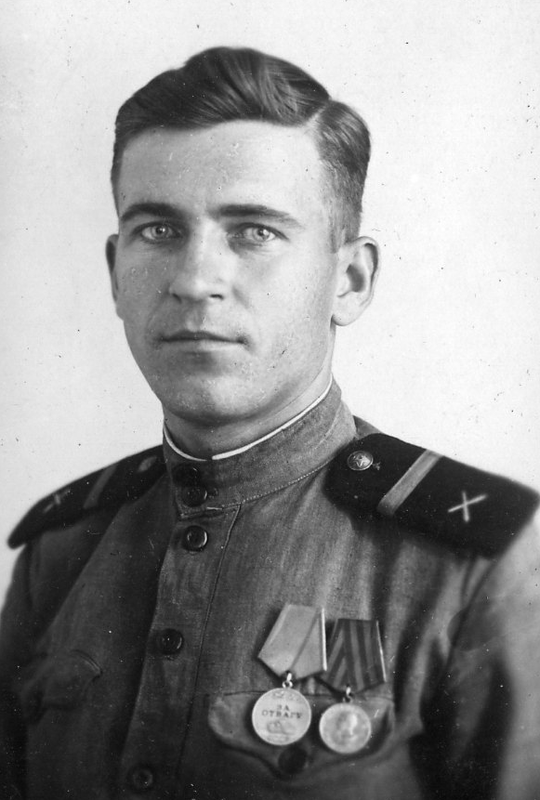
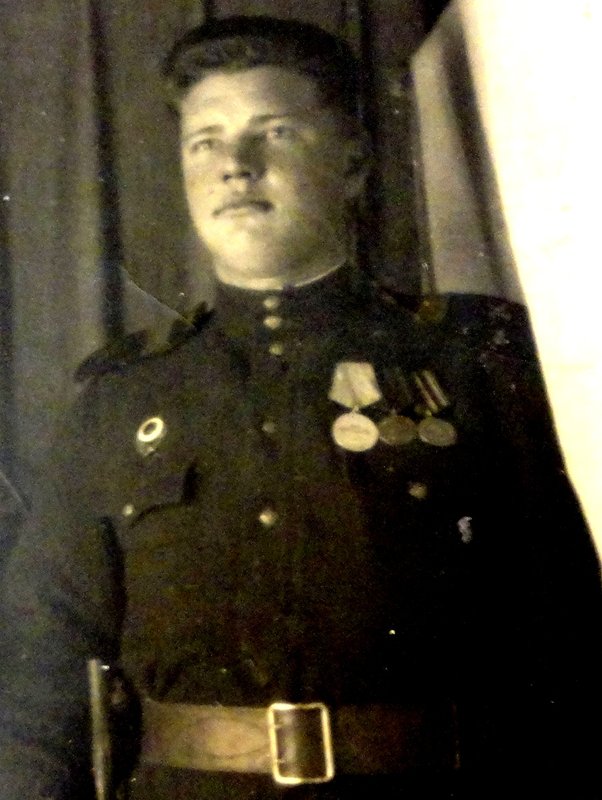
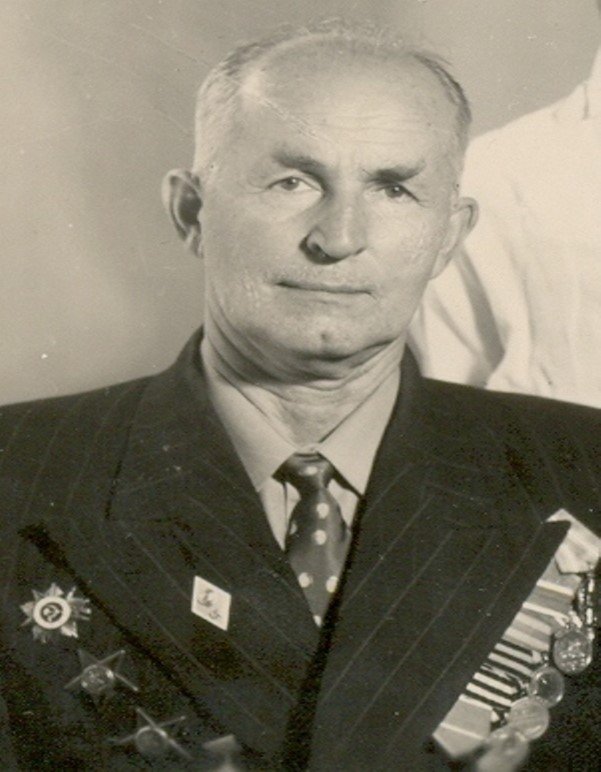
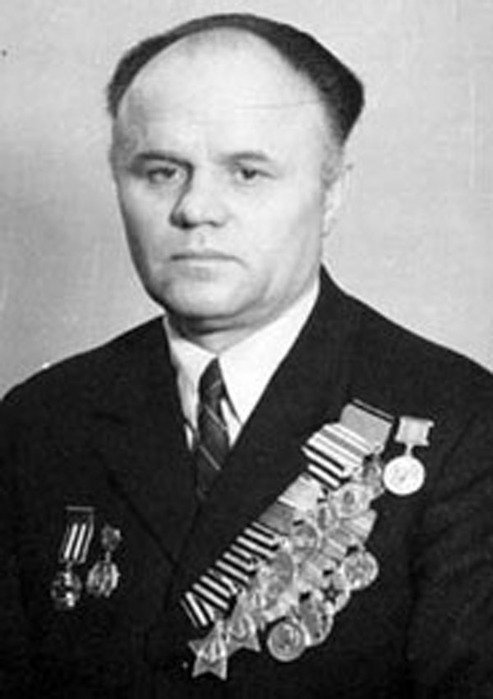
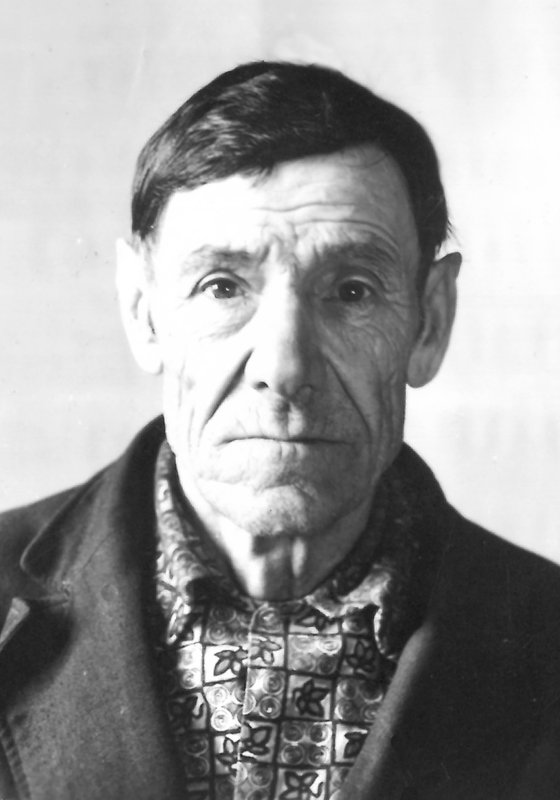
Pakhno Nikolay Afanasevich
Rank: Major. Branch of the service: Ground Forces. Subdivision: 138th Infantry Carpathian Red Banner Order of Suvorov Division. Born December 4, 1919 in st. Krasnogorsk, Ust-Dzhegutinsky District, Stavropol Territory in a peasant family. In August 1939 he was called up for active military service in the ranks of the Red Banner Baltic Navy in Leningrad. He had successfully passed the entrance exams in the same 1939 and was enrolled as a cadet at the Engels Naval Political School in Leningrad. In May 1940 he was admitted to the Communist Party. _x000D_
On the first day of the war, the Junior Political Instructor was released from the school ahead of schedule and sent to the active army on the island of Koivisto in the Gulf of Finland. He was appointed Political Instructor of the Machine-gun Company of the 51st Separate Marine Battalion of the Red Banner Baltic Fleet. In November 1941, the Battalion was transferred to the city of Oranienbaum, where it was included in the 527th Infantry Regiment of the 48th Kalinin Rifle Division in a Separate Primorsky Army. In this Division, he served as Commander of a Machine-gun Company, Military Commissar of a Battalion, Deputy Battalion Commander for combat units. _x000D_
So he ended up near sieged Leningrad at the Oranienbaum foot strong. He stayed in the blockade until May 1943. In October 1943 he was awarded the military rank "Major". In January 1944 he completed the shooting course with honors and was sent to the personnel department of the 2nd Ukrainian Front and was appointed Deputy Commander of the 344th Rifle Regiment for the combat unit of the 138th Rifle Division. When entering the Carpathians, the 138th Rifle Division was transferred to the 18th Army of the 4th Ukrainian Fleet. He was wounded twice during an offensive in the Carpathians. In March 1945, by order of the Commander of the 18th Army of the 4th Ukrainian Front, he was appointed Commander of the 768th Rifle Regiment of the 138th Rifle Division. In this position he served until the day the Division was disbanded. He participated in the liberation of Hungary, Romania, Czechoslovakia, and Poland.
Pakhno Nikolay Afanasevich
Rank: Major. Branch of the service: Ground Forces. Subdivision: 138th Infantry Carpathian Red Banner Order of Suvorov Division. Born December 4, 1919 in st. Krasnogorsk, Ust-Dzhegutinsky District, Stavropol Territory in a peasant family. In August 1939 he was called up for active military service in the ranks of the Red Banner Baltic Navy in Leningrad. He had successfully passed the entrance exams in the same 1939 and was enrolled as a cadet at the Engels Naval Political School in Leningrad. In May 1940 he was admitted to the Communist Party. _x000D_
On the first day of the war, the Junior Political Instructor was released from the school ahead of schedule and sent to the active army on the island of Koivisto in the Gulf of Finland. He was appointed Political Instructor of the Machine-gun Company of the 51st Separate Marine Battalion of the Red Banner Baltic Fleet. In November 1941, the Battalion was transferred to the city of Oranienbaum, where it was included in the 527th Infantry Regiment of the 48th Kalinin Rifle Division in a Separate Primorsky Army. In this Division, he served as Commander of a Machine-gun Company, Military Commissar of a Battalion, Deputy Battalion Commander for combat units. _x000D_
So he ended up near sieged Leningrad at the Oranienbaum foot strong. He stayed in the blockade until May 1943. In October 1943 he was awarded the military rank "Major". In January 1944 he completed the shooting course with honors and was sent to the personnel department of the 2nd Ukrainian Front and was appointed Deputy Commander of the 344th Rifle Regiment for the combat unit of the 138th Rifle Division. When entering the Carpathians, the 138th Rifle Division was transferred to the 18th Army of the 4th Ukrainian Fleet. He was wounded twice during an offensive in the Carpathians. In March 1945, by order of the Commander of the 18th Army of the 4th Ukrainian Front, he was appointed Commander of the 768th Rifle Regiment of the 138th Rifle Division. In this position he served until the day the Division was disbanded. He participated in the liberation of Hungary, Romania, Czechoslovakia, and Poland.
0 comment



2026 © Russian Military Historical Society Developed by Jetmix