Back to
album
album
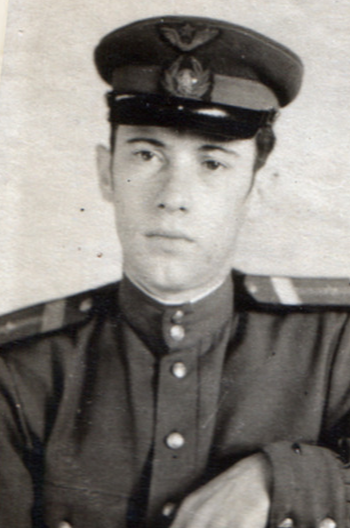
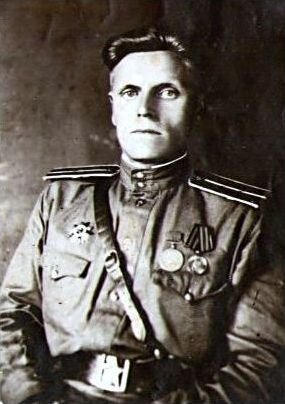
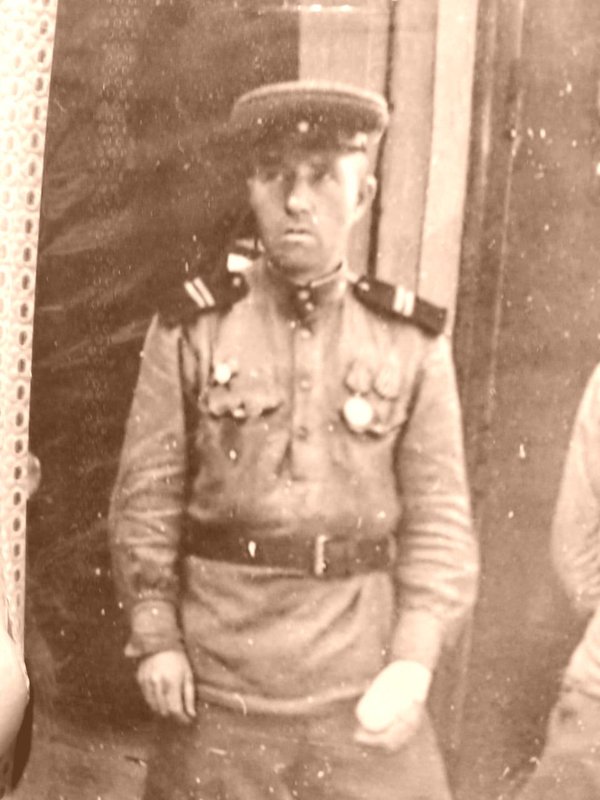
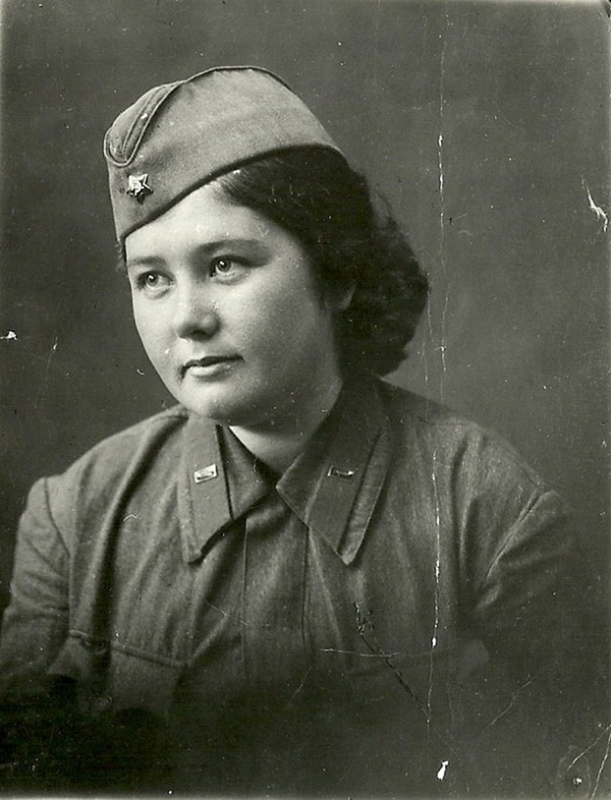
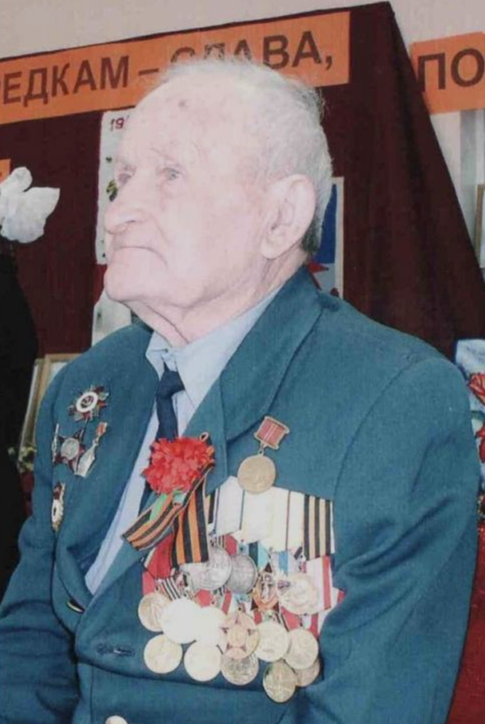
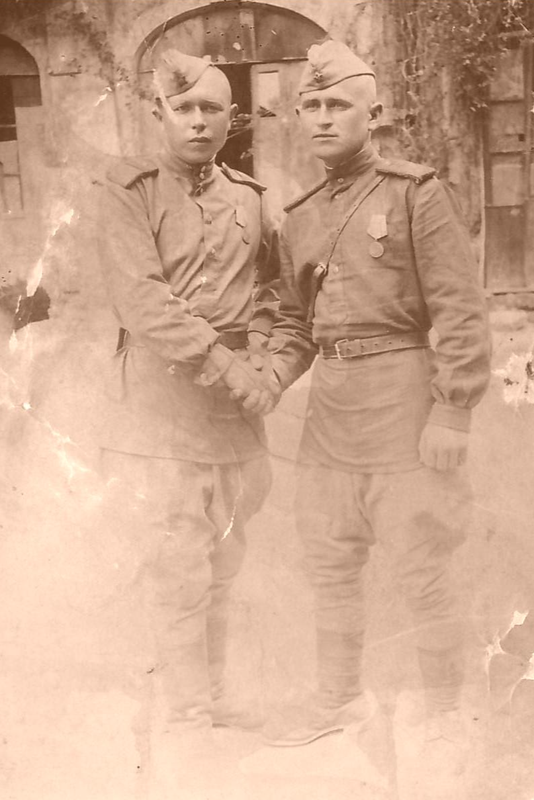
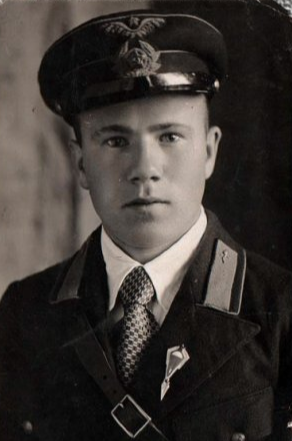
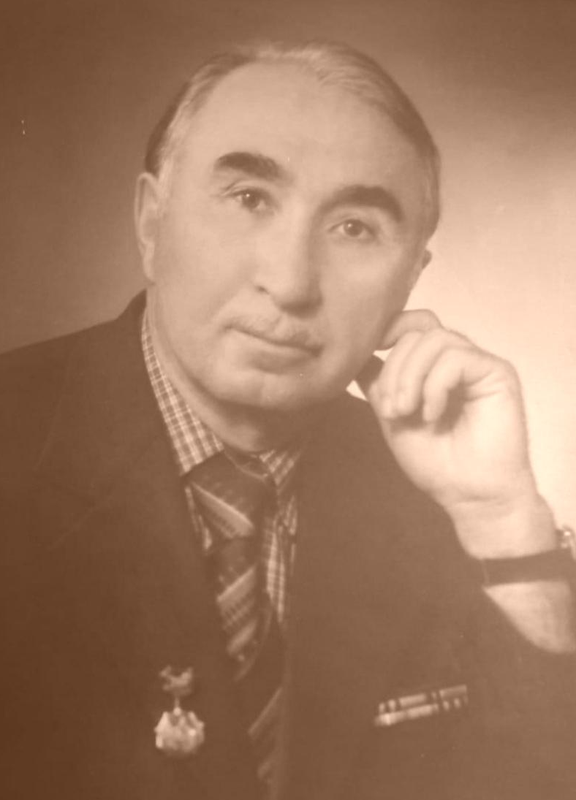
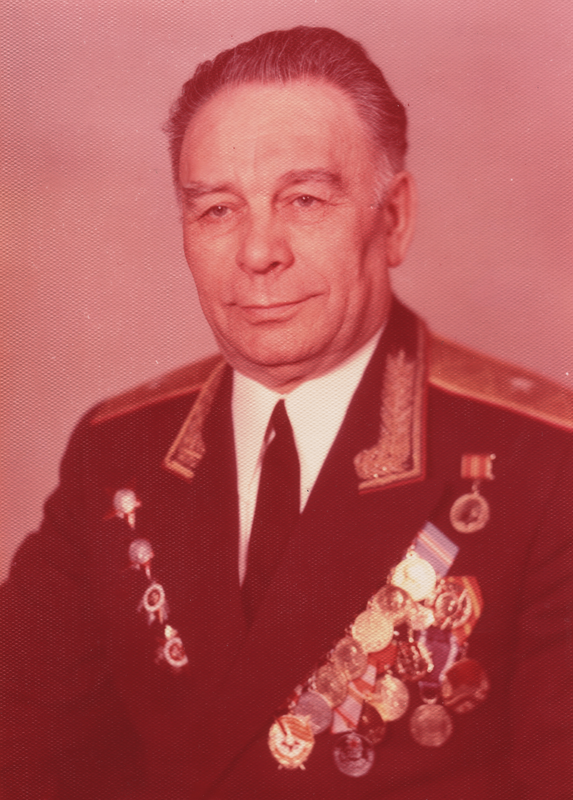

Bychkov Ilya Andreevich
My grandfather, Ilya Bychkov, born in the Zaoksky district of the Tula region in the village of Shegostovo, was illiterate. In 1940, he was called up for military service. He returned from the war in 1947. Afterwards, he married Alexandra Andreyevna Dmitrieva, born in 1919. They had 2 daughters (born in 1952 and 1953), but since 1963 they had to be raised only by their father: their grandmother died. In the post-war years, he briefly worked as the chairman of the collective farm, later went to serve in the paramilitary guard on the railway, where he worked until retirement. He fought in a tractor factory in Stalingrad and did not like to talk about the war. He was a fair decent man, serving as an example for us, his grandchildren. He died in 1984 in Tula and is buried in the city cemetery. He was nominated for an award, but, alas, was not awarded it. Ilya Andreevich Bychkov, as of the summer-autumn of 1942 , was the commander of the 3rd rifle company of the 178th rifle regiment of the NKVD of the USSR for the protection of particularly important industrial enterprises of the 19th rifle division of the NKVD of the USSR, a sergeant. Born in 1920 in the village Migaetovo (Shegostovo) Zaoksky district of the Tula region. He was Russian, working-class, member of the Komsomol. He was single. His relatives, as of the fall of 1942, included only Bychkov's mother, Ksenia Varfolomeevna, who lived at the place of birth of her son. His primary education was limited; he was "illiterate". He was drafted into the army in 1940 by the Zaoksky Military Comissiriat of the Tula region and sent to the NKVD of the USSR. By July 1942, he was the commander of the department of the 3rd rifle company of the 178th rifle regiment of the NKVD troops of the USSR for the protection of particularly important industrial enterprises of the 19th rifle division of the NKVD troops of the USSR in the city of Stalingrad (now Volgograd) in the military rank of a junior sergeant. By order 19 240 of the Commander of the Division of July 10, 1942, made public, in turn, by order of the regiment 178,209 of July 28, 1942, he was awarded the next military rank of "Sergeant" (Source RGVA: f. 38415, op. 1, d. 11, l. 29. ) He had been an active participant in the Great Patriotic war from August 23, 1942, in the epicenter of battles for the defense of the city of Stalingrad, at the same time, from September 17 to September 23, 1942, participated in street battles in the defense zone of the 13th guards rifle (later Poltava order of Lenin, twice red banner orders of Suvorov and Kutuzov) division of the 62nd army of the South-Eastern front as part of a consolidated company under the command of Lieutenant K. S. Tsvetkov and Junior Political Officer S. L. Kisilenko. On November 9, 1942, the commander of the 3rd rifle company, Lieutenant K. S. Tsvetkov, was presented to the regiment's command as a candidate for an award (Source RGVA: f. 38115, op. 1, d. 11, l. 5). On December 21, 1942, he was presented with the medal "for military merit" by Lieutenant Colonel A. I. Kuznetsov of the 178 regiment "for the period of participation of the company in street battles [in] the mountains. Stalingrad, comrade BYCHKOV, as the commander of the department, demonstrated perseverance, courage, and skillful management of the department during battles of 18.9.1942 [correction: 20 September 1942] in this [same] department comrade Bychkov was assigned the task of destroying a group of submachine gunners who were holed up in one of the destroyed houses. Bychkov skillfully surrounded the building where the German machine gunners were locate and with a rapid attack cleared the building, destroying 15 fascist machine gunners. This enabled the company to occupy new frontiers. For his steadfastness, courage, and bravery in the battles with the German invaders during the defense of Stalingrad, he is worthy of the government [correction: state] award, the medal "For Military Merit" (Source RGVA: f. 38415, op. 1, d. 11, l. 30). For some reason, this document was not implemented by the command of the NKVD troops for the protection of the South-Western front (II formation). Retired from the 178th rifle regiment of the NKVD troops of the USSR for the protection of particularly important industrial enterprises no later than January 1943. His further fate is unknown.
Bychkov Ilya Andreevich
My grandfather, Ilya Bychkov, born in the Zaoksky district of the Tula region in the village of Shegostovo, was illiterate. In 1940, he was called up for military service. He returned from the war in 1947. Afterwards, he married Alexandra Andreyevna Dmitrieva, born in 1919. They had 2 daughters (born in 1952 and 1953), but since 1963 they had to be raised only by their father: their grandmother died. In the post-war years, he briefly worked as the chairman of the collective farm, later went to serve in the paramilitary guard on the railway, where he worked until retirement. He fought in a tractor factory in Stalingrad and did not like to talk about the war. He was a fair decent man, serving as an example for us, his grandchildren. He died in 1984 in Tula and is buried in the city cemetery. He was nominated for an award, but, alas, was not awarded it. Ilya Andreevich Bychkov, as of the summer-autumn of 1942 , was the commander of the 3rd rifle company of the 178th rifle regiment of the NKVD of the USSR for the protection of particularly important industrial enterprises of the 19th rifle division of the NKVD of the USSR, a sergeant. Born in 1920 in the village Migaetovo (Shegostovo) Zaoksky district of the Tula region. He was Russian, working-class, member of the Komsomol. He was single. His relatives, as of the fall of 1942, included only Bychkov's mother, Ksenia Varfolomeevna, who lived at the place of birth of her son. His primary education was limited; he was "illiterate". He was drafted into the army in 1940 by the Zaoksky Military Comissiriat of the Tula region and sent to the NKVD of the USSR. By July 1942, he was the commander of the department of the 3rd rifle company of the 178th rifle regiment of the NKVD troops of the USSR for the protection of particularly important industrial enterprises of the 19th rifle division of the NKVD troops of the USSR in the city of Stalingrad (now Volgograd) in the military rank of a junior sergeant. By order 19 240 of the Commander of the Division of July 10, 1942, made public, in turn, by order of the regiment 178,209 of July 28, 1942, he was awarded the next military rank of "Sergeant" (Source RGVA: f. 38415, op. 1, d. 11, l. 29. ) He had been an active participant in the Great Patriotic war from August 23, 1942, in the epicenter of battles for the defense of the city of Stalingrad, at the same time, from September 17 to September 23, 1942, participated in street battles in the defense zone of the 13th guards rifle (later Poltava order of Lenin, twice red banner orders of Suvorov and Kutuzov) division of the 62nd army of the South-Eastern front as part of a consolidated company under the command of Lieutenant K. S. Tsvetkov and Junior Political Officer S. L. Kisilenko. On November 9, 1942, the commander of the 3rd rifle company, Lieutenant K. S. Tsvetkov, was presented to the regiment's command as a candidate for an award (Source RGVA: f. 38115, op. 1, d. 11, l. 5). On December 21, 1942, he was presented with the medal "for military merit" by Lieutenant Colonel A. I. Kuznetsov of the 178 regiment "for the period of participation of the company in street battles [in] the mountains. Stalingrad, comrade BYCHKOV, as the commander of the department, demonstrated perseverance, courage, and skillful management of the department during battles of 18.9.1942 [correction: 20 September 1942] in this [same] department comrade Bychkov was assigned the task of destroying a group of submachine gunners who were holed up in one of the destroyed houses. Bychkov skillfully surrounded the building where the German machine gunners were locate and with a rapid attack cleared the building, destroying 15 fascist machine gunners. This enabled the company to occupy new frontiers. For his steadfastness, courage, and bravery in the battles with the German invaders during the defense of Stalingrad, he is worthy of the government [correction: state] award, the medal "For Military Merit" (Source RGVA: f. 38415, op. 1, d. 11, l. 30). For some reason, this document was not implemented by the command of the NKVD troops for the protection of the South-Western front (II formation). Retired from the 178th rifle regiment of the NKVD troops of the USSR for the protection of particularly important industrial enterprises no later than January 1943. His further fate is unknown.
0 comment




2026 © Russian Military Historical Society Developed by Jetmix