Back to
album
album
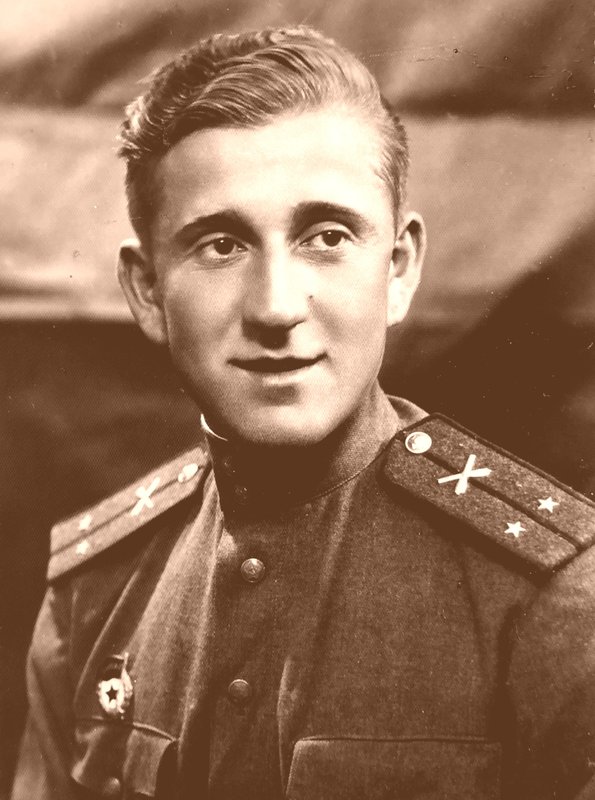
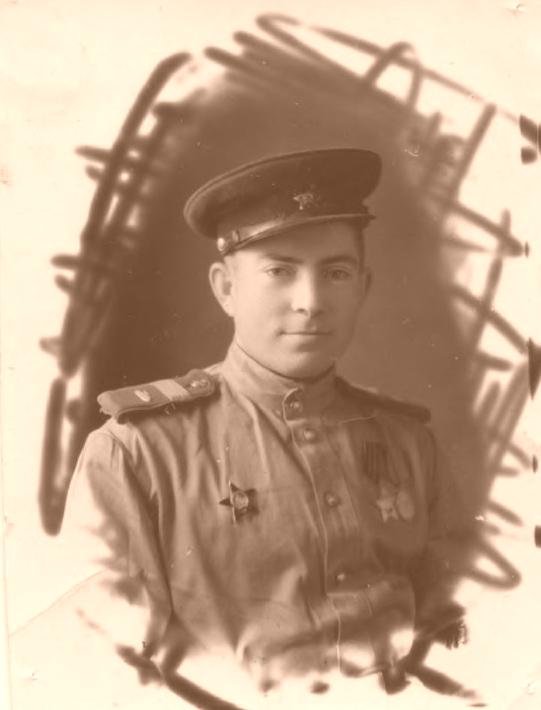
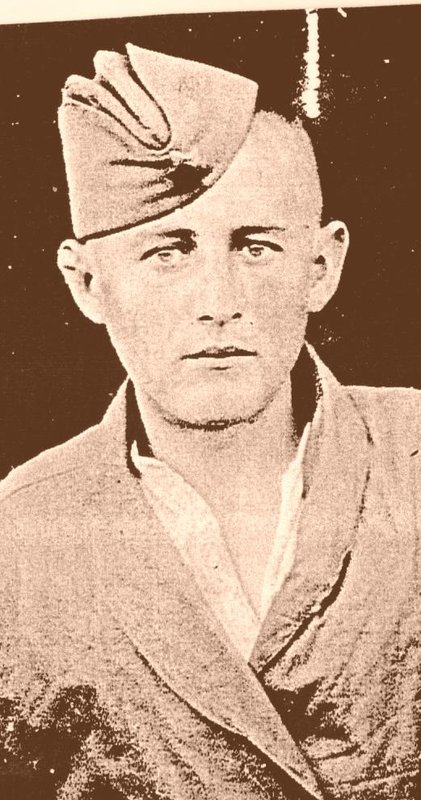
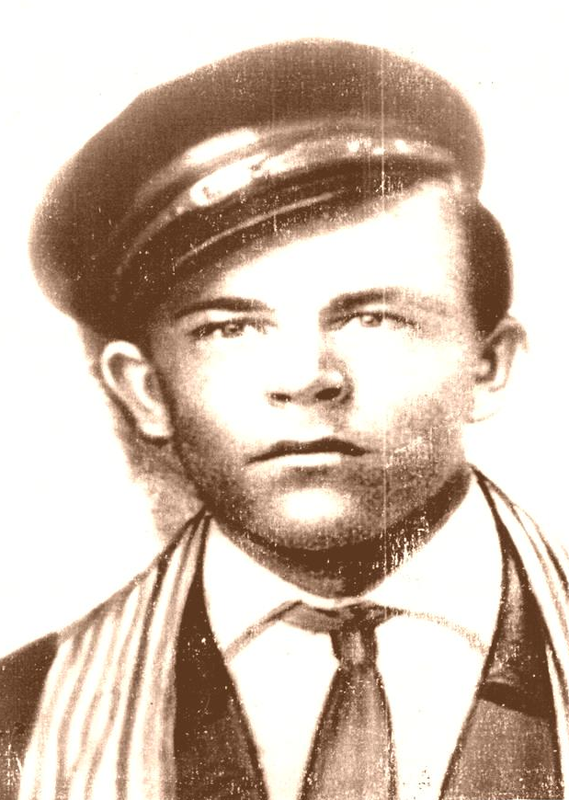
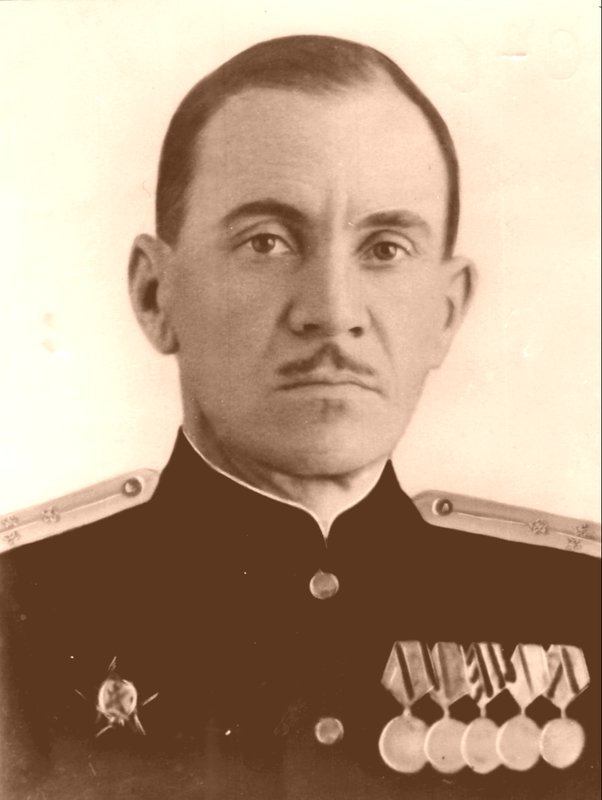
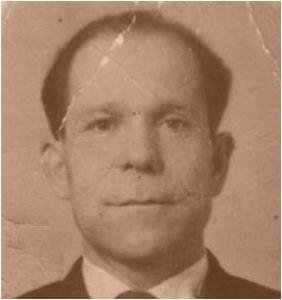
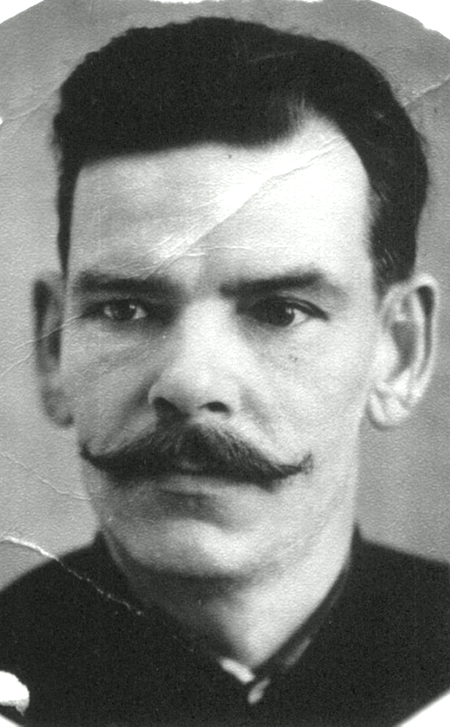
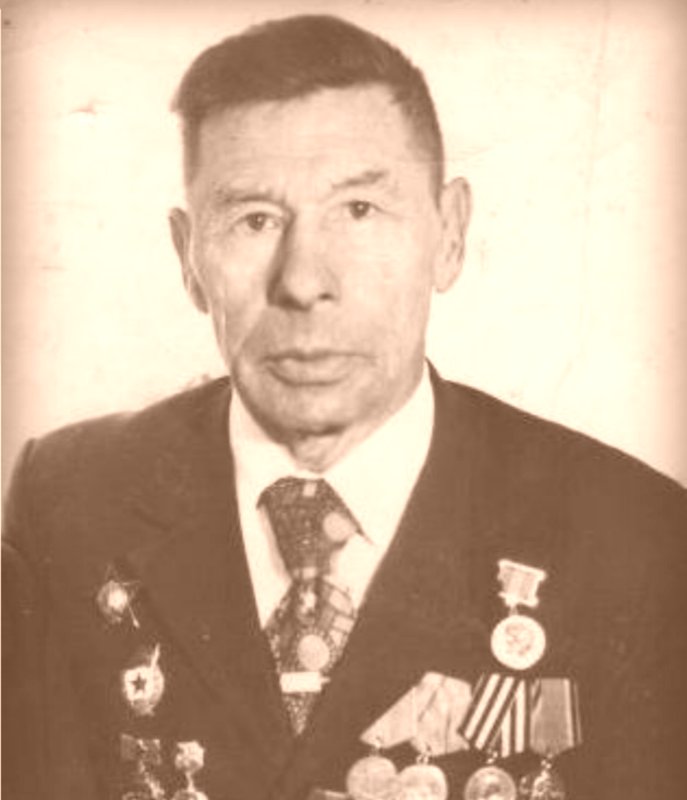

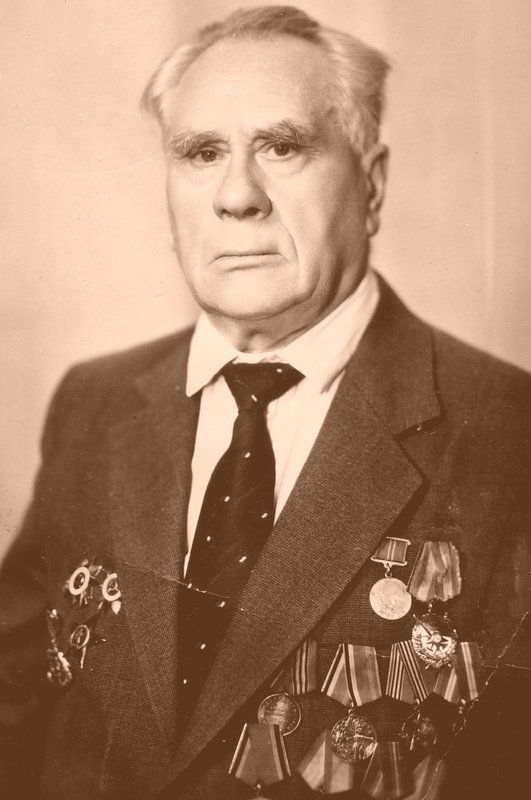
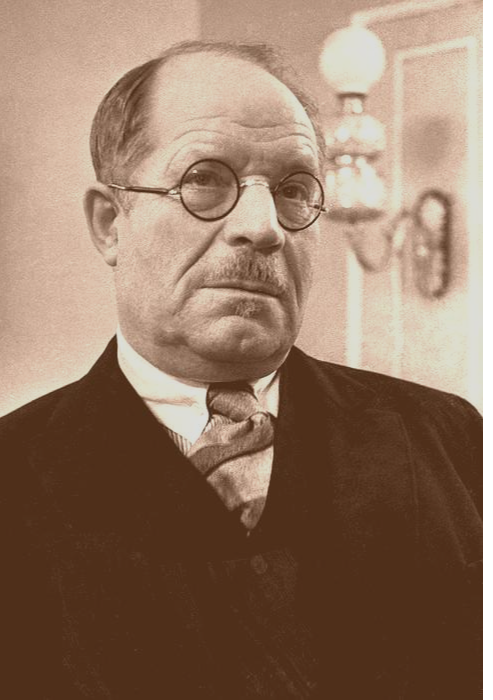
Vasily Alexandrovich Bystrov
Vasily Alexandrovich Bystrov was called to the front on August 20, 1941 immediately after the end of the seven-year period by the Chebsar RVC. He began serving in the 21st motorized rifle division of the NKVD, as part of the 2nd Shock Army. He went through the entire war, starting from the cadet rank and becoming a commander of a mortar platoon, was a scout. He fought on the Volkhov and Leningrad fronts. In the Lyuban offensive on January 25, 1942, the division where Vasily fought broke through the enemy's defenses at Myasnoy Bor near Leningrad but found itself isolated in a narrow frontline. The soldiers were left without provision, the ability to establish communication, to fight further. They starved, boiled leather belts in pots. Frozen bread was dropped to them from planes. This was all they ate... Their regiment managed to break through the German forces a few weeks later, and the soldiers from the neighboring unit were all captured. Among those captives was the famous poet Musa Jalil... The isolation of the 21st division lasted until February 12, 1942. Then the 111th rifle division together with the 22nd rifle brigade expanded the front line to 13 km and improved the condition of the unit that was trapped. Thus, the task of the combat operation of the 21st division of the NKVD was completed, the defense at Myasnoy Bor was broken, but the soldiers themselves were in a tough half-starved state for several weeks. In 1943, Vasily Bystrov was awarded the medal "For the Defense of Leningrad". The 21st motorized rifle division of the NKVD, in July-August 1942 renamed into the 109th Red Banner rifle 602 regiment, where Vasily fought, bore the proud title of "The Red Banner Rifle Regiment of the Order of Alexander Nevsky". In the summer of 1942, the division, along with the 85th rifle brigade, led the enemy out of the heavily fortified point of Staro-Panovo. They advanced into the outskirts of the city of Uritsk. For several days there was relentless fighting, as a result of which the Germans suffered significant losses. Vasily Alexandrovich Bystrov was awarded the order of the Red Star in 1944 for the feat performed in the battle on March 8 near the town of Metsavakht near Narva in Estonia. Vasily commanded a mortar squad. He was seriously wounded, but continued to fight, replaced a disabled platoon commander. From the award list entry: "...Despising death, he single-handedly corrected the fire of his mortars under enemy fire. Repelling enemy attacks... destroyed three firing points and more than 20 Hitlerite soldiers. Being wounded, he continued to command the platoon until his strength left him. He is worthy of the government award, the order of the Red Star. Signed: Colonel Putyatin." In this battle, Vasily Bystrov was seriously wounded in the head; he continued to fight the enemy until he lost consciousness. He celebrated the victory in Estonia. After the war he was frequently called up for military training in Kusubu. He worked for many years at the Vologda machine-building plant in various positions: as a carpenter, then as a dispatcher in the PDO. He had been awarded the badge "25 years of Victory in the Great Patriotic War", in 1971 he was awarded the title of captain of the reserve. With his wife Faina, he raised three children. Now, the memory of my grandfather is kept by 4 grandchildren, 9 great-grandchildren, 1 great-great-granddaughter. Vasily Aleksandrovich Bystrov was admitted to a hospital of the Leningrad region from 26.02.1942 to 22.04.1942 near Parakhino. He was admitted to hospitals in Leningrad: Evacuation Hospital No. 1250 from 18.09.1943 to 05.12.1943; hospital No. 1360 from 08.03.1944 to 05.06.1944. For the rest of his life, he had splinters in his cheek and under his shoulder blade, they could even be felt right under his skin.
Vasily Alexandrovich Bystrov
Vasily Alexandrovich Bystrov was called to the front on August 20, 1941 immediately after the end of the seven-year period by the Chebsar RVC. He began serving in the 21st motorized rifle division of the NKVD, as part of the 2nd Shock Army. He went through the entire war, starting from the cadet rank and becoming a commander of a mortar platoon, was a scout. He fought on the Volkhov and Leningrad fronts. In the Lyuban offensive on January 25, 1942, the division where Vasily fought broke through the enemy's defenses at Myasnoy Bor near Leningrad but found itself isolated in a narrow frontline. The soldiers were left without provision, the ability to establish communication, to fight further. They starved, boiled leather belts in pots. Frozen bread was dropped to them from planes. This was all they ate... Their regiment managed to break through the German forces a few weeks later, and the soldiers from the neighboring unit were all captured. Among those captives was the famous poet Musa Jalil... The isolation of the 21st division lasted until February 12, 1942. Then the 111th rifle division together with the 22nd rifle brigade expanded the front line to 13 km and improved the condition of the unit that was trapped. Thus, the task of the combat operation of the 21st division of the NKVD was completed, the defense at Myasnoy Bor was broken, but the soldiers themselves were in a tough half-starved state for several weeks. In 1943, Vasily Bystrov was awarded the medal "For the Defense of Leningrad". The 21st motorized rifle division of the NKVD, in July-August 1942 renamed into the 109th Red Banner rifle 602 regiment, where Vasily fought, bore the proud title of "The Red Banner Rifle Regiment of the Order of Alexander Nevsky". In the summer of 1942, the division, along with the 85th rifle brigade, led the enemy out of the heavily fortified point of Staro-Panovo. They advanced into the outskirts of the city of Uritsk. For several days there was relentless fighting, as a result of which the Germans suffered significant losses. Vasily Alexandrovich Bystrov was awarded the order of the Red Star in 1944 for the feat performed in the battle on March 8 near the town of Metsavakht near Narva in Estonia. Vasily commanded a mortar squad. He was seriously wounded, but continued to fight, replaced a disabled platoon commander. From the award list entry: "...Despising death, he single-handedly corrected the fire of his mortars under enemy fire. Repelling enemy attacks... destroyed three firing points and more than 20 Hitlerite soldiers. Being wounded, he continued to command the platoon until his strength left him. He is worthy of the government award, the order of the Red Star. Signed: Colonel Putyatin." In this battle, Vasily Bystrov was seriously wounded in the head; he continued to fight the enemy until he lost consciousness. He celebrated the victory in Estonia. After the war he was frequently called up for military training in Kusubu. He worked for many years at the Vologda machine-building plant in various positions: as a carpenter, then as a dispatcher in the PDO. He had been awarded the badge "25 years of Victory in the Great Patriotic War", in 1971 he was awarded the title of captain of the reserve. With his wife Faina, he raised three children. Now, the memory of my grandfather is kept by 4 grandchildren, 9 great-grandchildren, 1 great-great-granddaughter. Vasily Aleksandrovich Bystrov was admitted to a hospital of the Leningrad region from 26.02.1942 to 22.04.1942 near Parakhino. He was admitted to hospitals in Leningrad: Evacuation Hospital No. 1250 from 18.09.1943 to 05.12.1943; hospital No. 1360 from 08.03.1944 to 05.06.1944. For the rest of his life, he had splinters in his cheek and under his shoulder blade, they could even be felt right under his skin.
0 comment



2026 © Russian Military Historical Society Developed by Jetmix