Back to
album
album
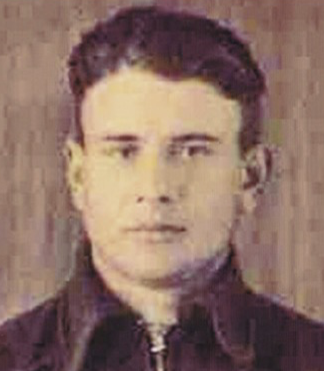
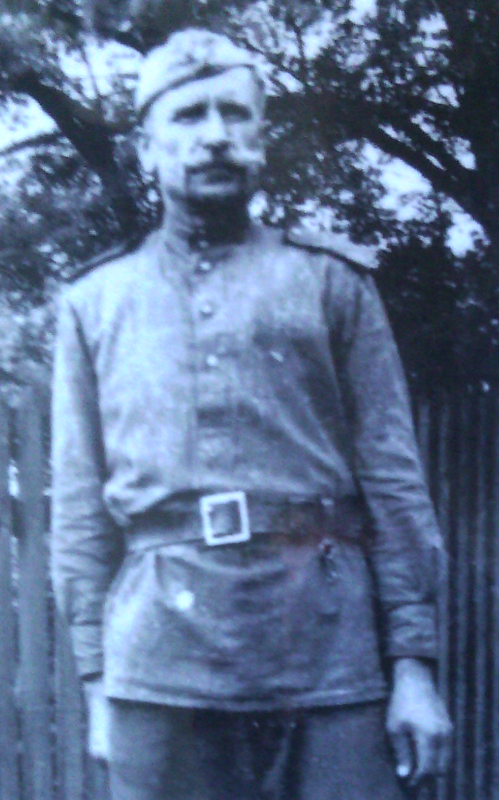
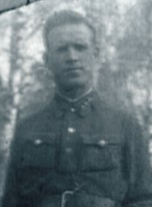
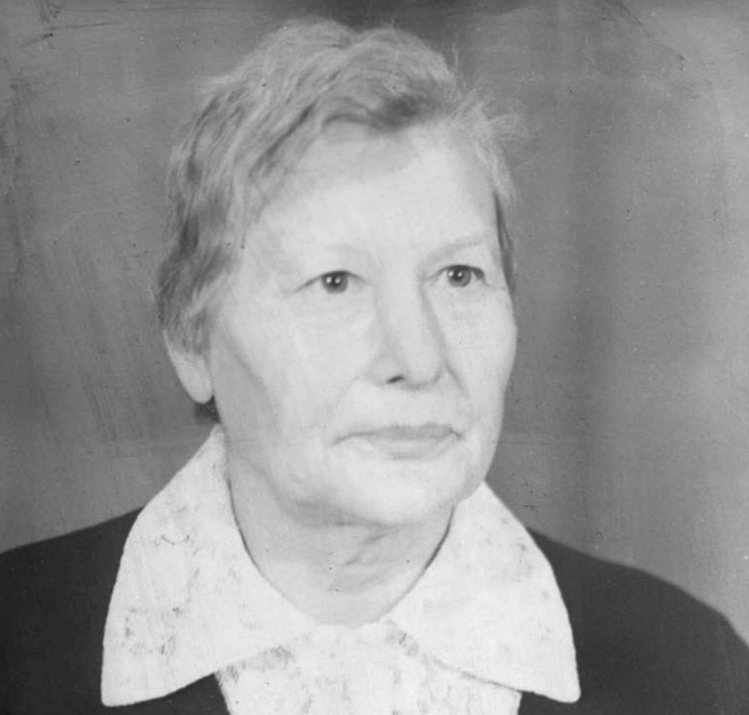
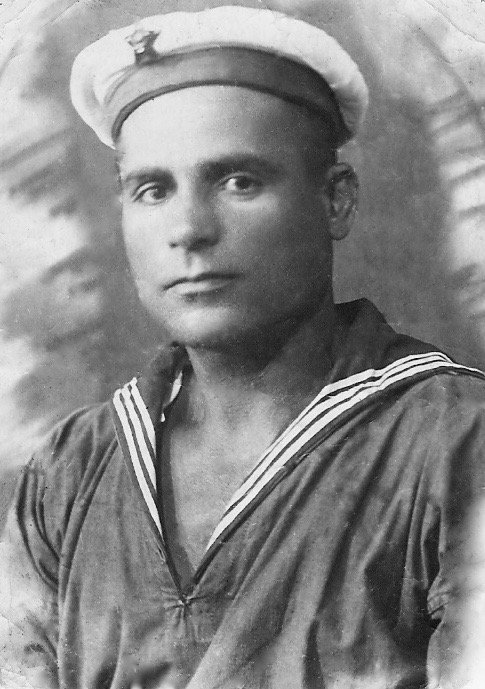
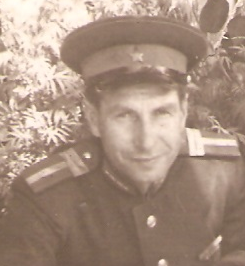
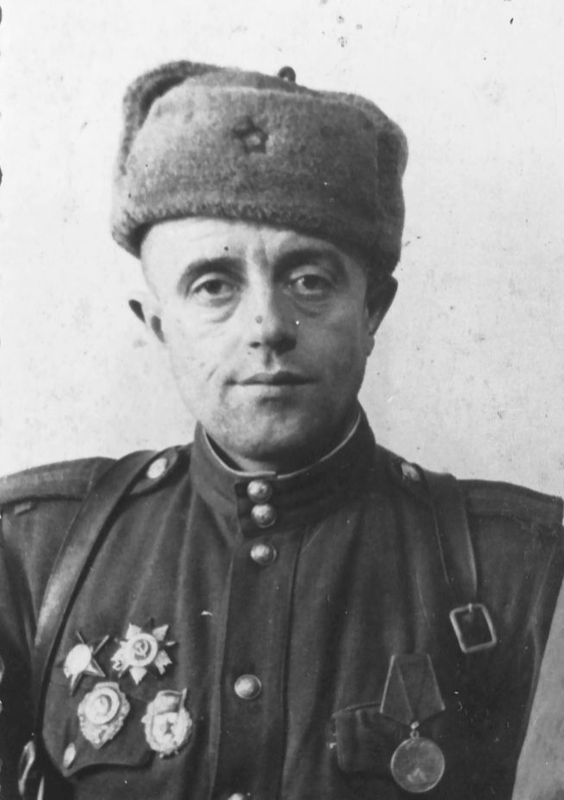
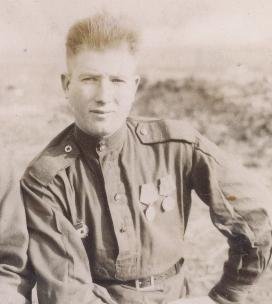
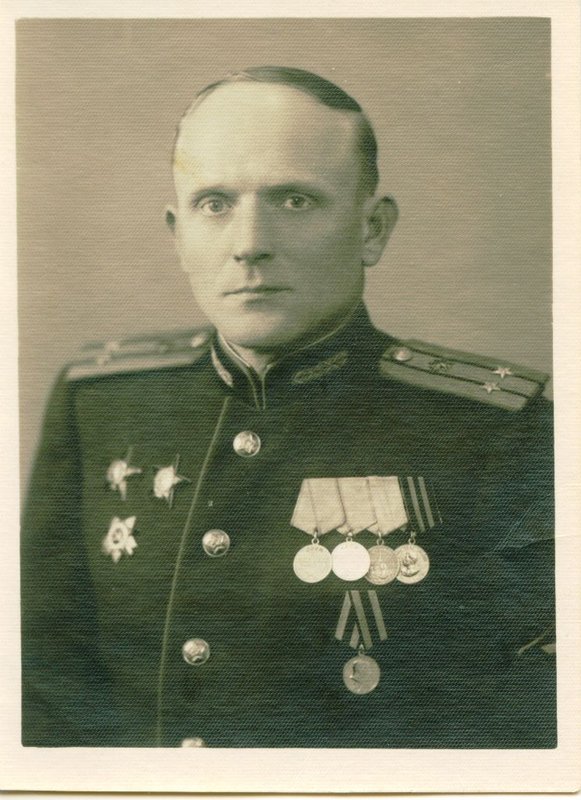
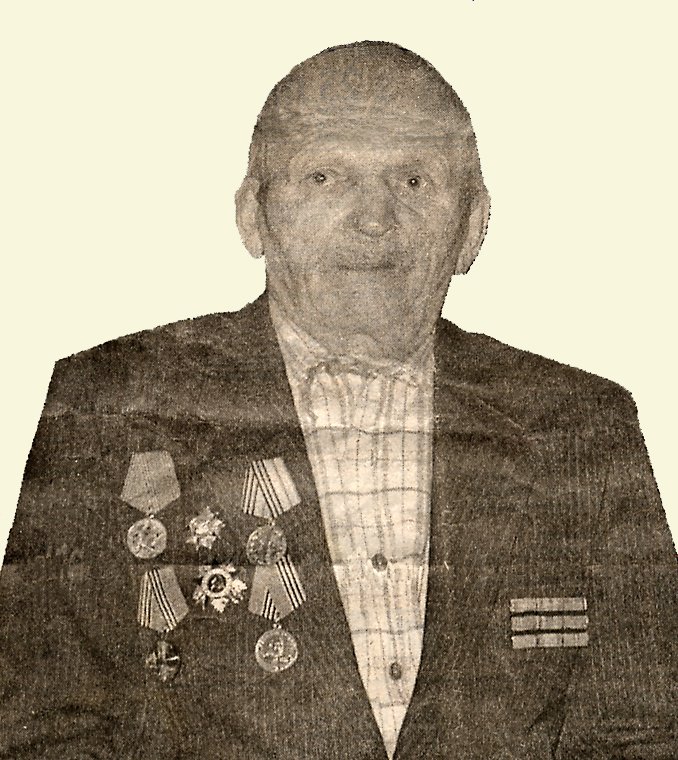
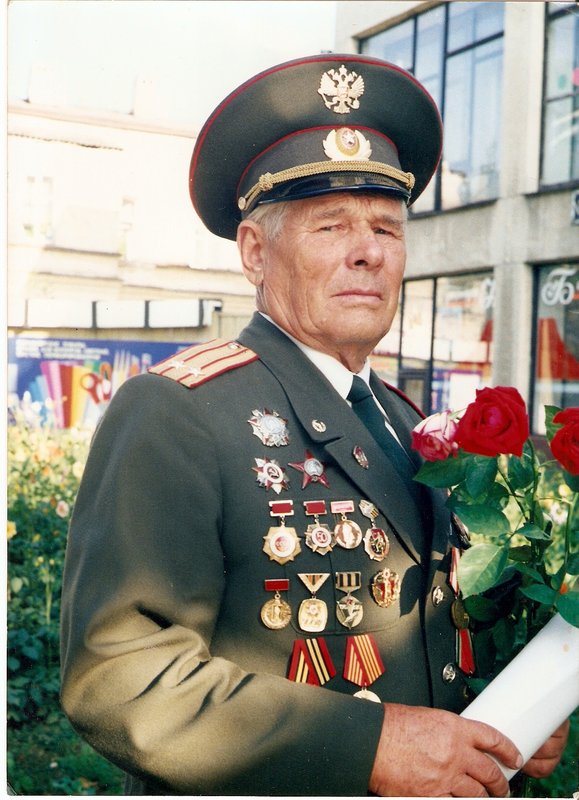
Severiukhin Pavel Egorovich
Rank: Starshina _x000D_
Branch of troops: Aviation_x000D_
_x000D_
He had served from June 1941in the Uman defensive operation, retreated through Kharkov to Stalingrad. He served Il-2 aircraft, in a Mobile Aviation Shop. He ended the war in Konigsberg. He was awarded 13 medals and two orders. _x000D_
Here are some episodes that my grandfather told after the war: _x000D_
Before the war, he graduated from the School of Aviation specialists in Irkutsk. He faced the war in a military unit in the Ukraine near the city of Uman. The first strikes by the Germans were directed at our aircrafts and airfields. As a result, most of the aircrafts did not have time to take off, as the runways were broken. He and his comrade managed to carry out and keep the unit's banner. _x000D_
A certain number of fighters (mostly local Ukrainians) fled to the huts, and the remaining fighters (mostly sergeants and privates, originally from Russia) began to independently retreat to the east. The Germans moved along the roads, on tanks and motorcycles, while ours retreated on foot along the roads, through the forest and fields. The Germans did not specifically hunt for individual groups of fighters. As a result, they managed to retreat to their units. So, the military unit was not disbanded. There was a story when they were retreating across a large river, (when he was in the Kiev Forces). Our troops mined the bridge to blow it up before the Germans arrived. _x000D_
But when the German units appeared, the bridge could not be blown up, since wires were broken and cut. He repaired and connected it with his teeth, twisted the wires when the fire had already begun. As a result, the bridge was blown up in front of the Germans. He was awarded for this incident. But nevertheless, the Germans managed to cross this river rather quickly in other places. Ours again began to retreat east to their own troops. _x000D_
The other time, my grandfather miraculously survived, when he adjusted the fire on the observation tower at the airfield and watched the approach of German aircrafts. One of the bombs hit near the observation tower, and it began to fall down smoothly. He fell a great height, but fortunately did not hurt himself. _x000D_
After the Battle of Stalingrad, (where he served at an airfield on the other side of the front line), the front line began to move west. My grandfather often put forward rational proposals to improve aircraft equipment, installed bombs and rockets on Il-2 attack aircraft and other aircraft. If several aircrafts fired simultaneously with rockets, then the effect was like a shot from a small MLRS, but much more accurate (so it was convenient to aim from above) and the Nazis had a hard time. But my grandfather, nevertheless, always wanted to be a pilot. It is not known what fate he would have had if he had been a pilot, because pilots often were killed and burned. _x000D_
Once he and a friend detained an enemy saboteur. It turned out to be the son of a "kulak" who was inserting rags into aircraft engines. It is unknown how many of them did not return to the base because of this saboteur. _x000D_
He ended the war in Konigsberg. He talked about the fierce battles, and mentioned that some Germans fanatics tried to chain themselves to the walls so as not to retreat. The assault on Konigsberg was actively supported by our Aviation. Nevertheless, the war was finished, and our soldiers got valuable trophies from the Germans. _x000D_
My grandfather always considered the first months of the war to be the hardest. Many archives or other documents describing the courage of our soldiers have not survived about the heroes' efforts. After the war he got married and had four children. After the war he lived in Moscow, and then in the village of Novoelnya, Belarus.
Severiukhin Pavel Egorovich
Rank: Starshina _x000D_
Branch of troops: Aviation_x000D_
_x000D_
He had served from June 1941in the Uman defensive operation, retreated through Kharkov to Stalingrad. He served Il-2 aircraft, in a Mobile Aviation Shop. He ended the war in Konigsberg. He was awarded 13 medals and two orders. _x000D_
Here are some episodes that my grandfather told after the war: _x000D_
Before the war, he graduated from the School of Aviation specialists in Irkutsk. He faced the war in a military unit in the Ukraine near the city of Uman. The first strikes by the Germans were directed at our aircrafts and airfields. As a result, most of the aircrafts did not have time to take off, as the runways were broken. He and his comrade managed to carry out and keep the unit's banner. _x000D_
A certain number of fighters (mostly local Ukrainians) fled to the huts, and the remaining fighters (mostly sergeants and privates, originally from Russia) began to independently retreat to the east. The Germans moved along the roads, on tanks and motorcycles, while ours retreated on foot along the roads, through the forest and fields. The Germans did not specifically hunt for individual groups of fighters. As a result, they managed to retreat to their units. So, the military unit was not disbanded. There was a story when they were retreating across a large river, (when he was in the Kiev Forces). Our troops mined the bridge to blow it up before the Germans arrived. _x000D_
But when the German units appeared, the bridge could not be blown up, since wires were broken and cut. He repaired and connected it with his teeth, twisted the wires when the fire had already begun. As a result, the bridge was blown up in front of the Germans. He was awarded for this incident. But nevertheless, the Germans managed to cross this river rather quickly in other places. Ours again began to retreat east to their own troops. _x000D_
The other time, my grandfather miraculously survived, when he adjusted the fire on the observation tower at the airfield and watched the approach of German aircrafts. One of the bombs hit near the observation tower, and it began to fall down smoothly. He fell a great height, but fortunately did not hurt himself. _x000D_
After the Battle of Stalingrad, (where he served at an airfield on the other side of the front line), the front line began to move west. My grandfather often put forward rational proposals to improve aircraft equipment, installed bombs and rockets on Il-2 attack aircraft and other aircraft. If several aircrafts fired simultaneously with rockets, then the effect was like a shot from a small MLRS, but much more accurate (so it was convenient to aim from above) and the Nazis had a hard time. But my grandfather, nevertheless, always wanted to be a pilot. It is not known what fate he would have had if he had been a pilot, because pilots often were killed and burned. _x000D_
Once he and a friend detained an enemy saboteur. It turned out to be the son of a "kulak" who was inserting rags into aircraft engines. It is unknown how many of them did not return to the base because of this saboteur. _x000D_
He ended the war in Konigsberg. He talked about the fierce battles, and mentioned that some Germans fanatics tried to chain themselves to the walls so as not to retreat. The assault on Konigsberg was actively supported by our Aviation. Nevertheless, the war was finished, and our soldiers got valuable trophies from the Germans. _x000D_
My grandfather always considered the first months of the war to be the hardest. Many archives or other documents describing the courage of our soldiers have not survived about the heroes' efforts. After the war he got married and had four children. After the war he lived in Moscow, and then in the village of Novoelnya, Belarus.
0 comment




2026 © Russian Military Historical Society Developed by Jetmix