Back to
album
album
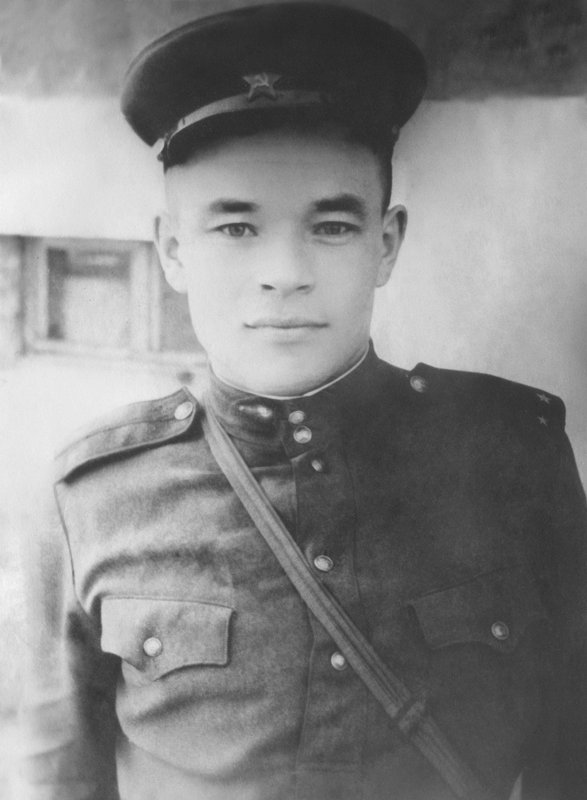
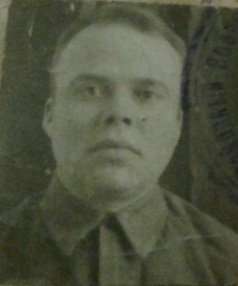
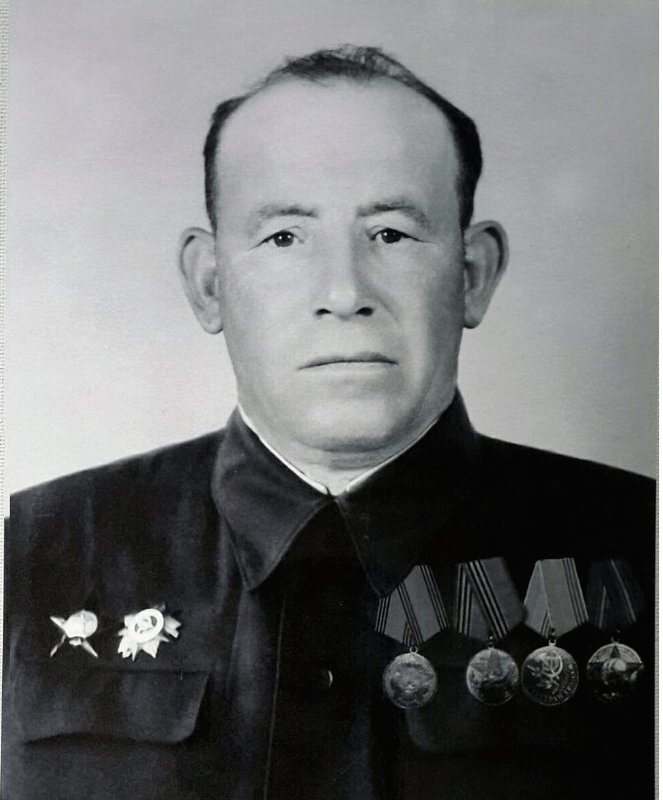
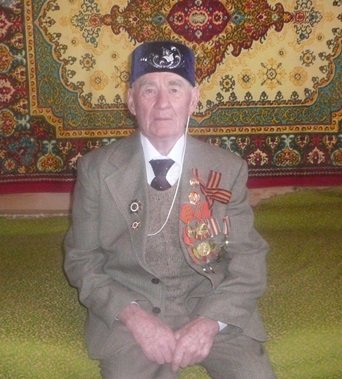
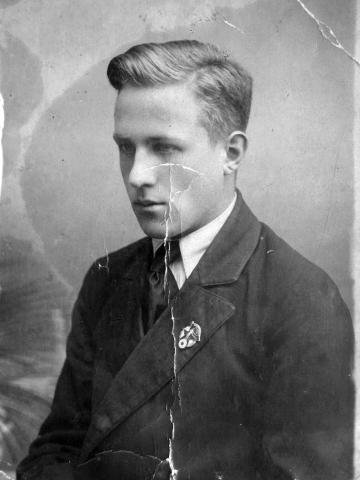
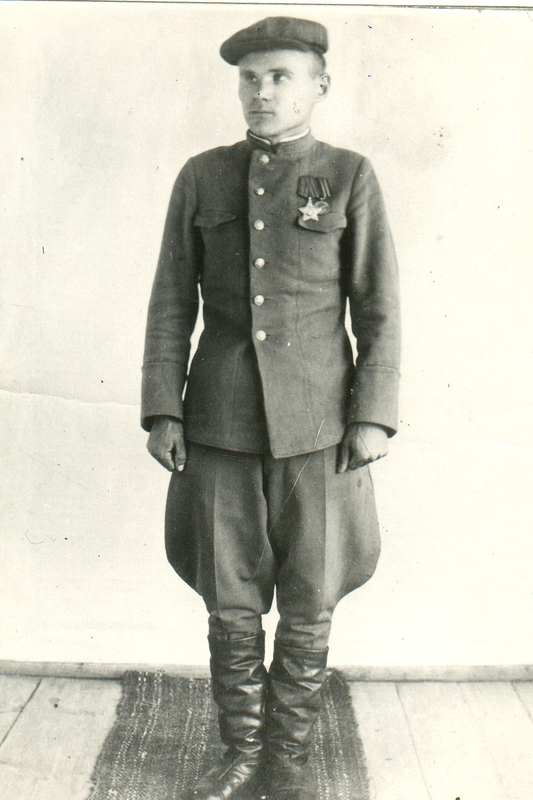
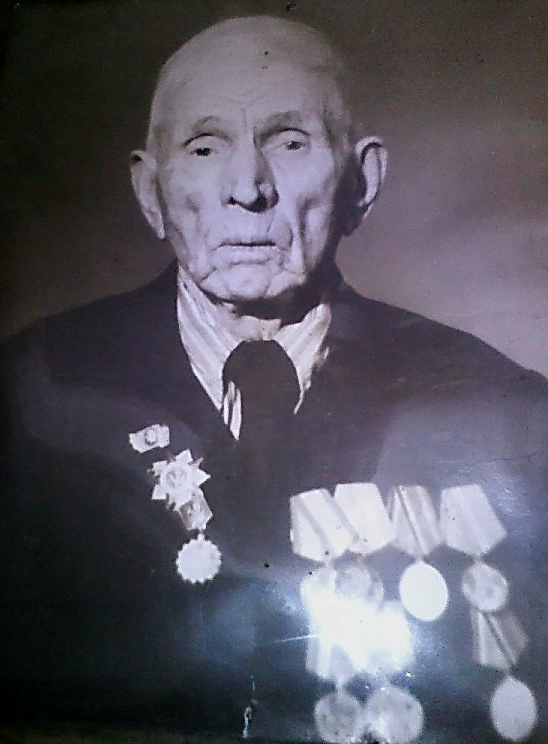

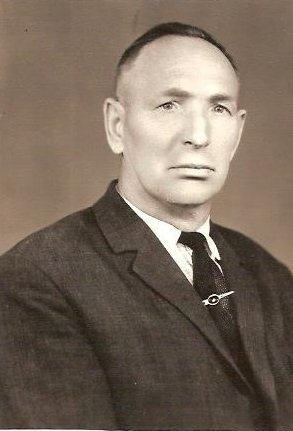
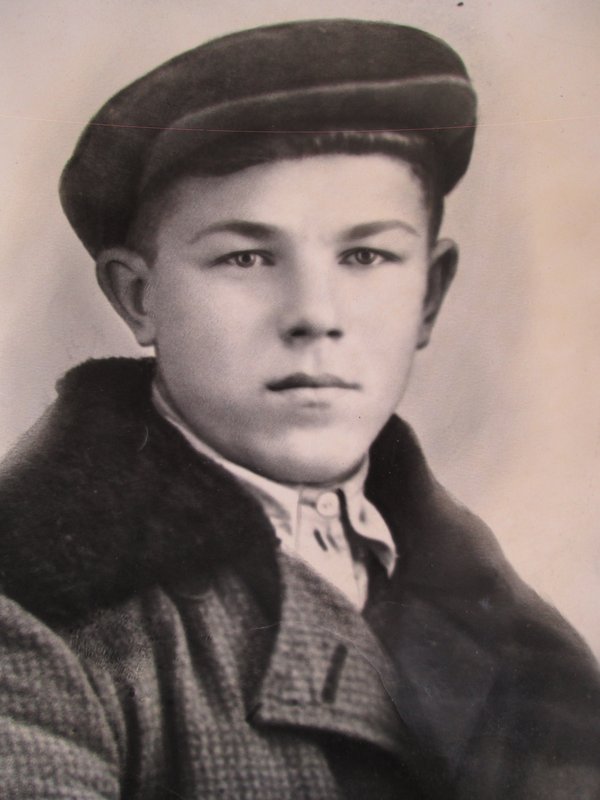
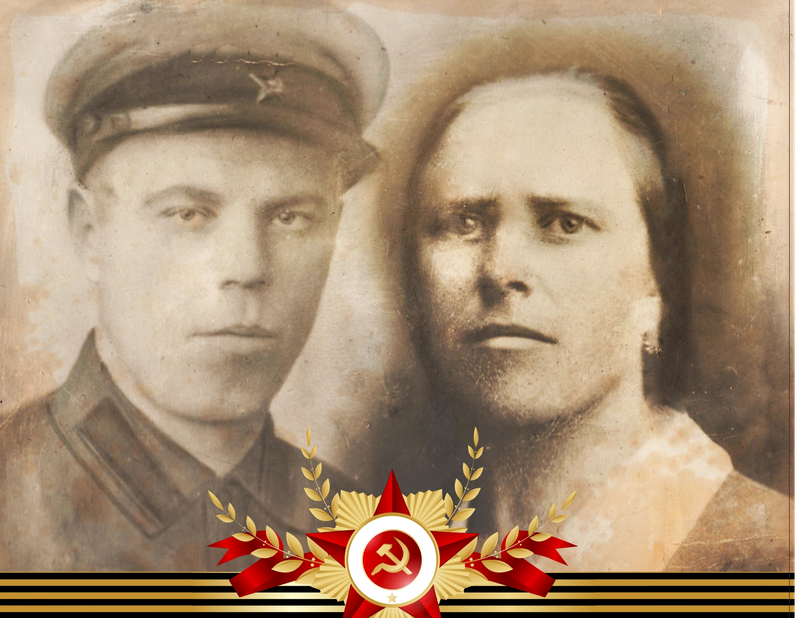
Smirnov Vasilii Ivanovich
Rank: Senior Sergeant _x000D_
Branch of troops: Ground Forces, Air Force (except for naval Aviation), Coastal Service, NKVD troops, Border Troops. Subdivision: 201st Gatchina Rifle Red Banner Division._x000D_
_x000D_
My father, Vasily Ivanovich Smirnov (January 14, 1927 - October 26, 1982), a native of the village. Malo-Mitkino, Kalachinsky district, Omsk region, disabled of the II group of the Great Patriotic War, awarded the Order of Glory, III degree. He went to the front at the age of 16. _x000D_
In 1943, after the family received a notice of the death of his father (Ivan Sosipatrovich Smirnov, who died at the front - Kostyukovichi, Mogilev region), he did not wait for his draft year, and together with his comrades born in 1926, he appeared at the recruiting station and was enrolled as a cadet 17th district School of snipers of the Siberian Military District. He graduated from the School of snipers with the assignment of the military rank of Corporal. _x000D_
In June 1944 he served in the Gorokhovets military camps in the Ivanovo region. From July 1944 he served in the 7th Rifle company of the 3rd Rifle Battalion of the 446th Rifle Pinsk Order of the Alexander Nevsky Regiment. With the 446th Rifle Regiment he marched from Baranovichi to Bialystok and beyond. At the beginning of August 1944 he became a recon of the reconnaissance platoon of the 59th Infantry Regiment of the Second Baltic Front. He took part in the liberation of Võru, Valka, Valmiera, Cesis ... _x000D_
In September 1944 he was wounded and went to the hospital. After the hospital, he was sent to the regimental reconnaissance, and a month later he was appointed commander of a division of a Rifle company located in Courland (Latvia), between Tukums and Libava. The last time he went on the attack on February 16, 1945. On that day, during the attack, he was wounded in the head and lost an eye. He was treated in hospitals in Riga and Mitava. In May 1945, he graduated from medical training courses, but did not have to fight again, the war ended. In 1946 he was demobilized as a disabled II group of the Second World War. _x000D_
He returned to his homeland, to the village of Malo-Mitkino. He graduated from the regional School of cultural and educational workers. He worked as the head of the culture department of the Maryanovsk regional executive committee of the Omsk region and studied at the correspondence Omsk teacher's institute named after M. Gorky. Since 1951 he worked in schools of the Omsk region (history teacher, School director). We remember and are proud of our father, grandfather and great-grandfather. Eternal glory!
Smirnov Vasilii Ivanovich
Rank: Senior Sergeant _x000D_
Branch of troops: Ground Forces, Air Force (except for naval Aviation), Coastal Service, NKVD troops, Border Troops. Subdivision: 201st Gatchina Rifle Red Banner Division._x000D_
_x000D_
My father, Vasily Ivanovich Smirnov (January 14, 1927 - October 26, 1982), a native of the village. Malo-Mitkino, Kalachinsky district, Omsk region, disabled of the II group of the Great Patriotic War, awarded the Order of Glory, III degree. He went to the front at the age of 16. _x000D_
In 1943, after the family received a notice of the death of his father (Ivan Sosipatrovich Smirnov, who died at the front - Kostyukovichi, Mogilev region), he did not wait for his draft year, and together with his comrades born in 1926, he appeared at the recruiting station and was enrolled as a cadet 17th district School of snipers of the Siberian Military District. He graduated from the School of snipers with the assignment of the military rank of Corporal. _x000D_
In June 1944 he served in the Gorokhovets military camps in the Ivanovo region. From July 1944 he served in the 7th Rifle company of the 3rd Rifle Battalion of the 446th Rifle Pinsk Order of the Alexander Nevsky Regiment. With the 446th Rifle Regiment he marched from Baranovichi to Bialystok and beyond. At the beginning of August 1944 he became a recon of the reconnaissance platoon of the 59th Infantry Regiment of the Second Baltic Front. He took part in the liberation of Võru, Valka, Valmiera, Cesis ... _x000D_
In September 1944 he was wounded and went to the hospital. After the hospital, he was sent to the regimental reconnaissance, and a month later he was appointed commander of a division of a Rifle company located in Courland (Latvia), between Tukums and Libava. The last time he went on the attack on February 16, 1945. On that day, during the attack, he was wounded in the head and lost an eye. He was treated in hospitals in Riga and Mitava. In May 1945, he graduated from medical training courses, but did not have to fight again, the war ended. In 1946 he was demobilized as a disabled II group of the Second World War. _x000D_
He returned to his homeland, to the village of Malo-Mitkino. He graduated from the regional School of cultural and educational workers. He worked as the head of the culture department of the Maryanovsk regional executive committee of the Omsk region and studied at the correspondence Omsk teacher's institute named after M. Gorky. Since 1951 he worked in schools of the Omsk region (history teacher, School director). We remember and are proud of our father, grandfather and great-grandfather. Eternal glory!
0 comment



2026 © Russian Military Historical Society Developed by Jetmix