Back to
album
album
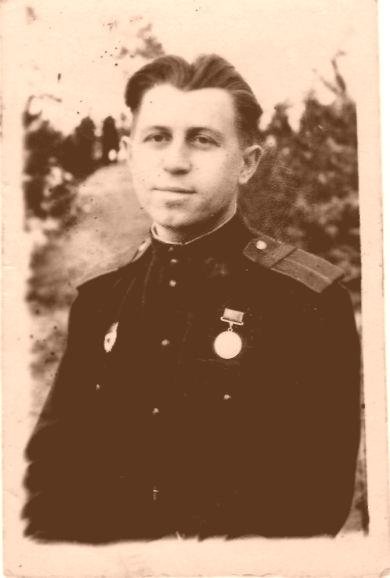
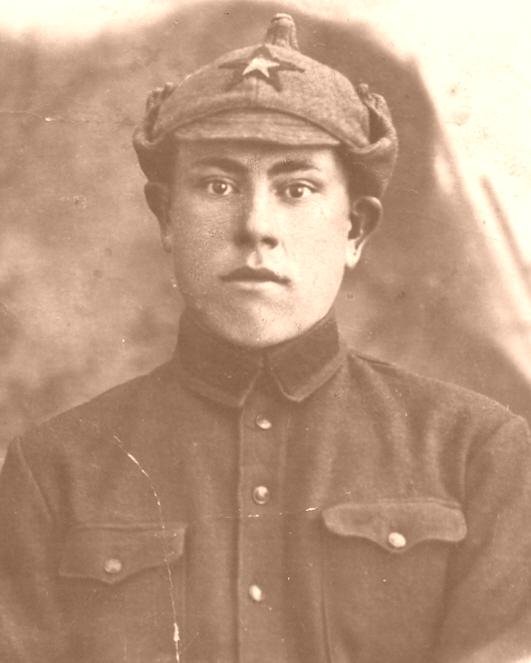
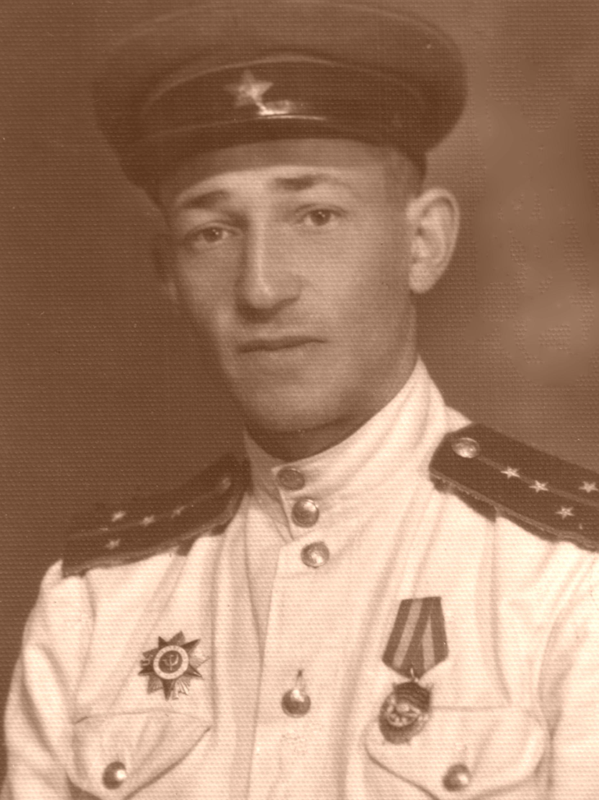
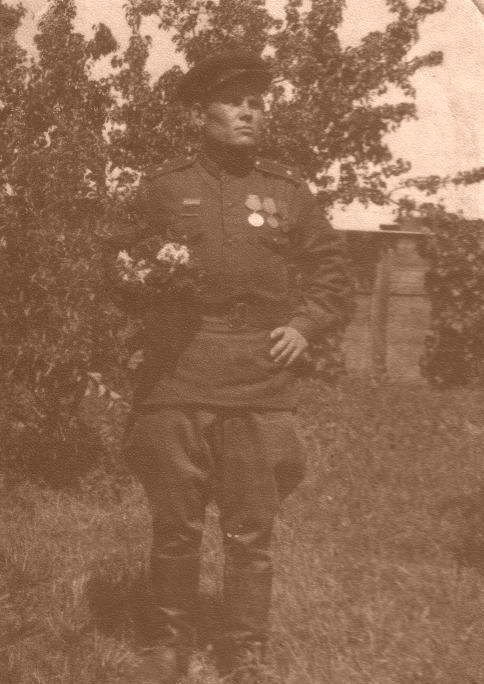
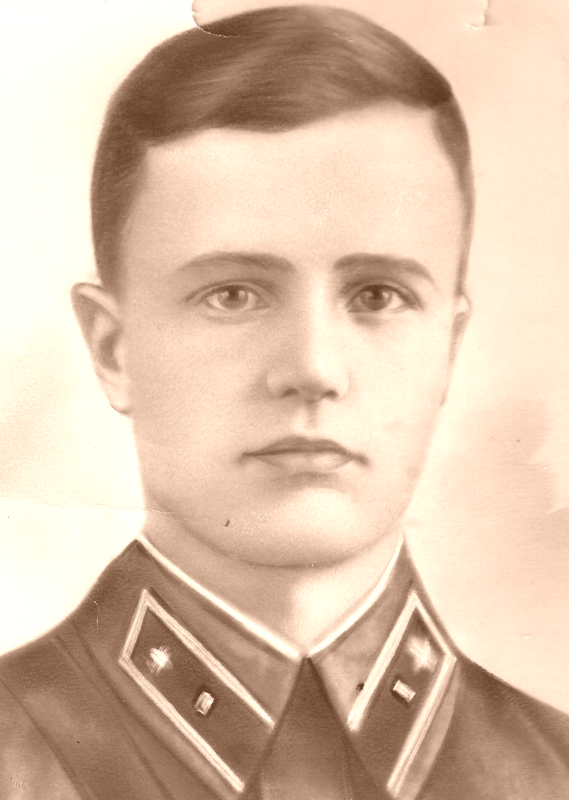
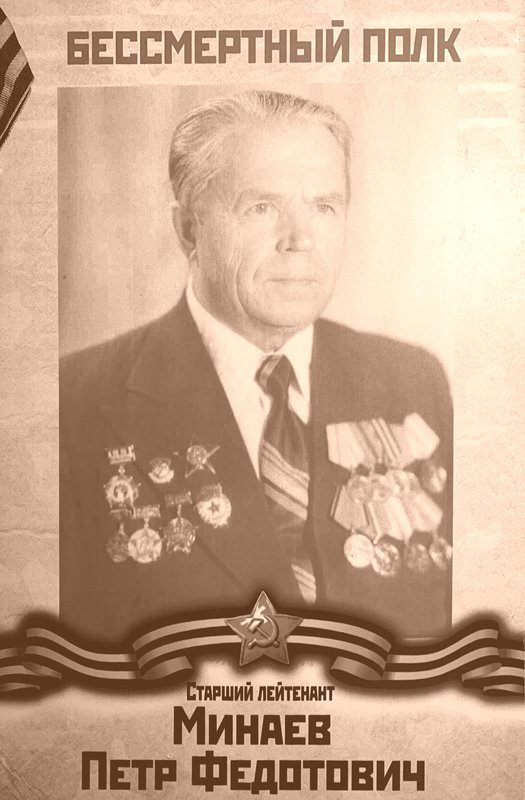
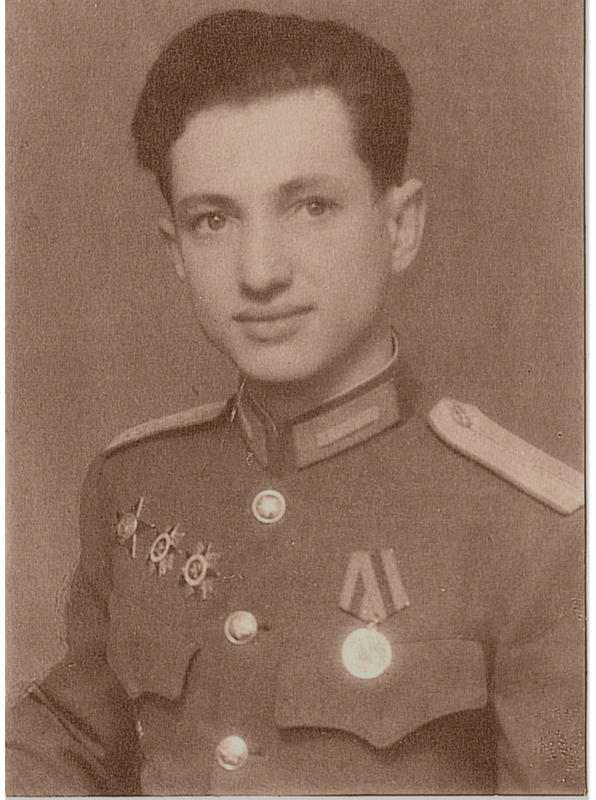
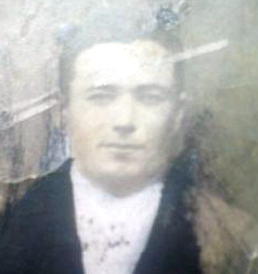
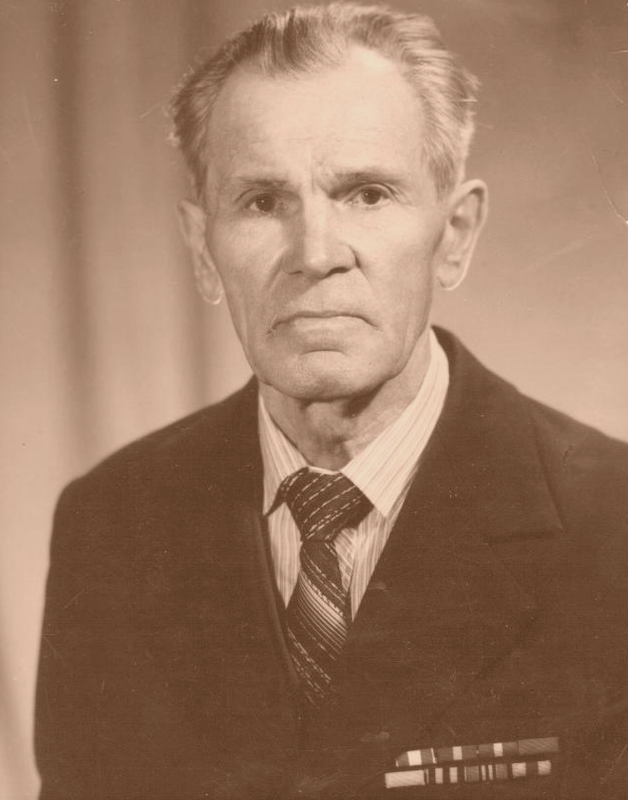
Morozov, Sergey Ivanovich
Sergey Ivanovich Morozov was born in 1912 in the village of Krominskaya in the Arkhangelsk Region of Kargopolsky District. Becoming a military officer was a conscious choice of Sergei Ivanovich, and in 1934 he was already listed as a cadet of the Regimental School of Junior Commanders, and then, after successful completion of his studies, became an Assistant Commander in the Murmansk Separate Rifle Regiment (1934). _x000D_
In the same year, he marries Anna Yegorovna, and the happy newlyweds move to Murmansk to live. Sergei Ivanovich had two sons, the youngest of whom, my grandfather Valery Sergeyevich, had never seen his father. _x000D_
In 1939-1940 Sergei Ivanovich has already passed the Finnish war as a career officer. On the eve of the Great Patriotic War in May 1941, Sergei Ivanovich is listed as the Head of the Communications Department of the 18th Separate Company. Sergei Ivanovich was transferred as part of other units and formations to the front line, but not to the North, but to the Central part of the country. His wife and children left Murmansk to experience the horrors of war in a village in the Arkhangelsk Region, closer to their parents and loved ones. Unfortunately, the data where exactly Sergei Ivanovich fought before 1943 has not yet been found. It is only known that in the summer of 1943, he was in a Penal Battalion, on the front line of the Voronezh Front. _x000D_
It is clear that in such battalions during the war, people were often sent for the slightest misdemeanors. And the leadership of the Voronezh Front was famous for keeping "penalty takers" much longer than the prescribed three months, and used them to perform the most dangerous missions. Sergei Ivanovich did not write to his family about this, as well as about what he experienced during the battle for Kharkov in August 1943. But he survived, the front line moved forward, _x000D_
He was again on the front line as part of the 6th Guards Army, 67th Guards Rifle Division. This Division liberated Belgorod and Kharkov in the late summer and autumn of 1943. Fighting in fierce combats with the SS divisions "Das Reich" and "Deadhead" the 67th Division advanced deep into the Ukraine. As recorded in the log of combat operations in early September, the Division had a combat mission taking Height 1 67.5 in the direction of Kolontayev-Kubashevka. On the night of September 9 to September 10, 1943, the Division prepared to attack early in the morning. The offensive was successful the enemy began to withdraw from the attack of the troops, crossed the Merla river, and began to blow up the crossings. Under heavy German fire, the crossings were restored. Sergei was killed in this combat on September 10, 1943. _x000D_
In the documents, the site of his burial is listed as the village Murafa, which is 20 km from the front line, as well as the entry "killed in military action". There is another entry in his personal file: “the Penal Battalion, operating on the front line as part of the 67th Guards Rifle Division of the 6th Guards Army, showed themselves in the combats with the German invaders disciplined, expressed wisdom, bravery, courage, and atoned in the combats for their guilt before the Motherland, to restore all the former rights of officers from October 4, 1943.” _x000D_
He was buried in a mass grave near the village of Murafa, Kharkov Region. He gave his life in the fiercest battles, passed through the earthly hell, and his blood is on the banner of our Victory.
Morozov, Sergey Ivanovich
Sergey Ivanovich Morozov was born in 1912 in the village of Krominskaya in the Arkhangelsk Region of Kargopolsky District. Becoming a military officer was a conscious choice of Sergei Ivanovich, and in 1934 he was already listed as a cadet of the Regimental School of Junior Commanders, and then, after successful completion of his studies, became an Assistant Commander in the Murmansk Separate Rifle Regiment (1934). _x000D_
In the same year, he marries Anna Yegorovna, and the happy newlyweds move to Murmansk to live. Sergei Ivanovich had two sons, the youngest of whom, my grandfather Valery Sergeyevich, had never seen his father. _x000D_
In 1939-1940 Sergei Ivanovich has already passed the Finnish war as a career officer. On the eve of the Great Patriotic War in May 1941, Sergei Ivanovich is listed as the Head of the Communications Department of the 18th Separate Company. Sergei Ivanovich was transferred as part of other units and formations to the front line, but not to the North, but to the Central part of the country. His wife and children left Murmansk to experience the horrors of war in a village in the Arkhangelsk Region, closer to their parents and loved ones. Unfortunately, the data where exactly Sergei Ivanovich fought before 1943 has not yet been found. It is only known that in the summer of 1943, he was in a Penal Battalion, on the front line of the Voronezh Front. _x000D_
It is clear that in such battalions during the war, people were often sent for the slightest misdemeanors. And the leadership of the Voronezh Front was famous for keeping "penalty takers" much longer than the prescribed three months, and used them to perform the most dangerous missions. Sergei Ivanovich did not write to his family about this, as well as about what he experienced during the battle for Kharkov in August 1943. But he survived, the front line moved forward, _x000D_
He was again on the front line as part of the 6th Guards Army, 67th Guards Rifle Division. This Division liberated Belgorod and Kharkov in the late summer and autumn of 1943. Fighting in fierce combats with the SS divisions "Das Reich" and "Deadhead" the 67th Division advanced deep into the Ukraine. As recorded in the log of combat operations in early September, the Division had a combat mission taking Height 1 67.5 in the direction of Kolontayev-Kubashevka. On the night of September 9 to September 10, 1943, the Division prepared to attack early in the morning. The offensive was successful the enemy began to withdraw from the attack of the troops, crossed the Merla river, and began to blow up the crossings. Under heavy German fire, the crossings were restored. Sergei was killed in this combat on September 10, 1943. _x000D_
In the documents, the site of his burial is listed as the village Murafa, which is 20 km from the front line, as well as the entry "killed in military action". There is another entry in his personal file: “the Penal Battalion, operating on the front line as part of the 67th Guards Rifle Division of the 6th Guards Army, showed themselves in the combats with the German invaders disciplined, expressed wisdom, bravery, courage, and atoned in the combats for their guilt before the Motherland, to restore all the former rights of officers from October 4, 1943.” _x000D_
He was buried in a mass grave near the village of Murafa, Kharkov Region. He gave his life in the fiercest battles, passed through the earthly hell, and his blood is on the banner of our Victory.
0 comment



2026 © Russian Military Historical Society Developed by Jetmix