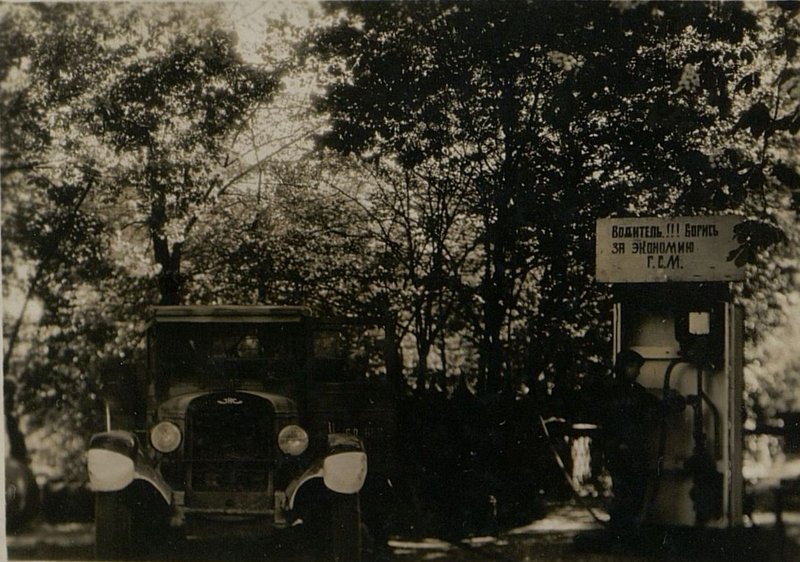
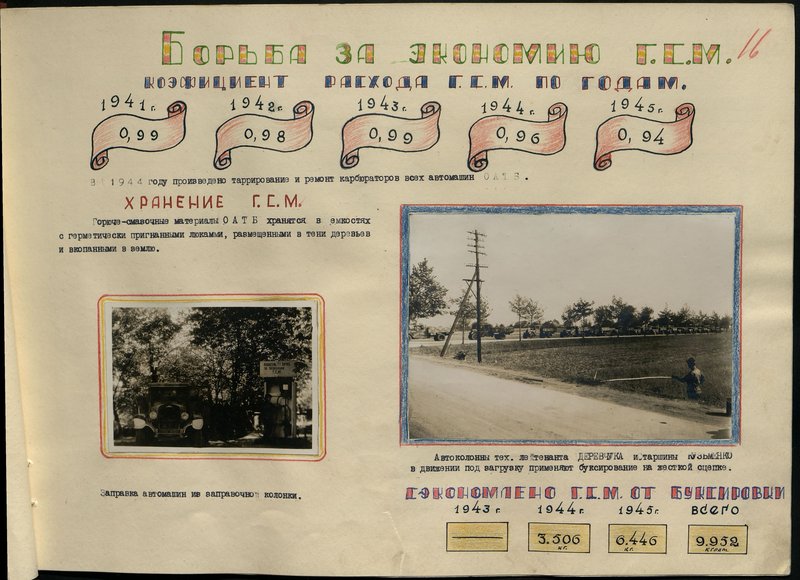
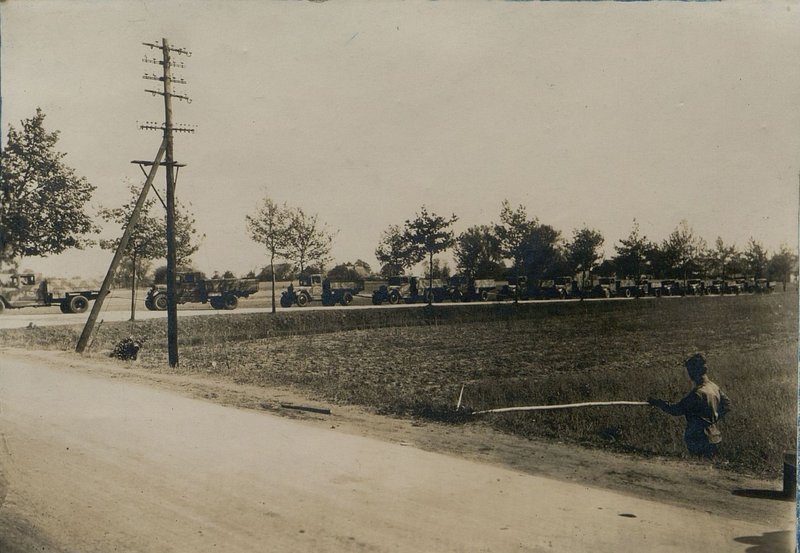
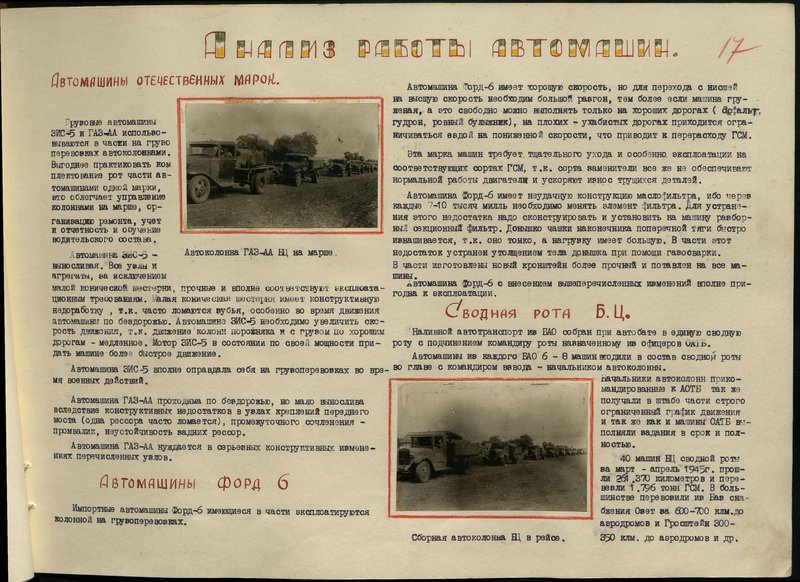
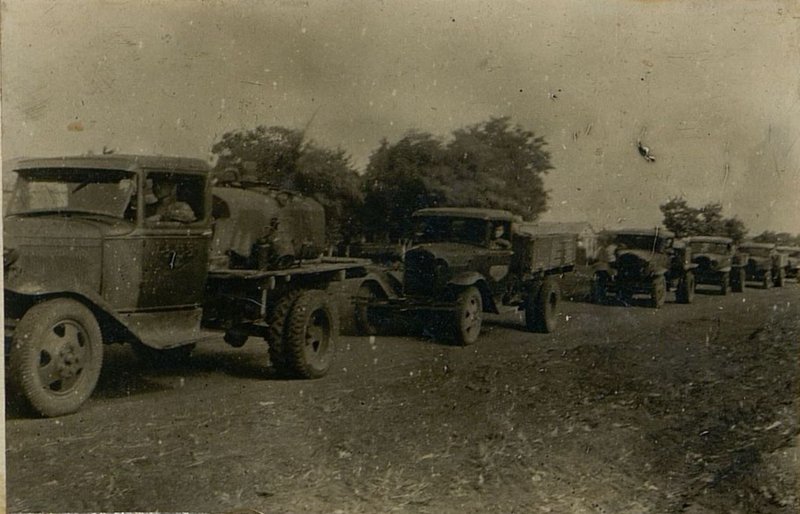
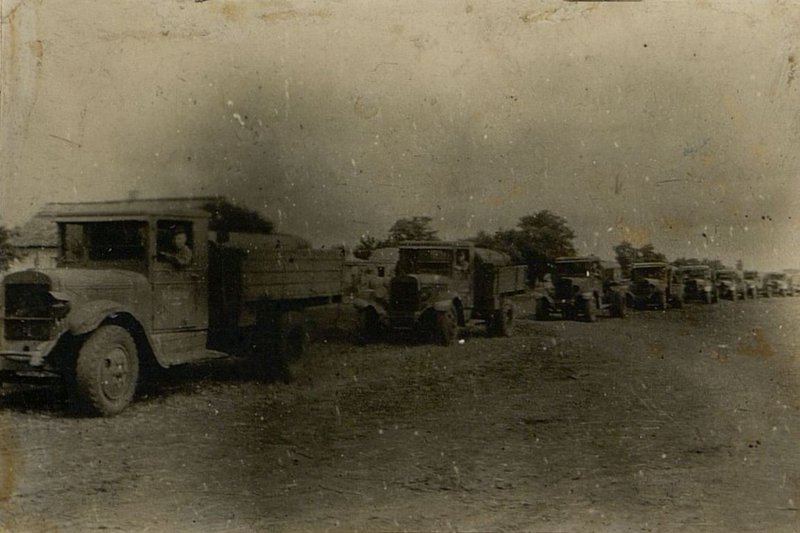
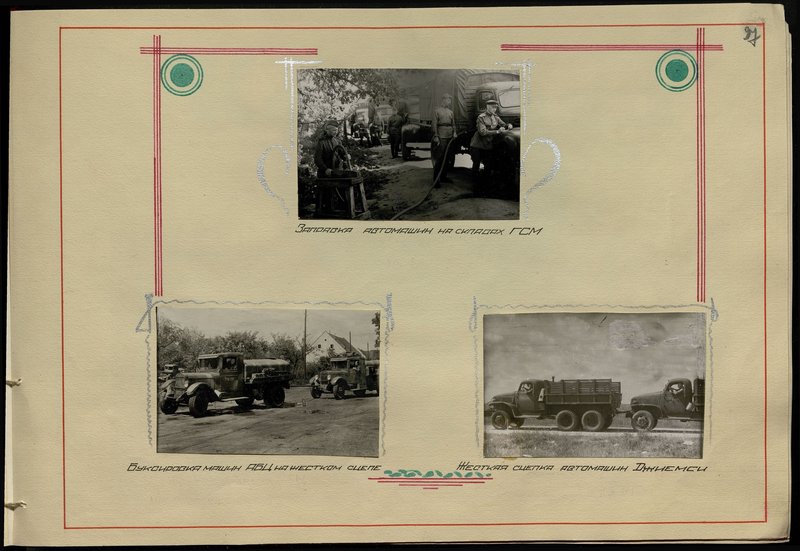
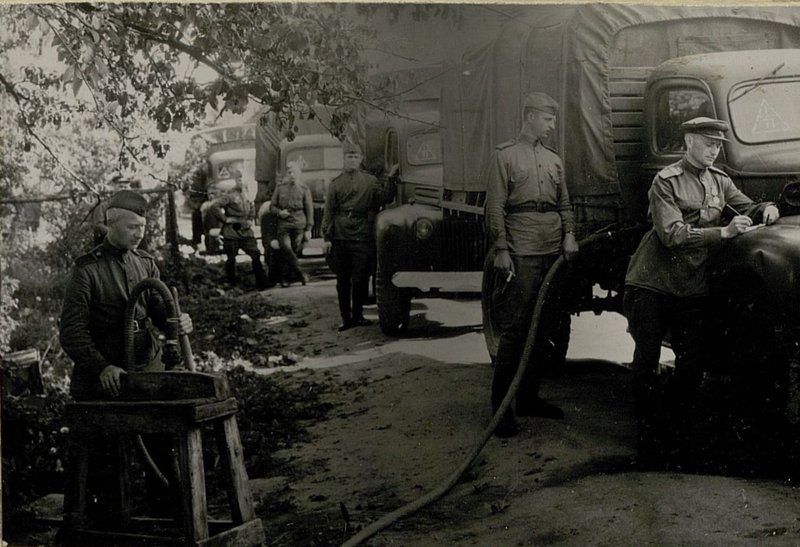
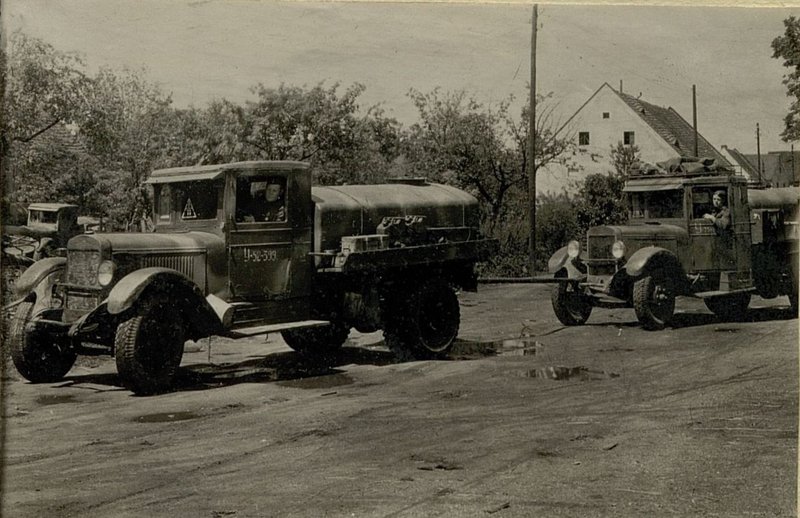
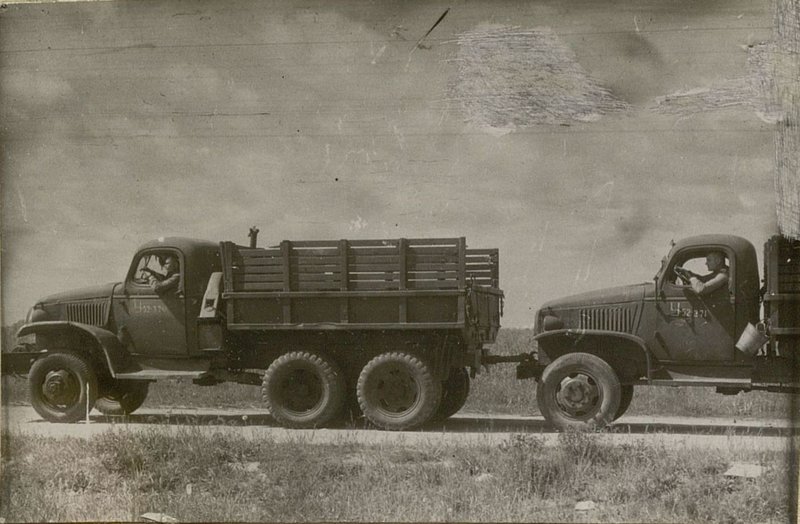
Convoy GAZ-AA ballistic center on the march
Analysis of car operation
Cars of domestic brands
The ZIS‑5 and GAZ‑AA trucks are mainly used for cargo transportation by convoys.
It is more profitable to practice completing the mouthpiece with cars of the same brand: this makes it easier:
column management on the march;
organization of repairs;
accounting and reporting;
driver's training.
ZIS‑5 car
The ZIS‑5 is a hardy car. All components and assemblies, with the exception of the small bevel gear, are durable and fully meet operational requirements.
The small bevel gear has a design flaw: the teeth often break, especially when driving off-road.
It is necessary to increase the speed of the ZIS‑5 vehicle, since the movement of convoys (empty and loaded) on good roads is too slow. The ZIS‑5 motor is capable of providing higher speed in terms of its power.
The ZIS‑5 car has fully justified itself in cargo transportation during the war.
GAZ‑AA car
The GAZ‑AA car is passable off‑road, but it is unpalatable due to design flaws.:
in the attachment points of the front axle (one spring often breaks);
in the intermediate joint (promvalik);
in the design of the rear springs (instability).
The GAZ‑AA car needs serious structural changes to the listed components.
Ford‑6 cars
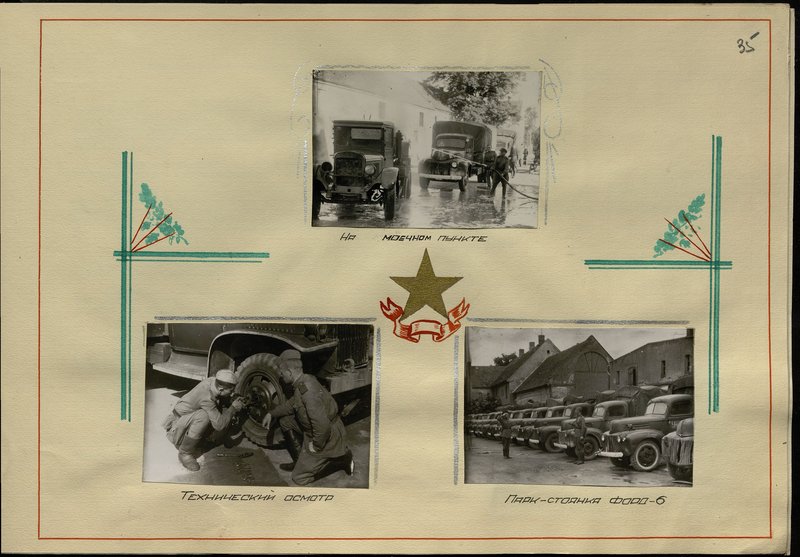
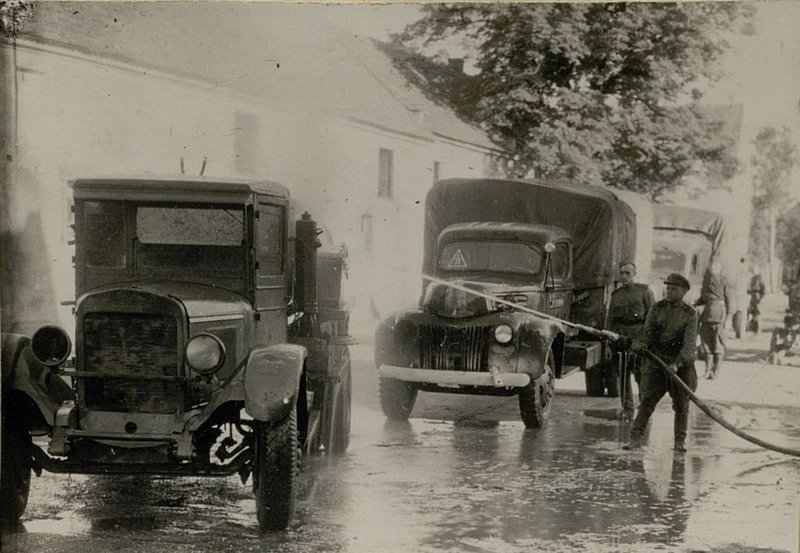
Imported Ford‑6 trucks, which are available in the unit, are operated by a convoy for cargo transportation.
The Ford-6 has a good speed, but a lot of acceleration is needed to switch from low to high gear, especially if the car is loaded. This is possible only on good roads (asphalt, tarmac, smooth cobblestones). On bad, bumpy roads, you have to limit yourself to a reduced speed, which leads to fuel overspending.
This brand of machines requires careful maintenance and operation exclusively on the appropriate grades of fuels and lubricants: substitutes do not ensure the normal operation of the engine and accelerate the wear of rubbing parts.
The Ford‑6 car has an unsuccessful oil filter design: every 7-10 thousand miles it is necessary to change the filter element. To eliminate the drawback, a collapsible sectional filter should be designed and installed.
The bottom of the transverse thrust tip cup wears out quickly because it is thin and the load on it is heavy. In part, this disadvantage is eliminated by thickening the bottom with the help of gas welding.
Also, a more durable bracket is made in the part, which is installed on all machines. Taking into account the listed changes, the Ford‑6 car is quite suitable for operation.
Consolidated company B. C.
Bulk vehicles from the BAO were assembled during the autobat into a single consolidated company subordinate to the company commander, appointed from the officers of the OKHTB.
Vehicles from each BAO (6-8 vehicles) were part of a consolidated company led by a platoon commander, the head of the convoy.
The heads of the convoys seconded to the AOTB received a strictly limited timetable at the unit headquarters. They, like the OATB machines, completed the tasks on time and in full.
In March—April 1945, 40 armored personnel carriers of the consolidated company traveled 261,370 kilometers and transported 1,796 tons of fuel and lubricants. In most cases, transportation was carried out:
from Ozet supply bases at a distance of 600-700 km to airfields;
to "Grossstein" — at a distance of 300-350 km to airfields, etc.
перевод произведён с помощью сервиса Алиса AI